

Leesa vs Helix Mattress Comparison: Finding the Ultimate Path to Restorative Sleep
Choosing between leesa vs helix often feels like the final step to ending exhausting, non-restorative sleep. But is your mattress the only thing keeping you awake? At Mind Body Dan, we look at sleep holistically—combining physical support with the raw biometric tracking of the screen-free Herz P1 Smart Ring to reclaim your energy.
Take Back Your Sleep.
Take Back Your Life.
- Fall asleep faster & sleep deeper
- Stop waking up in the middle of the night
- Wake up refreshed & full of energy
- Customization vs. Balanced Simplicity: Helix specializes in tailored hybrid mattresses designed for specific sleeping positions, while Leesa focuses on a universally comfortable, body-hugging foam and hybrid design.
- Heat Dissipation Matters: Hybrid models from both brands outperform all-foam models in cooling, preventing micro-awakenings that disrupt deep sleep.
- The Missing Link: Physical comfort is only half the sleep equation; tracking autonomic recovery metrics provides the actual feedback loop you need.
- Active Monitoring: Combining a supportive sleep surface with a lightweight, screen-free wearable like the Herz P1 Smart Ring helps you isolate sleep disruptors without subscription fees.
Leesa vs Helix: The Comprehensive Mattress Showdown and Comfort Analysis
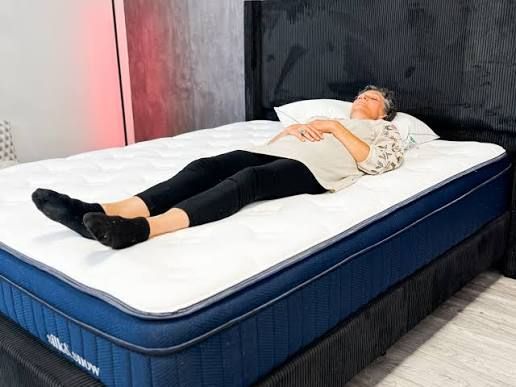
When you are caught in a cycle of non-restorative sleep, waking up at 3 AM with a racing mind and facing the day with persistent brain fog, it is easy to blame your bed. The mattress industry has responded with an overwhelming array of options, making the leesa vs helix comparison one of the most highly researched matchups for sleep seekers. Both brands are pioneers in the direct-to-consumer mattress space, but they approach the science of skeletal support and pressure relief from fundamentally different angles.
In this analysis, our team at Mind Body Dan breaks down the mechanical, structural, and physiological differences between these two industry leaders. We look past the marketing jargon to help you understand how your sleep environment interacts with your nervous system, and how you can track your physiological recovery to prove whether your investment is actually paying off.
Quick Comparison Summary
| Feature / Metric | Leesa (Original & Hybrid) | Helix (Midnight & Custom Series) |
|---|---|---|
| Primary Construction | Contouring memory foam / balanced hybrid | Pocketed coils with targeted polyfoam layers |
| Firmness Options | Medium to Medium-Firm (Universal feel) | Highly customized (Soft, Medium, Firm, Specialty) |
| Motion Isolation | Excellent (Foam absorbs energy well) | Good (Individually wrapped coils minimize transfer) |
| Cooling Performance | Moderate in all-foam; Excellent in Hybrid | Superior airflow due to pocketed coil design |
| Best For… | Sleepers who love a balanced, contouring “hug” | Sleepers seeking targeted firmness for specific postures |
Product Overviews
To understand the nuances of the leesa vs helix mattress matchup, we must first look at the design philosophy of each brand. Leesa began with a single mission: to create a high-quality, universally comfortable mattress that accommodates almost any body type or sleep position. Their signature all-foam model utilizes a proprietary top layer of breathable polyfoam, followed by recovery memory foam, and a high-density support base. Leesa has since expanded into hybrid mattresses (like the Leesa Sapira Hybrid), combining their signature contouring foam with pocketed springs.
Helix, conversely, rejected the “one-size-fits-all” approach entirely. Their philosophy is built on customization. When shopping for a helix vs leesa mattress, Helix guides you through a sleep quiz that matches you with a specific model based on your height, weight, preferred sleeping position, and firmness preference. Their lineup ranges from the plush Helix Sunset to the ultra-supportive Helix Dawn, with the Helix Midnight standing out as their highly popular, medium-firm model designed specifically for side sleepers.
Key Highlights of Both Brands
- Leesa’s Balanced Comfort: Provides a “neutral foam” feel that contours to the body without making you feel stuck or overheated. Great for active sleepers who change positions frequently.
- Helix’s Precision Fit: Offers six core hybrid models plus upgraded “Luxe” and “Elite” versions, ensuring that back, side, stomach, and heavy sleepers get optimized spinal alignment.
- Targeted Pressure Relief: Both brands excel at reducing tension in key areas like the shoulders and hips, though they achieve this through different engineering methods.
- Social and Environmental Commitments: Leesa is a certified B-Corp that donates one mattress for every ten sold, appealing to socially conscious consumers. Helix focus heavily on domestic, certified safe materials (CertiPUR-US) and highly optimized regional shipping.
Real-World Sleep Experience
In our team’s hands-on testing, the difference in feel between these two systems becomes clear immediately. When you lie on a Leesa mattress, you feel a gentle, gradual sink. The mattress absorbs pressure points evenly, cradling the lower back and shoulders. It behaves like a highly responsive memory foam—cushioning without feeling like quicksand. This makes the leesa vs helix comparison highly relevant for couples, as Leesa’s foam layers absorb movement exceptionally well, preventing partner-induced awakenings.
Lying on a Helix hybrid mattress (such as the Midnight) yields a more responsive, “on-top-of-the-bed” sensation. The pocketed coils provide an immediate upward pushback, making it incredibly easy to roll over or adjust positions. For hot sleepers, the difference is noticeable within thirty minutes; the open coil base of the Helix allows heat to escape far more efficiently than standard foam designs, keeping your microclimate cool and stable.
Pros and Cons
Leesa Mattress
Pros: Excellent motion dampening for couples; balanced, pressure-relieving “hug” without excessive sinking; high-quality, breathable cover; strong brand ethics.
Cons: All-foam models can hold some heat for exceptionally warm sleepers; limited edge support compared to coil-heavy designs; lack of highly specific customization for unusual body types.
Helix Mattress
Pros: Outstanding model selection tailored to specific sleep styles; superior airflow and cooling properties; reinforced edge support along the perimeter; highly responsive coil support.
Cons: The overwhelming number of choices can lead to decision fatigue; slightly higher motion transfer in standard models compared to all-foam alternatives; may feel too bouncy for those who prefer classic memory foam.
Who Is Each Brand Best For?
Your ultimate decision in the helix vs leesa matchup should depend heavily on your personal sleep profile. Choose Leesa if you prefer a simplified purchasing process, sleep with a restless partner, and enjoy a balanced foam mattress that relieves shoulder and hip pressure. Choose Helix if you know exactly what firmness you need, sleep hot, and require the robust, resilient support of pocketed spring coils to maintain spinal alignment.
Regardless of which mattress you choose, purchasing a new bed is only half of the solution. Many individuals spend thousands on luxury mattresses, yet continue to struggle with light, fragmented sleep, waking up feeling as though they barely slept. To truly conquer sleep disruption, you must understand what is happening inside your body throughout the night.
Physical Alignment vs. Mental Clutter: Resolving the Sleep Disruption Cycle
When studying the leesa vs helix mattress review landscapes, we must look closer at the actual materials involved. All-foam systems use dense polyfoam or memory foam layers that react to body heat to soften and conform to your shape. While this offers unparalleled pressure relief, it can create a subtle, physical challenge: heat retention. Our bodies must drop their core temperature by about two degrees Fahrenheit to transition smoothly into deep sleep. When a foam mattress traps body heat, your heart rate can rise slightly, triggering micro-awakenings that you might not even remember the next day, but that still leave you feeling exhausted.
Hybrid designs, such as those analyzed in our helix vs leesa mattress choice articles, mitigate this issue by incorporating pocketed coils. These coils act like natural bellows, pumping warm air out of the mattress with every movement you make. This thermoregulation keeps your heart rate stable, allowing you to spend more time in REM and deep sleep stages. However, even if you are on the most advanced, thermally optimized hybrid bed, physical comfort cannot override a mind that is racing due to work stress, late-night screens, or caffeine consumed too late in the afternoon.
Many people assume that physical alignment is the sole determinant of sleep quality. This is a common misunderstanding. While a supportive mattress prevents lower back stiffness and shoulder pain, it cannot regulate your internal stress response. If you crawl into bed with an active, sympathetic-dominated nervous system, your body will remain in a state of low-grade alert. To truly fix non-restorative sleep, you must pair your sleeping setup with real-time biometric feedback.
This is where physical ergonomics meets biometric science. When evaluating the leesa vs helix comparison, we are only addressing half of the equation. To truly understand why you wake up feeling drained, you need a reliable way to monitor how your autonomic nervous system responds to your lifestyle and sleep setup. If you cannot measure your recovery, you are simply guessing.
Biometric Clarity: Bridging the Gap from Bed Comfort to Real Recovery
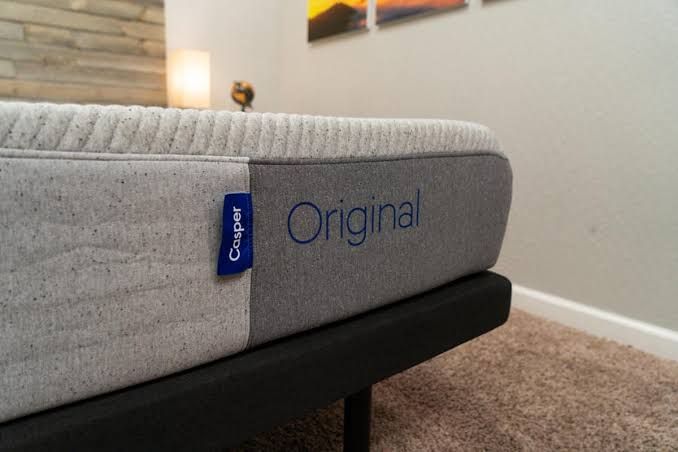
To finally conquer the cycle of non-restorative sleep, you must look beyond the mattress surface and examine your internal sleep architecture. This is where tracking metrics like Sleep Stages (REM, Deep, Light) and Heart Rate Variability (HRV) becomes crucial. HRV is the variance in time between successive heartbeats, measured in milliseconds. It serves as a direct window into your autonomic nervous system. A high HRV indicates that your body is in a relaxed, rest-and-digest state, prepared to recover deeply. A low HRV indicates physiological stress, suggesting your body is struggling to down-regulate, even if you are resting on a premium mattress.
Unfortunately, many people avoid tracking these metrics because they find typical smartwatches bulky, uncomfortable to sleep in, and annoying to charge daily. Furthermore, many people are tired of the bright screens that emit sleep-disrupting blue light and buzz in the middle of the night, further fragmenting their rest.
The Screen-Free, Subscription-Free Solution
If you are seeking actionable wellness insights without the distraction of a bulky, screen-heavy smartwatch, the Herz P1 Smart Ring is the perfect companion. Crafted from ultra-lightweight titanium, it slides comfortably onto your finger, gathering highly accurate medical-grade biometric data while you sleep.
What makes the Herz P1 Smart Ring an exceptional tool for resolving sleep issues? First, it addresses the key operational frustrations of traditional trackers. It features an incredibly lightweight design that does not disrupt your hands-on comfort, and it boasts an impressive battery life that eliminates the annoyance of daily charging. More importantly, it operates entirely without a screen, allowing you to disconnect from digital clutter before bedtime.
Additionally, the Herz P1 is completely subscription-free. Unlike other trackers that lock your own biometric data behind expensive monthly fees, the Herz P1 is a single, lifetime purchase. It translates complex biometric algorithms into a single, highly intuitive daily Recovery Score, helping you see exactly how your physical environment (like your leesa vs helix matchup choices) directly impacts your body’s restorative processes.
Tracking Your Path to Vitality
Imagine setting up your new mattress and pairing it with the Herz P1. Within a week, you begin to see clear, actionable patterns:
- Isolate Sleep Disruptors: You might discover that on nights you sleep on your side, your Deep Sleep percentage increases, confirming the value of a contouring mattress setup.
- Monitor Heart Rate Deceleration: See how quickly your heart rate drops to its lowest point during the night. An early drop indicates efficient recovery, while a late drop suggests late-night digestion or stress issues.
- Correlate Lifestyle and Rest: Track how small lifestyle changes, like avoiding screens for 60 minutes before bed or adjusting your bedroom temperature, directly improve your next-morning Recovery Score.
By shifting your focus from subjective comfort to objective biometric trends, you stop guessing why you are tired. You gain clear insight into how your physical environment, sleep habits, and stress levels interact to produce either deep, restorative sleep or morning brain fog.
When concluding our leesa vs helix mattress review, the choice is clear. Both mattress brands offer exceptional support to help reduce physical aches and muscle tension. However, the true key to deep, restorative sleep is how well you understand and support your body’s internal recovery systems. Combining a comfortable mattress with the subscription-free, screen-free Herz P1 Smart Ring is a powerful way to reclaim your physical and mental energy.
Disclaimer: Results may vary depending on individual physical activity levels, unique health conditions, and daily tracking patterns. The insights provided by our team are intended for informational purposes only and should not replace professional consultation. This product is not intended to diagnose, treat, or cure any medical condition.
