

Are Sleep Trackers Actually Accurate? What You Need to Know for Restful Nights
How accurate are the sleep monitors on your wrist or finger? Waking up with non-restorative sleep despite “perfect” data is a confusing reality. While standard devices often misread sleep stages, advanced biometric rings like the Herz P1 Smart Ring monitor medical-grade heart rate variability directly from your finger, bridging the accuracy gap effortlessly.
Take Back Your Sleep.
Take Back Your Life.
- Fall asleep faster & sleep deeper
- Stop waking up in the middle of the night
- Wake up refreshed & full of energy
Key Article Takeaways:
- Trend Consistency: Wearables are highly reliable for identifying general sleep trends, patterns, and cardiac changes, even if they aren’t clinical-grade diagnostic tools.
- Sensor Placement Matters: The blood vessels in your fingers are much closer to the skin surface than those in your wrist, making rings fundamentally more accurate for tracking Heart Rate Variability (HRV).
- Screen-Free Recovery: Eliminating bright wrist screens removes sleep-disrupting blue light, reducing 3 AM anxiety and improving sleep hygiene.
- No Hidden Fees: Transitioning to a subscription-free wearable provides full data ownership without fatigue from ongoing monthly fees.
Table of Contents
Understanding the Science: How Reliable is Your Wearable’s Data?

Quick Answer: The short answer is yes, modern consumer wearables are highly accurate for monitoring sleep duration, heart rate trends, and overall rest patterns. However, they are not perfect medical substitutes. To get the most out of your data, you must understand how sensor position, motion artifacting, and heart rate variability (HRV) metrics function to select the right device.
Imagine tossing and turning at 3 AM. Your mind is racing with thoughts of tomorrow’s meetings, your body feels exhausted, and you can’t seem to drift off. When you finally wake up with heavy brain fog, you check your device only to see it proudly claiming you had “8 hours of perfect, restorative sleep.” This frustrating mismatch leaves many of us questioning the actual accuracy of sleep trackers.
To understand the baseline accuracy of sleep trackers, we have to look under the hood. Consumer wearables utilize a technology called Photoplethysmography (PPG). PPG sensors emit light (typically green, red, or infrared) into the skin to measure changes in blood volume as your heart beats. This optical heart rate data is combined with movement data from a built-in accelerometer to estimate when you fall asleep, when you wake up, and what sleep stage you are in.
When evaluating the accuracy of sleep trackers, clinical sleep researchers compare consumer devices against Polysomnography (PSG)—the gold standard medical sleep study that tracks brain waves, eye movements, and muscle activity. Independent studies evaluating the accuracy of sleep trackers have shown that while they cannot match PSG’s brainwave precision, high-quality wearables achieve a 80% to 90% correlation for tracking total sleep duration and sleep-wake transitions.
However, the overall accuracy of sleep trackers depends heavily on where the device is worn. Wristwatches suffer from “motion artifacts”—subtle movements of your arm that shift the optical sensor away from the skin, causing temporary data gaps. This is why the finger is increasingly recognized as the optimal place for precise biometric monitoring. The digital arteries in the finger run close to the surface, making it much easier to achieve clean cardiac readings without the heavy filtering required for wrist devices.
We must also address the accuracy of sleep tracking apps that do not utilize a wearable. Many of these standalone smartphone apps rely entirely on microphone sounds or bed vibrations to evaluate your sleep patterns. When comparing wearables to the accuracy of sleep tracking apps, wearables win by a landslide. Relying solely on the accuracy of sleep tracking apps can lead to highly skewed data, as a fan blowing, a pet moving, or a partner shifting can easily trick the phone’s sensors into registering light sleep or waking moments.
When to Use Wearable Trackers (and When to Skip Them)
Our team at Mind Body Dan suggests using these devices to identify long-term physiological trends. If you are experimenting with lifestyle changes—such as avoiding food three hours before bed or cutting out evening alcohol—a tracker’s biometric metrics will clearly show if your resting heart rate drops faster or if your HRV improves.
Conversely, you should skip or ignore sleep data if it triggers “orthosomnia”—the obsessive pursuit of perfect sleep tracking metrics that ironically causes sleep-disrupting stress. If waking up and seeing a low sleep score causes you to feel anxious and tired, you are experiencing the psychological downside of data overload.
Our Team’s Recommended Path
If you want to track sleep trends accurately without the distraction of bright screens or heavy, uncomfortable wristwatches, we recommend transitioning to a finger-based, screen-free wearable. The Herz P1 Smart Ring sits comfortably on your finger, where the thinner skin and denser network of blood vessels naturally improve PPG sensor accuracy. Because it has no screen to wake you up with blinding blue light when you turn over, it preserves melatonin production while quietly gathering medical-grade HRV and sleep stage data.
— Team Mind Body Dan
Frequently Asked Questions About Sleep Tracker Reliability
Q: Is the accuracy of sleep trackers affected by skin tone?
A: Yes, historically, green-light PPG sensors have struggled with darker skin pigments because melanin absorbs green light. However, premium smart rings solve this by utilizing red and infrared optical sensors, which penetrate deeper into the dermis and provide highly accurate readings regardless of skin tone.
Q: How do sleep trackers know when you are in deep sleep?
A: Trackers monitor a combination of physical stillness (captured by the accelerometer) and autonomic nervous system changes. During deep sleep, your heart rate slows down and stabilizes, and your respiration becomes incredibly steady. The device’s algorithms recognize these cardiac signatures to estimate deep sleep windows.
Q: Can a smart ring track sleep as accurately as a watch?
A: Often, yes—and sometimes even better. Because the arteries in the fingers are closer to the surface, smart rings receive a much stronger pulse signal than smartwatches. Additionally, rings stay firmly in place throughout the night, reducing the chances of sensor shifting.
The Crucial Metrics: Deciphering Sleep Stages and Heart Rate Variability

To understand your health, you do not need complicated clinical jargon. You need simple, actionable indicators that explain how your body is recovering. When evaluating the accuracy of sleep trackers, two primary biometric insights dictate your physical and mental readiness: Sleep Stages and Heart Rate Variability (HRV).
Every night, your body cycles through Light, Deep, and REM sleep. During Deep Sleep, your body enters a physical repair shop. Human growth hormone is released, tissues heal, and your immune system recharges. If your device displays low deep sleep, you are bound to wake up feeling physically sore or lethargic.
REM Sleep, on the other hand, is the mental filing cabinet. This is when dreaming occurs, memories are consolidated, and emotional processing takes place. Missing out on REM sleep often results in cognitive sluggishness, poor focus, and emotional irritability—the classic “brain fog” that makes simple daily decisions feel incredibly heavy.
But how do we measure the nervous system’s stress levels? This is where heart rate variability tracking becomes vital. HRV measures the tiny variations in milliseconds between consecutive heartbeats. Contrary to what most believe, a highly regular, metronome-like heartbeat indicates stress. A healthy, adaptive heart has high variability, reflecting a balance between your sympathetic (fight-or-flight) and parasympathetic (rest-and-digest) nervous systems.
The accuracy of sleep trackers in monitoring HRV is a massive indicator of physical readiness. When you sleep, your heart rate should dip, and your HRV should rise. If you wake up with a consistently low HRV, your nervous system is working overtime to recover. This is a clear indicator that you should opt for a light walk or restorative yoga rather than a grueling gym workout.
How to Read Your Body’s Autonomic Signals:
| Metric Checked | What High Values Mean | What Low Values Mean |
|---|---|---|
| Deep Sleep | Physical restoration, cellular repair. | Physical fatigue, muscle soreness. |
| REM Sleep | Mental clarity, emotional balance. | Brain fog, lack of concentration. |
| HRV | Strong stress adaptability, rested. | High physiological strain or stress. |
Unfortunately, standard smartwatches make improving sleep metrics incredibly difficult. They display complex, hard-to-read graphs that leave you feeling more confused than when you started. Furthermore, if you wake up with a racing mind at 3 AM, checking your bright wrist screen immediately floods your eyes with artificial light, spiking cortisol and keeping you awake.
To bypass this operational hurdle, the Herz P1 Smart Ring translates complex algorithmic data into a single, highly intuitive Daily Recovery Score. Instead of drowning you in endless data points, it synthesizes your HRV, sleep stages, and daily physical activity into one easy-to-understand number. You get clear, actionable insights without the visual noise of a traditional smartwatch screen.
Choosing the Right Tool: Why Screen-Free Smart Rings Lead the Way
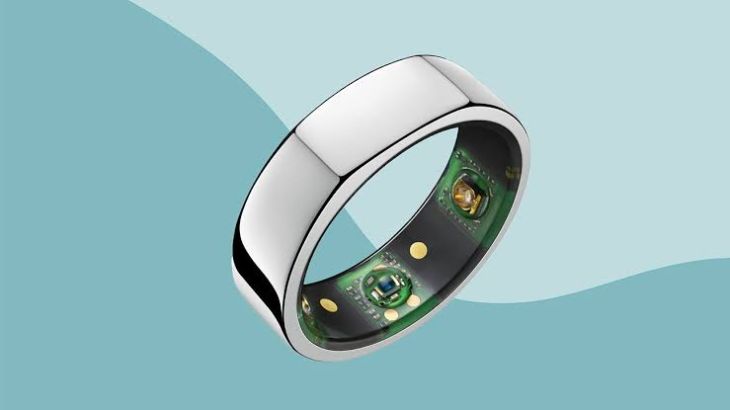
When choosing a sleep tracker, you should look for a device that fits naturally into your routine. This is where evaluating sleep wearables reveals a clear distinction between bulky smartwatches and elegant smart rings.
For many, wearing a thick plastic smartwatch to bed feels unnatural. They are heavy, they trap sweat, and they require daily charging. There is nothing more annoying than preparing for bed only to realize your watch is at 5% battery, forcing you to choose between charging it overnight or missing out on your data.
The screen-free smart ring format elegantly resolves these physical and operational pain points. Crafted from ultra-lightweight, medical-grade titanium, a smart ring is barely noticeable on your finger. With extended battery life, it only needs charging once or twice a week, allowing you to establish a continuous, unbroken baseline of sleep trends.
By removing the screen entirely, you experience the mental freedom of screen-free tracking benefits. There are no distracting notifications buzzing on your finger, no bright screens lighting up in the dark, and no temptation to endlessly scroll through your metrics at midnight. It allows you to build a healthy relationship with your body, using the companion app only when you are awake and ready to digest your daily score.
The Pitfall of Subscription Fatigue
Many modern health trackers require costly monthly subscriptions just to view your own biological data. This practice locks your sleep scores, HRV, and activity history behind a continuous paywall. At Mind Body Dan, we believe your health metrics belong to you.
The Herz P1 Smart Ring operates on a 100% subscription-free model. Buy the ring once, and you own your data forever.
When considering the accuracy of sleep trackers, the Herz P1 Smart Ring offers a highly reliable, non-intrusive solution. It features medical-grade PPG sensors that track your resting heart rate and Heart Rate Variability, paired with an onboard accelerometer to gauge your movement. Because it has no screen, its battery lasts for up to 7 days on a single charge.
Whether you are a busy professional trying to beat mid-afternoon brain fog, an athlete fine-tuning your cardiovascular recovery, or someone who simply wants to sleep through the night without waking up at 3 AM, the Herz P1 Smart Ring provides the precise, clear insights you need to take control of your well-being.
Disclaimer: Results may vary depending on individual physical activity levels, unique health conditions, and daily tracking patterns. This wearable device is designed to monitor trends and general wellness indicators and is not intended to substitute for professional medical advice, diagnosis, or treatment.
