

How to Keep Your Mattress Topper From Sliding for Restorative Sleep
Does your mattress topper shift constantly, causing sleep disruptions and morning brain fog? Physical misalignments cause subtle micro-arousals that ruin your deep sleep stages and lower your Heart Rate Variability (HRV). Learn how to keep your mattress topper from sliding and track your recovery naturally with the screen-free Herz P1 Smart Ring.
Take Back Your Sleep.
Take Back Your Life.
- Fall asleep faster & sleep deeper
- Stop waking up in the middle of the night
- Wake up refreshed & full of energy
Key Highlights of This Guide:
- Discover why a shifting mattress topper degrades your deep sleep architecture and spikes micro-arousals.
- Step-by-step instructions on how to keep your mattress topper from sliding using physics-based friction methods.
- How to use high-friction materials, tight sheet strategies, and non-slip pads to keep everything firmly in place.
- The link between physical sleep comfort and Heart Rate Variability (HRV) metrics.
- Why bulky smartwatches are counterproductive for sleep, and how the screen-free Herz P1 Smart Ring offers a better tracking solution.
The Physical Science of Sleep Disruptions: How to Keep Your Mattress Topper From Sliding

Have you ever woken up at 3 AM with your mind racing, your body uncomfortably twisted, and your sheets tangled around you? Often, we blame stress, caffeine, or digital screens for our poor sleep quality. However, a major hidden culprit is physical instability in our bed setup. When your mattress topper keeps sliding, your body is forced to constantly make micro-adjustments during the night. These subtle movements trigger micro-arousals—brief moments where you shift out of deep sleep into light sleep or wakefulness without even realizing it. These disruptions can prevent you from getting restorative sleep, leading to brain fog and exhaustion the next morning.
At Team Mind Body Dan, we focus on the intersection of physical comfort, environmental optimization, and biometric feedback. Understanding how to get mattress topper to stay in place is not just about making your bed look neat; it is a critical step in preserving your sleep architecture. Every time you roll over and the topper slips, your nervous system interprets that minor instability as a potential threat, elevating your heart rate and depressing your Heart Rate Variability (HRV).
Prerequisites: What You Need to Know Before Securing Your Topper
Before jumping into the fixes, it is important to analyze the factors causing the slip. Sliding is primarily caused by a lack of friction between two surfaces. Modern mattresses often use smooth, synthetic polyester covers that look elegant but offer very little grip. When you pair this with a memory foam or latex topper, you create a low-friction interface that easily shifts under your body weight.
To solve this issue, you need to understand the materials you are working with. Memory foam is heavy but flexible; latex is dense and bouncy; down or microfiber toppers are lightweight but easily clump and shift. Knowing how these materials interact with your bed is key to figuring out how to make a mattress topper stay in place.
Step-by-Step Execution Guide to Stop the Slide
Here is our comprehensive, step-by-step guide on how to keep your mattress topper from sliding. Follow these steps to transform your bed into a stable, restful surface.
- Clean and Clear the Mattress Surface: Remove all bedding, including sheets, protectors, and the topper itself. Vacuum your mattress cover thoroughly. Dust, lint, and loose fibers act like tiny ball bearings, reducing friction and causing sliding.
- Position a High-Quality Non-Slip Pad: Place a dedicated non-slip pad—similar to the rubberized mesh pads used under area rugs—directly on top of your mattress. For maximum safety, look for a pad made of 100% natural rubber or high-grip felt that is labeled safe for polyurethane and latex mattresses. This provides the grip needed to keep your topper secure.
- Layer Your Mattress Protector Carefully: If you use a mattress protector, consider placing it *over* the non-slip pad but *under* the topper, or over both. Positioning a textured cotton protector on top of your mattress creates a rougher surface that helps prevent slipping.
- Apply Sheet Straps (Sheet Suspenders): Elastic sheet straps are a highly effective tool for preventing mattress topper shifting. Clip these heavy-duty elastic bands diagonally across the corners of your bed, underneath the mattress, to clamp the topper down firmly.
- Encase with a Deep-Pocket Fitted Sheet: A loose fitted sheet allows the topper to wander. Use a tight-fitting, deep-pocket sheet that wraps completely under your mattress to hold all layers together.
Expert Sleep Insight: How Physical Peace Boosts HRV
When your bedding is secure, your body can fully relax into deep, non-rapid eye movement (NREM) sleep. During this phase, your parasympathetic nervous system takes over, allowing your heart rate to slow and your HRV to rise. Higher HRV is a key indicator of recovery and physical resilience. Tracking these subtle physiological changes can help you understand how your sleep environment impacts your overall health.
While physical adjustments to your bed are crucial, measuring their impact on your recovery is just as important. Traditional smartwatches can help, but many users find them bulky, uncomfortable to sleep in, and distracting due to bright screens and constant notifications. This is where a screen-free tracking method becomes invaluable.
The Herz P1 Smart Ring is a premium, titanium wearable designed specifically for screen-free health tracking. Built without a screen to prevent bedtime blue-light exposure, it monitors your sleep stages (Deep, REM, Light) and HRV with medical-grade accuracy. Unlike smartwatches that require daily charging, its lightweight design offers long battery life and sits comfortably on your finger, allowing you to easily track how stabilizing your bedding improves your overnight recovery.
Common Pitfalls & Mistakes
When figuring out how to keep your mattress topper from sliding, avoid these common mistakes:
- Using Duct Tape or Cheap Adhesives: These leave a sticky residue that can permanently damage memory foam and ruin your mattress cover.
- Over-tightening Sheet Suspenders: Excessive tension can compress the edges of soft latex or foam toppers, causing them to warp.
- Ignoring a Sagging Mattress Base: If your underlying mattress is sagging, no amount of strap-tightening will prevent sliding, as gravity will pull the topper toward the center dip.
Quick Checklist for Bed Stability
- [ ] Mattress vacuumed and free of dust.
- [ ] Grip pad placed between mattress and topper.
- [ ] Deep-pocket sheets fully tucked under the corners.
- [ ] Sheet straps attached and adjusted to moderate tension.
- [ ] No harsh chemical adhesives used.
By systematically addressing these issues, you can create a stable, restful sleep surface that keeps your body secure and comfortable all night long.
Step-by-Step Friction Solutions: How to Get Mattress Topper to Stay in Place
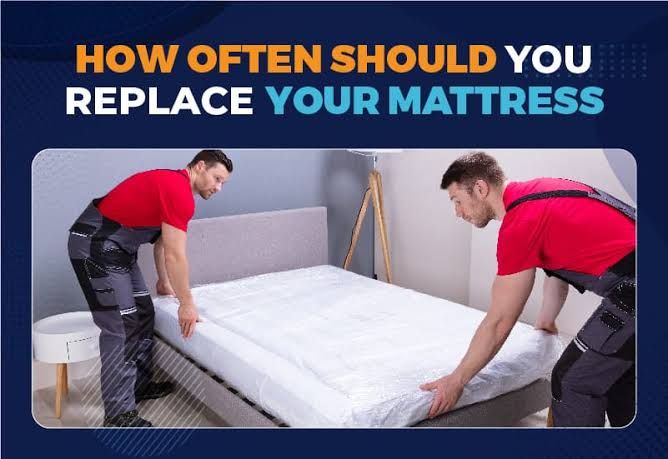
If you have ever had your mattress topper keeps sliding out of place over and over again, you know how frustrating it is. It ruins your sleep and leaves you feeling exhausted. To solve this, you need to understand the physics of kinetic friction. To get your topper to stay in place, you must increase the resistance between the slippery underside of your foam topper and the smooth surface of your mattress cover.
One of the best ways to build this physical barrier is the “Sandwich Method.” This approach layers different textures to lock your bedding in place. Start with your bare mattress, then lay down a rubberized gripper pad. On top of that, place your mattress protector, and then add your mattress topper. Secure everything with a deep-pocket fitted sheet to ensure stabilizing your bedding actually lasts throughout the night.
— Team Mind Body Dan
Let’s look at some of the most effective mechanical methods for how to get mattress topper to stay in place:
1. High-Grip Rubberized Rug Underlays
Using a high-quality rug pad is an inexpensive and highly effective way to keep your bedding in place. Choose a pad made from solid or breathable mesh rubber, cut it to match your bed size, and lay it flat under your topper. The millions of tiny rubber contact points create a strong physical lock that prevents sliding, even if you toss and turn.
2. Sheet Suspenders and Corner Straps
If you prefer not to place rubber directly on your mattress, sheet suspenders are an excellent alternative. These adjustable elastic bands clip to the corners of your bedsheet or directly to the topper cover, wrapping under the mattress to keep everything tightly secured.
3. Heavy-Duty Velcro Fasteners
For a more permanent fix, adhesive-backed Velcro strips can be applied to the corners of your mattress and the underside of your topper. This creates a secure connection while still allowing you to easily remove the topper for cleaning.
While physical modifications to your bed are a great start, the real test of their effectiveness is how they impact your body’s physiology. This is why many wellness enthusiasts use advanced biometric tracking to monitor their progress. By measuring your recovery metrics, you can see exactly how these adjustments improve your sleep quality.
Why Screen-Free Tracking Matters for Sleep
Many popular smartwatches have bright screens and buzz with notifications, which can disrupt your sleep and cause evening blue-light exposure. To get an accurate picture of your recovery, you need a distraction-free tracking method.
The titanium, screen-free Herz P1 Smart Ring offers a premium, subscription-free alternative. It sits comfortably on your finger and provides detailed insights into your Sleep Stages (REM, Deep, Light) and HRV without any subscription fatigue or hidden costs.
By using these friction-based methods to keep your bedding stable, you can prevent sleep disruptions and help your nervous system enter a deeper state of rest.
Advanced Structural Tweaks for When Your Mattress Topper Keeps Sliding
If your mattress topper keeps sliding despite using basic methods, you may need to look at more advanced structural solutions. To stop the movement, you must look at how your entire bed is set up, including the base, the mattress protector, and the sheets.
First, let’s look at the difference between a mattress pad and a mattress protector. While a mattress pad adds a thin layer of quilting, a high-quality cotton terry mattress protector offers a rougher, more high-friction surface. Swapping your slick synthetic protector for a textured cotton terry option is an easy and effective way to help how to make a mattress topper stay in place.
Another effective option is using safety pins. For heavy down-alternative or thick latex toppers, large curved safety pins (often called mattress pins) can be used to pin the corners of the topper directly to the seam of the mattress below. This provides a strong physical lock that keeps everything securely in place.
How Do Sleep Interruptions Impact Your Recovery Score?
Even if you don’t fully wake up, physical instability can cause micro-arousals that disrupt your sleep. This fragments your sleep architecture and lowers your overall Recovery Score. Stabilizing your mattress topper helps prevent these micro-arousals, leading to deeper, more restorative rest and a better Recovery Score in the morning.
By using these methods to secure your bedding, you can create a secure your topper setup that keeps you comfortable and helps prevent nighttime toss-and-turn.
As you improve your sleep environment, tracking your progress with biometric data can offer valuable insights. Rather than using bulky, battery-draining smartwatches that can disrupt your sleep, the screen-free, titanium Herz P1 Smart Ring provides a comfortable and elegant alternative. It tracks your Sleep Stages, HRV, and Daily Activity to help you see exactly how stabilizing your bedding improves your recovery—all without any subscription fees or screen distractions.
By making these simple environmental adjustments and monitoring your physiological response, you can optimize your sleep setup and enjoy deeper, more restorative rest every night.
Disclaimer: Results may vary depending on individual physical activity levels, unique health conditions, and daily tracking patterns. The content on Mind Body Dan is for informational purposes only and is not a substitute for professional medical advice, diagnosis, or treatment. Always consult with a qualified healthcare provider regarding any health concerns or before starting a new wellness routine.
