

7 Best Mattresses for Arthritis Joint Pain and Body Aches
Wake up at 3 AM with aching joints and a racing mind? A supportive bed is vital, but tracking your body’s true recovery requires precision. While finding the best mattress for arthritis alleviates physical strain, pairing it with the subscription-free Herz P1 Smart Ring lets you easily monitor sleep stages and HRV.
Take Back Your Sleep.
Take Back Your Life.
- Fall asleep faster & sleep deeper
- Stop waking up in the middle of the night
- Wake up refreshed & full of energy
Article Quick Navigation:
How We Choose the Best Mattress for Arthritis: Our Rigorous Evaluation Criteria

Finding the best mattress for arthritis requires looking past surface-level comfort. For individuals navigating the daily realities of osteoarthritis, rheumatoid arthritis, or general musculoskeletal aches, sleep can feel more like a battleground than a place of rest. Our team at Mind Body Dan evaluated dozens of models based on precise clinical and ergonomic standards to identify beds that truly reduce nocturnal discomfort and enhance your restorative sleep quality.
When selecting a mattress for joint pain, we focus on four primary pillars:
- Pressure Redistribution: A high-quality mattress must reduce localized pressure on sensitive zones like the shoulders, hips, and knees. Keeping peak pressures below 32 mmHg is essential to prevent micro-arousals and localized tissue strain.
- Spinal Alignment & Conformability: Whether you sleep on your side, back, or stomach, your spine must remain in a neutral line. This is particularly vital for finding beds that are good for back pain, as poor alignment places undue stress on deep spinal joints.
- Thermal Regulation: Heat retention can exacerbate systemic inflammation, which in turn intensifies joint discomfort. Highly breathable, phase-change materials or coil hybrid systems prevent heat traps.
- Responsive Dynamics: If a mattress is too soft, you may sink too deeply, making it difficult to change positions. A responsive sleep surface allows for effortless movement, which helps protect compromised joints from morning stiffness.
To help you compare your options at a glance, we have compiled our top selections below, including our recommended wearable recovery companion to track your body’s nightly response.
| Mattress / Device | Type | Best For | Primary Feature | Recovery Partner |
|---|---|---|---|---|
| Helix Midnight Luxe | Hybrid | Side Sleepers & Hips | Zoned lumbar support & plush pillow top | Herz P1 Compatible |
| WinkBed | Gel Hybrid | Back Pain & Heavy Build | Multi-zone coil system & robust edge support | Herz P1 Compatible |
| Saatva Classic | Innerspring | Easy Mobility & Seniors | Dual coil layers & active lumbar wire | Herz P1 Compatible |
| Nectar Premier Copper | Memory Foam | Deep Pressure Relief | Phase-change copper cooling fibers | Herz P1 Compatible |
| Birch Luxe Natural | Latex Hybrid | Eco-Conscious / Cool Sleep | Talalay latex & organic wool comfort | Herz P1 Compatible |
| Bear Elite Hybrid | Copper Hybrid | Active Recovery | Hand-tufted cooling cover & pocketed coils | Herz P1 Compatible |
| Herz P1 Smart Ring | Titanium Wearable | Recovery Tracking | Screen-free sleep stages & HRV tracking | Direct Biometric Feedback |
1. Helix Midnight Luxe: Best Mattress Overall for Side Sleepers
The Helix Midnight Luxe is our premier recommendation for side sleepers seeking the best mattress for arthritis. Side sleeping can concentrate your entire body weight onto your shoulder and hip joints. To manage this, the Midnight Luxe features a premium pillow top layered over responsive memory foam, which cradles these specific pressure points without letting them sink too far.
Beneath these comfort layers, zoned pocketed coils provide robust, targeted support under your lower back and hips. This ensures your spine remains neutrally aligned, reducing tension across your lower body. Additionally, the Tencel cover keeps the sleep surface cool, helping to reduce nighttime heat retention which can worsen joint inflammation.
- Strengths: Exceptional pressure relief for hips and shoulders; zoned lumbar support promotes alignment; excellent heat dissipation.
- Weaknesses: May feel slightly too soft for dedicated stomach sleepers who require a firmer surface.
- Ideal User: Side sleepers seeking targeted relief from hip and shoulder discomfort.
2. WinkBed: Best Mattress for Back Pain and Heavy Build
For individuals seeking reliable beds that are good for back pain, the WinkBed is a standout option. This hybrid model uses an advanced multi-zone coil system that is stiffer under the lower back and more yielding under the shoulders and hips. This zoned support helps prevent your midsection from sagging, protecting your lower back from strain.
The WinkBed is also an excellent mattress for body aches because of its supportive edge reinforcement. Strong outer coils prevent the common rolling-off feeling, giving you a stable surface across the entire bed. A plush Euro-pillow top cushioned with gel-infused foam helps soothe sensitive areas, making it easier to find a comfortable sleeping position.
- Strengths: Superior lumbar support; highly durable coil structure; robust edge support that makes getting in and out of bed easy.
- Weaknesses: High-profile design might require deep-pocket sheets; has a traditional springy feel that transfers a bit more motion than all-foam models.
- Ideal User: Back sleepers and heavier individuals who need strong lumbar support to ease morning back stiffness.
3. Saatva Classic: Best Innerspring for Joint Support and Mobility
For individuals with limited mobility or severe joint stiffness, moving around on a soft foam mattress can feel exhausting. The Saatva Classic offers a dual-innerspring design that provides a classic, buoyant feel. This responsiveness makes it easy to change positions without feeling “stuck” in the comfort layers, making it a stellar mattress for joint pain.
The Saatva Classic features a dedicated lumbar zone active wire and high-density memory foam in the center third of the bed. This design works to keep your spine properly aligned, helping to soothe minor back aches and joint stiffness. It is available in three firmness levels (Plush Soft, Luxury Firm, and Firm), allowing you to choose the exact level of support your body needs.
- Strengths: Outstanding edge support and mobility; dual-coil system offers excellent durability; complimentary white-glove delivery and setup.
- Weaknesses: Less hug-like contouring compared to memory foam mattresses; may transfer some movement if sleeping with a restless partner.
- Ideal User: Seniors or anyone with severe joint stiffness who values ease of movement and classic innerspring support.
4. Nectar Premier Copper: Best Memory Foam Mattress for Deep Pressure Relief
If you prefer the deep, contouring feel of memory foam, the Nectar Premier Copper is a fantastic choice. This model is engineered to provide deep pressure relief by contouring to your body’s natural curves. This makes it an effective mattress for body aches, as it cradles sensitive areas like the hips and shoulders while evenly distributing your body weight.
Traditional memory foam can sometimes trap heat, which is a drawback for hot sleepers. Nectar addresses this by weaving copper fibers directly into the top cover and using a phase-change material in the comfort transition layer. This technology helps pull heat away from your body, maintaining a comfortable sleeping temperature throughout the night.
- Strengths: Excellent motion isolation for couples; deep, pressure-relieving contouring; copper-infused cooling technology.
- Weaknesses: Lacks the quick-responding bounce of hybrid models, which may make changing positions slightly harder.
- Ideal User: Side and back sleepers who enjoy a classic memory foam feel and want to avoid morning pressure points.
5. Birch Luxe Natural: Best Eco-Friendly Latex for Natural Pressure Relief
The Birch Luxe Natural is an eco-conscious mattress made with organic materials, including Talalay latex, organic cotton, and breathable wool. Talalay latex has a unique, buoyant feel that lifts your body while offering natural pressure relief. This makes it a great choice for those seeking the best mattress for arthritis without relying on synthetic polyurethane foams.
The natural breathability of wool and latex helps regulate your body temperature, creating a cool and comfortable sleep environment. Below the organic latex comfort layer, individually wrapped steel coils provide targeted support, helping to maintain natural spinal alignment and prevent deeper sagging.
- Strengths: Made with certified organic and natural materials; highly breathable and naturally cool; resilient, buoyant support.
- Weaknesses: Stronger bounce means motion isolation is slightly lower than all-foam options; carries a higher price point due to premium materials.
- Ideal User: Eco-conscious sleepers who want a supportive, naturally cool hybrid mattress with a responsive feel.
6. Bear Elite Hybrid: Best Mattress for Active Recovery
The Bear Elite Hybrid is designed with active recovery in mind, making it a great option for athletes or anyone dealing with daily muscle and joint soreness. The cover is woven with specialized fibers designed to pull heat away from the body, helping to keep your sleeping temperature stable and comfortable.
Its comfort layers feature copper-infused memory foam, which contours to your shape to help ease pressure points. Below that, pocketed coils with zoned support provide firmer resistance under your midsection. This zoned design keeps your spine aligned, helping to reduce morning stiffness so you wake up feeling refreshed.
- Strengths: Excellent temperature regulation; targeted, zoned coil support; robust edge reinforcement.
- Weaknesses: May feel slightly too firm for lightweight side sleepers who prefer a very soft, plush feel.
- Ideal User: Individuals with active lifestyles who want a supportive hybrid bed to help manage daily joint and muscle stiffness.
7. Herz P1 Smart Ring: The Ultimate Screen-Free Sleep & Recovery Companion
While upgrading your bed is a crucial step to ease physical pressure, it is only one half of the recovery equation. To understand how your body is truly resting, you need clear insights into your sleep architecture. The Herz P1 Smart Ring is an elegant, subscription-free wearable that acts as your personalized sleep lab.
Unlike bulky smartwatches that can be uncomfortable to wear to bed, require daily charging, and disrupt your wind-down routine with glowing screens and constant notifications, this ultra-lightweight titanium ring sits comfortably on your finger. It uses medical-grade sensors to track your heart rate variability (HRV), resting heart rate, and body temperature. The ring translates complex biometric science into simple, actionable sleep and recovery metrics, allowing you to see if your new mattress is truly helping your body recover.
- Strengths: Completely subscription-free model; lightweight, durable titanium build; screen-free design prevents bedtime blue-light distractions; long-lasting battery life.
- Weaknesses: Does not have a screen (requires checking your daily metrics in the companion app); needs to be sized correctly using the included sizing kit.
- Ideal User: Anyone wanting to track sleep quality, HRV, and daily recovery without the distraction of screens or monthly subscription fees.
Quick Mattress Buying Tips for Joint Pain:
- Side Sleepers: Aim for a medium-soft to medium-firm feel (5 to 6.5 out of 10 on the firmness scale) to properly cushion hips and shoulders.
- Back and Stomach Sleepers: Choose a medium-firm to firm feel (6.5 to 8 out of 10) to keep your pelvis aligned and protect your lower back.
- Hybrid vs. Foam: Hybrids generally offer better airflow and make it easier to move, while all-foam mattresses provide a more contoured, motion-absorbing cradle.
If you’re having trouble deciding, here is a quick summary of our top recommendations:
- Helix Midnight Luxe is our top choice for side sleepers who need gentle pressure relief for hip and shoulder discomfort.
- WinkBed is ideal for back sleepers and individuals who need zoned lumbar support to help manage morning back stiffness.
- Saatva Classic is perfect for seniors or anyone with joint stiffness who values ease of movement and classic innerspring support.
The Hidden Link Between Joint Inflammation, Body Aches, and Your Sleep Stages
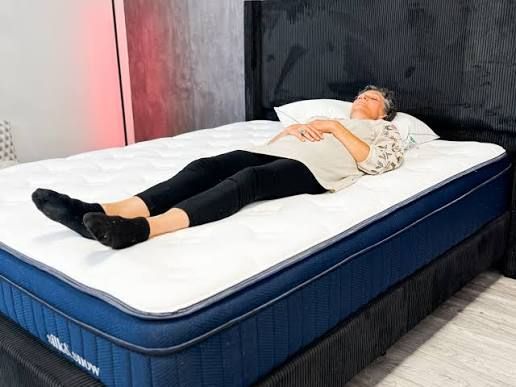
When you are managing chronic joint pain, sleep disruption isn’t just an annoyance—it can actively worsen how you feel. Joint discomfort and sleep quality have a closely linked, bi-directional relationship. Poor sleep can amplify your nervous system’s sensitivity to pain, while daytime aches can make it difficult to fall asleep, creating a challenging cycle to break.
During a normal night, your body cycles through deep sleep, light sleep, and REM (Rapid Eye Movement) stages. The deep sleep stage is particularly important for physical recovery. During deep sleep, your brain signals the release of growth hormones, which help rebuild tissues, soothe micro-tears, and manage systemic inflammation. This natural process is closely connected to your overall inflammation sleep recovery cycle.
When your sleep is interrupted, your body’s cortisol rhythm can become unbalanced. Cortisol is a natural anti-inflammatory hormone that follows a set circadian pattern, typically peaking in the early morning to help you wake up. When sleep is fragmented, cortisol levels can remain elevated late into the evening, which may increase joint inflammation and contribute to waking up with morning stiffness.
Using a supportive mattress helps keep your body comfortable, reducing the physical strain that causes these micro-arousals. By tracking your sleep quality with a wearable device, you can see if your sleep setup is helping you get the restorative rest your body needs to maintain a healthy circadian rhythm.
Optimizing Daily Recovery: Why Passive Bedding Isn’t Enough
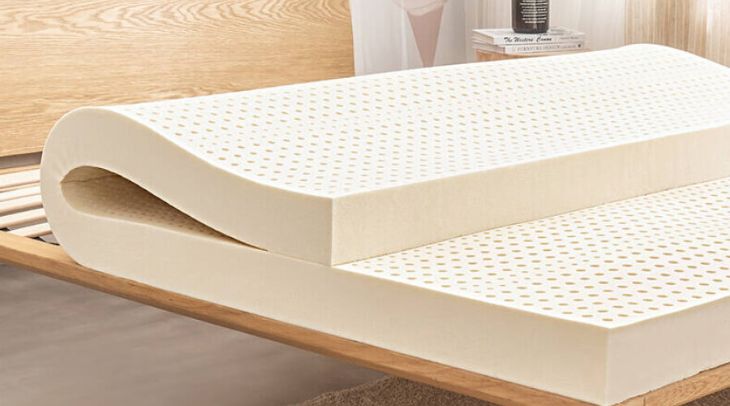
Many of us have experienced nights where we lay awake with a racing mind, unable to find a comfortable sleeping position. Over time, poor rest can lead to morning brain fog, fatigue, and relying on extra coffee just to get through the day. While choosing a supportive mattress is a great start, a bed alone cannot show you how well your body is actually recovering.
To truly understand your sleep, tracking your recovery metrics can be highly valuable. However, many smartwatches can be bulky to sleep in, require daily charging, and disrupt your wind-down routine with screens and notifications. Choosing a screen-free tracking option allows you to monitor your health metrics quietly in the background without bedtime distractions.
One of the most useful biometrics for tracking recovery is Heart Rate Variability (HRV). HRV measures the tiny variations in time between each heartbeat, which are controlled by your autonomic nervous system. When your body is rested and recovered, your parasympathetic nervous system (the “rest and digest” branch) is active, leading to a higher HRV. When you are managing physical discomfort, your sympathetic nervous system (the “fight or flight” branch) takes over, causing your HRV to drop.
By monitoring your hrv recovery trends alongside your deep, light, and REM sleep stages, you can gain a clear, data-informed view of how your lifestyle adjustments are working. This lets you see if your new mattress, sleep schedule, or evening routine is truly helping you wake up feeling refreshed and ready for the day.
Build Your Complete Nighttime Recovery Setup
Combining a pressure-relieving mattress with a lightweight, screen-free wearable gives you the tools you need to optimize your rest. Cradle your joints, track your heart rate variability and sleep stages naturally, and start waking up feeling truly restored.
Ultimately, managing joint discomfort and improving your sleep quality is a continuous process. By matching a supportive, spine-aligned mattress with clear, screen-free biometric tracking, you can make informed adjustments to your routine and take a proactive approach to your daily recovery.
Disclaimer: Results may vary depending on individual physical activity levels, unique health conditions, and daily tracking patterns. The content on this page is for informational and educational purposes only and is not intended as medical advice. Always consult with a qualified healthcare professional before making changes to your health regimen, sleep setup, or physical therapies.
