

Is Insomnia a Mental Illness or a Sleep Disorder? The Biometric Connection
When sleepless nights leave you physically exhausted and mentally drained, you might wonder: is insomnia a mental illness or a physical sleep disorder? At Mind Body Dan, we cut through the confusion using science-backed biometrics. Discover how tracking your recovery with the screen-free Herz P1 Smart Ring helps calm your mind.
Take Back Your Sleep.
Take Back Your Life.
- Fall asleep faster & sleep deeper
- Stop waking up in the middle of the night
- Wake up refreshed & full of energy
Key Highlights
- The Intersection of Mind and Body: Unpacking why chronic insomnia behaves like both a physical sleep-wake cycle disorder and a psychological stress response.
- Autonomic Nervous System Indicators: How Heart Rate Variability (HRV) serves as an objective, physical metric of nighttime hyperarousal.
- The Vicious Cycle of Sleep Loss: Understanding the connection between 3 AM awakenings, daytime brain fog, and psychological burnout.
- Screen-Free Recovery Support: Why bulky, glowing smartwatches might aggravate sleep anxiety and how a screen-free smart ring offers an elegant alternative.
Is Insomnia a Mental Illness? The Psychological and Physical Reality
Quick Answer
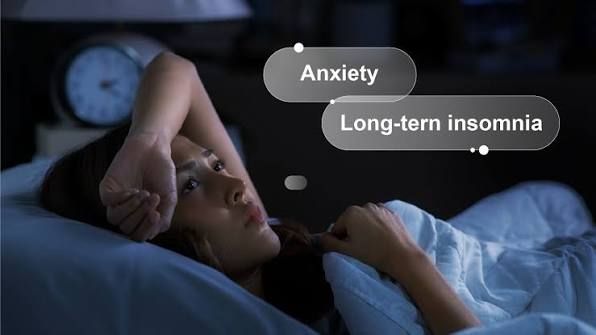
The relationship between physical sleep disruption and mental stress is bidirectional. The short answer is that clinical consensus classifies insomnia as a sleep-wake disorder, not a primary psychiatric disease. However, to choose the right wellness practices and tracking tools, you must understand how a racing mind and physical hyperarousal work together to disrupt your recovery.
Detailed Explanation
When exploring the complex question, “is insomnia a mental illness”, it is helpful to look at how modern clinical manuals categorize the condition. The Diagnostic and Statistical Manual of Mental Disorders (DSM-5) lists chronic insomnia under sleep-wake disorders. This classification recognizes that sleep disturbances are often a primary physical issue, rather than just a side effect of psychiatric conditions. Yet, because a racing mind at bedtime is so deeply linked with conditions like anxiety and depression, people frequently ask: is insomnia a mental disorder?
The truth is that an insomniac person is usually experiencing a state of psychophysiological hyperarousal. This means your brain and body are stuck in a high-alert state when they should be resting. When you lie awake at 3 AM with your thoughts spinning, your sympathetic nervous system—responsible for the “fight-or-flight” response—is active. This physiological stress makes the distinction of whether is insomnia a mental illness less important than addressing how the mind and body interact.
When we investigate if is insomnia a mental illness, we also have to consider the long-term impact on our daily life. Chronic sleep loss compromises the brain’s emotional center, the amygdala. This can lead to daytime brain fog, emotional irritability, and a reliance on bad habits, such as consuming excessive caffeine during the day or alcohol before bed. While it differs from other sleep challenges like obstructive sleep apnea, chronic insomnia shares many of the same physical markers of daytime exhaustion and reduced mental focus.
Therefore, asking is insomnia a mental illness reveals that sleep deprivation is rarely just a physical or psychological issue on its own. It is a combined loop of mental stress triggering physical tension, and physical exhaustion leading to more mental vulnerability. This is why addressing insomnia is about calming both your neurological state and your cardiovascular rhythm.
When to Use Biometric Tools vs. Clinical Care
If your sleeplessness is driven by a hectic lifestyle, high daily stress, or minor routine shifts, using non-invasive tracking tools to monitor your sleep architecture can provide valuable insights. On the other hand, if your sleeplessness is accompanied by deep clinical depression, persistent panic attacks, or severe trauma, it is important to consult a healthcare professional. Understanding whether is insomnia a mental illness in your specific case helps you decide when to seek therapeutic support alongside tracking your metrics.
Suggested Solutions
To break the cycle of non-restorative sleep, our team at Mind Body Dan suggests creating a calming evening environment and using comfortable, screen-free tracking methods. Many traditional smartwatches are bulky and emit blue light when you move at night, which can disrupt sleep.
An elegant, lightweight titanium ring like the **Herz P1 Smart Ring** offers an unobtrusive way to monitor your resting heart rate, sleep stages (Deep, REM, Light), and Heart Rate Variability (HRV). This screen-free option helps you gather accurate sleep trends without the added screen time or subscription fees.
Frequently Asked Questions
Q: Is insomnia a physical disorder or a mental illness?
A: Clinical manuals classify chronic insomnia as a sleep-wake disorder. However, it is closely linked with psychological factors like anxiety and chronic stress, creating a bidirectional relationship between the mind and body.
Q: Can chronic insomnia lead to other mental health concerns?
A: Yes, ongoing sleep deprivation can impair emotional regulation, which may increase the risk of mood disorders, anxiety, and heightened stress levels over time.
Q: How do biometric sensors help with sleeplessness?
A: By tracking trends in heart rate, HRV, and sleep stages, biometric sensors help you understand how your body responds to daytime stress and lifestyle changes, without the need for clinical testing.
The Physiology of the Insomniac Person: What Biometrics Can Reveal

Decoding Autonomic Balance Through HRV and Sleep Stages
To move beyond subjective feelings of tiredness, we must look at what is happening inside the autonomic nervous system. When a person is stuck in a pattern of poor sleep, their biometric data often reveals a high resting heart rate and a low Heart Rate Variability (HRV). Rather than worrying about whether is insomnia a mental illness, observing these physical metrics helps clarify why your sleep feels non-restorative.
Advanced sensors, like those in modern wearables, can perform heart rate monitoring to track micro-fluctuations in your cardiovascular system during the night. These trends show how your parasympathetic system (your “rest-and-digest” response) is performing. If you lie awake with a racing mind, your body is unable to transition into deeper sleep phases, resulting in a low recovery score the next day.
Analyzing your sleep architecture can help you spot these patterns:
- Deep Sleep: This is the physical recovery phase. During deep sleep, your body repairs muscle tissue, supports immune function, and recovers from physical exertion.
- REM Sleep: This is the emotional and mental recovery phase. During REM, your brain processes experiences, supports memory consolidation, and clears metabolic waste.
- Light Sleep: This is the transition phase. It helps guide your body between deeper stages of sleep and awake states.
An insomniac person often spends too much time in light sleep, missing out on the deeper, restorative phases of deep and REM sleep. This physical deficit explains why you can spend eight hours in bed but still wake up with daytime fatigue and brain fog. Rather than categorizing your experience by asking if is insomnia a mental disorder, focusing on sleep architecture helps you see exactly where your rest is being interrupted.
- Saves Your Melatonin: No bright screen on your wrist means less risk of sleep-disrupting blue light exposure during the night.
- Unobtrusive Comfort: An ultra-lightweight titanium ring is comfortable to sleep in, unlike heavy, bulky smartwatches.
- Focuses on Long-Term Trends: Translates complex heart rate and movement data into a simple Daily Recovery Score.
- Subscription-Free Ownership: Get full access to your biometric trends without ongoing monthly costs.
When investigating whether is insomnia a mental illness, clinical research points to the role of stress hormones like cortisol. Normally, cortisol levels drop in the evening to allow melatonin to rise. For an insomniac person, cortisol can remain elevated, keeping the heart rate up and preventing high-quality deep sleep. By tracking these physiological trends, you can make lifestyle adjustments that help ease your nervous system into a relaxed state before bed.
Reclaiming Your Recovery: How to Break the Cycle of Non-Restorative Sleep

Shifting Focus from Sleep Anxiety to Data-Informed Trends
Reclaiming your sleep is not about achieving perfect numbers every night. Trying to force yourself to fall asleep can increase physical tension and elevate your heart rate, which only makes sleep more elusive. Instead of worrying if is insomnia a mental illness, focus on tracking your weekly and monthly trend lines. This perspective shifts your approach from nightly frustration to long-term health tracking.
To support your recovery, you can adopt constructive daily habits:
- Consistent Sleep Window: Going to bed and waking up at the same time helps support your body’s natural circadian rhythm.
- Evening Wind-Down: Spend 30 to 60 minutes before bed away from digital screens to help calm your nervous system.
- Mindful Stimulant Use: Limit caffeine and heavy meals in the late afternoon to prevent elevated nighttime heart rates.
- Gentle Movement: Regular, moderate exercise can help lower stress hormones and encourage deeper sleep phases.
For an insomniac person, keeping a written sleep journal can be helpful, but it remains subjective. Combining self-reflection with objective biometric data gives you a clearer picture of your habits. For example, you might observe how an evening relaxation practice correlates with improved HRV trends and deeper sleep phases over time.
Unlock Screen-Free Sleep Insights
Are you ready to track your recovery trends without the distraction of notifications or bright screens? The Herz P1 Smart Ring offers a premium, titanium design with zero subscription fees, making it simple to monitor your HRV, sleep stages, and daily energy levels.
To answer whether is insomnia a mental illness, we see that it sits at the crossroads of your mental state and physical wellness. This means supporting your rest requires a comprehensive approach. Practicing reliable sleep hygiene helps prepare your environment, while screen-free biometric tracking acts as an objective guide. By monitoring your physiological responses, you can make informed choices to find a routine that works for your body.
Viewing your sleep patterns through daily biometrics allows you to focus on your recovery trends rather than nightly frustrations. When you shift your perspective from trying to fix a clinical issue to monitoring your physical rhythms, you can rebuild your relationship with sleep and enjoy more energetic, productive days.
— Team Mind Body Dan
Disclaimer: Results may vary depending on individual physical activity levels, unique health conditions, and daily tracking patterns. The content on Mind Body Dan is for informational and educational purposes only and is not a substitute for professional medical advice, diagnosis, or treatment.
