

Many health-conscious individuals are asking: is dexcom stelo available over the counter to help manage metabolic wellness without a prescription? The answer is a resounding yes, marking a massive shift in how we track blood sugar levels today. While tools like the Herz P1 Smart Ring monitor your 24/7 cardiovascular trends, heart rate variability, and sleep architecture, combining them with a non-prescription glucose tracker can elevate your metabolic health and stress management strategy to the next level.
Built to Last. Save Up to 69% Today.
The Herz P1 Smart Ring tracks HRV, Sleep, Heart Rate & SpO2 around the clock. No subscriptions. No renewals. Ever.
In This Article
- Discover the official over-the-counter availability of the Dexcom Stelo biosensor.
- Learn how to obtain this innovative glucose monitor online without a traditional prescription.
- Explore the deep physiological connections between glucose stability, sleep architecture, and stress levels.
- Understand the critical role of heart rate variability and blood oxygen saturation in metabolic health.
- Compare chemical biosensors with non-subscription wearable tracking rings like the Herz P1.
Is Dexcom Stelo Available Over the Counter? The 5W2H Blueprint
To fully grasp the current landscape of wearable health technology, we must examine the breakthrough release of the stelo glucose biosensor.
This section breaks down everything you need to know about purchasing this over-the-counter device using the structured 5W2H clinical and practical framework.
What is the Dexcom Stelo Glucose Biosensor?
The Dexcom Stelo is a specialized over the counter glucose biosensor designed to continuously track blood sugar levels.
It represents the first continuous glucose monitor (CGM) cleared by the FDA for purchase without a medical prescription.
The device features a small, wearable patch that sits on the back of your upper arm to capture biological metrics.
By measuring glucose levels constantly, it helps individuals identify patterns and gain immediate feedback on how food and habits affect their bodies.
Who is this Device Intended For?
This over-the-counter sensor is primarily designed for adults aged 18 and older who do not use insulin.
It is highly beneficial for people managing type 2 diabetes with oral medications or lifestyle modifications.
Additionally, it serves individuals with prediabetes or those who are simply interested in optimizing their metabolic health.
Because it is not designed for managing severe hypoglycemia, those with type 1 diabetes should continue to use prescribed clinical systems.
When was Stelo Approved and Launched?
The FDA granted official clearance for this continuous biosensor in early 2024, marking a historic regulatory milestone.
Following this milestone, the commercial launch made the device widely accessible to the public in late summer of 2024.
This timing aligned with a growing global interest in preventative medicine and actionable consumer bio-tracking.
Health-conscious consumers no longer need to wait for clinical diagnoses or doctor visits to start monitoring their internal metabolic responses.
Where can you Purchase the Stelo Biosensor?
If you are looking at how to get stelo glucose monitor systems, you do not need to visit a traditional pharmacy counter.
The primary point of sale is the official online store hosted by the manufacturer, which handles direct-to-consumer shipping.
It is also becoming increasingly available through major online health retailers and selective wellness pharmacies.
Because it is categorized as an over-the-counter product, you can order it online at any time from the comfort of your home.
Why did the Regulatory Landscape Shift to Allow Over-the-Counter Sales?
The shift was driven by a collective medical realization that metabolic health is deeply linked to chronic lifestyle diseases.
Organizations like the American Heart Association emphasize that early identification of insulin resistance can prevent severe future complications.
Allowing consumers to purchase these tools directly lowers the barrier to entry for self-directed health optimization.
By demystifying glycemic responses, public health groups hope to reduce the global burden of lifestyle-driven metabolic conditions.
How does the Sensor Read and Track Your Glucose Trends?
The device uses a very flexible, microscopic wire filament inserted just underneath the skin during a painless self-application.
This tiny filament measures glucose concentration within the interstitial fluid, which is the thin layer of fluid surrounding your body cells.
The data is then transmitted via Bluetooth to a dedicated stelo app on your smartphone.
The application converts these chemical readings into easy-to-read trend lines and glycemic variability charts updated automatically.
How Much does the Device Cost and What are the Wearable Limits?
The financial commitment involves purchasing a recurring supply of sensors, as each individual patch is designed to last up to 15 days.
A standard two-pack, which provides a continuous 30-day monitoring window, is priced at approximately $89 for a one-time purchase.
The manufacturer also offers a flexible subscription model that lowers the ongoing cost to around $99 per month for continuous wear.
While this is more affordable than traditional prescription CGMs, the annual cost still ranges from $1,000 to $1,200 out of pocket.
A Complete Companion Strategy for Your Biological Data
While tracking your glycemic fluctuations is extremely valuable, chemical biomarkers represent only one piece of your health puzzle.
A comprehensive approach requires pairing chemical biosensors with continuous cardiovascular, sleep, and recovery tracking.
If you want to track this in real-time, the Herz P1 Smart Ring monitors cardiovascular metrics and stress levels 24/7 — explore it here.
The Relationship Between Glucose Stability, Autonomic Resilience, and Sleep Architecture
Biomedical research continuously confirms that our bodies operate as highly integrated, complex biological networks.
What happens in your bloodstream during dinner has massive implications for your autonomic nervous system when your head hits the pillow.
Understanding these biological feedback loops is essential to mastering proactive wellness.
How Blood Sugar Spikes Impact Sleep Quality
Consuming high-glycemic meals or sugary snacks late in the evening triggers a rapid rise in blood sugar levels.
In response, your pancreas releases a large surge of insulin to clear this excess glucose from your bloodstream.
This intense physiological process often leads to a sudden drop in glucose, known as reactive hypoglycemia, during the middle of the night.
When glucose falls too quickly, your brain senses an emergency and triggers the release of stress hormones like cortisol and adrenaline.
According to research from the National Sleep Foundation, this sudden hormonal surge activates the sympathetic nervous system.
As a result, you are abruptly pulled out of deep, restorative sleep stages and into light sleep or awake states.
Many people wake up around 2:00 AM or 3:00 AM with a racing mind, completely unaware that a sudden dip in blood sugar caused the awakening.
The Physiological Mechanics of Heart Rate Variability and Autonomic Balance
Heart Rate Variability, or HRV, measures the millisecond-by-millisecond fluctuations between your consecutive heartbeats.
A high HRV score indicates a flexible, resilient autonomic nervous system capable of moving easily between stress and recovery.
Conversely, a low HRV score signal that your body is locked in a state of sympathetic stress, also known as the “fight-or-flight” response.
Clinical data shows that prolonged periods of elevated blood sugar directly suppress HRV, indicating systemic physical stress.
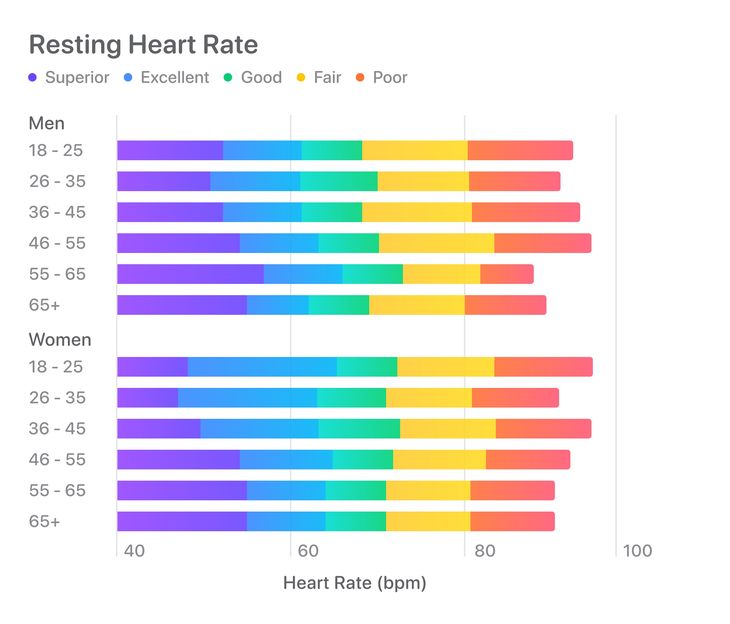
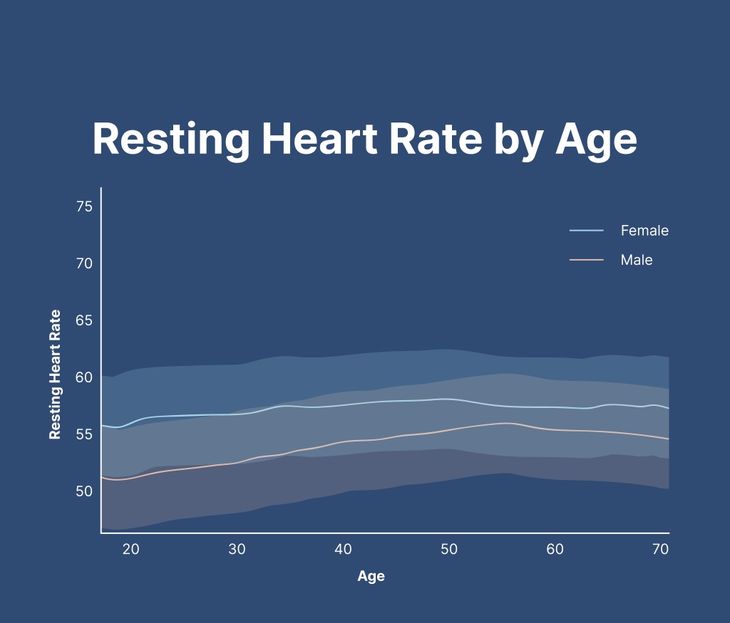
When your autonomic nervous system is stressed, your resting heart rate remains elevated and fails to reach its lowest, most restorative point early in the night.
Monitoring these trends over time helps you see how chronic dietary stress degrades your cardiac recovery and long-term autonomic health.
Tracking Overnight Blood Oxygen Saturation for Sleep Health
Your blood oxygen saturation, measured as SpO2, is another critical vital sign that fluctuates during the night.
Sustained drops in blood oxygen levels during sleep can indicate shallow breathing or mild respiratory interruptions.
These temporary drops in oxygen intake trigger an immediate stress response, causing cortisol levels to spike and blood sugar to rise.
This biological reaction creates a frustrating cycle: poor breathing disrupts sleep, which raises stress hormones and elevates morning glucose levels.
By tracking SpO2 alongside your deep and REM sleep stages, you can identify hidden disruptions that affect your daytime energy and metabolic health.
The Herz P1 Smart Ring continuously captures these crucial overnight metrics, providing the precise data you need to optimize your recovery.
Comparing Chemical Biosensors and Smart Rings for Comprehensive Health Optimization
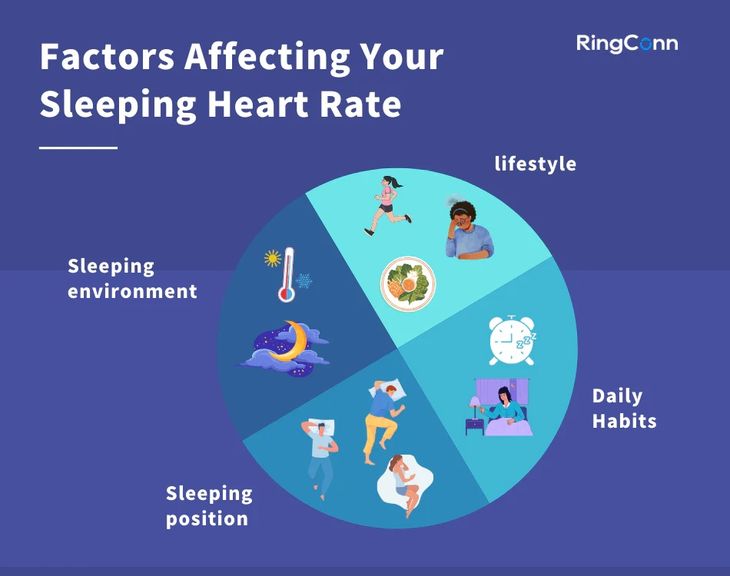
When designing a personal tracking ecosystem, you must evaluate the practical differences between invasive chemical biosensors and optical smart rings.
While some consumers search for a single continuous glucose monitor ring, true metabolic and hemodynamic monitoring requires a dual-device approach.
Let us compare how these different technologies read your body and fit into your daily life.
The Practical Realities of Wearing a Glucose Sensor Patch
A continuous glucose monitor utilizes an enzymatic electrochemical sensor that must physically penetrate the skin barrier.
While the initial application is generally painless, wearing an adhesive patch continuously for 15 days comes with practical challenges.
Daily activities like showering, swimming, or intense workouts can cause the adhesive to peel off prematurely.
Many users also experience mild skin irritation, itching, or redness from the strong adhesive backing.
Furthermore, because the sensor sits on the back of the arm, it is easily caught on doorframes or pulled off during tight clothing changes.
These physical factors mean that maintaining a CGM patch requires constant care, attention, and regular replacement costs.
The Comfort and Durability of the Herz P1 Smart Ring
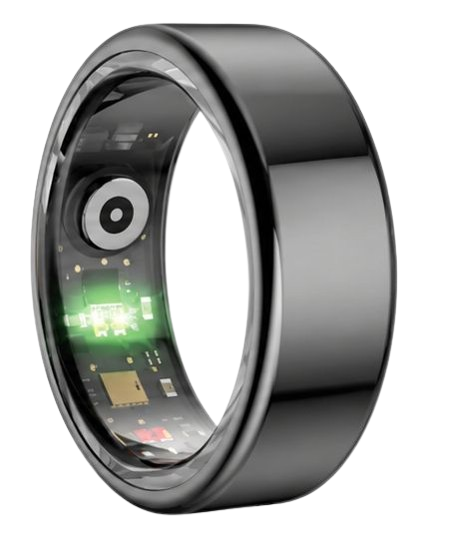
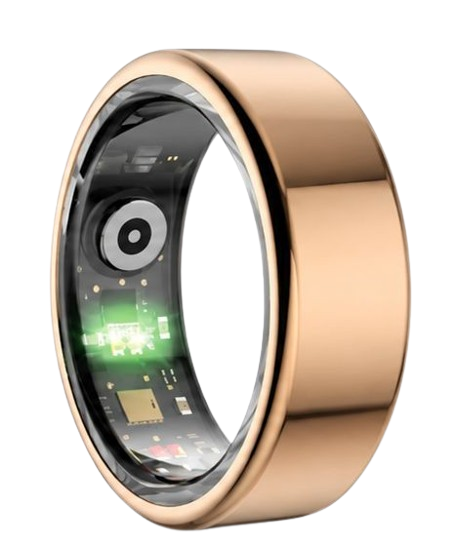
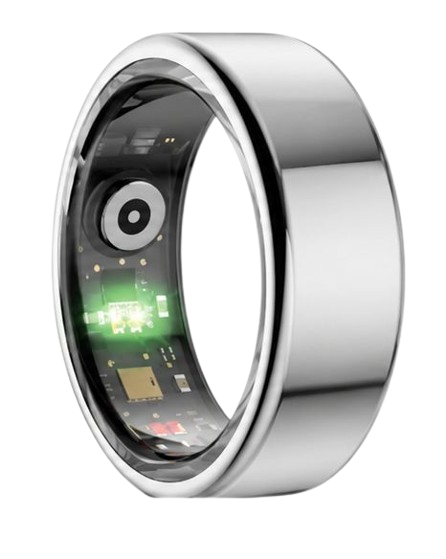
In contrast to adhesive patches, the Herz P1 Smart Ring offers a completely non-invasive, highly durable tracking solution.
Constructed with military-grade steel, it is built to withstand the rigors of heavy workouts and busy daily life.
The ring is completely waterproof up to 164 feet, allowing you to swim, shower, or wash dishes without ever taking it off.
Because it weighs only a few grams, it is exceptionally comfortable to wear 24/7, even during sleep when bulky wrist devices feel restrictive.
The ring uses advanced optical sensors that glide comfortably over your skin, capturing rich health data without needles or adhesives.
With its long-lasting 6-day battery and zero-hassle design, the Herz P1 provides a seamless, stress-free tracking experience.
Feature Comparison: Glucose CGM vs. Biometric Smart Ring
| Metric/Feature | Continuous Glucose Monitor (CGM) | Herz P1 Smart Ring |
|---|---|---|
| Sensor Type | Invasive enzymatic wire (interstitial) | Non-invasive optical PPG & temperature sensors |
| Primary Data Points | Real-time chemical glucose trends | HRV, SpO2, Sleep Stages, Heart Rate, Stress, Temp |
| Wearability Duration | 10 to 15 days per single-use patch | Permanent, reusable hardware with 6-day battery |
| Water Protection | Water-resistant (prone to adhesive peeling) | IP68 Waterproof (submersible up to 164 feet) |
| Ongoing Fees | Significant recurring monthly sensor costs | Zero monthly subscription fees (Free App Lifetime) |
Practical Strategies to Optimize Your Metabolic and Cardiovascular Health
Gathering health data is only valuable if you know how to turn those numbers into meaningful, health-promoting habits.
By viewing your glucose trends alongside your HRV and sleep data, you can build a highly customized wellness routine.
Here are several practical strategies to help you optimize your daily metabolic and cardiovascular health.
Timing Your Evening Meals to Protect Your Sleep Architecture
One of the most effective habits you can build is finishing your last meal at least three hours before going to bed.
Using a glucose monitor helps you visualize how late-night snacks keep your blood sugar elevated long after you fall asleep.
When you eat late, your digestive system is forced to work during a time designed for deep cellular recovery.
This cellular work keeps your resting heart rate elevated and prevents your nervous system from transitioning into deep, restorative sleep.
By checking your sleep stages on the Herz P1 App, you can see how early, lighter meals lead to longer, higher-quality deep sleep cycles.
Using Your Readiness Score to Guide Your Daily Exercise Intensity
Your body’s capacity to handle physical stress fluctuates daily based on your sleep quality and accumulated fatigue.
The Herz P1 App calculates a daily Readiness Score by analyzing your overnight HRV, resting heart rate, and skin temperature trends.
On days when your Readiness Score is high, your nervous system is primed for high-intensity training or demanding mental projects.
If your Readiness Score is low, it indicates that your body is still recovering and needs a gentler, low-intensity active recovery day.
Paying close attention to this score helps you avoid the common trap of overtraining, which can stall your progress and lower metabolic function.
Tracking Glycemic Variability Through Simple Exercise Habits
Glycemic variability refers to the speed and height of your blood sugar spikes and drops throughout the day.
A simple, highly effective way to stabilize your blood sugar is taking a brisk, 10-minute walk immediately after major meals.
Light muscle contraction pulls glucose directly from your bloodstream to use as energy, reducing the size of insulin spikes.
Over time, these brief walks improve your insulin sensitivity and make it much easier to maintain stable, balanced energy levels.
Combining post-meal walks with continuous health tracking allows you to see the immediate, positive impact of simple movement habits.
Overcoming Common Wearable Pitfalls: Heavy Watches vs. Seamless Tracking
Many people struggle to maintain healthy lifestyle habits because their wearable tracking devices are uncomfortable or frustrating to use.
Bulky smartwatches, continuous charging demands, and expensive paywalls often lead users to abandon their health goals.
Let us look at how choosing the right device design can help you overcome these common obstacles.
The Discomfort of Bulky Smartwatches During Sleep
To get a complete picture of your health, you must track your recovery while you sleep.
Unfortunately, wearing a heavy, bulky smartwatch to bed is uncomfortable and can disrupt your natural sleep patterns.
Furthermore, if you move or turn over during the night, large watches can shift on your wrist, creating gaps in data collection.
These fit issues often result in incomplete or inaccurate sleep stage readings and heart rate metrics.
A lightweight smart ring resolves this issue by sitting securely and comfortably at the base of your finger, providing continuous accuracy all night long.
Eliminating Daily Battery Anxiety and Disconnection
Many smartwatches require daily charging, forcing you to choose between tracking your daytime steps or your overnight sleep.
When a device is constantly on its charger, you lose the continuous data trends needed to understand your body’s overall health.
The Herz P1 Smart Ring features a highly optimized battery that provides 6 full days of continuous tracking on a single charge.
Because it charges in under an hour, you can quickly top it up while taking a shower, ensuring you never miss a minute of data.
This exceptional battery life means you can focus on your wellness goals without constant low-battery notifications.
Avoiding the Hidden Costs of Monthly Wearable Subscriptions
Many modern health tech brands lock your personal health insights behind expensive monthly paywalls.
Paying a subscription fee just to see your sleep history or recovery trends can feel like a frustrating ongoing penalty.
We believe that you should always have full, unrestricted access to your own biological data.
The Herz P1 Smart Ring comes with a lifetime free app, ensuring you never have to pay a monthly fee to view your metrics.
With high-quality hardware and clear, open data access, you can focus entirely on your long-term health journey without hidden costs.
Frequently Asked Questions About Wearable Health Tech
Is the Herz P1 Smart Ring waterproof?
Yes, the Herz P1 Smart Ring features a robust IP68 waterproof rating, certifying it for submersion up to 164 feet.
You can wear it with complete confidence while swimming laps, taking a shower, washing your hands, or sweating during intense workouts.
The seamless, solid outer shell protects the inner optical sensors from moisture, ensuring high performance in all daily conditions.
How long does the Herz P1 battery last, and how long does it take to charge?
The Herz P1 provides up to 6 days of continuous 24/7 monitoring on a single charge.
When the battery is low, it charges from 0% to 100% in under 1 hour using its compact magnetic charging dock.
This rapid charging and long-lasting battery life make it easy to maintain continuous, gap-free tracking day and night.
Which finger is best to wear the Herz P1 Smart Ring on?
For the highest optical signal quality, we recommend wearing the Herz P1 on your index, middle, or ring finger.
The blood vessels near the surface of these fingers are highly accessible, allowing the PPG sensors to take clear, consistent readings.
Choose the finger that offers a secure, comfortable fit without sliding or squeezing, ensuring the sensors stay in light contact with your skin.
Does the Herz P1 store health data offline?
Yes, the Herz P1 Smart Ring features onboard memory that stores up to 7 days of complete biometric data offline.
If you travel, leave your phone in another room, or run out of battery on your mobile device, your health trends remain completely safe.
As soon as you open the app and reconnect via Bluetooth, the ring automatically syncs all stored data to your secure dashboard.
How often does Stelo check glucose?
If you are exploring the technical specifications, you might wonder how often does stelo check glucose during the day.
The Stelo biosensor measures and updates your glucose levels automatically every 15 minutes, transmitting that data directly to your smartphone.
This regular sampling interval provides a clear, detailed trend line that helps you easily track your glycemic patterns over time.
What is the Stelo return policy if the device does not fit my lifestyle?
Before purchasing, it is wise to review the stelo return policy to understand your options.
Generally, unused and unopened sensor kits can be returned within 30 days of purchase, though return fees may apply.
Once a sensor patch is opened and applied to your skin, it cannot be returned for a refund due to clear medical safety guidelines.
90-Day 100% Money-Back Guarantee
“The Herz Smart Ring helps me manage stress easily. It’s accurate, stylish, and lightweight—perfect for my busy life!”
— Jennifer P. | ✔ Verified Customer
- ✓ 6-Day Battery Life
- ✓ Detailed Sleep Analysis
- ✓ Fast 1-Hour Charging
- ✓ iOS & Android Ready
Questions? Call: 1-866-479-1629
Conclusion: Empower Your Journey with Subscription-Free Tracking
Monitoring metabolic and systemic biomarkers is the foundation of long-term health optimization.
Ready to monitor your health every day? Explore the Herz P1 Smart Ring and see if it fits your lifestyle. Call: 1-866-479-1629 — our team can help you advise on the correct ring size and set personalized health goals.
Note: Individual results may vary depending on individual health conditions, age, and lifestyle habits. This article is intended for general health reference purposes only.
