

Does Medicare Cover CPAP Cleaning Machines and Supplies? What You Must Know
Navigating sleep apnea treatment can feel overwhelming, especially when trying to understand insurance policies. While sanitizing your equipment is vital to prevent bacterial growth, does medicare cover cpap cleaning machines? Our team explores Medicare’s strict guidelines and explains how a screen-free Herz P1 Smart Ring helps track the deep, restorative recovery your therapy is meant to deliver.
Take Back Your Sleep.
Take Back Your Life.
- Fall asleep faster & sleep deeper
- Stop waking up in the middle of the night
- Wake up refreshed & full of energy
Article Highlights:
- Medicare Coverage Verdict: Medicare does not cover automated CPAP cleaning machines (like ozone or UV sanitizers), classifying them as “convenience items.”
- Covered CPAP Supplies: Medicare Part B covers essential replacement items like masks, filters, tubing, and headgear under standard schedules.
- FDA Stance & Cleanliness: The FDA has not cleared automated sanitizers; manual cleaning with mild soap and warm water remains the gold standard.
- Therapy Compliance: Success with CPAP is monitored strictly via compliance guidelines (4+ hours of use nightly).
- Holistic Recovery Tracking: Devices like the screen-free Herz P1 Smart Ring can help track whether your CPAP use is genuinely improving your deep sleep architecture and cardiovascular recovery.
Does Medicare Cover CPAP Cleaning Machines? The Definitive Verdict
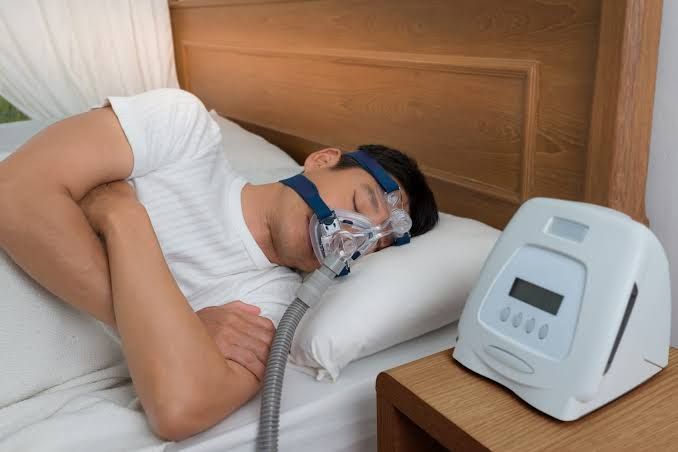
Quick Answer: No, Medicare does not cover CPAP cleaning machines. The short answer is that while Medicare provides robust coverage for the CPAP machine itself and its essential replacement parts, it classifies automated cleaning systems as “not medically necessary.” To choose the right approach, you must understand how Medicare distinguishes between therapeutic necessities and convenient accessories, and how this affects your out-of-pocket costs.
Managing sleep apnea symptoms is a deeply personal journey. If you have ever experienced the frustration of waking up at 3 AM with a racing mind, checking your CPAP mask, and wondering if you are even receiving clean, therapeutic air, you are not alone. It is easy to see why automated sanitizers are so popular. However, from a policy perspective, a medicare cpap cleaner is considered a convenience. Under Medicare Part B, Durable Medical Equipment (DME) coverage is reserved for tools that directly treat a medical condition. Automated cleaners, which use ozone gas or ultraviolet (UV) light to sanitize masks and hoses, do not meet this standard because manual cleaning with simple soap and water is equally effective.
To make matters more complex, the FDA has issued warnings regarding ozone-gas and UV-light CPAP cleaning devices, citing potential risks like respiratory irritation if the gas is not fully cleared from the tube. Because of this, mainstream manufacturers often state that using an unapproved automated medicare cpap cleaner may void your machine’s warranty. This makes manual washing not just a financial decision, but a safety recommendation.
When to Use Manual Cleaning vs. Purchasing a Sanitizer Out-of-Pocket
For most people, sticking to traditional manual cleaning is the smartest and safest route. It preserves your equipment warranty, costs virtually nothing, and avoids introducing foreign chemical elements or ozone into your breathing pathways. However, if you have severe physical limitations, such as advanced arthritis, that make manual washing difficult, you might consider an automated UV-light sanitizer. If you choose this path, you must be prepared to pay 100% of the cost yourself, as you now know that the answer to does medicare cover cpap cleaning machines is a firm no.
A Health-First Solution to Tracking Your Recovery Trends:
Instead of spending hundreds of dollars on an uncovered cleaning machine, many health-conscious individuals redirect their budget toward monitoring how well their sleep therapy is actually working. Traditional smartwatches can be bulky and distracting, but a screen-free option like the Herz P1 Smart Ring provides deep insights into your sleep architecture (including REM, Deep, and Light stages) and Heart Rate Variability (HRV). This gives you objective proof of your recovery progress without any subscription fees or blue-light disruptions.
Short FAQ: Medicare and CPAP Maintenance
Q1: Does Medicare pay for SoClean or Lumin sanitizers?
No. Neither Medicare Part B nor Medicare Advantage plans cover brands like SoClean or Lumin, as they are classified as non-medical convenience devices.
Q2: Will my private insurance cover a CPAP cleaning machine?
Most private commercial insurance carriers mirror Medicare’s policies and do not cover automated sanitizers. It is best to check directly with your benefits administrator.
Q3: How does Medicare expect me to keep my CPAP clean?
Medicare recommends following manufacturer instructions: washing your mask, water chamber, and tubing weekly with warm, soapy water (using mild, unscented dish soap) and allowing them to air dry.
Q4: Can I use my HSA or FSA to buy a CPAP cleaning machine?
In most cases, yes. Under current IRS guidelines, CPAP cleaning wipes and certain sanitizing devices may qualify as eligible expenses under a Health Savings Account (HSA) or Flexible Spending Account (FSA), even though Medicare will not reimburse them.
What CPAP Supplies Does Medicare Part B Actually Cover?
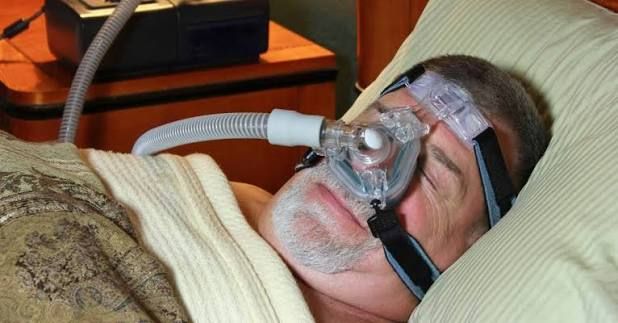
Although we have established that a dedicated medicare cpap cleaner will not be funded by your plan, the good news is that Medicare offers comprehensive coverage for actual physical replacement supplies. Because bacteria and facial oils naturally degrade mask silicone and tubing over time, regular replacements are crucial for both hygiene and therapy compliance. Instead of relying on an expensive, unapproved cleaning machine to extend the life of worn-out parts, Medicare’s policy is to replace those parts altogether on a predetermined schedule.
Under the Durable Medical Equipment (DME) benefit of Medicare Part B, you are covered for replacements of the following essential components:
- Full Face Masks: Covered at a rate of 1 mask every 3 months.
- Nasal Cushions or Pillows: Covered up to 2 replacements per month, as these contact points accumulate oils quickly.
- CPAP Tubing: Covered for 1 replacement hose every 3 months.
- Disposable Filters: Up to 2 replacements per month to ensure clean airflow.
- Non-Disposable Filters: 1 replacement every 6 months.
- Water Chambers (Humidifier): 1 replacement chamber every 6 months to prevent mineral buildup and calcification.
- Headgear and Chinstraps: 1 replacement every 6 months to maintain structural fit.
To qualify for this coverage, your doctor and DME supplier must participate in Medicare. You will generally pay 20% of the Medicare-approved amount after meeting your Part B deductible. By using this replenishment program, you can keep your system completely clean and functional without needing to ask, does medicare cover cpap cleaning machines.
The Stress of Medicare Compliance Rules:
Medicare strictly monitors your CPAP usage during an initial 3-month trial period. To keep your coverage, you must use the machine for at least 4 hours per night for 70% of the days in a 30-day window. This pressure can cause sleep-preventing anxiety, leading to a racing mind at night. Over-analyzing your device compliance can actually make it harder to sleep.
Monitoring your sleep architecture with a screen-free device helps you focus on real health trends rather than just compliance metrics.
Keeping your equipment clean is vital for maintaining treatment compliance. When dust, dead skin, and moisture build up inside the hose or mask, it creates an ideal environment for mold and mildew. Breathing in these elements can cause airway inflammation, dry coughs, or sinus infections—problems that can derail your progress and cause you to abandon your therapy entirely.
For a comprehensive look at optimizing your daily routines naturally, check out our guide on natural sleep remedies. Keeping your therapy environment clean is just one piece of the puzzle. Understanding how your body responds to therapy is the next step to reclaiming your energy.
Beyond the CPAP Machine: Tracking Restorative Sleep and True Recovery
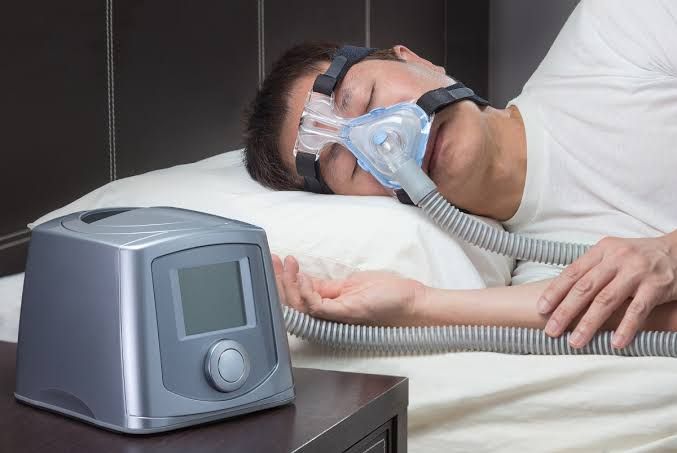
Even with a perfectly clean mask and regular compliance, many people still wake up feeling exhausted, struggling with persistent morning brain fog. It is highly frustrating to meet your doctor’s 4-hour nightly compliance targets, yet still deal with non-restorative sleep. The issue is that compliance timers only measure how long your machine was turned on, not the actual quality of your deep sleep architecture or the recovery of your nervous system.
To truly understand your sleep, you need to track your body’s physiological responses. True physical recovery occurs during Deep sleep, while cognitive restoration occurs during REM sleep. Additionally, tracking your improving heart rate variability (HRV) provides a clear picture of how well your autonomic nervous system is rebounding from the stress of sleep apnea.
While you can access this data through various wearable devices, wearing a bulky, brightly lit smartwatch to bed can actually disrupt your sleep. The glowing screen can stimulate a racing mind at 3 AM, and constant notifications only add to your daily stress. Furthermore, having to charge a smartwatch every day is a chore, and many companies now require expensive monthly subscriptions just to view your health metrics.
This is why screen-free, lightweight tracking options are becoming so popular. The Herz P1 Smart Ring offers a elegant alternative for comprehensive health tracking:
- Titanium, Screen-Free Comfort: Its ultra-light design is incredibly comfortable to wear all night, helping you sleep without bulky distractions.
- Subscription-Free Model: Buy the ring once and enjoy full access to your health metrics forever—no hidden fees or paywalls.
- Translates Complex Biometrics: It takes complex algorithms—like your sleep stages guide data and HRV—and simplifies them into an easy-to-read daily Recovery Score. This lets you see exactly how your body is responding to your CPAP therapy.
- No Battery Anxiety: Its long battery life means you don’t have to charge it daily, making it easy to build a consistent tracking habit.
If you are struggling with overcoming daily brain fog, having access to accurate biometric data can help you identify exactly what is holding you back. You can compare different sleep trackers in our guide to the best wearable sleep trackers, or learn more about optimizing your circadian biology in our restorative sleep secrets feature.
At the end of the day, healing from sleep apnea requires a holistic approach. It is not just about having clean equipment or checking compliance boxes for insurance purposes; it is about listening to your body. By combining manual hygiene with accurate, screen-free tracking, you can find your way back to deep, restorative sleep. For more information on how to interpret these metrics, explore our guide to understanding biometric data.
Disclaimer: Results may vary depending on individual physical activity levels, unique health conditions, and daily tracking patterns. The content on this website is intended for informational and educational purposes only and should not be used as a substitute for professional medical advice, diagnosis, or treatment. Always consult with your doctor or a qualified healthcare provider regarding any questions you may have about a medical condition or therapy regimen.
