

How to Track Sleep and Choose the Best Sleep Tracker for Restful Recovery
Struggling with persistent morning fatigue and mid-afternoon brain fog? Learning how to track sleep using advanced metrics like HRV and Sleep Stage analysis is key to reclaiming your energy. Instead of bulky, screen-heavy devices, we recommend the subscription-free, screen-free Herz P1 Smart Ring to seamlessly monitor your recovery and restore your natural vitality.
Take Back Your Sleep.
Take Back Your Life.
- Fall asleep faster & sleep deeper
- Stop waking up in the middle of the night
- Wake up refreshed & full of energy
Table of Contents
What You Will Learn In This Guide:
- The Science of Sleep: How to translate REM, Deep, and Light sleep stages into daily recovery strategies.
- Choosing the Right Wearable: Why screen-free, subscription-free designs are replacing bulky smartwatches.
- Actionable Checklists: Step-by-step practices to systematically improve your overnight Heart Rate Variability (HRV).
Why Understanding Your Sleep Metrics Matters
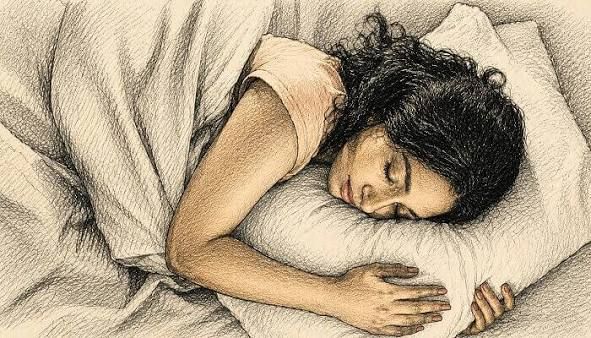
Have you ever spent hours tossing and turning in the dark, with a racing mind that refuses to shut down? You stare at the ceiling, watch the clock tick past 3 AM, and brace yourself for the inevitable morning brain fog. Even when you manage to log a full eight hours in bed, you might wake up feeling utterly depleted. This frustrating phenomenon is known as non-restorative sleep, and it leaves many of us feeling exhausted without ever knowing why.
Without objective data, trying to improve your energy levels is like shooting in the dark. That is why understanding how to track sleep effectively is so critical. By gathering accurate biometric insights, you can stop guessing and start identifying the exact lifestyle habits, environmental conditions, and evening routines that are either supporting or sabotaging your recovery.
Prerequisites for Successful Sleep Tracking
Before you begin collecting data, you must establish a baseline. Accurate sleep tracking relies on consistent habits. If you sleep in a room that is too warm, use your phone in bed, or consume caffeine late in the afternoon, your data will reflect external disruptions rather than your physiological potential. To get the most out of any sleep tracking method, we recommend implementing basic sleep hygiene steps, such as maintaining a cool, dark room and avoiding screens for at least an hour before bedtime.
Step-by-Step Guide: How to Track Sleep with Precision
To systematically optimize your rest, follow this practical process to gather and analyze your metrics:
- Choose a Frictionless Monitoring Method: Select a device that fits seamlessly into your life. To consistently gather nightly metrics, your tracker must be comfortable enough to wear to bed every single night. This is where a dedicated sleep monitor like the Herz P1 Smart Ring shines, offering a lightweight, distraction-free alternative to heavy, glowing smartwatches.
- Establish Your Baseline: Wear your chosen tracking device for 7 to 10 consecutive nights without changing your daily habits. This establishes your biological “normal” for metrics like resting heart rate, Sleep Stages, and Heart Rate Variability (HRV).
- Document Evening Variables: Keep a brief daily log of late-night meals, alcohol consumption, high-stress events, or evening exercise.
- Correlate Habits with Biometrics: Observe how specific variables affect your deep sleep duration and HRV. For example, you may notice that eating within three hours of bedtime drops your overnight HRV by 15 points.
- Implement and Test Micro-Adjustments: Change one evening variable at a time (such as taking a warm bath or reading a book instead of watching TV) and observe the direct impact on your Recovery Score over the following three nights.
Common Pitfalls & How to Avoid Them
Many wellness enthusiasts fall into the trap of “orthosomnia”—the obsessive pursuit of a perfect sleep score that ironically causes more stress and poorer sleep. Remember, tracking tools are meant to guide your wellness, not to cause performance anxiety. Another frequent issue is choosing an uncomfortable device. Many people buy a bulky smartwatch with the intention of tracking their sleep, only to find the bright screen notifications and tight wristband so irritating that they stop wearing it altogether.
To avoid these hurdles, focus on using a comfortable, screen-free wearable that blends into your lifestyle without nagging alerts. The goal is to collect background data effortlessly, letting you review your patterns at a time that works for you.
Quick Sleep Tracking Checklist:
- Wear your tracker on the same hand or finger every night for consistency.
- Keep the device charged (smart rings often require charging only once a week).
- Review weekly trends rather than obsessing over a single night’s score.
- Cross-reference your data with how you actually feel when you wake up.
Ultimately, learning how to track sleep is about building a better relationship with your body. By observing your biometric trends over time, you can confidently make small, impactful lifestyle choices that naturally support your overnight recovery and set you up for energized mornings.
Comparing Methods: From Sleep Tracking Apps to Dedicated Wearables

When diving into sleep monitoring, the sheer number of options can feel overwhelming. Many beginners start by exploring a basic sleep tracker app. These mobile applications typically sit on your mattress or nightstand, relying on your smartphone’s built-in microphone or accelerometer to estimate when you fall asleep based on movement and sound. While a sleep tracking app can be a low-cost introduction, they lack the ability to monitor direct biological signals, making their estimates less reliable.
For individuals who want deeper insights, dedicated wearable hardware is the gold standard. However, the type of wearable you choose has a major impact on both your sleep quality and your consistency in tracking it. While some prefer using sleep tracking apps in tandem with standard smartwatches, these bulky wrist-worn devices often come with significant drawbacks:
- The Glowing Screen Distraction: Smartwatches are designed to catch your attention. Sudden screen illuminations or midnight vibration alerts can easily pull you out of critical sleep stages.
- Bulk and Discomfort: Sleeping with a heavy plastic or metal band around your wrist can feel unnatural, sometimes even causing physical discomfort that makes falling asleep harder.
- Daily Charging Routines: If your tracker needs to be charged every single day, you will eventually end up leaving it on its stand overnight, creating frustrating gaps in your biometric trends.
This is why biometric smart rings are rapidly becoming the preferred alternative for health-conscious individuals. By shifting advanced tracking sensors to a lightweight titanium band worn on your finger, smart rings provide continuous monitoring without the weight, glowing screens, or daily charging hassle of traditional smartwatches. They work silently in the background, allowing you to focus on unwinding while still gathering high-fidelity wellness data.
— Team Mind Body Dan
Biometrics Demystified: What Does a Sleep Monitoring Device Actually Measure?
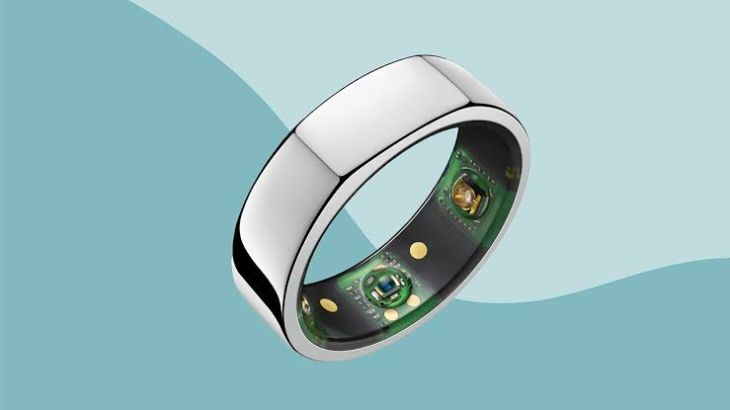
To truly understand how to track sleep, it helps to understand the biometrics that modern wearables capture. A high-quality sleep monitoring device does much more than simply log the hours you spend in bed. It uses precise, medical-grade sensors to continuously track autonomic nervous system signals, translating complex biological data into clear, actionable trends.
Heart Rate Variability (HRV): Your Autonomic Balance Sheet
One of the most valuable recovery metrics is Heart Rate Variability (HRV)—the microscopic variation in time between consecutive heartbeats. HRV is a direct window into your autonomic nervous system:
- High Nightly HRV suggests that your parasympathetic nervous system (the “rest and digest” branch) is in control. This indicates that your body is actively recovering, repairing tissue, and adapting well to stress.
- Low Nightly HRV typically points to sympathetic nervous system dominance (the “fight or flight” response). This indicates that your body is dealing with ongoing stress, exhaustion, or incomplete recovery from a late-night meal or intense workout.
Decoding Sleep Stages: Light, Deep, and REM
A comprehensive sleep analysis breaks your night down into distinct phases, each of which plays a vital role in your physical and mental health:
| Sleep Stage | Primary Function | Why It Matters for Your Recovery |
|---|---|---|
| Deep Sleep | Physical Repair & Tissue Growth | Supports cellular growth, physical healing, and immune function. |
| REM Sleep | Cognitive & Emotional Integration | Consolidates memories, processes emotions, and supports daytime focus. |
| Light Sleep | Transition & Mental Unwinding | Serves as the vital pathway between deeper sleep states. |
The Problem with Subscription Fatigue
While many popular wearables offer impressive biometric tracking, they often come with a catch: ongoing monthly subscription fees. Paying a recurring cost just to access your own personal biometric data has led to widespread subscription fatigue. Fortunately, devices like the Herz P1 Smart Ring prove that premium, medical-grade biometrics can be delivered in a subscription-free model. This buy-once-own-forever approach lets you track your Sleep Stages, HRV, and daily Recovery Score without any hidden fees or monthly costs.
Simplifying Your Biometric Journey
You don’t need a degree in data science to understand your health. The ideal tracker should translate complex overnight metrics into a single, intuitive Daily Recovery Score. This clear number helps you easily decide when to challenge your body and when to prioritize rest.
Choosing the Right Sleep Tracker for Your Lifestyle
When selecting your ideal sleep tracker, it is helpful to look past marketing hype and evaluate how a device fits into your actual daily routine. The best device is one you can comfortably wear night after night without it feeling like an chore.
To find a tracker that truly supports your well-being, we recommend focusing on three core criteria:
- Screen-Free Simplicity: Minimizing evening blue light exposure is an essential step in learning how to track sleep successfully. A screen-free design naturally helps you disconnect from digital alerts, supporting a more peaceful transition to sleep.
- Unmatched Comfort: Since sleep tracking happens in bed, the form factor of your device is incredibly important. A slim, lightweight, hypoallergenic titanium ring is practically unnoticeable on your finger, making it much more comfortable to sleep in than a bulky, wrist-worn tracker.
- Subscription-Free Value: Look for a device that provides full access to your health metrics without requiring a monthly fee. You should own your personal data completely, without any hidden, recurring costs.
By prioritizing comfortable, screen-free, and subscription-free options, you can focus on what matters most: using your recovery trends to make meaningful, healthy lifestyle adjustments. If you are ready to reclaim your physical energy, improve your focus, and stop guessing about your sleep quality, consider exploring the elegant, simple tracking experience of a smart ring designed with your recovery in mind.
The Mind Body Dan Verdict:
While there are many options on the market, we believe the best sleep tracker is one that gathers high-fidelity biometrics while seamlessly blending into your night. By choosing a screen-free, ultra-lightweight titanium ring that requires no monthly subscription, you can easily prioritize your recovery and work toward consistent, deep, and truly restorative sleep.
Disclaimer: Results may vary depending on individual physical activity levels, unique health conditions, and daily tracking patterns. The insights and metrics provided by sleep tracking devices are intended for informational and educational purposes only, supporting your general wellness journey. They do not constitute medical advice and should not be used to self-diagnose, treat, or manage any medical conditions. Always consult with a qualified healthcare professional before making significant changes to your sleep, exercise, or nutrition routines.
