

If you wake up feeling drained despite spending eight hours in bed, learning how to lower sleeping heart rate is the single most effective way to unlock deep, restorative recovery. Your heart rate while asleep serves as a direct mirror of your autonomic nervous system, showing whether your body is truly resting or working in overdrive. By tracking these subtle cardiac trends with the subscription-free Herz P1 Smart Ring, you can easily optimize your nightly routine, lower cardiovascular stress, and wake up energized every single day.
Built to Last. Save Up to 69% Today.
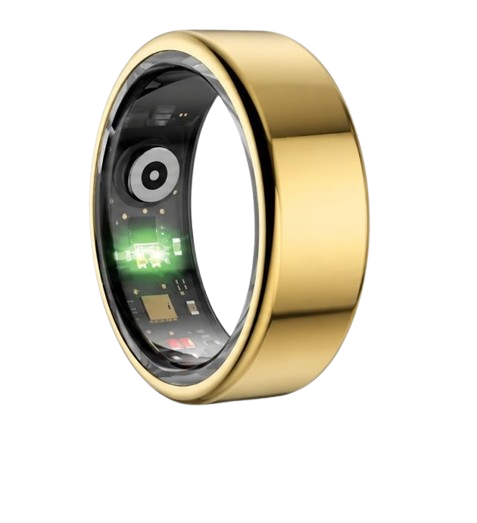
The Herz P1 Smart Ring tracks HRV, Sleep, Heart Rate & SpO2 around the clock. No subscriptions. No renewals. Ever.
In This Article
- Step-by-Step Recovery Guide: Direct actions you can take tonight to drop your overnight heart rate.
- Autonomic Nervous System Insights: The complex physiology behind sleeping pulse elevations.
- Biometric Trends: How to utilize sleep tracking technology to map your unique cardiac recovery curves.
- Practical Troubleshooting: Quick answers to the most common sleeping pulse and device tracking dilemmas.
How to Lower Sleeping Heart Rate: A Step-by-Step Guide for Nighttime Recovery
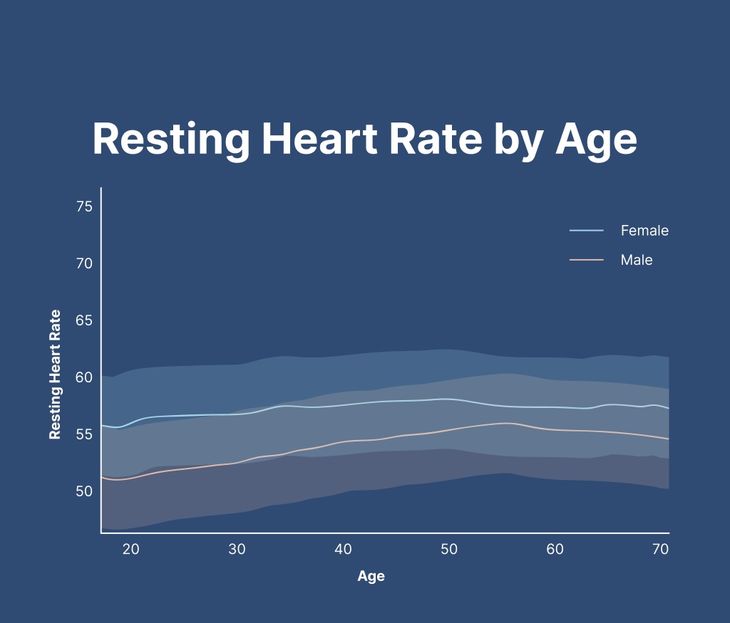
To successfully drop your sleeping pulse, you need a systemic approach targeting autonomic stress, digestion, and temperature.
This tutorial outlines practical, scientifically backed habits that prepare your body to enter a parasympathetic state before sleep.
By implementing these adjustments consistently, you will facilitate a faster heart rate drop early in your sleep cycle.
What You Need Before Starting
You do not need complex laboratory equipment to optimize your overnight recovery.
All you require is a cool sleep environment, a commitment to consistent evening timelines, and a highly accurate wearable tracking tool to observe your cardiovascular trends.
-
Step 1: Set a Firm Digestion and Caffeine Cutoff Window
Eating heavy meals close to bedtime forces your body to redirect blood flow to your digestive system.
This metabolic effort naturally keeps your cardiac output high, preventing your pulse from dropping early in the night.
Aim to finish your last meal at least three hours before your target sleep time.
In addition, restrict all caffeine intake after 2:00 PM, as caffeine has a long half-life that keeps the nervous system stimulated.
Consistently following this routine is the first major step to lower your resting heart rate over time.
-
Step 2: Optimize Thermoregulation in Your Bedroom
Your body must lower its core temperature by approximately two degrees Fahrenheit to initiate high-quality sleep.
If your room is too warm, your heart has to beat faster to pump blood to your skin to dissipate heat.
Set your bedroom thermostat between 65 and 68 degrees Fahrenheit.
Using breathable bedding made of natural fibers like cotton or bamboo also prevents nighttime heat trapping.
Keeping the room cool removes physical strain from your heart, resulting in a lower sleeping heart rate.
-
Step 3: Downregulate the Autonomic Nervous System Before Bed
Mental stress and sensory stimulation from blue-light screens activate the sympathetic fight-or-flight response.
This stress state releases cortisol and adrenaline, keeping your resting heart rate elevated for hours into the night.
Create a dedicated 30-minute screen-free wind-down routine consisting of reading, journaling, or stretching.
Engage in deep diaphragmatic breathing, such as the 4-7-8 method, to stimulate the vagus nerve.
Vagal nerve activation slows down your pulse and serves as a primary method for how to improve hrv overnight.
-
Step 4: Restrict Alcohol Within Four Hours of Sleep
While alcohol acts as a sedative, it severely disrupts your autonomic balance as your liver metabolizes it.
This process results in cardiorespiratory stimulation and a notable increase in nighttime pulse rates.
A single evening drink can elevate your heart rate by five to ten beats per minute throughout the first half of the night.
Try replacing alcoholic nightcaps with tart cherry juice or calming chamomile tea.
By avoiding evening alcohol, you will avoid experiencing low hrv while sleeping.
-
Step 5: Monitor Cardiac Trends with a Precision Tracker
You cannot effectively manage what you do not continuously measure.
Consistent tracking allows you to see exactly which lifestyle modifications yield the best physiological results.
Analyze your overnight cardiac curve to see if your pulse drops to its lowest point during the first half of the night.
If your lowest pulse occurs right before waking, it indicates your body is struggling to fully recover from daytime stressors.
Reviewing these patterns daily helps you understand your unique readiness score each morning.
The Herz P1 Smart Ring is the ideal companion for this recovery journey.
It tracks your heart rate, sleep architecture, and stress indicators without bulky wrist straps or continuous subscription fees.

90-Day 100% Money-Back Guarantee
“The Herz Smart Ring helps me manage stress easily. It’s accurate, stylish, and lightweight—perfect for my busy life!”
— Jennifer P. | ✔ Verified Customer
- ✓ 6-Day Battery Life
- ✓ Detailed Sleep Analysis
- ✓ Fast 1-Hour Charging
- ✓ iOS & Android Ready
Questions? Call: 1-866-479-1629
The Physiological Science: Why Is My Sleeping Heart Rate High?
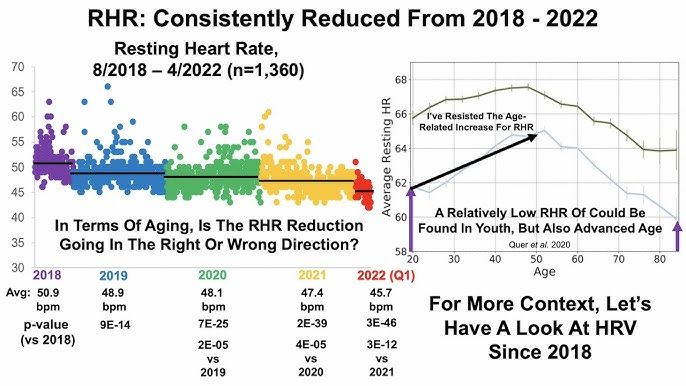
To understand how to optimize your cardiac recovery, you must explore the biology of the autonomic nervous system during sleep.
The human sleep cycle is not a static state of unconsciousness, but a highly dynamic process of biological restoration.
During a healthy night, your body transitions through light sleep, deep slow-wave sleep, and rapid eye movement (REM) sleep.
Each sleep stage places very different functional demands on your heart and vascular system.
During deep slow-wave sleep, your parasympathetic nervous system dominates, dilating blood vessels and lowering blood pressure.
This allows your heart rate to drop to its lowest diurnal point, supporting essential cellular repair and tissue rebuilding.
Conversely, during REM sleep, sympathetic activity spikes as your brain processes complex dreams and emotional experiences.
If you experience a sleeping heart rate higher than resting daytime levels, it usually indicates that your sleep stages are severely fragmented.
According to the American Heart Association, a consistently elevated nighttime heart rate can be a major indicator of chronic systemic stress.
When the sympathetic nervous system fails to hand control over to the parasympathetic system, your heart experiences continuous structural load.
This systemic state prevents your blood pressure from dropping, which is a critical mechanism for cardiovascular rest.
This lack of autonomic recovery explains why is my sleeping heart rate high even after a full eight hours of physical rest.
By implementing targeted behavioral changes, you can discover how to lower resting heart rate at night and ensure proper recovery.
Tracking these overnight biometrics with a smart ring is the most reliable way to monitor these vital daily developments.
What Your Overnight Biometrics Reveal About Your Cardiovascular Health

Overnight biometrics offer a wealth of objective health insights, acting as an early warning system for your entire body.
One of the most valuable aspects of tracking these metrics is evaluating your estimated cardiovascular age.
This metric compares your pulse rate, heart rate variability, and arterial stiffness trends against typical age bracket averages.
A lower sleeping heart rate coupled with higher heart rate variability indicates a highly flexible and youthful cardiovascular system.
Conversely, a rigid sleeping pulse that fails to drop overnight suggests arterial stiffening and elevated cardiovascular fatigue.
These biometric insights can also serve as a crucial diagnostic warning indicator when you are coming down with an illness.
Your immune system requires immense energy to fight off invading pathogens, which elevates your heart rate long before you feel sick.
By closely tracking your baseline data, you will notice an elevated resting heart rate when sick, sometimes up to 24 to 48 hours before physical symptoms present.
Understanding these patterns helps you make timely decisions to rest, scale back intense workouts, and avoid excessive fatigue.
According to research from the National Sleep Foundation, monitoring these trends allows for highly personalized lifestyle planning.
The Herz P1 Smart Ring makes analyzing these complex biometrics incredibly straightforward and intuitive.
Its multispectral optical sensors continuously track these cardiac variables, presenting your health trends in a subscription-free app.
Optimizing Your Nightly Routine Using Your Herz P1 Biometric Trends
To establish a highly effective recovery routine, you must learn to read your biometric trends in the Herz P1 companion app.
The application presents your overnight cardiac curve, illustrating exactly how your pulse changes across different sleep stages.
A highly resilient recovery pattern is shaped like a smooth hammock, with your heart rate dropping early in the night and stabilizing.
If your curve looks more like a downward slope that only reaches its lowest point right before you wake up, your body is struggling to recover.
This “downward slope” pattern usually indicates that late-night digestion, lingering evening alcohol, or mental stress is delaying parasympathetic dominance.
By reviewing these trends, you can make targeted adjustments to your diet, exercise levels, and evening relaxation habits.
The lightweight, comfortable profile of the Herz P1 Smart Ring makes it easy to wear 24/7, providing consistent biometric tracking.
To help you structure your evening adjustments, this table summarizes key behavioral shifts and their typical impact on your sleeping pulse:
| Evening Behavior | Impact on Autonomic Balance | Typical Overnight Heart Rate Response |
|---|---|---|
| Late Dining (Within 2 Hours) | Elevates sympathetic activity for digestion | Increases heart rate by 4 to 8 BPM in early sleep |
| Alcohol Intake (Evening) | Suppresses parasympathetic activity | Maintains high pulse rate, significantly reduces deep sleep |
| Cool Bedroom (65-68°F) | Aids rapid thermal energy dissipation | Promotes a faster pulse drop and supports deep sleep stability |
| Vagal Breathing Exercises | Stimulates instant parasympathetic response | Drops pre-sleep pulse rate by 5 to 10 BPM rapidly |
Avoiding Common Biometric Pitfalls in Sleep Tracking
Many health-conscious individuals try to track their recovery using heavy, oversized smartwatches during sleep.
However, wearing a bulky smartwatch to bed is often highly uncomfortable, and can easily wake you up when you roll over.
Furthermore, large watch cases often shift on your wrist during sleep, resulting in gaps or errors in your biometric logs.
The Herz P1 Smart Ring resolves these issues by packing its advanced sensors into a sleek, military-grade steel ring profile.
Another major frustration for wearable tech users is the unexpected burden of recurring app subscription fees.
Many popular health trackers lock your detailed heart rate, HRV, and sleep trends behind expensive paywalls.
At Herz P1, we believe your personal health data should belong to you entirely, which is why our companion app is free for life.
Our commitment to a 2-year warranty and a 90-day money-back guarantee ensures you can invest in your health with absolute confidence.
Frequently Asked Questions About Sleeping Heart Rate
-
Is the Herz P1 Smart Ring waterproof?
Yes, the Herz P1 features an IP68 waterproof rating, allowing it to withstand water depths up to 164 feet.
This means you can wear it safely while swimming laps, taking a shower, washing your hands, or relaxing in a hot sauna.
-
How long does the battery last on a single charge?
The battery provides up to 6 days of continuous biometric monitoring under normal daily use.
When the battery is low, a full recharge takes less than 1 hour using our fast magnetic charging dock.
-
Which finger is best to wear the Herz P1 on for accuracy?
For the most reliable optical sensor readings, we recommend wearing the ring on your index, middle, or ring finger.
Ensure the inner sensor bump rests comfortably against the palm side of your finger to maintain optimal skin contact.
-
Does the ring store biometric data offline?
Yes, the Herz P1 features onboard memory that can store up to 7 days of detailed biometric data offline.
The ring will automatically sync all stored metrics with your smartphone the next time the app is opened nearby.
Conclusion
Learning how to lower sleeping heart rate is the ultimate path to deeper physiological recovery.
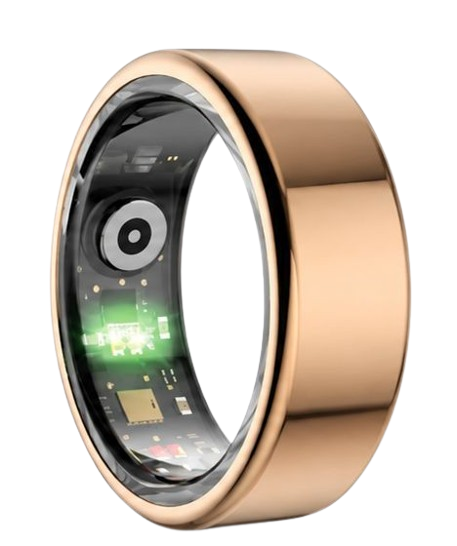
The Herz P1 Smart Ring provides the continuous, high-precision biometric tracking you need to make smart, data-informed lifestyle improvements.
Ready to monitor your health every day? Explore the Herz P1 Smart Ring and see if it fits your lifestyle. Call: 1-866-479-1629 — our team can help you advise on the correct ring size and set personalized health goals.
Note: Individual results may vary depending on individual health conditions, age, and lifestyle habits. This article is intended for general health reference purposes only.
