

How Often to Replace CPAP Mask and Supplies: The Complete Clinical & Recovery Guide
Struggling with non-restorative sleep can leave you exhausted, but optimizing your therapy starts with knowing how often to replace cpap mask parts. When sleep apnea therapy degrades, tracking biometrics like REM, deep sleep, and HRV is vital. The subscription-free Herz P1 Smart Ring perfectly bridges this gap, delivering screen-free recovery tracking.
Take Back Your Sleep.
Take Back Your Life.
- Fall asleep faster & sleep deeper
- Stop waking up in the middle of the night
- Wake up refreshed & full of energy
Key Highlights of This Guide:
- Learn the clinical gold-standard timeline on how often to replace cpap supplies.
- Identify structural mask degradation signals that trigger micro-arousals.
- Understand how leaking masks steal REM and deep sleep architecture.
- Discover how to objectively monitor recovery trends using screen-free tracking methods.
The Golden Timeline: How Often to Replace CPAP Mask and Supplies for Peak Therapy
Quick Answer
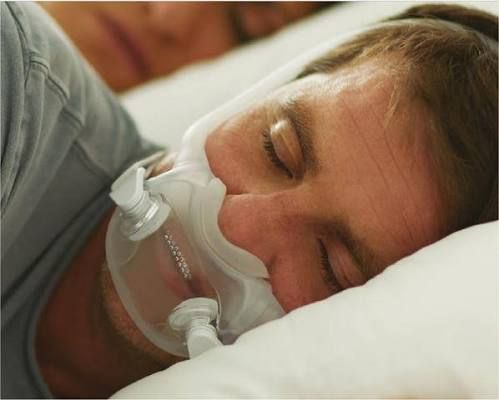
Yes, your CPAP gear absolutely degrades over time. The short answer is that you should replace your nasal cushion or pillows every 2 weeks, full-face cushions every 4 weeks, and the complete mask interface frame every 3 months. However, to choose the right replacement cadence and protect your sleep therapy, you must understand how facial oils, microscopic bacteria buildup, and physical material stretching impact pressure delivery and daily recovery.
Detailed Explanation
For millions of individuals living with sleep apnea, the CPAP machine is a life-altering device. Yet, many users are completely unaware that their equipment has a strict, scientifically backed expiration date. The soft, medical-grade silicone that rests against your skin is engineered to be flexible and highly sealable. However, from the very first night you wear it, the silicone begins absorbing facial oils, sweat, and dead skin cells. Over time, this biological buildup triggers a chemical breakdown of the material, rendering it stiff, yellowed, and prone to micro-fissures.
When you neglect how often to replace cpap mask cushions, the physical seal begins to fail. This seal failure manifests as micro-leaks. Even if a leak does not wake you up completely, it often triggers a micro-arousal—a brief spike in brain activity that pulls you out of deep, restorative sleep. This explains why many CPAP users sleep for eight full hours but wake up with persistent brain fog and physical exhaustion.
To maintain therapeutic efficacy, the industry relies on a structured replacement schedule. This schedule is not merely a manufacturing recommendation; it is aligned with clinical standards and insurance reimbursement policies (such as Medicare and private insurers).
When to Replace (Self-Identification)
You should replace your components immediately if you observe any of the following physiological or mechanical warning signs:
- Skin Irritation or Rashes: A breakdown in silicone allows bacteria to colonize the surface, leading to contact dermatitis, acne, or raw pressure sores around your nose or mouth.
- Air Leaks and Eye Irritation: If you constantly feel air blowing upward into your eyes, the cushion has lost its structural integrity.
- Overtightening the Headgear: If you must pull your headgear straps painfully tight to maintain a basic seal, the silicone has stretched beyond repair.
- A Squealing or Whistling Sound: Audible leaks indicate that the pressurized air is bypassing the cushion, compromising the therapy.
Suggested Solutions
Maintaining a strict calendar reminder is the simplest way to manage how often to change cpap mask parts. Additionally, keeping spare parts on hand ensures that a sudden tear in a silicone cushion won’t disrupt your therapy.
However, while replacing your CPAP parts maintains airway pressure, how do you verify that your sleep quality is actually recovering? Relying solely on the basic compliance data from your CPAP machine is often insufficient. It tracks hours used, but it cannot measure your actual sleep architecture, such as how much REM or deep sleep you achieved.
This is where the Herz P1 Smart Ring offers a beautiful, modern solution. This premium, titanium smart ring contains medical-grade biometric sensors that track your Sleep Stages (REM, Deep, Light) and Heart Rate Variability (HRV) throughout the night. It translates complex biometric algorithms into a simple, actionable Daily Recovery Score. This allows you to visually correlate how a brand-new, perfectly sealed CPAP mask directly optimizes your deep recovery cycles—all without subscription fees or screen distractions.
Section FAQs
Q: What happens if I never replace my CPAP mask?
A: Beyond the risk of chronic skin infections, an old mask leaks pressure. This makes your therapy less effective, leading to daytime fatigue, snoring, and a drop in overall cardiovascular recovery.
Q: Does insurance cover how often to replace cpap mask cushions?
A: Yes, most insurance companies, including Medicare, allow for replacement nasal cushions every 2 weeks and full-face cushions once per month because they recognize the clinical necessity of fresh silicone seals.
Q: Can I just wash my mask instead of replacing it?
A: Washing removes daily oils and dust, but it cannot reverse the natural structural breakdown and stretching of silicone over time. Replacement remains necessary.
The Complete CPAP Supplies Schedule: Cushions, Headgear, and Filters
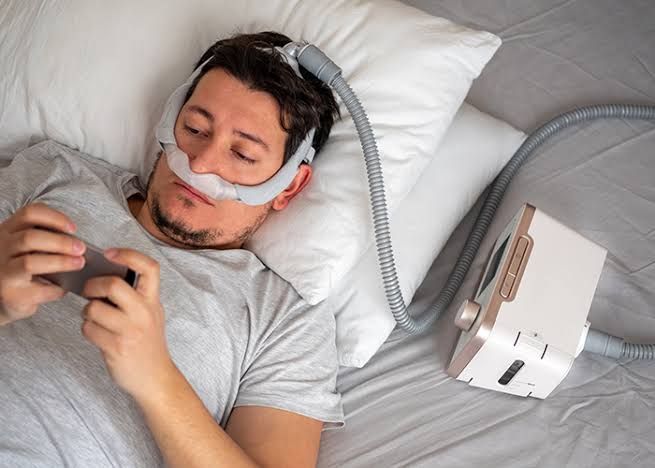
A CPAP setup is not a single, static object. It is a highly complex dynamic system composed of multiple parts, each with its own physical lifespan. Understanding how often to replace cpap supplies is critical to preventing mold, airborne pathogens, and structural failure from disrupting your health.
Anatomy of CPAP Supply Degradation
When pondering how often should i replace my cpap mask frame and headgear, consider the individual physical stresses applied to each component:
- The Cushions & Nasal Pillows (Replace Every 2 to 4 Weeks): Nasal pillows insert directly into the nares, exposing them to nasal oils and moisture. Nasal and full-face cushions rest flush against the face, making them the first line of defense—and the first to fail. When silicone softens, it begins to leak, causing pressure drops that directly impair your body’s ability to transition into deep sleep.
- The Mask Frame (Replace Every 3 Months): The rigid plastic frame holds the cushion in place. Over time, the locking mechanisms and clip-connection points wear down, causing micro-shifts when you roll over in bed. Knowing how often to change cpap mask frames prevents sudden nighttime disconnections.
- The Headgear & Chinstraps (Replace Every 6 Months): Made of elastic neoprene, headgear stretches out due to tension and regular washing. When it loses elasticity, you will naturally pull it tighter, which can cause tension headaches, facial pain, and structural damage to your nasal bridge.
- The Tubing (Replace Every 3 Months): Both heated and non-heated tubes develop condensation (rainout) in their interior ribbing. This warm, dark environment is a breeding ground for bacteria and mold. Microscopic cracks in the plastic can also cause quiet pressure leaks.
- The Filters (Disposable: Replace Every 2 Weeks; Reusable: Wash Weekly, Replace Every 6 Months): Your CPAP pulls in room air. A clogged filter forces the machine’s motor to work harder, running hotter and potentially releasing fine dust particles directly into your lungs.
- The Water Chamber (Replace Every 6 Months): Mineral deposits from water (even distilled water) can corrode the heating plate and cause microscopic cracks where bacteria can hide.
Clinical Reference Guide: CPAP Replacement Timelines
| CPAP Component | Replacement Cadence | Primary Risk of Neglect |
|---|---|---|
| Nasal Cushions/Pillows | Every 2 Weeks | Silicone softening, leaks, skin sores |
| Full-Face Cushions | Every 4 Weeks | Loss of seal, eye irritation, micro-arousals |
| Complete Mask Frame | Every 3 Months | Connection failure, structural misalignment |
| Tubing (Heated/Standard) | Every 3 Months | Pathogen buildup, micro-cracks, pressure drop |
| Headgear & Chinstraps | Every 6 Months | Loss of elasticity, chronic overtightening |
| Air Filters (Disposable) | Every 2 Weeks | Motor overheating, poor air quality filtration |
The Psychological & Emotional Wear
Living with sleep apnea introduces a distinct emotional weight. When your alarm rings, you should feel rejuvenated. Instead, waking up with a dry mouth, red facial indentations, and the lingering fatigue of non-restorative sleep is incredibly frustrating. Many patients experience a subconscious resistance to their CPAP therapy, finding the bulky apparatus uncomfortable to sleep in.
This emotional resistance peaks when you are forced to manage complex clinical data points or wear heavy smartwatches that buzz, flash, and require daily charging. Keeping your therapy environment clean, fresh, and updated by knowing how often to replace cpap supplies is the first step toward reducing this therapy-induced anxiety.
Reclaiming Your Sleep: Monitoring Restorative Recovery Beyond the CPAP Screen
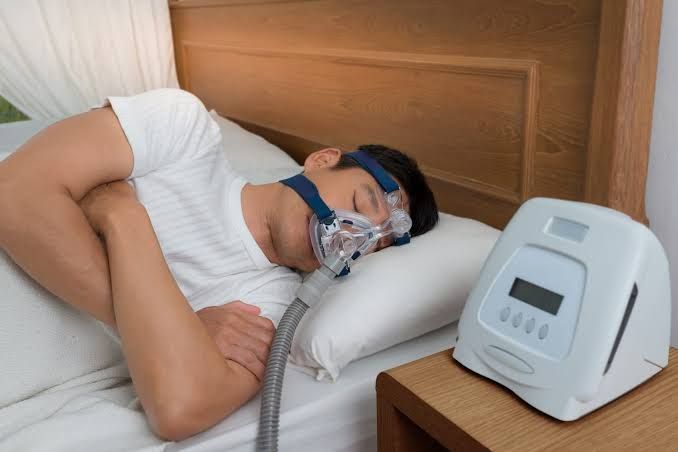
An open airway is only one piece of the sleep puzzle. True rest is systemic, requiring your autonomic nervous system to shift from the sympathetic “fight-or-flight” state into the parasympathetic “rest-and-digest” state. How can you be certain that your body is achieving this shift?
Biometric Feedback and Sleep Architecture
When you sleep, your heart rate should slow, and your Heart Rate Variability (HRV) should ideally increase, signaling a healthy, stress-resilient nervous system. If your CPAP mask is leaking because you haven’t kept up with how often to replace cpap mask parts, your HRV will likely drop, and your sleep architecture will remain fragmented. This is characterized by brief awakenings that prevent you from reaching the restorative REM and Deep Sleep stages.
However, monitoring these trends shouldn’t require wearing a bulky, distracting smartwatch to bed. Traditional smartwatches often glow at night, disturbing your natural melatonin production. They also require frequent charging, meaning they often sit on a charging dock during the exact hours you need sleep tracking.
Why Sleep Experts Advocate for Screen-Free, Subscription-Free Tracking
The ultimate goal of sleep tracking is to cultivate awareness, not distraction. Heavy smartwatches with vibrant displays often trigger cognitive stimulation before bed. By choosing a lightweight, screen-free titanium smart ring, you eliminate the temptation to check notifications in the middle of the night, allowing you to rest naturally while gathering medical-grade data.
The Herz P1 Smart Ring offers an elegant alternative. Designed in ultra-lightweight titanium, it provides a completely screen-free tracking experience that integrates seamlessly into your wellness routine. By tracking your Sleep Stages (REM, Deep, Light), HRV, and heart rate, the ring delivers an intuitive, subscription-free Recovery Score. This is a simple, daily metric that highlights the positive impact of fresh CPAP parts on your systemic recovery.
A Holistic Strategy for Sleep Apnea Recovery
To reclaim your energy, physical strength, and mental clarity, try combining these physical and biometric tracking strategies:
- Establish a Replacement Routine: Align your CPAP supply deliveries with your digital calendar to stay consistent with how often to replace cpap mask parts.
- Implement Screen-Free Wind-Down Habits: Keep digital screens out of your bedroom during the hour before sleep. Instead, rely on low-light activities like reading or gentle stretching.
- Monitor Biometric Recovery Trends: Rather than obsessing over raw, complex data, track your weekly Recovery Score trends on the Herz P1 companion app. This simple metric will help you understand how changes to your sleep environment—such as a fresh mask seal—affect your body’s recovery.
Frequently Asked Questions
Q: How do I know if my CPAP mask is leaking?
A: Modern CPAP machines typically show a leak rate icon on their display screen. Alternatively, you might wake up with dry eyes, a parched throat, or a whistling sound coming from the silicone seal.
Q: What is the most comfortable screen-free way to track sleep recovery?
A: A lightweight titanium smart ring, such as the Herz P1, is a popular choice. It sits comfortably on your finger, doesn’t emit bright light at night, and tracks sleep stages, heart rate, and HRV without requiring a monthly subscription.
Q: Does a high-pressure setting require replacing mask parts more often?
A: Yes. High-pressure settings place greater physical stress on the mask seal. If you have a high therapy pressure, you may need to replace your nasal or full-face cushion more frequently to maintain a consistent seal.
— Team Mind Body Dan
