

Does Insurance Cover CPAP? Your Complete Guide to Benefits, Coverage Rules, and Sleep Recovery
Struggling with non-restorative sleep, brain fog, and chronic fatigue? If you suspect sleep apnea, a big question is likely on your mind: does insurance cover cpap? Navigating the labyrinth of deductibles, compliance checks, and medical equipment rules can feel overwhelming. Fortunately, understanding your Herz P1 Smart Ring biometric markers alongside CPAP guidelines can help you reclaim restful nights.
Take Back Your Sleep.
Take Back Your Life.
- Fall asleep faster & sleep deeper
- Stop waking up in the middle of the night
- Wake up refreshed & full of energy
Key Article Takeaways
- In-Network Rules: Most private health insurance plans, Medicare, and Medicaid cover CPAP machines as Durable Medical Equipment (DME).
- Strict Compliance: Insurers require documented compliance (usually 4+ hours per night for 70% of nights within 30 consecutive days) to keep paying for your device.
- Out-of-Pocket Realities: High deductibles often mean you’ll pay cash upfront before insurance coverage kicks in.
- Comprehensive Tracking: Effective sleep recovery requires understanding sleep stages (REM, Deep, Light) and Heart Rate Variability (HRV), which can be painlessly tracked without bulky monitors.
Demystifying CPAP Coverage: Does Insurance Cover CPAP Machines and Supplies?
Quick Answer
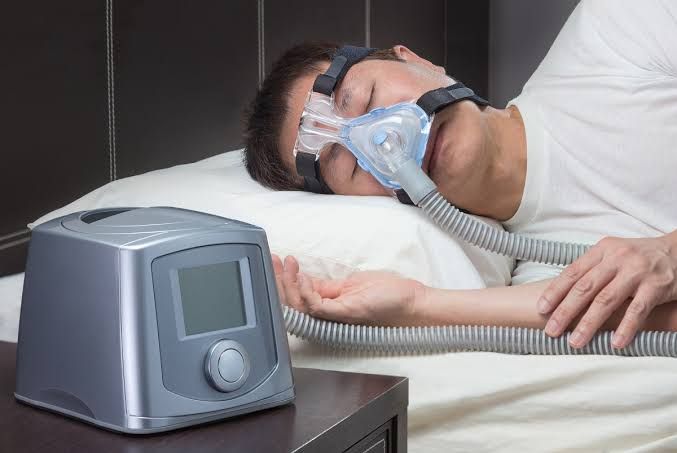
Yes, but with strict conditions. The short answer is that almost all major health insurance providers, including Medicare, cover Continuous Positive Airway Pressure (CPAP) therapy as Durable Medical Equipment (DME). However, to choose the right path and avoid unexpected bills, you must understand your deductible requirements, compliance tracking rules, and diagnostic documentation.
Detailed Explanation of CPAP Insurance Coverage
If you’ve been waking up with a gasping, racing mind at 3 AM or battling severe daytime brain fog, you may be experiencing Obstructive Sleep Apnea (OSA). When clinical diagnostics point to OSA, the primary question becomes: does insurance cover cpap therapy?
Generally, insurance companies categorize CPAP setups under DME. To establish cpap machine insurance coverage, your medical provider must submit comprehensive documentation. This must prove clinical diagnosis based on a Polysomnography (in-lab sleep study) or a Home Sleep Test (HST). These diagnostics determine your Apnea-Hypopnea Index (AHI). Typically, insurance providers approve therapy if your AHI is:
- 15 or higher: Indicating moderate to severe sleep apnea.
- Between 5 and 14.9: With documented comorbidities like hypertension, stroke risk, daytime cognitive impairment, or ischemic heart disease.
Once diagnosed, your insurer doesn’t simply purchase the machine for you. Instead, most private policies and Medicare use a rent-to-own model. Typically, you must rent the machine for a trial period of 3 to 10 months. During this window, you must meet strict compliance guidelines. If you fail to meet these use standards, your insurance company can refuse to pay, leaving you with the choice of paying out of pocket or returning the machine.
– Mind Body Dan Editorial Team Reader
When to Use vs. Not to Use Insurance for CPAP
While utilizing does insurance cover cpap machines processes makes financial sense for some, it is not always the best path for everyone. Let’s break down who benefits most from insurance and who might want to buy their machine out of pocket.
| Route | Pros | Cons |
|---|---|---|
| Insurance Route | Lower initial cost if deductible is met; recurring supply coverage (tubing, masks, filters). | Strict monthly compliance tracking; restricted choice of machine models; high deductibles must be paid first. | Self-Pay / Cash Route | Complete privacy; freedom to choose any machine; no compliance tracking; zero rental periods. | High upfront costs ($500 – $1,500); all replacement parts and supplies must be purchased out of pocket. |
Alternative Non-Invasive Sleep and Health Optimization Solutions
If you are in the grey area—experiencing poor sleep hygiene, non-restorative sleep, or mild sleep disruptions without clinical apnea—you may not need a clinical CPAP machine. Often, chronic stress can keep your autonomic nervous system stuck in “fight-or-flight” mode. This keeps your Heart Rate Variability (HRV) low and short-circuits your restorative deep and REM sleep stages.
To understand what is happening inside your body without the hassle of clinical compliance, many people turn to screen-free biometric tracking. A premium, comfortable solution like the Herz P1 Smart Ring offers an elegant way to track these patterns. Free from bulky screens that emit blue light, and boasting a subscription-free model, the Herz P1 tracks sleep stages, HRV, and daily recovery scores. It acts as an early-warning system for your autonomic health, helping you make data-driven lifestyle adjustments before jumping into medical interventions.
Section FAQ
Q: Does Medicare cover CPAP machines?
Yes, Medicare Part B covers a 3-month trial of CPAP therapy if you have been diagnosed with obstructive sleep apnea. It will continue covering the machine rental and ultimate purchase if you meet documented clinical compliance standards.
Q: How long does insurance take to approve a CPAP?
The approval process typically takes between 2 to 6 weeks, depending on how quickly your sleep doctor submits your diagnostic sleep study and clinical notes to your medical insurance provider.
Q: What happens if I fail CPAP compliance?
If you do not meet the minimum usage requirements (usually 4 hours per night for 70% of nights), your insurance company will refuse further payments. Your medical supplier may reclaim the machine, leaving you responsible for any remaining rental fees.
Navigating the Hidden Costs: Deductibles, Replacement Schedules, and Compliance Rules
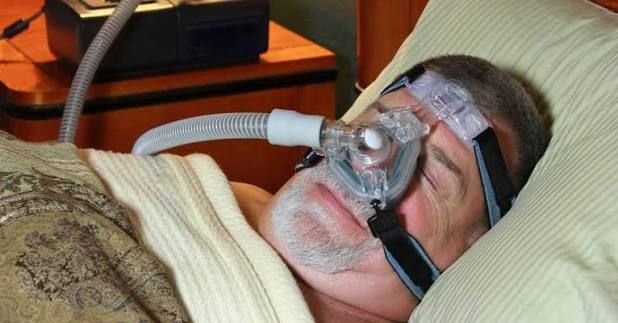
When exploring does insurance cover cpap machines, many patients assume their only cost will be a small co-pay. Unfortunately, the path of health insurance is rarely that simple. Under most policies, your does insurance pay for cpap machine coverage will not begin until you meet your annual deductible.
If you are on a High-Deductible Health Plan (HDHP) with a $3,000 or $5,000 limit, you may end up paying the full retail price for your machine and initial supplies out of pocket anyway. This is why many people ask: is it actually cheaper to buy a CPAP without insurance? In many cases, online cash-pay medical supply companies offer the exact same machines for hundreds of dollars less than the “negotiated” insurance rate.
The Standard CPAP Supply Replacement Schedule
If your insurance covers your supplies, they will adhere to a strict replacement schedule for ongoing consumables. Here is the typical breakdown allowed under most policies:
- Disposable Filters: 2 per month
- Nasal Cushions/Pillows: 2 per month
- Full-Face Mask Cushions: 1 per month
- Complete Mask Interface (Frame & Headgear): 1 every 3 to 6 months
- CPAP Tubing (Heated or Non-Heated): 1 every 3 months
- Humidifier Water Chamber: 1 every 6 months
To receive these replacements, you must consistently prove you are navigating CPAP insurance rules and meeting compliance benchmarks. If you change jobs, change insurance carriers, or experience an interruption in therapy, you may need to start the approval cycle over from scratch.
The Psychological Toll of Compliance Monitoring
There is an overlooked cost to CPAP insurance compliance: sleep anxiety. Every modern CPAP covered by insurance contains a built-in cellular modem. This modem transmits your sleep data directly to your durable medical equipment (DME) provider and insurance company.
Knowing that your compliance is being monitored can trigger a racing mind at night. Many users struggle to adapt to the bulky mask. The pressure to sleep a full four hours under “surveillance” can lead to sleep maintenance issues or frustrating 3 AM awakenings.
This constant pressure is why many health-conscious individuals pair or swap their clinical monitoring for stress-free tracking. Transitioning to a lightweight, screen-free wearable can help you understand your nervous system’s authentic rest patterns without clinical pressure. By tracking your body’s recovery metrics passively, you can rebuild a healthy relationship with sleep on your own terms.
CPAP vs. Alternative Sleep Interventions: Managing Sleep Apnea and Optimizing Daily Recovery

Not everyone can tolerate a CPAP machine, and not every case of disrupted sleep requires positive airway pressure. If you are struggling with moderate sleep disturbances, it’s vital to explore alternative treatments alongside CPAP medical necessity criteria.
Alternative Medical Interventions
- BiPAP (Bilevel Positive Airway Pressure): If you find it hard to exhale against the continuous pressure of a CPAP, your doctor might recommend a BiPAP. This machine delivers a higher pressure during inhalation and a lower pressure during exhalation. Insurance coverage rules for BiPAP are typically stricter, requiring documented proof that you failed to tolerate a standard CPAP.
- Oral Appliances: Mandibular advancement devices are custom-fitted by dentists to hold your jaw forward, keeping your airway open. These are often covered under medical insurance (not dental insurance) for mild-to-moderate apnea.
- Positional Therapy: Simple, non-invasive wearable bands can keep you from sleeping on your back, which naturally reduces airway collapses and improves your breathing patterns.
Why Biomarker Tracking Matters for Sleep Quality
Whether you use a CPAP machine or are focusing on behavioral improvements, you need to know if your efforts are paying off. Tracking sleep stages and Heart Rate Variability (HRV) is the best way to see how your autonomic nervous system is recovering overnight.
Unlike heavy, bulky smartwatches that require daily charging and disrupt your sleep with screen glare, the Herz P1 Smart Ring provides precise, medical-grade biometric monitoring. Designed with an ultra-lightweight titanium shell, it tracks Deep, REM, and Light sleep stages without subscription fees or screen distractions.
How to Read Your Body’s True Recovery Patterns
Many patients assume that spending 8 hours in bed under CPAP pressure means their body is recovering. However, true physiological restoration requires a healthy balance of deep and REM sleep. If you are constantly waking up with brain fog, it’s possible you are missing out on these critical stages.
By monitoring your Heart Rate Variability (HRV)—the variation in time between consecutive heartbeats—you can assess the state of your autonomic nervous system:
- A high night-time HRV: Suggests your body is actively recovering and your parasympathetic nervous system (“rest and digest”) is dominant.
- A low night-time HRV: Indicates that your body is fighting off stress, illness, physical exhaustion, or dealing with interrupted breathing. This alerts you that your sleep was non-restorative.
Understanding these trends can help you make informed decisions about your health. If you are paying out of pocket for the costs of CPAP equipment, tracking your HRV and deep sleep stages can show you whether the treatment is truly delivering the recovery your body needs.
By combining clinical interventions with a seamless, screen-free wearable like the Herz P1 Smart Ring, you can optimize your sleep hygiene and take back control of your health. It is an investment in your wellness that pays dividends every morning.
Disclaimer: Results may vary depending on individual physical activity levels, unique health conditions, and daily tracking patterns. The content in this article is designed for informational purposes only and is not a substitute for professional medical advice, diagnosis, or treatment. Always consult with a qualified sleep specialist or healthcare professional regarding any clinical concerns, including obstructive sleep apnea or CPAP therapies.
