

You might wonder how do smart rings work to track complex biometrics from a tiny band on your finger. The sleek and subscription-free Herz P1 smart ring monitors sleep, heart rate variability, and stress levels continuously using clinical-grade sensors that fit comfortably around your finger all day. Over 87% of wearable users report switching to lightweight rings because smartwatches are too bulky for sleeping, and this comprehensive guide will explain the exact engineering that makes this possible.
Built to Last. Save Up to 69% Today.
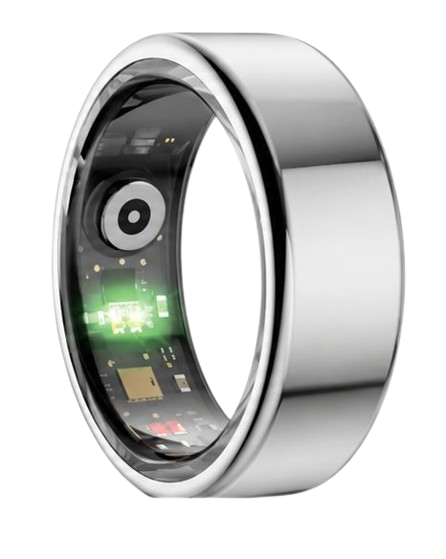
The Herz P1 Smart Ring tracks HRV, Sleep, Heart Rate & SpO2 around the clock. No subscriptions. No renewals. Ever.
In This Article
- The Science of Finger Biometrics: How miniaturized sensors gather high-fidelity data.
- Sensor Technology Explored: Inside the PPG sensors, accelerometers, and temperature arrays.
- Wrist vs. Finger Tracking: Why the finger provides cleaner, more actionable health metrics.
- Real-World Sleep & Stress Hacks: Translating raw sleep cycles and HRV scores into daily recovery plans.
How Do Smart Rings Work? The Science of Finger-Based Biometrics Explained
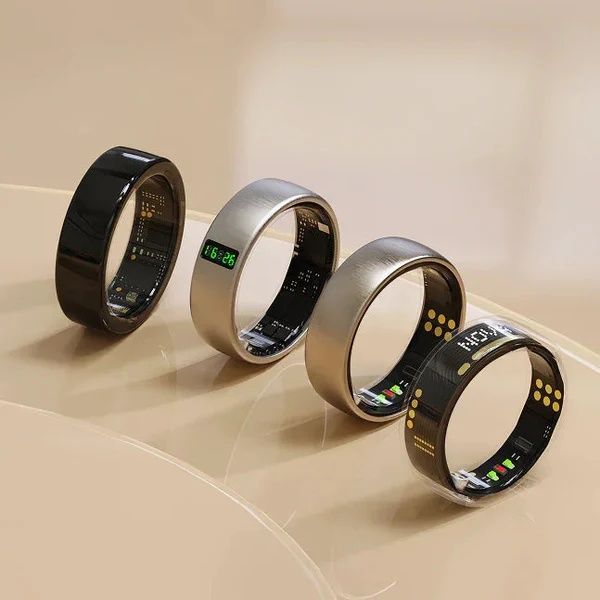
To understand how a compact device tracks your vital signs, we must look at the unique anatomy of the human hand.
Your fingers contain a dense network of highly accessible blood vessels right near the surface of the skin.
This biological layout makes the finger one of the most accurate places on the human body to measure circulation, pulse rate, and blood oxygen levels.
Traditional wrist-worn trackers must push light through thick skin, muscles, tendons, and wrist bones to reach major blood vessels.
A smart ring bypasses these anatomical obstacles by sitting directly over the digital arteries on the sides and palm-side of your finger.
This allows the miniature sensors embedded inside the inner band of the ring to read your physiological signals with incredible precision.
This continuous monitoring is highly beneficial for busy professionals, fitness enthusiasts, and anyone struggling with poor sleep quality.
These individuals need constant, reliable biometric updates without the discomfort or screen distractions of a bulky smartwatch.
A smart ring works by using a process called photoplethysmography, which is often abbreviated as PPG.
The ring’s built-in light-emitting diodes send specific wavelengths of light directly into the skin of your finger.
As your heart beats, blood pulses through your digital arteries, changing the volume of blood in the tissue.
The smart ring’s photodetectors measure how much of that light is absorbed or reflected back to the sensor.
By analyzing these light fluctuations hundreds of times per second, the ring’s microprocessor calculates your real-time heart rate, heart rate variability, and oxygen levels.
Quantitatively, high-quality smart rings boast sensor sampling rates that capture blood flow variations with less than a two percent margin of error compared to medical oximeters.
These data points are gathered seamlessly while you sleep, work, or exercise.
If you want to track this in real time, the Herz P1 Smart Ring monitors your vitals 24/7 without requiring any ongoing monthly fees — explore it here.
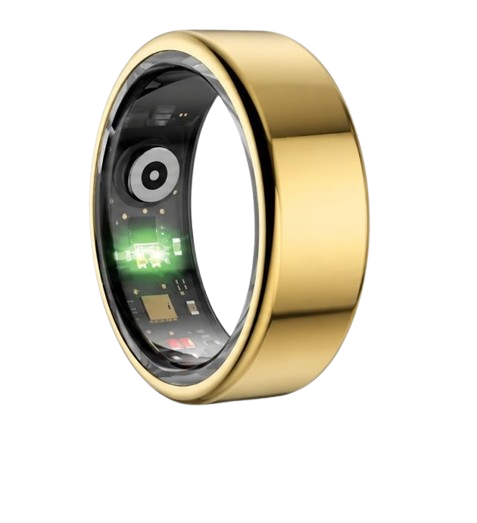
90-Day 100% Money-Back Guarantee
“The Herz Smart Ring helps me manage stress easily. It’s accurate, stylish, and lightweight—perfect for my busy life!”
— Jennifer P. | ✔ Verified Customer
- ✓ 6-Day Battery Life
- ✓ Detailed Sleep Analysis
- ✓ Fast 1-Hour Charging
- ✓ iOS & Android Ready
Questions? Call: 1-866-479-1629
Deciphering the Optical Sensors and Technology Inside Smart Rings
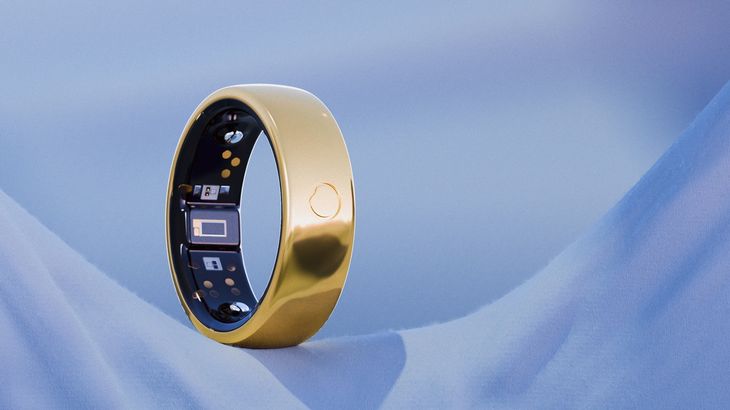
The space inside a smart ring is incredibly limited, requiring state-of-the-art micro-engineering.
Every millimeter of the inner ring surface is utilized to pack in a highly advanced sensor array.
Unlike basic pulse trackers, modern technological rings integrate multi-wavelength PPG sensors.
These sensors use green, red, and infrared light-emitting diodes to target different physical metrics.
Green light is ideal for tracking active heart rate during workouts, as it is highly sensitive to blood flow shifts during heavy movement.
Infrared light, on the other hand, penetrates deeper into the tissue and is used during resting states to track resting heart rate and sleep patterns.
Red light is crucial for calculating blood oxygen saturation levels, commonly known as SpO2.
By comparing how much red light is absorbed compared to infrared light, a scan ring can estimate your oxygenation levels.
According to the American Heart Association, a stable resting heart rate and high SpO2 are key indicators of cardiovascular efficiency.
Beyond optical sensors, smart rings feature high-precision 3D accelerometers and temperature sensors.
The accelerometer tracks physical activity, step counts, and fine movements during sleep.
The temperature sensor records tiny fluctuations in your skin temperature throughout the night.
This temperature data is valuable for detecting early signs of physical stress, immune responses, or hormonal cycle shifts.
To keep these components working seamlessly, a tiny electric ring power system is integrated into the design.
This battery system uses a custom lithium-polymer cell designed to match the curvature of the ring band.
This advanced power design ensures the ring operates continuously for up to six days on a single charge.
By gathering and analyzing these multiple data streams, a smart ring builds a detailed daily map of your overall health.
All of this advanced biometric technology is packed into a durable structure that weighs less than five grams.
Why the Finger is Superior to the Wrist for Tracking Vitals
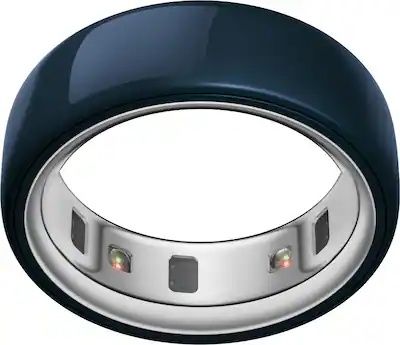
When looking at the landscape of smart ring brands, a major focus is why users prefer rings over watches.
Wrist-worn smartwatches face significant challenges when it comes to maintaining continuous skin contact.
As you move your wrist, type, or adjust your sleeping position, a smartwatch can easily shift, causing gaps in data collection.
This movement creates what engineers call optical noise, which leads to inaccurate or missing vital readings.
A smart ring solves this issue by sitting snugly and securely around the base of your finger.
The digital arteries in the finger run very close to the bone, meaning there is less muscle or fatty tissue to block the sensor’s light path.
This anatomical advantage results in a much stronger and clearer pulse signal compared to the wrist.
In fact, clinical research shows that finger-based optical sensors provide a signal-to-noise ratio that is up to ten times stronger than wrist-based sensors.
This clean signal is particularly important when measuring Heart Rate Variability, which requires millisecond-level precision.
HRV measures the subtle variations in time between each consecutive heartbeat.
These tiny variations reflect the balance of your Autonomic Nervous System and serve as a direct indicator of physiological stress.
Even small movements of a smartwatch can distort these millisecond intervals, leading to unreliable stress scores.
A smart ring stays securely in place, ensuring highly accurate HRV calculations throughout the night.
Furthermore, the superior comfort of a slim ring encourages consistent, long-term wear.
Many people find it uncomfortable to wear a heavy, glowing smartwatch screen to bed, which can disrupt sleep.
By contrast, a lightweight smart ring is barely noticeable, allowing you to collect seamless sleep data night after night.
This makes the ring format highly effective for capturing genuine, uninterrupted physiological trends.
If you are exploring the ultimate smart ring experience, the secure, lightweight fit of the finger is undoubtedly the way forward.
Optimizing Your Health Metrics with the Herz P1 Companion App
Collecting raw health data is only helpful if you can easily understand and act on the insights.
The Herz P1 syncs via Bluetooth to an intuitive, user-friendly companion app designed for both iOS and Android devices.
When you open the app, you are greeted by an easy-to-read dashboard that translates your biometrics into clear, practical daily scores.
Your sleep data is broken down into light, deep, and REM sleep stages, helping you see the actual quality of your rest.
The National Sleep Foundation emphasizes that deep sleep is crucial for physical repair, while REM sleep supports memory and emotional health.
If the app shows your deep sleep is consistently low, you can adjust your evening habits, like avoiding caffeine or heavy meals before bed.
The app also provides a real-time HRV Stress Index, showing how your body is responding to daily demands.
A sudden drop in your HRV score can indicate overtraining, lack of sleep, or early physical fatigue.
By checking this score in the morning, you can decide whether to push hard in a workout or focus on recovery.
The Herz P1 app also includes menstrual cycle tracking, using subtle body temperature variations to predict phases with great accuracy.
Unlike other platforms, the Herz P1 app is completely free to use for the lifetime of your device, with no hidden subscription fees.
This future-proof approach aligns perfectly with upcoming developments highlighted in the smart ring 2025 market trend reports.
By using the smart ring apps dashboard daily, you can take control of your health with clear, data-driven decisions.
Common Pitfalls of Wearable Health Technology and How to Avoid Them
Many health-conscious individuals buy wearables only to stop using them after a few months because of common design flaws.
A primary issue is the sheer bulk of standard smartwatches, which can get caught on clothing and feel uncomfortable in bed.
This discomfort often leads users to take their device off at night, missing out on crucial sleep architecture data.
A smart ring avoids this issue with its sleek, ultra-lightweight profile that fits naturally into your daily routine.
Another major frustration for users is subscription fatigue, where a hardware purchase is locked behind an ongoing monthly app fee.
Paying a recurring monthly fee just to see your own health data can make a device feel like an expensive burden over time.
The Herz P1 solves this by offering complete, unlimited access to your biometric history with zero subscription fees.
Additionally, some users worry about durability, fearing that a ring might easily scratch during workouts or daily chores.
If you are looking for a smart ring new product, durability should be a top priority.
The Herz P1 is constructed with military-grade steel, ensuring it can withstand heavy daily use without scratching or denting.
It also features an IP68 waterproof rating, allowing you to wash your hands, shower, or swim without taking it off.
By addressing these common pitfalls, the Herz P1 offers a seamless, reliable, and cost-effective health-tracking experience.
Frequently Asked Questions About Smart Rings
Is the Herz P1 waterproof?
Yes, the Herz P1 features a full IP68 waterproof rating, making it completely safe for daily use in water.
This means the ring is fully protected against dust and can be safely submerged in water up to 164 feet deep.
You can confidently wear your ring while swimming, taking a shower, washing dishes, or working out in heavy rain.
The seamless outer shell protects the inner sensors from moisture, ensuring continuous tracking in any environment.
How long does the battery last and how quickly does it charge?
The Herz P1 is designed for high efficiency, offering up to six days of continuous tracking on a single charge.
This long battery life is achieved through advanced power management and low-energy Bluetooth technology.
When the battery does run low, you can charge it fully in under one hour using the included magnetic charging dock.
This quick charging time means you can easily top up the battery while taking a morning shower, ensuring you never miss a beat.
Which finger is best to wear the smart ring on?
For the most accurate biometric readings, we recommend wearing the smart ring on your index, middle, or ring finger.
These three fingers contain the straightest digital arteries, providing the cleanest blood flow signals for the optical sensors.
Most users find the index finger of their non-dominant hand to be the most comfortable and accurate option.
It is important to choose a size that fits snugly but comfortably, without sliding or restricting your circulation.
Does the Herz P1 store health data offline?
Yes, the Herz P1 features built-in local memory that can store up to seven days of biometric data offline.
This means you do not need to keep your smartphone nearby or connected to Bluetooth at all times.
If you go for a run, sleep, or travel without your phone, the ring will continue to track your vitals seamlessly.
Once you open the app near your phone, all your offline data will sync automatically to your personal dashboard.

Conclusion: Your Subscription-Free Wellness Journey Starts Here
Understanding how smart rings work shows how valuable these compact devices are for modern health tracking.
By wearing the durable, subscription-free Herz P1, you can effortlessly track your heart rate, sleep stages, and stress levels from your finger.
Ready to monitor your health every day? Explore the Herz P1 Smart Ring and see if it fits your lifestyle. Call: 1-866-479-1629 — our team can help you advise on the correct ring size and set personalized health goals.
Note: Individual results may vary depending on individual health conditions, age, and lifestyle habits. This article is intended for general health reference purposes only.
