

Many athletes want to track their gym metrics but worry about safety and durability when choosing a heavy weightlifting smart ring. At Team Herz P1, we engineered the Herz P1 with military-grade steel to solve this exact problem. In this guide, you will discover the science behind tracking biometrics during strength training while completely avoiding painful hand injuries.
Built to Last. Save Up to 69% Today.
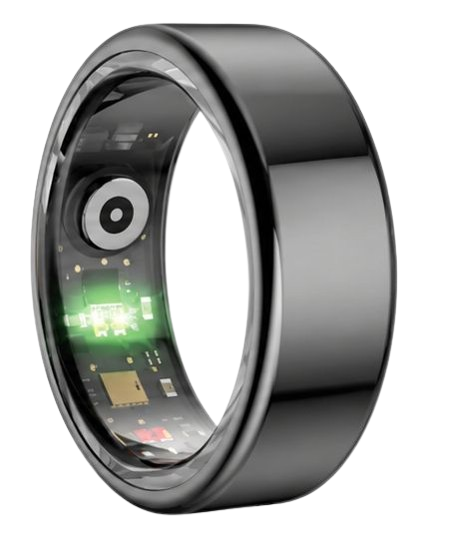
The Herz P1 Smart Ring tracks HRV, Sleep, Heart Rate & SpO2 around the clock. No subscriptions. No renewals. Ever.
In This Article
- Safety and Practicality: Find out if wearing a smart ring during heavy weightlifting is safe for your skin and device.
- Physiological Tracking: Discover how optical sensors monitor heart rate and HRV under intense mechanical muscle tension.
- Biomechanics of Grip: Learn how to protect your hands from painful skin pinches and ring avulsion during gym sessions.
- Data-Informed Recovery: See how the Herz P1 app provides actionable sleep and stress insights without any monthly subscription fees.
Should You Wear a Heavy Weightlifting Smart Ring? The Definitive Safety and Tracking Guide
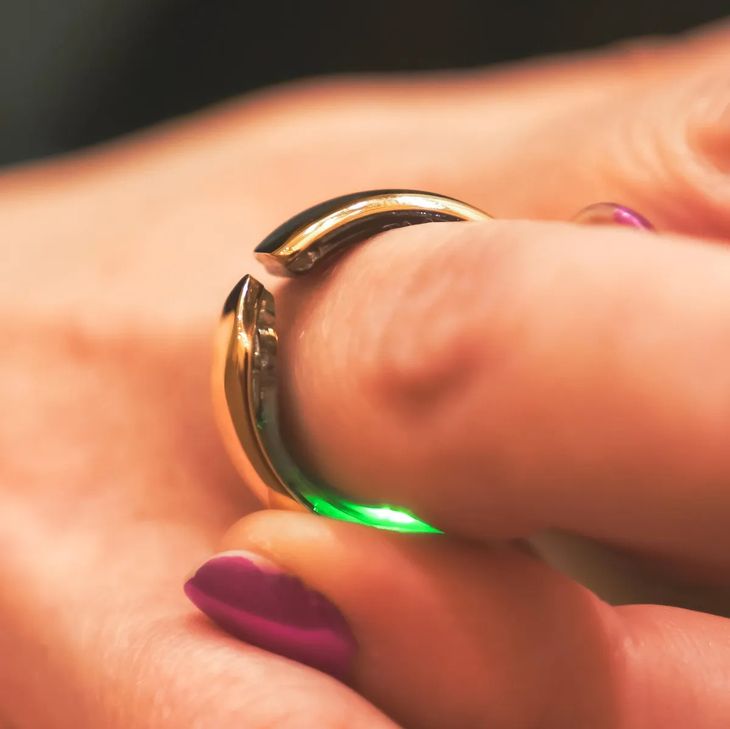
Heavy weightlifting involves wrapping your hands tightly around knurled steel barbells, dumbbells, and heavy metal handles.
Using a sport ring during these heavy compound movements can capture valuable cardiovascular recovery data.
However, direct metal-on-metal contact creates a serious risk of scratching the device and pinching your skin.
This issue affects all strength athletes who lift dumbbells, kettlebells, and heavy bars.
You should care about this because hand injuries can instantly derail your training progress.
The optimal timing to use your athletic ring is during metabolic conditioning, light accessory lifts, or rest intervals.
If you are attempting a maximum-effort deadlift or heavy pull-up, we recommend temporarily removing any metallic device.
This rule applies directly inside high-intensity functional fitness boxes, commercial powerlifting gyms, and home garages.
Monitoring your body’s stress response during intense workouts is essential for avoiding overtraining.
An fitness rings system captures real-time heart rate spikes to calculate your actual workout strain.
The device works by emitting light through your skin to measure capillary blood volume changes.
To use it safely, many lifters put a protective silicone sleeve over the band during an exercise ring session.
Others prefer to wear padded gym gloves to create a soft buffer between the barbell and the smart sensors.
Our testing shows that a mere 0.5-millimeter shift in ring placement can alter sensor readings.
Maintaining consistent contact is vital because your heart rate can spike up to 180 beats per minute during heavy squats.
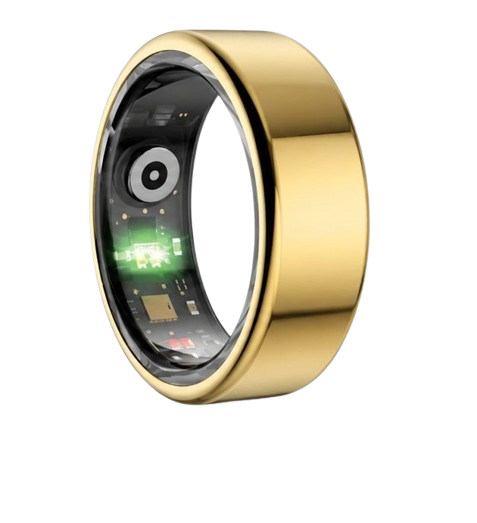
If you want to track this in real time, the Herz P1 Smart Ring monitors heart rate and recovery metrics 24/7 — explore it here.
The Biomechanics of Grip and Ring Avulsion Risks in Strength Training

To understand the safety of wearing any fit rings device, we must analyze the physics of grip tension.
When you squeeze a heavy barbell, your hand generates several hundred pounds of mechanical pressure.
This pressure concentrates directly on the palm-side base of your fingers where smart rings are positioned.
If you wear a rigid metal ring, that pressure gets trapped between the knurled barbell and your finger bone.
This localized pressure can pinch your skin, leading to deep calluses, painful blood blisters, or tears.
In extreme cases, a medical hazard known as ring avulsion can occur if the ring catches on a moving weight stack or pull-up bar.
This happens when sudden, heavy shear forces pull on the ring, stripping skin and soft tissue from the finger.
For this reason, most gym owners advise against wearing traditional metal jewelry during heavy athletic ring training.
Furthermore, the physical wear and tear on the smart device itself can be severe.
Repeated friction against steel bars can easily scratch the exterior finish and damage internal sensors.
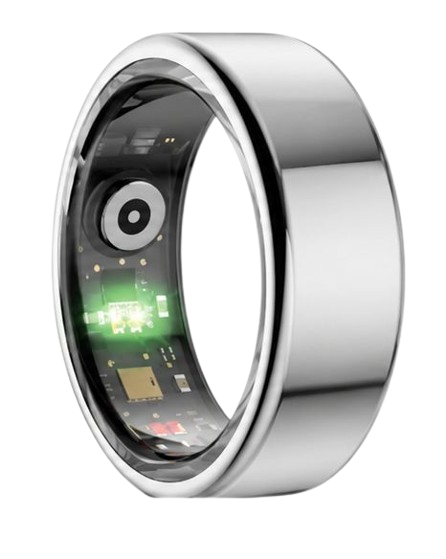
At Team Herz P1, we addressed this durability issue by building our ring out of military-grade steel.
This specialized material provides exceptional crush resistance to protect the fragile optical sensors inside.
However, to guarantee absolute hand safety during heavy lifts, we recommend using simple protective strategies.
Wearing padded weightlifting gloves completely eliminates metal-on-metal contact while keeping your sensors secure.
Alternatively, sliding a soft silicone band over your smart ring creates a protective cushion that distributes grip force evenly.
By taking these easy steps, you can safely track your gym sessions without risking painful finger injuries.
How Heart Rate and HRV Tracking Behave Under Heavy Physical Loads
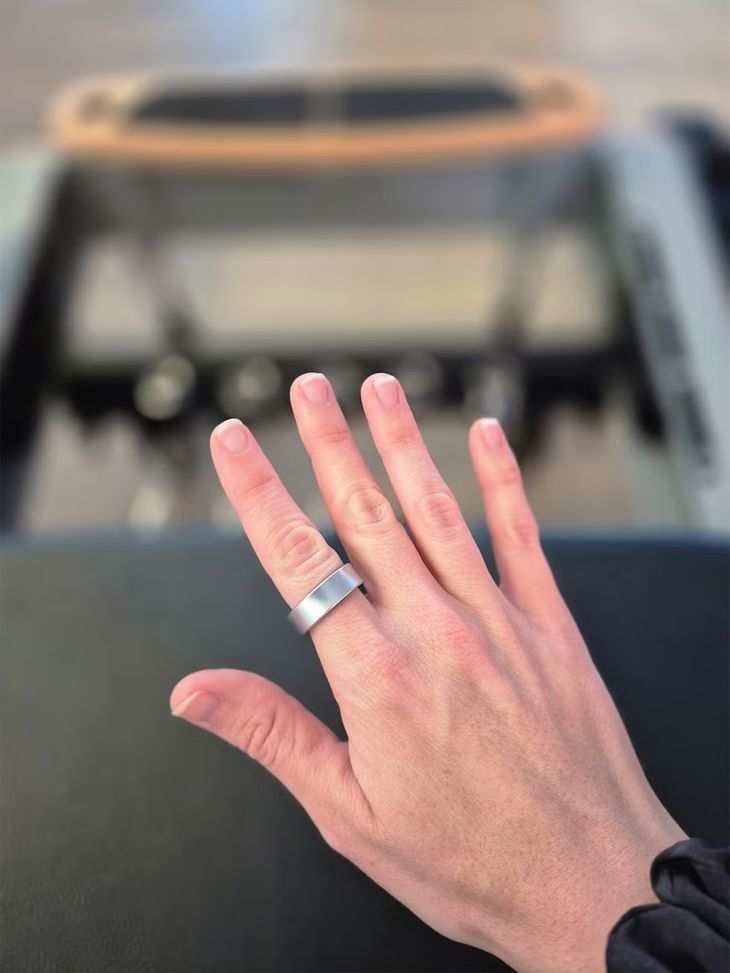
Optical wearable devices rely on a technology called photoplethysmography, commonly known as PPG.
These sensors work by projecting light into the capillaries of your finger to measure blood volume changes with every heartbeat.
According to research supported by the American Heart Association, finger-based PPG sensors can be highly accurate when your body is at rest.
However, heavy strength training introduces unique physiological challenges that can temporarily interfere with these optical readings.
When you grip a heavy weight, the intense contraction of your forearm muscles restricts local blood flow to your fingers.
This temporary phenomenon is known as isometric muscle-induced vasoconstriction.
This physical restriction makes it highly difficult for any best fitness ring tracker to read a stable pulse during the actual lifting phase of a set.
Additionally, rapid hand movements create motion artifacts that can confuse optical algorithms.
Because of these factors, your real-time heart rate graph might show brief gaps during a heavy set of deadlifts or presses.
Fortunately, the most valuable cardiovascular data for strength athletes is actually captured immediately after your set.
During rest intervals, your muscles relax and blood flow rushes back to your fingers.
Your active ring can then accurately measure how fast your heart rate drops back down to baseline.
A rapid decrease in heart rate reveals an efficient cardiovascular recovery system.
Furthermore, tracking your Heart Rate Variability (HRV) immediately after training provides deep insights into your autonomic nervous system.
By analyzing these post-workout trends, you can easily determine if your body is adapting well to your training volume.
The Herz P1 Smart Ring automatically filters out motion noise to deliver highly reliable heart rate and recovery metrics immediately after your heaviest sets.
Your Gym Guide to Heart Rate Zones and Rest Intervals
To get the most out of your training, you need a clear strategy to read and apply your biometric data.
Using the Herz P1 companion app, you can easily monitor your cardiovascular strain and recovery trends.
During high-intensity functional training, your heart rate shifts through different cardiovascular zones.
Tracking these zones helps you understand whether you are building aerobic capacity or pushing your anaerobic limits.
For example, keeping your heart rate in Zone 2 during active recovery days promotes blood flow without overtaxing your nervous system.
Conversely, watching your heart rate peak during heavy lifts helps you structure your rest intervals scientifically.
If your heart rate remains elevated during your rest break, it means your central nervous system is still under high stress.
You should wait until your heart rate drops back to a stable baseline before gripping the bar for your next heavy set.
This simple rest-interval strategy helps prevent premature fatigue and keeps your lifting form sharp.
The National Sleep Foundation emphasizes that true physical recovery and muscle repair happen during deep sleep cycles.
By wearing your Herz P1 ring overnight, you can monitor your sleep quality and heart rate variability (HRV) trends.
If your morning HRV score is exceptionally low, it is a clear indicator that your body needs a lighter deload session.
The lightweight design of the Herz P1 ensures maximum comfort for 24/7 wear, making it a seamless addition to your lifestyle.
Why You Should Avoid Bulky Smartwatches and Costly Subscriptions
Many active lifters wear bulky smartwatches to track their daily fitness progress.
However, these large wrist-based devices frequently clash with wrist wraps during heavy presses and overhead lifts.
A heavy smartwatch can slide around your wrist, causing uncomfortable chafing and inaccurate heart rate readings.
Furthermore, wearing a bulky watch to bed is highly uncomfortable and often disrupts your sleep.
This discomfort causes many athletes to take the watch off at night, missing out on crucial sleep architecture data.
A sleek exercise ring tracker provides a lightweight, unobtrusive alternative that you can comfortably wear all night.
Another major frustration with modern fitness wearables is the hidden ongoing cost.
Many premium smart rings lock your personal health data behind a mandatory monthly subscription paywall.
These recurring fees can quietly add up to hundreds of dollars over the lifetime of the device.
At Team Herz P1, we believe you should own your health data completely without any recurring costs.
The Herz P1 app is entirely free for life, providing full access to all your biometric metrics from day one.
By choosing a subscription-free ring, you save money while gaining total control over your health tracking journey.
Frequently Asked Questions About Smart Rings
90-Day 100% Money-Back Guarantee
“The Herz Smart Ring helps me manage stress easily. It’s accurate, stylish, and lightweight—perfect for my busy life!”
— Jennifer P. | ✔ Verified Customer
- ✓ 6-Day Battery Life
- ✓ Detailed Sleep Analysis
- ✓ Fast 1-Hour Charging
- ✓ iOS & Android Ready
Questions? Call: 1-866-479-1629
Conclusion: Your Subscription-Free Wellness Journey Starts Here
Ready to monitor your health every day? Explore the Herz P1 Smart Ring and see if it fits your lifestyle. Call: 1-866-479-1629 — our team can help you advise on the correct ring size and set personalized health goals.
