

1 Screen-Free Smart Ring for Optimizing REM Sleep and Recovery
Do you wake up feeling exhausted, fighting brain fog despite spending eight hours in bed? The culprit is often a lack of restorative rem sleep. By tracking your biometric trends with a screen-free wearable like the Herz P1 Smart Ring, you can decode your body’s subtle recovery signals without screen distractions.
Take Back Your Sleep.
Take Back Your Life.
- Fall asleep faster & sleep deeper
- Stop waking up in the middle of the night
- Wake up refreshed & full of energy
Key Highlights of This Guide
- The Core of Cognitive Recovery: Learn how rem sleep processes emotions, stores memories, and clears brain fog.
- Why Wearable Tracking Matters: Discover how monitoring heart rate variability (HRV) and sleep stages can pinpoint your exact recovery needs.
- The Smart Ring Advantage: Understand why a lightweight, screen-free titanium smart ring outclasses heavy smartwatches for overnight sleep monitoring.
- Overcoming Restlessness: Actionable, science-backed lifestyle modifications to reduce 3 AM awakenings and promote deeper rest.
- Subscription-Free Living: Learn how to keep and access your medical-grade biometric data forever, without recurring monthly fees.
What You’ll Learn in This Guide:
Why Track Sleep Biometrics? Choosing the Best Wearable Solutions

Many of us spend our nights tossing and turning, only to wake up with a heavy sensation of non-restorative sleep. We often try to address this with lifestyle shifts—such as cutting back on late-afternoon caffeine or sleeping in a cooler room. Yet, without objective data, we are essentially operating in the dark. We cannot manage what we do not measure. Tracking sleep stages, especially rem sleep, provides a window into our mental restoration and overall nervous system health.
To accurately monitor these overnight trends, our team at Mind Body Dan established a rigorous set of selection criteria for wearable health trackers. We believe a sleep tracker should support your rest, not disrupt it. Many of our readers struggle with the physical awkwardness of modern devices, making comfort a vital priority.
Our Selection Criteria for Sleep Trackers
- Biometric Accuracy: The device must use high-quality optical sensors to measure blood oxygen levels, heart rate, and heart rate variability (HRV) with clinical-grade accuracy.
- Comfort & Weight: It must be lightweight and comfortable enough to wear through the night. Bulky wristbands often pinch the skin and disrupt deep sleep.
- Battery Longevity: Frequent, daily charging leads to gaps in your biometric tracking history. The ideal tracker should last several days on a single charge.
- Screen-Free Design: Screen notifications stimulate the brain and emit blue light, which directly suppresses melatonin production and delays the onset of sleep stages.
- No Subscription Fees: Users should own their health data. We prioritize devices that provide comprehensive analytics without locking detailed metrics behind monthly paywalls.
Quick Wearable Comparison Table
To help you visualize how different wearable forms compare under these criteria, our team compiled this simplified overview:
Featured Sleep Tracking Solution: The Herz P1 Smart Ring
In our search for trackers that meet these criteria, we identified the Herz P1 Smart Ring as an elegant, highly effective sleep and recovery solution. Designed with a premium, medical-grade sensor array, this ultra-lightweight titanium ring rests comfortably on your finger, allowing you to track rem sleep trends continuously without wrist fatigue.
Why Choose a Screen-Free Smart Ring?
Unlike traditional smartwatches that distract you with blue-light screens and constant notifications, a screen-free smart ring tracks your sleep stage trends completely in the background. It is ultra-lightweight, comfortable, and eliminates the daily battery anxiety so you can focus entirely on your restorative cycle.
The Herz P1 Smart Ring translates complex biometric algorithms—such as heart rate variability (HRV), pulse oximetry, and temperature variations—into an intuitive, daily Recovery Score. It categorizes your sleep into REM, Deep, and Light stages, showing you exactly how your rest translates to real-world performance. Best of all, it features a completely subscription-free model. There are no hidden fees or monthly charges to view your history; you buy the ring once and own your data forever.
Because the ring is screen-free, you are protected from the visual stimulation and sleep-disrupting notifications of a standard smartwatch. Some users may initially miss having a direct clock interface on their finger; however, this design choice is intentional. It encourages you to keep your phone out of the bedroom and enjoy a genuinely screen-free wind-down routine.
Alternative Health-Tracking Options
While the Herz P1 Smart Ring is an excellent choice for individuals who prioritize overnight comfort and screen-free living, we also recognize that different users have different needs:
- Traditional Smartwatches: These are ideal for tech-focused individuals who want real-time notifications, turn-by-turn navigation, and on-wrist calling. However, their bulky forms often make them uncomfortable to wear overnight, and their brief battery life requires daily charging.
- Basic Fitness Bands: These bands are functional and cost-effective for tracking step counts during daytime runs. Unfortunately, their plastic bands can irritate skin during hot nights, and many models lock detailed heart rate variability and deep sleep data behind monthly premium paywalls.
Final Recommendations for Your Health Journey
If your primary goal is to optimize your cognitive health, overcome non-restorative rest, and track biometric trends like HRV without monthly subscription fees, we highly recommend the Herz P1 Smart Ring as the gold standard. For those who require real-time notifications on their wrists and do not mind charging their device daily, a standard smartwatch can serve as an alternate companion. For casual, budget-conscious daytime step-counting, a basic fitness band remains a functional starting point.
Understanding REM Sleep: Science, Mechanisms, and Dreams
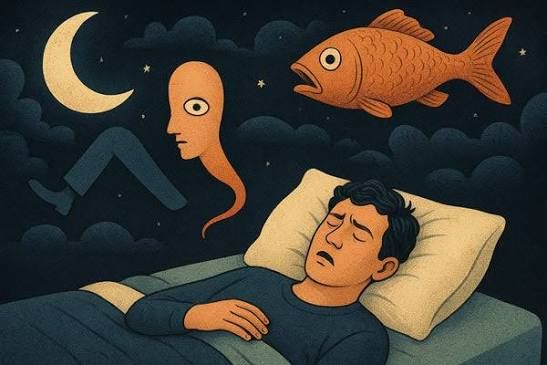
To truly understand how to optimize your nightly rest, we must explore the fascinating biological mechanisms of the human sleep cycle. When we close our eyes, our body enters a highly structured sequence of sleep stages. This sequence is divided into two primary states: Non-Rapid Eye Movement (NREM) and Rapid Eye Movement (REM). Understanding the precise rem sleep meaning is essential for anyone wishing to banish morning brain fog and emotional fatigue.
To establish a clear scientific foundation, let us look at the technical rem sleep definition. REM is a unique, highly active stage of sleep characterized by rapid, random movements of the eyes, low muscle tone throughout the body, and a brain wave pattern that closely resembles wakefulness. It is the phase of sleep where the brain processes emotional experiences, synthesizes learning, and builds neural pathways that support long-term memory.
— Team Mind Body Dan
During a typical night, your body cycles through NREM and REM phases approximately every 90 to 120 minutes. Early in the night, your brain prioritizes deep, slow-wave NREM sleep, which is responsible for physical tissue repair, muscle growth, and immune system strengthening. However, as morning approaches, the duration of your rapid eye movement stages increases significantly. This is why disruptions in the early morning hours can dramatically rob your brain of vital mental restoration.
The Physiology: What Happens in the Brain?
When you enter this stage, several key physiological transformations take place:
- Atonia (Temporary Paralysis): The brainstem sends signals to relax your voluntary muscles completely. This temporary immobilization is a protective evolutionary adaptation that prevents you from physically acting out your dreams.
- Increased Brain Activity: Electroencephalogram (EEG) readings reveal that brain activity during this stage looks remarkably similar to an awake brain. The amygdala, which manages emotional responses, becomes highly active.
- Fluctuating Heart and Breathing Rates: Unlike the steady, slow breathing of deep sleep, your respiration and heart rate become variable and erratic during what is rem sleep.
This physiological complexity explains why tracking these phases requires highly sensitive optical sensors. For instance, the Herz P1 Smart Ring utilizes advanced photoplethysmography (PPG) to track these micro-fluctuations in heart rate and pulse oxygen levels, translating them into simple, clear graphs on your mobile app.
Dreams and Cognitive Processing
One of the most common questions our team receives is: do you dream in rem sleep? The answer is a definitive yes. While brief, fragmented dreams can occur during NREM stages, the highly vivid, emotionally charged, and narrative-driven dreams we remember most vividly occur during this phase.
This dreaming process is not merely passive entertainment. It serves as a form of nocturnal therapy. By replaying the events of your day in a safe, neurochemically calm environment (free of the stress hormone norepinephrine), your brain strips the raw emotional pain from difficult memories, helping you wake up with a balanced perspective. When you suffer from poor rem meaning sleep quality, this emotional filter is compromised, leaving you feeling reactive, stressed, and mentally fatigued the next morning.
How to Optimize REM Sleep and Overcome Sleep Struggles
Many of us are familiar with the exhausting cycle of the “racing mind.” You crawl into bed physically exhausted, but as soon as your head hits the pillow, your brain begins rehashing unresolved tasks, worries, or embarrassing moments from years ago. You lie awake for hours, eventually falling into a shallow, fitful rest, only to experience sudden 3 AM awakenings. This chronic sleep fragmentation leaves you with severe brain fog, making it incredibly difficult to focus on daily tasks or handle stress constructively.
To escape this pattern and improve the overall quality and importance of REM sleep, we must implement intentional, science-backed lifestyle changes. By creating a calm environment and tracking how our habits affect our biometrics, we can systematically rebuild our sleep architecture.
5 Actionable Steps for Deeper, Restorative Rest
- Keep Your Bedroom Screen-Free: Smartphones and tablets emit intense blue light that tells your brain it is daytime, suppressing melatonin production. Transitioning to a screen-free tracking device, like a titanium smart ring, allows you to monitor your health data without introducing a glowing screen into your bedroom environment.
- Maintain a Consistent Sleep Schedule: Going to bed and waking up at the same time every day—even on weekends—aligns your circadian rhythm, making it easier for your body to naturally transition into deeper restorative cycles.
- Avoid Alcohol and Heavy Meals Before Bed: While a nightcap may make you feel drowsy, alcohol is a potent REM suppressor. It fragmentizes your sleep cycles, leading to frequent micro-awakenings and a significantly lower recovery score the next morning.
- Create a Cool, Dark Sanctuary: Your core body temperature must drop by a couple of degrees to initiate deep and restorative sleep. Keep your bedroom temperature between 60°F and 67°F (15°C to 19°C) and use blackout curtains to block ambient street light.
- Practice a Screen-Free Wind-Down Routine: Replace late-night television or social media scrolling with reading a physical book, gentle stretching, or journaling. This helps calm your autonomic nervous system, moving you out of “fight-or-flight” and into a peaceful state of rest.
Reclaim Your Physical and Mental Energy
The journey to vibrant health begins with understanding your body’s nightly cycles. By using a lightweight, screen-free wearable, you can gather the exact biometrics you need to make smart, daily adjustments without cluttering your mind with notifications.
By implementing these adjustments and tracking the results with a tool like the Herz P1 Smart Ring, you can observe direct improvements in your overnight biometrics. You will see your resting heart rate settle earlier in the evening, your heart rate variability (HRV) climb, and your sleep stages balance out, leading to highly restorative, productive days.
Disclaimer: Results may vary depending on individual physical activity levels, unique health conditions, and daily tracking patterns. The content in this guide is intended purely for informational, data-informed, and educational purposes. It does not constitute medical advice. Our team does not claim to treat, monitor, or manage any official medical conditions. Always consult with a qualified health professional before starting any new wellness program or making major changes to your sleep patterns.
