

Why Do I Get Sleepy After Eating? The Science of Postprandial Somnolence and How to Stop It
Do you crash right after lunch, fighting intense brain fog? Getting sleepy after eating is incredibly common, yet it often points to deeper patterns in your sleep hygiene and daily recovery. By tracking your body’s bio-trends with a screen-free Herz P1 Smart Ring, you can decode these energy slumps and finally reclaim your daytime vitality.
Take Back Your Sleep.
Take Back Your Life.
- Fall asleep faster & sleep deeper
- Stop waking up in the middle of the night
- Wake up refreshed & full of energy
- The precise biochemical reasons why you feel a “food coma” after certain meals.
- How blood sugar surges, insulin release, and tryptophan absorption work together to make you feel tired after eating.
- The often-overlooked link between your autonomic nervous system, overnight recovery, and daytime fatigue after eating.
- Actionable lifestyle shifts and screen-free biometric tracking habits to prevent energy crashes.
Understanding Why You Feel Sleepy After Eating
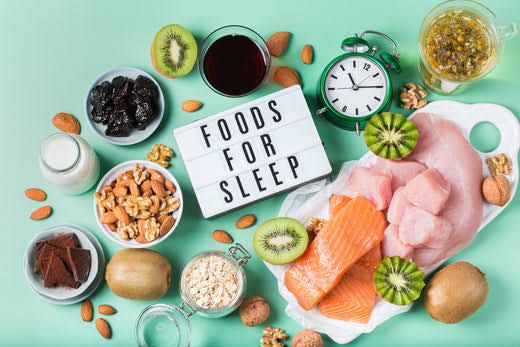
The Quick Answer
Yes, feeling sleepy after eating is a natural physiological reaction. The short answer is that postprandial somnolence, commonly known as a “food coma,” is driven by autonomic nervous system shifts, blood sugar fluctuations, and sleep-inducing hormonal cascades. However, to choose the right lifestyle changes or tools to address this, you need to understand whether your fatigue stems from normal digestion or is a symptom of accumulated sleep debt and systemic stress.
The Scientific Mechanics of Post-Meal Fatigue
When you finish a meal, your digestive system springs into action. This process triggers several overlapping physiological mechanisms that explain why do i get sleepy after i eat:
- The Autonomic Pivot (Rest and Digest): Digestion is a highly demanding task. To facilitate it, your body shifts its autonomic balance away from the sympathetic nervous system (fight or flight) and toward the parasympathetic nervous system (rest and digest). Blood flow is redirected from your brain and skeletal muscles toward your stomach and intestines to help digest and absorb nutrients. This temporary redirection of resources naturally leaves you feeling less alert.
- The Insulin and Tryptophan Loop: When you consume carbohydrate-rich foods, your blood glucose levels rise. In response, your pancreas secretes insulin to help transport glucose into your cells. However, insulin also clears large neutral amino acids from your bloodstream—with one major exception: tryptophan. This allows tryptophan to cross the blood-brain barrier unchallenged. Once in the brain, tryptophan is converted into serotonin (the neurotransmitter responsible for relaxation) and subsequently into melatonin, the hormone that dictates sleep onset.
- Orexin Suppression: Orexins (also known as hypocretins) are neuropeptides in the brain that play a critical role in keeping you awake and alert. Research indicates that elevated blood glucose levels can directly suppress the firing of orexin-producing neurons, making you feel distinctly heavy and sluggish after eating.
When to Address It vs. When It’s Normal
Experiencing a mild wave of relaxation about 30 to 45 minutes after a large, satisfying meal is entirely normal. Your body is doing exactly what it was designed to do: focusing its energy on nutrient assimilation.
However, severe fatigue after eating—the kind that leaves you gasping for energy, struggling to keep your eyes open during an afternoon meeting, or suffering from paralyzing brain fog—is a sign that your system is out of balance. This is especially true if you find yourself struggling to survive on poor habits, such as relying on heavy caffeine infusions just to get through the rest of the day.
How Biometric Tracking Identifies the Root Cause
If you are constantly asking yourself, “why do i get tired after i eat,” the answer may not lie in your lunch box alone. It could be due to what happened the night before. Cumulative sleep debt, poor sleep architecture (such as missing out on deep or REM sleep stages), and elevated baseline stress can make your body incredibly sensitive to post-meal metabolic drops.
Instead of guessing, we recommend monitoring your personal health trends using an unobtrusive, screen-free wearable. A device like the Herz P1 Smart Ring tracks your overnight Heart Rate Variability (HRV), resting heart rate, and sleep stages (Light, Deep, and REM). By looking at your daily Recovery Score, you can easily tell if your afternoon fatigue is a direct consequence of poor overnight sleep quality or simply a bad reaction to a high-glycemic meal.
Short FAQ on Post-Meal Fatigue
1. Why do I get sleepy after I eat lunch but not breakfast?
Breakfast foods are typically smaller or eaten when your natural cortisol levels (the “wake-up” hormone) are at their peak. By lunchtime, your cortisol naturally dips as part of your circadian rhythm, making you more vulnerable to digestive sleepiness.
2. Can food allergies or sensitivities cause fatigue after eating?
Yes. Inflammatory reactions to foods like gluten, dairy, or artificial additives can trigger immune responses that release histamines and cytokines, resulting in profound brain fog and physical exhaustion.
3. Does drinking water during meals help prevent a food coma?
While hydration is key for overall digestion, drinking excessive water during a meal can dilute stomach acid, slowing down digestion and making the process more energy-intensive for your body.
The Connection Between Sleep Debt, HRV, and Post-Meal Slumps

The Invisible Enemy: Non-Restorative Sleep
Many of us have experienced the frustration of waking up at 3 AM with a racing mind, unable to fall back asleep. When you experience non-restorative sleep, your body is deprived of the essential regenerative stages—specifically deep sleep and REM sleep—necessary to repair physical tissues and consolidate memories.
This chronic sleep debt acts like a hidden taxing system on your daytime energy. When you are already running on empty, any minor metabolic shift—such as your body transitioning into “rest and digest” mode to break down a sandwich—will amplify your baseline fatigue. You don’t just feel slightly relaxed; you feel completely wiped out.
The Role of Heart Rate Variability (HRV) in Stress and Digestion
Heart Rate Variability (HRV) is the measurement of the variation in time between each consecutive heartbeat. Controlled by your autonomic nervous system, it serves as an excellent proxy for your body’s resilience and adaptability to stress.
- A High HRV indicates that your parasympathetic nervous system is active and responsive. Your body has the resources to handle daily stressors, maintain optimal digestion, and rebound quickly from energy-depleting activities.
- A Low HRV signals that your body is locked in a state of sympathetic dominance (stress). When you are chronically stressed, your digestive system is compromised, meaning your body has to work twice as hard to process food, causing intense fatigue after eating.
Using a tool for advanced biometric tracking will help you understand your baseline HRV trends over time, letting you know whether your body is truly ready to handle a heavy meal or if it needs lighter, easier-to-digest nutrition.
Between 1:00 PM and 3:00 PM, your body experiences a natural dip in its circadian-driven alertness signal. This window of time is also when most people eat lunch. If you combine this natural circadian drop with a carb-heavy meal and preexisting sleep debt, a severe energy crash is virtually guaranteed.
Recognizing these relationships is the first step toward reclaiming your afternoons. Our comprehensive smart ring guide shows how simple it is to track these complex cardiovascular and autonomic signals without adding more screens or notifications to your life.
Actionable Strategies to Stop Post-Meal Fatigue and Reclaim Your Vitality
1. Optimize Your Chrono-Nutrition
To prevent blood sugar spikes and insulin surges, choose a balanced macronutrient ratio. Focus on protein, healthy fats, and high-fiber, complex carbohydrates.
- Swap this: White bread, pasta, sugary sodas, and processed pastries.
- Choose this instead: Grilled chicken, wild salmon, leafy greens, avocados, nuts, and quinoa.
2. Take a Post-Meal Glucose-Clearing Walk
A simple 10-to-15-minute light walk immediately after eating is highly effective. Light muscle contraction pulls glucose out of your bloodstream to use as energy, reducing the amount of insulin your pancreas needs to produce. This flattens your post-meal blood sugar curve and prevents the severe crash that leaves you feeling sleepy after eating.
3. Adopt a Screen-Free Sleep and Recovery Practice
One of the main causes of poor overnight recovery is exposure to blue light from phones, tablets, and smartwatches right before bed. This blue light suppresses melatonin production, delaying deep sleep stages and leaving you exhausted the next afternoon.
Investing in a dedicated holistic sleep ring lets you monitor your sleep without screens in your bedroom. Choosing a lightweight, screen-free tracker ensures you can track your physiological data comfortably throughout the night, completely free from the distractions of vibrating notifications.
Track Your Recovery Effortlessly and Without Subscriptions
Tired of smartwatches that require daily charging and distract you with constant screens? Checking your score via a recovery tracking ring helps you monitor your Sleep Stages, HRV, and Daily Activity with a beautiful, ultra-lightweight titanium design. There are no screen distractions, and best of all—there are no monthly subscription fees.
Relying on modern smart ring technology gives you the exact tools you need to optimize your daily energy cycles.
Ultimately, your daytime energy levels depend on your lifestyle habits, nutrition choices, and sleep quality. While lifestyle adjustments like moving more and choosing healthier food options lay the groundwork, the sleek Herz P1 titanium ring is designed to help you monitor your biological metrics effortlessly, helping you make smart, data-informed decisions for your long-term well-being.
Disclaimer: Results may vary depending on individual physical activity levels, unique health conditions, and daily tracking patterns. The content provided in this article is for educational and informational purposes only and is not intended to replace professional medical advice, diagnosis, or treatment.
