

Does Exercise Help Sleep? How Physical Activity Transforms Your Nightly Rest
Do you struggle with a racing mind at 3 AM, wondering why your body feels exhausted but sleep refuses to come? The connection between exercise and sleep is powerful, but timing and intensity dictate your recovery. We explore how physical activity transforms your rest, and how a screen-free biometric ring can track your recovery without sleep-disrupting screens.
Take Back Your Sleep.
Take Back Your Life.
- Fall asleep faster & sleep deeper
- Stop waking up in the middle of the night
- Wake up refreshed & full of energy
What We Will Cover:
- The Science: How exercise and sleep influence adenosine, body temperature, and stress hormones.
- Optimal Timing: When to schedule your workouts to maximize restorative deep sleep.
- Biometric Tracking: How monitoring your sleep stages and heart rate variability (HRV) unlocks better daytime energy.
- The Screen-Free Solution: Why bulky, screen-heavy fitness trackers might actually be hurting your sleep hygiene.
The Biometrics of Exercise and Sleep: How Sweat Leads to Deep Sleep

Quick Answer
Yes, consistent physical activity is one of the most effective, science-backed methods to optimize your overnight recovery. The short answer is that moderate to vigorous workouts increase the time you spend in slow-wave sleep, which is the restorative deep sleep phase necessary for tissue repair and cognitive restoration. However, to choose the right approach for your body, you must understand the subtle interplay between your training intensity, heart rate variability, and sleep-stage biometrics.
Detailed Explanation
To truly understand how exercise and sleep benefit one another, we have to look closely at our biological chemistry. When you engage in physical activity, your brain builds up a chemical compound called adenosine. Adenosine is the biological currency of sleep pressure; the more physical energy you expend during the day, the more adenosine accumulates in your central nervous system, creating an undeniable, healthy urge to sleep at night. This biological push is what helps you fall asleep faster and bypass the frustrating experience of staring at the ceiling with a racing mind.
Furthermore, physical training acts as an anchor for your internal circadian rhythm balance. When you exercise, you signal to your master biological clock that it is time to be alert, active, and energized. This sharp contrast between daytime activity and nighttime rest makes it easier for your brain to transition into deep sleep.
Another crucial mechanism is thermoregulation. During physical exertion, your core body temperature rises significantly. Post-workout, your body initiates a natural cooling process. This gradual drop in body temperature mimics the natural thermal decline your body undergoes right before you drift off, acting as a biological trigger for deep, uninterrupted rest.
When to Use / Not to Use
When to prioritize exercise for sleep: If you suffer from frequent night awakenings, mild anxiety, or feel trapped in a cycle of non-restorative sleep, committing to a consistent moderate cardiovascular or strength training routine is incredibly beneficial.
When to hold back: Avoid high-intensity interval training (HIIT) or heavy powerlifting within two to three hours of your planned bedtime. Working out too close to sleep spikes your cortisol (stress hormone) levels and raises your core temperature, which can delay sleep onset and lead to restless, shallow sleep stages.
— Team Mind Body Dan
Suggested Solutions
How do you know if your workout routine is actually helping your overnight recovery, or if you are pushing your body into overtraining? The answer lies in your biometrics. Rather than guessing, we recommend tracking your daily biological response using a subtle, screen-free wearable.
The Herz P1 Smart Ring offers an elegant, titanium, subscription-free solution to monitor your sleep stages (REM, Deep, Light) and your overnight Heart Rate Variability (HRV). Because it has no screen to glow in the dark or distract you with notifications, it protects your natural bedtime environment while gathering medical-grade metrics that translate into an intuitive, daily Recovery Score.
Section FAQ
Q: Does exercise help sleep quality immediately?
A: Yes, many individuals notice they fall asleep more quickly and experience a deeper sleep on days they exercise. However, the most profound changes in sleep architecture, like increased deep sleep duration, occur after a few weeks of consistent activity.
Q: What is the best time of day to work out for better sleep?
A: Morning or early afternoon workouts are generally best. They align perfectly with your body’s natural cortisol curves, boosting daytime alertness and allowing plenty of time for your core temperature to cool before bed.
Q: Can overtraining damage my sleep?
A: Absolutely. Pushing your body too hard without adequate recovery triggers a chronic stress response, causing elevated resting heart rates, lowered HRV, and frequent nighttime awakenings.
Timing, Intensity, and the Dreaded 3 AM Wake-Up Call

We have all been there: you spent an hour sweating at the gym, ate a healthy dinner, and crawled into bed expecting to sleep like a baby. Instead, you find yourself staring wide awake at the clock at 3 AM. Your mind is racing with tomorrow’s to-do list, your muscles feel slightly restless, and a heavy cloud of brain fog is already settling in for the next morning.
This frustrating phenomenon occurs because the relationship between sleep and exercise is not just about physical exhaustion; it is about managing your autonomic nervous system. When you engage in high-intensity exercise too close to bedtime, your sympathetic nervous system (“fight-or-flight”) is highly active. Your heart rate remains elevated, and your body continues to pump out cortisol and adrenaline.
To prevent these late-night awakenings, we need to balance our workouts with a thoughtful sleep hygiene routine. This means keeping intense cardio or weight training sessions restricted to the morning or afternoon. If you must exercise in the evening, stick to gentle yoga, stretching, or a relaxed walk, which encourage parasympathetic activation (“rest-and-digest”) and prepare the body for restorative sleep.
The Warning Signs of Overtraining & Poor Recovery
If you notice any of these trends, your physical training may be conflicting with your sleep architecture:
- A persistent drop in your baseline overnight HRV (Heart Rate Variability).
- Waking up frequently around 3 AM with a racing pulse or feeling warm.
- Substantial reduction in your REM sleep patterns and deep sleep cycles.
- An increased dependency on caffeine or sleep aids to manage daily brain fog.
This is where biometric feedback becomes an invaluable tool. By monitoring heart rate variability, you can see exactly how your autonomic nervous system responds to your workouts. HRV measures the variation in time between consecutive heartbeats. A higher HRV indicates that your body is rested, resilient, and ready to adapt to stress. A low HRV indicates that your body is still processing physical stress or overtraining, signaling that it is time for an active recovery day rather than an intense workout.
If you are constantly tracking these variables on a clunky smartwatch, you might actually be worsening your sleep. Heavy bands can pinch your wrist, and the temptation to check notifications or glowing screens in bed can easily derail your natural wind-down routine. Reclaiming your recovery requires a simpler, screen-free tracking method.
Reclaiming Your Recovery Without the Burnout or Screen Fatigue
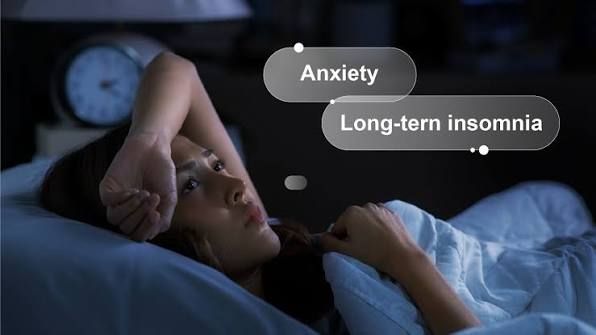
Many fitness enthusiasts fall into the trap of over-monitoring. They wear smartwatches that require daily charging, blink with bright green optical sensors all night, and send aggressive push notifications about step goals and calorie counts. This constant connectivity leads to “orthosomnia”—a term sleep researchers use to describe an unhealthy obsession with achieving perfect sleep scores, which ironically causes the very anxiety that keeps you awake.
The path to true cardiovascular recovery and mental peace shouldn’t be gated behind monthly subscription fees or bulky plastic wrist straps. True wellness comes from understanding simple, actionable daily metrics and applying basic stress reduction strategies to your routine.
Why Choose a Screen-Free Smart Ring?
Traditional smartwatches are bulky, require constant charging, and disrupt your sleep environment with screens. An ultra-lightweight titanium ring tracks your biometrics directly from the blood vessels in your finger, providing superior accuracy with zero distractions.
- ✨ No Screens: Zero blue light or late-night notification distractions.
- 🔋 Extended Battery Life: Spend days tracking, not charging.
- 💎 Subscription-Free: Own your data forever with no hidden monthly costs.
- 🛡️ Elegant Titanium Design: Lightweight comfort that feels natural all night.
To build a healthy relationship between exercise and sleep, we must treat recovery as an active practice. This involves listening to your body’s subtle signals. If you wake up feeling refreshed and your smart ring shows a high Recovery Score, you can confidently take on a high-intensity workout. If your ring indicates that your HRV is low and you spent most of the night in light sleep, it is a clear sign that your body needs rest, a gentle walk, or a focus on hydration and nutrition.
Avoid the trap of thinking you need to push yourself to exhaustion every single day to earn a good night’s rest. True physical conditioning is built during recovery. When you sleep, your body releases growth hormones that repair the microscopic tears in muscle tissue caused by exercise. Without deep sleep, your muscles cannot grow stronger, your cardiorespiratory fitness will plateau, and you may find yourself suffering from overtraining syndrome.
By shifting your focus from intense daily strain to a balanced rhythm of activity and rest, you can break the cycle of exhaustion, 3 AM wake-up calls, and midday brain fog. Track your progress gently, prioritize screen-free wind-down time, and let your body’s natural biometric trends guide you toward optimal wellness.
Disclaimer: Results may vary depending on individual physical activity levels, unique health conditions, and daily tracking patterns. The information provided in this article is for educational and informational purposes only and is not intended to track health indicators for diagnostic purposes. Consult with a qualified healthcare professional before starting any new exercise regimen.
