

Does Exercise and Sleep Quality Improve Together? A Science-Backed Guide to Rest and Recovery
Do you collapse into bed physically exhausted, only to face frustrating 3 AM awakenings and persistent brain fog? The delicate balance of exercise and sleep directly impacts your Heart Rate Variability (HRV) and deep sleep stages. To optimize these vital health metrics screen-free, tracking with the Herz P1 Smart Ring provides actionable recovery insights without any monthly subscription fees.
Take Back Your Sleep.
Take Back Your Life.
- Fall asleep faster & sleep deeper
- Stop waking up in the middle of the night
- Wake up refreshed & full of energy
Key Article Highlights
- The Biological Connection: Discover how physical activity directly triggers thermoregulation and adenosine build-up to accelerate sleep onset.
- Optimizing Your Routine: Why late-night workouts spike cortisol and how to time your sessions for maximum deep sleep benefits.
- Decoding Biometrics: How monitoring Heart Rate Variability (HRV) and sleep stages can prevent overtraining.
- The Screen-Free Tracking Revolution: Why heavy smartwatches disrupt your recovery and how a lightweight titanium smart ring provides the ultimate sleep tracking solution.
The Science of Exercise and Sleep: How Physical Activity Promotes Deeper Nights

Quick Answer: Yes, engaging in consistent physical activity significantly improves sleep duration, efficiency, and depth. The short answer is that moving your body reduces stress hormones and aligns your circadian rhythm. However, to choose the right exercise routine, you need to understand how the timing and intensity of workouts affect your individual cardiovascular and neurological systems.
When we look at the intricate loop of exercise and sleep, we are looking at a highly coordinated biological symphony. Every movement we make during the day registers as a physiological input, signaling the nervous system to adapt, repair, and eventually rest. At Mind Body Dan, we focus on simplifying these physiological dynamics. If you have ever wondered, does exercise help sleep when your body feels physically tired but your mind continues to race at bedtime, the answer lies deep within your cellular biology.
The Physiology of Sleep Pressure and Temperature Regulation
To understand the biological dance between sleep and exercise, we must examine two main mechanisms: adenosine accumulation and thermoregulation.
First, during muscular contractions and energy expenditures, our bodies break down Adenosine Triphosphate (ATP) to power movement. A byproduct of this metabolic process is adenosine, a chemical that slowly accumulates in the basal forebrain throughout the day. This build-up of adenosine is what scientists refer to as “homeostatic sleep pressure.” The harder you work out, the faster adenosine accumulates, resulting in a stronger urge to sleep when evening arrives. This natural biological process explains why a balanced day of activity helps prevent those agonizing hours spent tossing and turning, waiting for your brain to shut down.
Second, physical exertion triggers a temporary rise in core body temperature. When you finish exercising, your body initiates a natural cooling process. This rapid drop in core temperature mimics the body’s natural thermal transition before bedtime, signaling the brain to release melatonin, the hormone responsible for regulating your sleep-wake cycles. Studies on the relationship between physical activity and rest show that this post-workout cooling phase is highly effective at decreasing sleep latency, allowing you to drift off much faster.
When to Use (and When to Avoid) Late-Night Workouts
While the benefits of exercise and sleep synergy are clear, timing is a critical variable that can make or break your nightly recovery. To maximize the impact of exercise on sleep architecture, you should strive to align your high-intensity workouts with your body’s natural circadian high points, typically in the morning or late afternoon.
Performing intense cardiovascular or resistance training within two to three hours of your scheduled bedtime can actually trigger a state of hyperarousal. High-intensity interval training (HIIT) spikes cortisol and adrenaline, stimulates the sympathetic nervous system, and raises your core body temperature. Instead of winding down, your body remains primed for action, often leading to a racing mind, elevated nocturnal heart rates, and frustrating 3 AM awakenings.
Rule of Thumb for Workout Timing
Morning & Afternoon: Ideal for high-intensity training, heavy lifting, and demanding cardio. This helps set your circadian rhythm and boosts daytime energy levels.
Late Evening (Within 3 Hours of Bed): Stick to low-intensity restorative activities like gentle yoga, mobility work, or walking. This encourages parasympathetic tone and lowers your heart rate to prepare your body for deep sleep.
If you find yourself struggling with persistent fatigue or non-restorative sleep despite regular workouts, you need an objective way to see how your active hours affect your night. This is where a dedicated, unobtrusive tracking tool becomes invaluable. The Herz P1 Smart Ring offers a comprehensive solution. By utilizing medical-grade biometric sensors in a sleek, screen-free titanium ring, it tracks your exact sleep stages (REM, Deep, and Light) and nocturnal Heart Rate Variability (HRV) without the annoying light pollution or wrist discomfort of a standard smartwatch. Crucially, it works on a subscription-free model, allowing you to own your personal health data forever without hidden monthly costs.
Frequently Asked Questions About Exercise and Sleep
Q: Does exercise help sleep if I only have time to work out at night?
A: Yes, regular exercise is still highly beneficial. However, if you must work out at night, try to keep the intensity moderate or low, or complete high-intensity sessions at least 90 minutes before sleep to allow your heart rate and core temperature to return to baseline.
Q: How does overtraining affect sleep patterns?
A: Overtraining places chronic stress on your central nervous system, leading to elevated resting heart rates and suppressed HRV. This state of autonomic imbalance often manifests as light, fragmented sleep, nocturnal awakenings, and a general feeling of non-restorative rest.
Q: Can tracking my sleep stages help me plan my workouts?
A: Absolutely. Discovering how working out improves deep sleep on your personal dashboard allows you to structure high-intensity training days when your Recovery Score is peak, and schedule active recovery days when your deep sleep or HRV metrics show signs of systemic fatigue.
Decoding Biometric Signals: HRV, Sleep Stages, and the Recovery Loop

When studying how exercise and sleep interact, we cannot rely on guesswork alone. To truly understand whether your physical efforts are helping or hindering your nighttime rest, we must look to biometric markers. Your body is constantly communicating through subtle signals. Learning how to translate these metrics is key to optimizing both your performance and your overall physical longevity.
Heart Rate Variability (HRV): The Ultimate Recovery Metric
At the center of biometric science is Heart Rate Variability (HRV). Measured in milliseconds, HRV represents the variation in time between consecutive heartbeats. This variability is regulated by your autonomic nervous system, which is divided into the sympathetic (fight-or-flight) and parasympathetic (rest-and-digest) branches.
A higher HRV indicates that your nervous system is balanced, resilient, and ready to take on physical stress. Conversely, a consistently suppressed HRV suggests your body is in a state of chronic sympathetic dominance, a classic sign of incomplete recovery, psychological stress, or impending illness. If you want to capture the full range of exercise-induced sleep benefits, you must monitor your biometrics to find the sweet spot where your training loads match your parasympathetic capacity.
Deconstructing the Sleep Stages
An effective recovery cycle requires balanced progression through the three major sleep stages: Light, Deep, and REM sleep. Each stage serves a distinct physiological purpose:
- Deep Sleep (Slow-Wave Sleep): This stage is crucial for physical repair. Your blood pressure drops, breathing slows, and your body releases growth hormones to repair muscle fibers micro-damaged during exercise. Adequate deep sleep is what directly prevents next-day soreness and muscle fatigue.
- REM (Rapid Eye Movement) Sleep: This is where mental recovery takes place. Your brain processes emotions, consolidates motor skills, and clears metabolic waste. If you skip REM sleep, you are highly likely to experience brain fog and difficulty concentrating.
- Light Sleep: Acting as the vital transition buffer, light sleep helps regulate your heart rate and allows your body to cycle smoothly between deep and REM phases without abrupt, jarring awakenings.
Simplifying the Data Chaos
You do not need to spend hours interpreting complex charts or navigating confusing biometric graphs. The goal is simple: capture raw, medical-grade metrics and translate them into a single, actionable score.
Combining HRV, sleep stages, and daily activity levels into a simple 0-100 metric. One quick glance tells you if today is a day to push your physical limits or focus on gentle recovery.
Many health enthusiasts want to track these critical signals, but they find traditional smartwatches bulky and uncomfortable to wear throughout the night. Wearing a heavy, glowing screen to bed can often lead to sleep-disrupting notifications, and having to charge a device daily is a constant operational chore. Additionally, a growing number of users suffer from subscription fatigue, tired of having their personal data locked behind paywalls.
The Herz P1 Smart Ring solves these issues. Crafted from ultra-lightweight titanium, it wraps comfortably around your finger, quietly collecting biometric data through high-precision PPG sensors. It translates complex cardiac and neurological algorithms into a simple Daily Recovery Score. With its long-lasting battery life and subscription-free model, it serves as an elegant, screen-free companion that lets you focus entirely on your wellness journey without digital distraction.
Overcoming the Sleep-Exercise Paradox: Actionable Strategies for Restorative Sleep
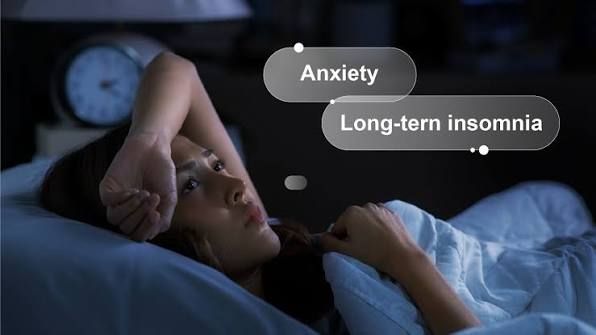
There is a frustrating cycle known as the sleep-exercise paradox: you work out hard to tire yourself out, but the resulting physical and mental stress keeps you wide awake, leading to poor sleep. The next day, you face brain fog and severe exhaustion, making your next exercise session feel twice as difficult. To break this cycle, you need to establish a consistent, low-stress daily routine.
Establish a Screen-Free Wind-Down Routine
Modern lifestyle habits heavily impact our natural hormone balance. Exposure to the blue light of smartphones, tablets, and televisions late in the evening suppresses our melatonin production, keeping our brains alert. This electronic stimulation often triggers a racing mind, preventing the deep, restful sleep our bodies need to recover.
Replacing late-night screen time with screen-free relaxation methods can help trigger your natural rest response. Reading a physical book, practicing light stretching, or listening to calming music can help prepare your body for a restful night. Adjusting the timing of exercise for better sleep is a simple yet powerful tweak: keeping intense workouts in the earlier hours of the day allows your heart rate and core temperature to lower naturally before you climb into bed.
— Team Mind Body Dan
Your tracking devices should not contribute to your digital distraction. Wearing a bright, buzzing smartwatch to bed can easily disrupt your sleep with late-night alerts, and its bulky design can be highly uncomfortable. By choosing a screen-free tracking method like the Herz P1 Smart Ring, you can capture your overnight biometrics without any notifications or screens to wake you up. This minimalist titanium ring quietly gathers medical-grade insights, letting you wake up to a complete recovery profile on your phone when you are ready to start your day.
Ultimately, achieving restorative sleep is about understanding and working with your body’s natural biology. By combining smart workout timing with a comfortable, subscription-free tracking tool like the Herz P1, you can take control of your daily recovery, beat afternoon brain fog, and build a highly effective health routine that fits seamlessly into your lifestyle.
Disclaimer: Results may vary depending on individual physical activity levels, unique health conditions, and daily tracking patterns. The content provided in this article is for informational and educational purposes only and should not be construed as medical advice, diagnosis, or treatment. Always consult with a qualified healthcare professional before beginning any new exercise regimen or sleep therapy.
