

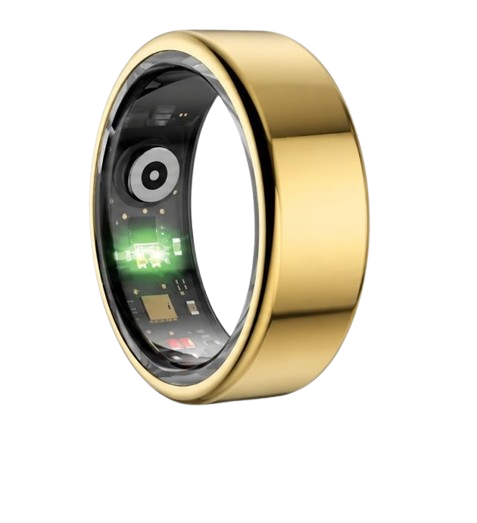
Finding your ideal sleep window can feel like an endless puzzle, but our comprehensive early-bird-vs-night-owl-guide reveals how your genetic biological clock dictates your daily productivity and health. If you are constantly waking up exhausted or struggling to focus, tracking your metrics with the premium Herz P1 smart ring will help you identify your natural chronotype and realign your circadian sleep schedule for optimal health.
Built to Last. Save Up to 69% Today.
The Herz P1 Smart Ring tracks HRV, Sleep, Heart Rate & SpO2 around the clock. No subscriptions. No renewals. Ever.
In This Article
- The Genetic Foundation: Discover how clock genes and the suprachiasmatic nucleus dictate your natural sleeping tendencies.
- Biometric Sleep Staging: Understand how smart wearable sensors track your deep, light, and REM sleep phases.
- The Risks of Circadian Misalignment: Learn the physiological impacts of social jetlag on your resting heart rate and HRV.
- Practical Optimization Tips: Master the art of shifting your sleep schedules using target light exposure and biological clock tracking.
- Wearable Technology Pitfalls: Find out why heavy smartwatches fail sleep tracking and how the premium Herz P1 Smart Ring solves these issues.
Decoupling the Chronotype: The Ultimate Early Bird vs Night Owl Guide

Every person operates on an internal master biological clock that dictates when they feel naturally alert and when they feel sleepy.
This genetically preprogrammed rhythm is scientifically referred to as your sleep chronotype.
Understanding the core differences in an early-bird-vs-night-owl schedule is the first step toward reclaiming your daily vitality.
Research in chronobiology shows that your biological clock is regulated by a structure in the hypothalamus known as the suprachiasmatic nucleus.
This tiny master clock controls the timing of melatonin release, core body temperature fluctuations, and metabolic hormone secretion.
Scientists have discovered that genetic variations, such as length polymorphisms in the PER3 gene, play a major role in whether you are a morning person or a night owl.
An early bird typically wakes up naturally between 5:00 AM and 7:00 AM, experiencing peak physical and mental performance in the early afternoon.
Conversely, a night owl naturally thrives late into the evening, often finding their creative peak after 8:00 PM and struggling to sleep before midnight.
These natural tendencies are not merely matters of habit or discipline; they are hardwired biological preferences.
Trying to force a natural night owl into a rigid morning person schedule can lead to chronic fatigue and systemic sleep deprivation.
This physiological friction is called social jetlag, which occurs when work or social obligations conflict with your natural biological clock.
When you chronically fight your natural circadian sleep wake cycle, your general health pays a steep price.
Let us look at a comprehensive comparison of how these distinct sleep schedules affect daily life, productivity, and physical recovery.
| Metric / Trait | Early Bird (Morning Lark) | Night Owl (Evening Type) |
|---|---|---|
| Natural Sleep Window | 9:00 PM – 5:00 AM or 10:00 PM – 6:00 AM | 1:00 AM – 9:00 AM or 2:00 AM – 10:00 AM |
| Peak Cortisol Release | 6:00 AM – 8:00 AM (Early waking spike) | Delayed by 2 to 4 hours compared to larks |
| Melatonin Secretion Start | 7:00 PM – 9:00 PM | 10:00 PM – Midnight (Significantly delayed) |
| Primary Health Risk Profile | Lower overall risk; early evening fatigue | Higher cardiovascular stress and social jetlag |
| Cognitive Alertness Peak | Late morning (9:00 AM – 11:30 AM) | Late afternoon and evening (5:00 PM – 9:00 PM) |
Most of the global population falls somewhere in the middle of these extremes, often referred to as intermediate chronotypes.
However, those on the extreme ends of the spectrum face unique physiological and social challenges.
Larks often struggle with evening social events because their homeostatic sleep drive rises much faster throughout the day.
Night owls suffer because school and corporate work schedules are designed almost exclusively for early risers.
This systemic bias forces evening-type individuals to wake up during their biological night, interrupting crucial REM sleep cycles.
Tracking these biological fluctuations requires a device that monitors your body continuously without disrupting your life.
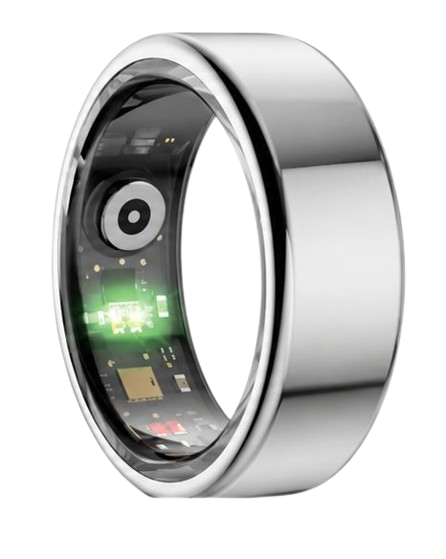
The lightweight Herz P1 Smart Ring provides the uninterrupted, subscription-free tracking needed to map your actual chronotype.
90-Day 100% Money-Back Guarantee
“The Herz Smart Ring helps me manage stress easily. It’s accurate, stylish, and lightweight—perfect for my busy life!”
— Jennifer P. | ✔ Verified Customer
- ✓ 6-Day Battery Life
- ✓ Detailed Sleep Analysis
- ✓ Fast 1-Hour Charging
- ✓ iOS & Android Ready
Questions? Call: 1-866-479-1629
How Smart Rings Track Your Sleep Stages and Circadian Trends
A premium biometric smart ring does not guess your sleep stages; it reads them from your subcutaneous blood vessels.
At the base of your finger, blood flow is highly accessible, making it the ideal location for optical sensor technology.
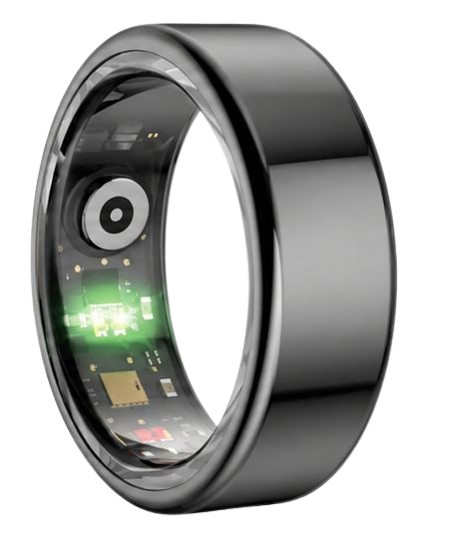
The Herz P1 Smart Ring utilizes multi-wavelength photoplethysmography sensors to capture your arterial pulse wave.
By emitting green, red, and infrared light, the ring measures how much light is absorbed by your blood flow with every heartbeat.
This optical data allows the device to calculate your heart rate, heart rate variability, and blood oxygen levels every few minutes.
When you are trying to solve the mystery of why do i wake up tired, these metrics hold the key.
If you wake up exhausted despite spending eight hours in bed, your sleep architecture may be highly fragmented.
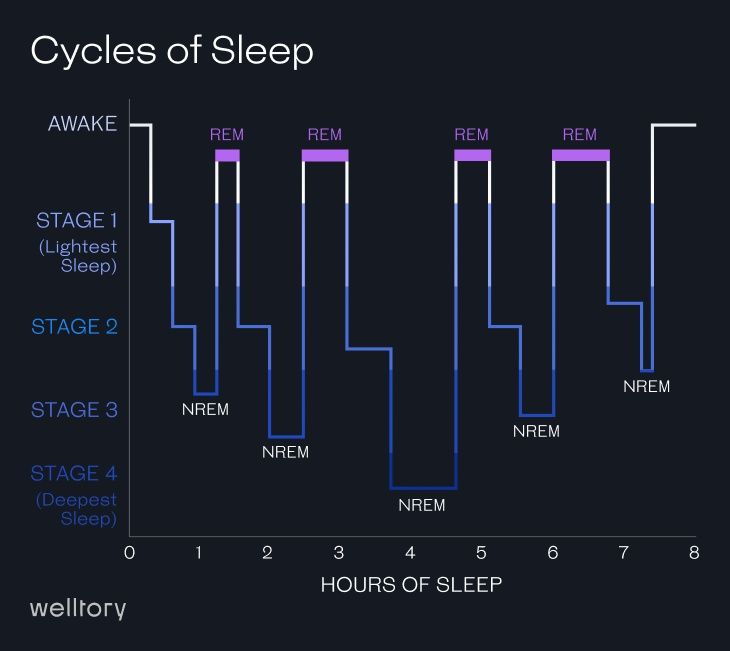
Sleep architecture consists of cyclical transitions between light sleep, deep sleep, and Rapid Eye Movement sleep.
Deep sleep is the phase where physical restoration occurs, facilitating muscle repair, bone growth, and immune system rejuvenation.
REM sleep is crucial for cognitive consolidation, emotional processing, and executive function.
Another common issue is waking up during the night, leading people to wonder why do i wake up at 3am so frequently.
Often, these middle-of-the-night awakenings are tied to sudden spikes in your physiological stress index or subtle drops in blood oxygen saturation.
The Herz P1 tracks these micro-arousals and oxygen dips automatically, presenting them in clean, understandable daily reports.
This detailed tracking gives you a clear picture of whether your sleep is restorative or highly fragmented.
By reviewing this sleep architecture data daily, you can identify trends that correlate with your natural circadian rhythm.
The optical sensors in the Herz P1 run silently in the background, operating with a clinical-grade margin of error of under two percent.
This accuracy ensures that whether you are an early bird or a night owl, your biological data is captured precisely.
The Science of Night Owl Health Risks and Social Jetlag
Studies by the National Sleep Foundation indicate that chronic circadian misalignment carries serious long-term health risks.
When night owls are forced to conform to early mornings, they often accumulate a significant sleep debt.
This persistent lack of sleep is linked to elevated stress hormones, higher resting heart rates, and blood pressure fluctuations.
According to the American Heart Association, a lower heart rate variability is a direct indicator of cardiorespiratory stress.
Your autonomic nervous system relies on a delicate balance between the sympathetic flight-or-fight response and the parasympathetic rest-and-digest response.
When you sleep out of alignment with your natural biological clock, your parasympathetic recovery is severely impaired.
This lack of recovery shows up as a flat or depressed HRV trend line on your morning dashboard.
Additionally, late-night sleep schedules are often accompanied by delayed and unstable melatonin secretion.
Over time, this hormonal instability can disrupt metabolic processes, leading to insulin resistance and weight gain.
The Herz P1 Smart Ring helps you catch these physiological warning signs early.
Its military-grade steel housing protects the advanced sensors that monitor your heart rate and SpO2 levels around the clock.
Unlike delicate plastic smartwatches, the rugged construction of the Herz P1 ensures it survives daily bumps, workouts, and swimming.
We back this structural durability with an industry-leading 2-year warranty, proving our commitment to long-term health tracking.
Monitoring your daily physiological load allows you to make data-backed lifestyle adjustments before minor stress turns into chronic burnout.
With consistent tracking, night owls can safely monitor their cardiovascular health and navigate social jetlag with minimal biological stress.
Practical Strategies for Shifting Your Biological Clock
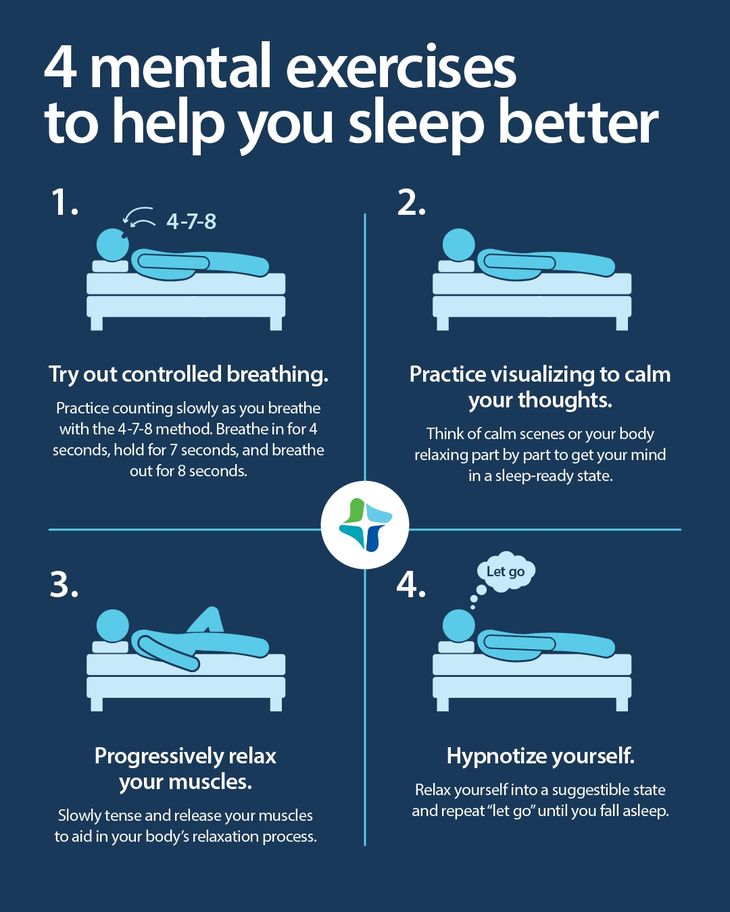
To optimize your sleep quality, you must learn to interpret your body’s biometric charts.
Learning how to read sleep graphs on the companion app will reveal exactly when you enter deep and REM stages.
A healthy sleep graph should display smooth, repeating cycles of light, deep, and REM sleep throughout the night.
You should also pay close attention to your average awake time during sleep to check for hidden environmental disturbances.
If you notice frequent, brief awakenings, it may indicate environmental noise, temperature spikes, or oxygen fluctuations.
If you are a night owl trying to transition to an earlier schedule, minor behavioral shifts can yield massive biological results.
Start by exposing your eyes to bright sunlight within thirty minutes of waking up to suppress melatonin production and boost morning cortisol.
Keep your feeding windows consistent, avoiding heavy meals within three hours of your target bedtime.
Establish a digital wind-down routine by turning off blue-light-emitting screens at least one hour before sleeping.
Ensure your sleeping environment is kept cool, as a dropping core body temperature naturally triggers sleep onset.
Wear your lightweight smart ring all day and night to establish a robust, baseline record of your habits.
The sleek, ultra-comfortable profile of the ring makes 24/7 wear effortless, unlike heavy, bulky smartwatches.
Over several weeks, you will see your sleep onset latency decrease and your deep sleep windows become more consistent.
The Herz P1 will show you these improvements in real-time, helping you fine-tune your circadian rhythm step by step.
Overcoming Risks and Smart Wearable Mistakes
Many people make the mistake of wearing a heavy, glowing smartwatch to bed to track their sleep quality.
Unfortunately, the bulk of a traditional smartwatch can actually cause nighttime awakenings and skin irritation.
A bulky watch can press against your skin, causing sweat buildup and discomfort that ruins your circadian rhythm sleep schedule.
Furthermore, many premium smart rings on the market lock your personal health data behind expensive monthly subscription walls.
This ongoing cost can quickly turn a wellness investment into an annoying financial burden over the years.
The Herz P1 Smart Ring eliminates these user frustrations completely.
Our companion app is completely free for a lifetime, with absolutely no hidden subscription fees or locked features.
You own your health data from day one, with unlimited access to historical charts, sleep graphs, and physiological trends.
Additionally, the seamless inner molded shell of our ring ensures constant, comfortable skin contact without pinching.
This continuous contact prevents the sensor movement that often ruins sleep tracking accuracy on loose wristbands.
Choosing a subscription-free, highly durable tracker ensures that you can focus on your health without worrying about extra bills.
With its military-grade steel and IP68 waterproof rating, the Herz P1 is engineered to withstand your active lifestyle effortlessly.
Frequently Asked Questions (FAQ)
Is the Herz P1 Smart Ring waterproof?
Yes, the ring features an IP68 waterproof rating, making it completely safe for swimming, showering, and daily handwashing up to 164 feet deep.
How long does the battery last?
The high-density battery lasts up to 6 days on a single charge and fully recharges in under 1 hour.
Which finger is the best to wear the smart ring on?
For the most accurate optical biometric readings, we recommend wearing the ring on your index, middle, or ring finger.
Does the Herz P1 store health data offline?
Yes, the ring has secure local storage that saves up to 7 days of continuous biometric data before needing to sync with the app.
Aligning your daily schedule with your natural chronotype is the key to lasting energy.
The subscription-free Herz P1 Smart Ring provides the continuous physiological insights you need to thrive.
Explore the Herz P1 Smart Ring today to begin your wellness journey.
Call: 1-866-479-1629 for personalized sizing advice.
