

Does Insurance Cover CPAP Machines? Your Guide to Sleep Apnea Coverage
If you are suffering from non-restorative sleep, waking up with a racing mind, or struggling with 3 AM awakenings, a CPAP might be essential. But does insurance cover cpap machine costs? Our team at Mind Body Dan explores coverage options, supplies, and how tracking your sleep metrics with tools like the Herz P1 Smart Ring helps you reclaim your rest.
Take Back Your Sleep.
Take Back Your Life.
- Fall asleep faster & sleep deeper
- Stop waking up in the middle of the night
- Wake up refreshed & full of energy
- Discover the core requirements to determine if does insurance cover cpap machine setups.
- Learn how to optimize your sleep quality and identify whether you need clinical devices or lifestyle support.
- Understand compliance guidelines and how to acquire cpap supplies with insurance without unexpected out-of-pocket fees.
- Explore how non-invasive, screen-free tracking devices like the Herz P1 Smart Ring can help you monitor your recovery trends.
Table of Contents
How Does Insurance Cover CPAP Machine Equipment?
The Quick Answer
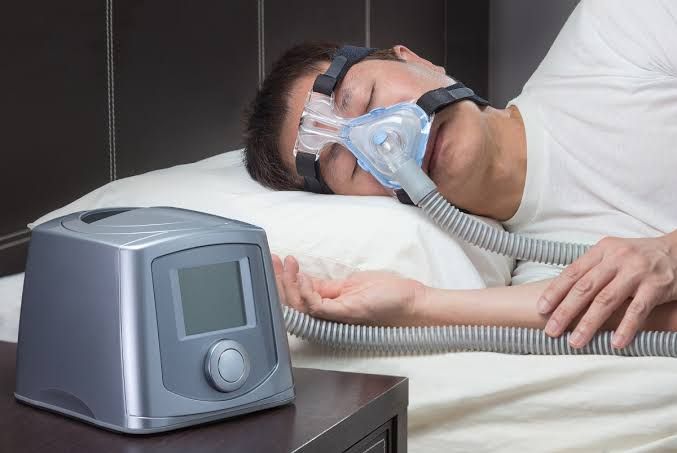
Yes, but under specific conditions. Most private health plans and Medicare cover continuous positive airway pressure (CPAP) devices, classified under Durable Medical Equipment (DME). To verify how does insurance cover cpap machine systems, you must provide a formal sleep study showing clinical necessity and a doctor’s prescription. Coverage is rarely a flat purchase; most providers use a “rent-to-own” arrangement over several months, contingent on your consistent compliance.
Detailed Breakdown of Insurance Rules
Navigating the health insurance landscape can feel overwhelming, especially when you are already dealing with the brain fog of poor sleep. If you are waking up with a racing mind or struggling with chronic tiredness, getting your cpap machine covered by insurance involves several critical phases:
- Clinical Sleep Study (Polysomnography): Your health insurance company will not authorize a CPAP device based on a simple complaint of daytime fatigue. You must undergo a monitored overnight sleep study or an approved home sleep test. This study measures your Apnea-Hypopnea Index (AHI), which tracks how many times your breathing pauses per hour.
- Prior Authorization: Your physician must submit a prior authorization request to your insurance company. This request documents your AHI score (typically requiring an AHI of 15 or higher, or an AHI of 5 to 14 with documented comorbidities such as high blood pressure or excessive sleepiness).
- Deductible and Co-Insurance: Under most plans, your DME benefits are subject to your annual deductible. This means you will pay out of pocket until your deductible is met, after which your insurance covers a percentage (typically 80%) while you pay the remaining co-insurance (usually 20%).
Furthermore, under what terms does insurance cover cpap machine purchases? Insurance providers rarely buy the machine outright. Instead, they implement a monthly rental period (usually 3 to 13 months). If you stop using the machine as directed, the insurance company may stop paying their share, leaving you with the choice to return the machine or pay the remaining balance yourself.
— Team Mind Body Dan
When is a CPAP Necessary vs. Lifestyle Tracking?
A CPAP machine is a clinical device intended for moderate-to-severe obstructive sleep apnea. It is not always the first step for general restlessness, mild snoring, or stress-related sleep issues. If you do not meet the clinical criteria for sleep apnea, a bulky, screen-heavy CPAP setup might be excessive and uncomfortable to sleep with.
For those struggling with general sleep quality, high stress, or inconsistent habits, a comprehensive monitoring tool like the Herz P1 Smart Ring can provide deep, actionable insights. Rather than undergoing intrusive medical studies, you can track your sleep stages (REM, Deep, Light), Heart Rate Variability (HRV), and daily recovery scores in an elegant, lightweight titanium ring without any subscription fees or screen distractions.
Understanding Compliance Rules & CPAP Supplies
The Strict Insurance Compliance Guidelines
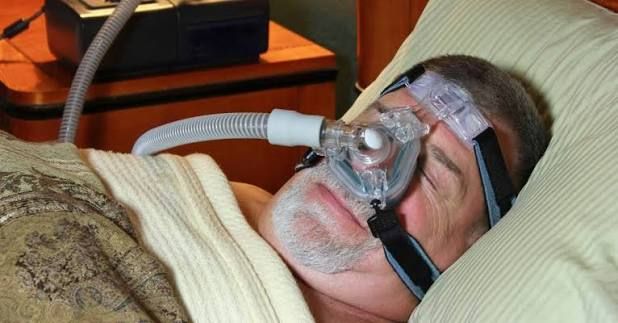
To ensure your CPAP machine covered by insurance stays fully funded during your rental phase, you must meet what is known as “therapy compliance.” Insurance carriers monitor this through cellular modems embedded directly in modern CPAP machines.
In most cases, compliance is defined by the “30-Day Rule” within the first 90 days of use. You must use your CPAP machine for at least 4 hours per night for at least 70% of the nights in any consecutive 30-day period. If your usage drops below this threshold, the insurer may decline to fund the device, requiring you to pay the full price out of pocket or return it.
Replacing CPAP Supplies with Insurance
Once you are set up with the machine, the costs do not end there. Masks, filters, tubing, and water chambers break down over time and require routine replacement to prevent bacterial growth and maintain proper air seals. Fortunately, ordering cpap supplies with insurance is standardized, though each provider outlines a strict replacement schedule:
- Nasal Cushions/Pillows: Every 2 weeks (2 per month).
- Full-Face Cushions: Once per month.
- CPAP Tubing (Heated or Non-heated): Every 3 months.
- Disposable Filters: 2 per month (replaced bi-weekly).
- CPAP Mask Headgear and Chin Straps: Every 6 months.
- Humidifier Water Chamber: Every 6 months.
When handling cpap supplies with insurance claims, make sure to request replacements only within these pre-approved windows. Submitting a claim too early will result in automatic denial, requiring you to pay the medical supply company out of pocket.
Hidden Out-of-Pocket Expenses to Watch Out For
While insurance covers a portion of CPAP hardware, there are several unexpected charges to keep in mind:
| Expense Item | Typical Status | Estimated Cost (Out of Pocket) |
|---|---|---|
| CPAP Sanitizing Devices | Not Covered | $150 – $300 |
| Travel CPAP Machines | Not Covered | $600 – $900 |
| Distilled Water | Not Covered | $1 – $3 per gallon |
| Comfort Straps & Pads | Varies by Plan | $15 – $40 |
Before ordering replacements, call your provider to determine if does insurance cover cpap machine parts and supplies without satisfying your yearly deductible. For many people, these recurring expenses and administrative hurdles highlight the need to focus heavily on foundational sleep health and recovery optimization.
Alternative Approaches: Screen-Free Recovery Tracking
Balancing Medical Support with Holistic Health
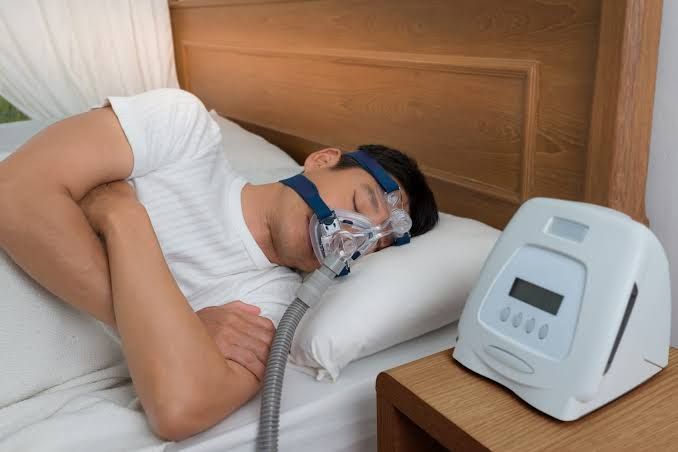
While CPAP therapy is a vital clinical protocol for severe obstructive sleep apnea, it does not address other common variables that disrupt sleep. A racing mind, late-night screen exposure, and poor recovery patterns cannot be managed by air pressure alone. This is where holistic biometric tracking becomes an invaluable partner to your sleep routine.
Many smartwatches are bulky, distracting to sleep in, and require daily charging. Keeping a glowing screen on your wrist can worsen nighttime awakenings. This realization has led many health-conscious individuals to transition to screen-free trackers like the Herz P1 Smart Ring.
Unlock the Science of Screen-Free Sleep Monitoring
Many modern trackers keep you glued to your screens, which can disrupt melatonin production. Reclaim your biological rhythms with an elegant, subscription-free titanium ring that monitors your body silently while you rest.
Tracking Key Biometric Trends for Deeper Recovery
How do we optimize sleep quality without getting overwhelmed by complex medical charts? We focus on high-impact biometrics:
- Sleep Stages (REM, Deep, Light): Tracking your sleep architecture ensures you are getting restorative deep sleep, which supports physical tissue repair, and REM sleep, which helps process memories and clear brain fog.
- Heart Rate Variability (HRV): Measuring the variation between heartbeats provides insight into your autonomic nervous system. A higher HRV suggests your body is resting and recovering well, whereas a lower HRV often indicates stress or incomplete recovery.
- Daily Recovery & Activity Score: Aggregating your biometric trends into a simple, single score helps you adjust your daily exertion levels, preventing burnout and encouraging better evening wind-down habits.
The Herz P1 Smart Ring packages these medical-grade metrics into a sleek, subscription-free companion. Designed for comfort, it allows you to wake up and view easy-to-read daily insights on your phone only when you choose to open the app, keeping your sleep environment entirely screen-free and tranquil.
Frequently Asked Questions
Does Medicare cover CPAP machines and supplies?
Yes. Medicare Part B covers CPAP therapy under Durable Medical Equipment. It covers an initial 3-month trial of CPAP therapy if you are diagnosed with obstructive sleep apnea. Medicare will continue coverage beyond three months if you meet with your doctor in person and document compliance using the device.
How often does insurance cover a new CPAP machine?
To confirm how does insurance cover cpap machine replacements, most carriers follow Medicare guidelines. They allow a new CPAP machine every 5 years, provided your current machine is no longer working properly or cannot be repaired, and your doctor verifies that you still require CPAP therapy.
Can I buy a CPAP machine outright without insurance?
Yes. You can purchase a CPAP machine from an authorized retailer with a valid prescription from your doctor. Buying cash-pay allows you to skip compliance tracking, but you will be fully responsible for all equipment, maintenance, and replacement supplies.
Ensure Your Setup Remains Compliant
Remember that to ensure your cpap machine covered by insurance remains funded, you should consistently communicate with your sleep specialist. Inform them of any issues like mask leaks or pressure discomfort as soon as possible, as these are the most common reasons patients drop below their required compliance hours.
For more detailed breakdowns on coverage policies and specific state insurance programs, please review our comprehensive guide on how does insurance cover cpap machine requirements and medical necessity evaluations.
Whether you are navigating the medical compliance pathways of a clinical CPAP machine or optimizing your sleep hygiene with the screen-free Herz P1 Smart Ring, taking control of your biometric trends is the most effective way to eliminate morning brain fog and reclaim your daily physical energy.
Disclaimer: Results may vary depending on individual physical activity levels, unique health conditions, and daily tracking patterns. The content in this article is for informational and educational purposes only and is not intended to substitute for professional medical advice, diagnosis, or treatment. Please consult with your insurance representative or primary care physician to verify coverage details specific to your medical policy.
