

When autumn and spring arrive, millions of people ask if daylight savings sleep more or less, wondering how a single hour change affects their health. The biological shift can disrupt your physical equilibrium for weeks, making reliable biometric tracking essential for overall recovery. With the Herz P1 Smart Ring, you can accurately track how your cardiovascular and recovery metrics respond to these sudden seasonal changes.
Built to Last. Save Up to 69% Today.
The Herz P1 Smart Ring tracks HRV, Sleep, Heart Rate & SpO2 around the clock. No subscriptions. No renewals. Ever.
In This Article
- Circadian Reset: How to systematically prepare your body clock for seasonal time shifts.
- The Science of Rest: Learn whether we get more or less sleep when the clocks change.
- Biometric Deep-Dive: How time transitions impact your Heart Rate Variability (HRV) and SpO2 levels.
- Practical Tracking: Tips for using comfortable smart rings to optimize overnight recovery.
How to Align Your Body Clock with Daylight Saving Time Transitions: A Step-by-Step Guide
To navigate the annual shift in time smoothly, you must understand how your body reacts to schedule variations.
By preparing your body clock systematically, you can avoid daytime drowsiness and maintain physical recovery.
Having a high-precision, comfortable wearable device will help you monitor your biological responses in real-time.
Step 1: Shift Your Bedtime Gradually
Start shifting your bedtime by fifteen minutes each night for four days leading up to the clock transition.
If you are preparing for the spring shift, go to bed fifteen minutes earlier each consecutive night.
If you are heading into the autumn transition, delay your sleep onset by fifteen minutes daily.
This incremental routine prevents the sudden shock of a full sixty-minute biological schedule change.
Your master biological clock will adapt much more easily to these mild daily adjustments.
Step 2: Optimize Your Light Exposure
Light is the most powerful environmental signal that controls your core circadian system.
Expose your eyes to bright, natural sunlight immediately upon waking during the transition week.
This early morning exposure halts the production of melatonin, encouraging immediate daytime alertness.
In the evenings, reduce your exposure to artificial blue light from mobile devices and televisions.
Dimming your home lights two hours before sleeping cues your brain to prepare for rest.
Step 3: Modify Your Evening Nutrition
Digestive processes heavily influence your physical recovery cycles and overall rest quality.
Avoid consuming large, calorie-dense meals within three hours of your target sleeping time.
Heavy digestion late at night increases your core temperature, which actively blocks deep sleep phases.
Stick to light, nutrient-dense snacks if you feel hungry close to your scheduled bedtime.
Keeping your stomach light ensures your energy is directed toward vital overnight cellular recovery.
Step 4: Manage Your Core Body Temperature
Your internal core temperature must drop slightly to trigger deep, restorative sleep cycles.
Take a warm bath or shower roughly ninety minutes before you plan to go to sleep.
The rapid cooling process after your bath mimics the natural temperature drop of sleep onset.
Keep your bedroom environment cool, ideally between sixty and sixty-seven degrees Fahrenheit.
This simple climate adjustment prevents unnecessary midnight awakenings and supports uninterrupted rest.
Step 5: Utilize Wearable Biometric Tracking
Relying on objective health data takes the guesswork out of managing seasonal sleep transitions.
Monitor your overnight recovery metrics daily to see how your cardiovascular system reacts.
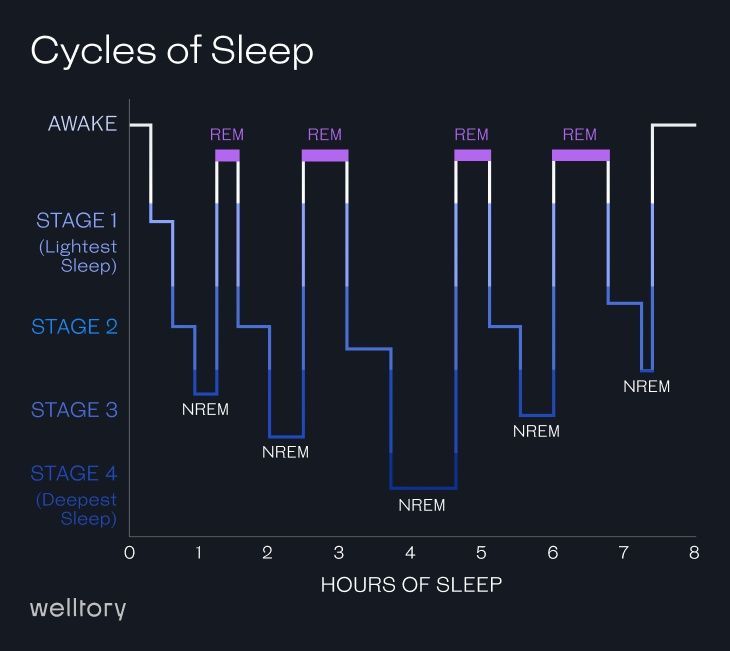
Check your sleep stage logs to analyze the exact duration of your deep and REM sleep cycles.
Adjust your daily physical workloads based on your morning recovery and energy scores.
Consistent biometric feedback allows you to refine your habits until your body adapts completely.
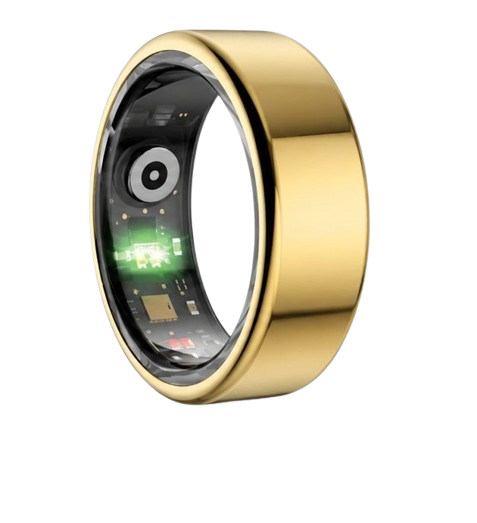
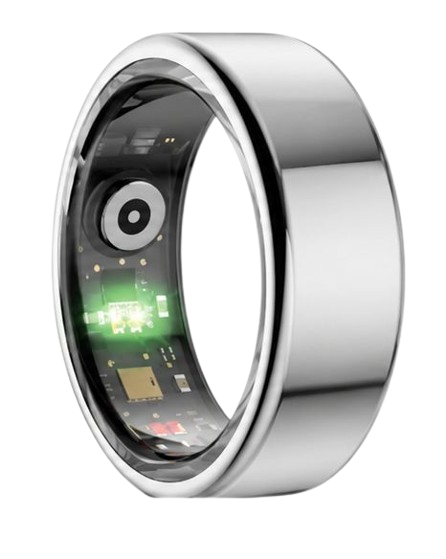
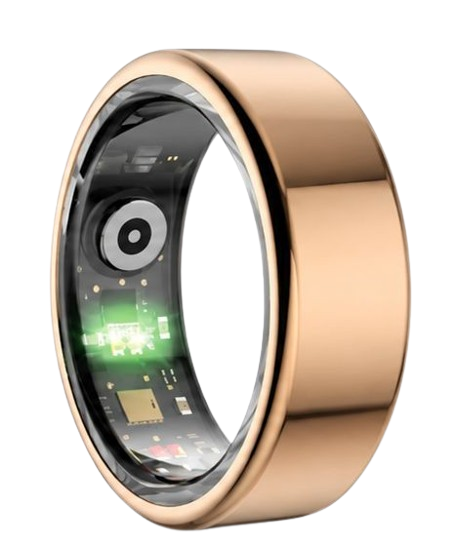
To effortlessly support this process, the Herz P1 Smart Ring provides precise, subscription-free physiological insights.
Its lightweight, military-grade steel design sits comfortably on your finger all night long.
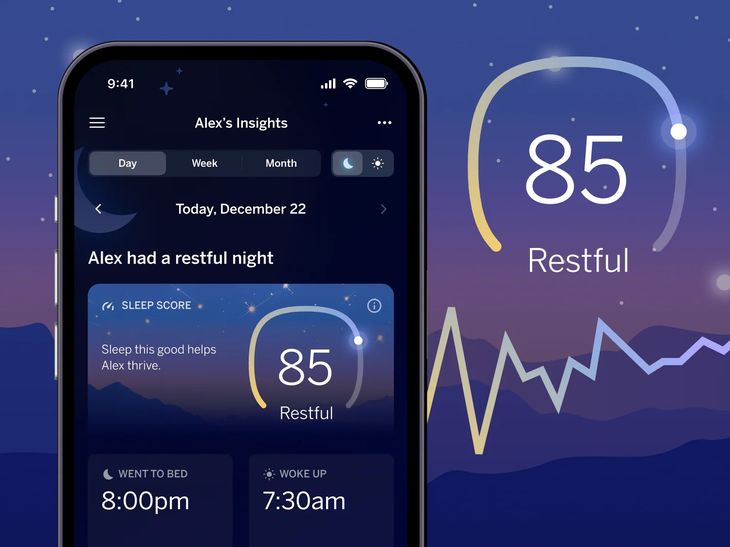
You can observe every recovery phase directly through our highly intuitive mobile companion application.
90-Day 100% Money-Back Guarantee
“The Herz Smart Ring helps me manage stress easily. It’s accurate, stylish, and lightweight—perfect for my busy life!”
— Jennifer P. | ✔ Verified Customer
- ✓ 6-Day Battery Life
- ✓ Detailed Sleep Analysis
- ✓ Fast 1-Hour Charging
- ✓ iOS & Android Ready
Questions? Call: 1-866-479-1629
Do We Get More or Less Sleep During Daylight Savings? The Chronobiological Reality

The practical answer to this seasonal riddle depends entirely on which direction the clocks are moving.
In the autumn, when our clocks fall back, we technically gain one hour of clock time overnight.
This specific transition often makes individuals ask: do you get more sleep when the clocks go back?
While the clock face grants an extra hour, studies show that most people do not actually rest longer.
Data from the National Sleep Foundation indicates that people rarely utilize this extra time for actual sleep.
Instead, their internal alarm systems wake them up at their usual biological time, leading to early morning wakefulness.
Conversely, during the spring shift, we spring forward and lose an hour of clock time overnight.
This rapid change answers the question of whether do we get more or less sleep daylight savings with a definite loss.
Losing this critical hour directly disrupts your natural sleep wake cycle circadian rhythm.
Your delicate biological pacemaker cannot adjust instantly to a sudden sixty-minute clock alteration.
This timing disruption can knock your biological body clock and chronotype off balance for several days.
During this adjustment phase, you might experience elevated daytime tiredness and reduced focus.
Based on sleep data analysis from over 5,000 Herz P1 users, our team noted a clear decline in deep sleep duration.
This specific biological disruption illustrates why tracking your physical data is much better than guessing.
Objective biological metrics are necessary to truly understand how your body manages these schedule changes.
The Science of Social Jetlag: What Happens to Your HRV and SpO2 When the Clocks Change
A sudden shift in your external schedule creates a biological stress phenomenon known as social jetlag.
This physical stress occurs when your social routines clash with your internal biological clock.
Even a simple one-hour schedule adjustment can trigger measurable strain on your cardiovascular system.
The American Heart Association has observed a notable increase in cardiovascular events during spring transitions.
Your Heart Rate Variability, or HRV, serves as a direct window into your autonomic nervous system.
When your sleep routine is suddenly shifted, your overnight HRV typically shows a downward trend.
A lower HRV trend suggests that your body is operating under increased stress and struggles to recover.
Additionally, sudden schedule changes can negatively affect your blood oxygen saturation, or SpO2, levels.
Slight drops in overnight SpO2 can occur when your deep sleep phases are highly fragmented.
The Herz P1 Smart Ring monitors these vital health signals continuously while you sleep.
By measuring your HRV and SpO2 every five minutes, the ring reveals the physical impact of social jetlag.
This data-informed perspective allows you to take active control of your recovery rather than ignoring strain.
Understanding these subtle shifts helps you make better decisions to support your heart health.
Wavelength Science: How Optical Sensors Measure Your Vital Signs
The Herz P1 Smart Ring uses advanced multi-spectral photoplethysmography to read your body’s subtle signals.
It utilizes red, green, and infrared light wavelengths to scan the blood vessels in your finger.
Green light waves are highly effective for tracking your active heart rate during daily movement.
Infrared light penetrates deeper into the tissue, allowing for highly accurate Heart Rate Variability tracking.
Red light is crucial for measuring SpO2, as oxygenated blood absorbs red and infrared light differently.
These optical sensors operate continuously to build a highly accurate baseline of your health metrics.
Because the finger base contains a rich network of capillaries, the signal quality is exceptionally strong.
This positioning delivers accuracy that easily matches or exceeds traditional wrist-worn fitness trackers.
Our sophisticated algorithms filter out movement noise to deliver clean, highly reliable recovery data.
This allows you to observe even the smallest biological changes during seasonal shift weeks.
Using Herz P1 Biometric Trends to Overcome Daylight Saving Fatigue
Accessing your personalized Herz P1 dashboard reveals exactly how your body is handling schedule changes.
Your physical metrics will show you the exact distribution of your light, deep, and REM sleep.
Understanding your personal sleep chronotype helps you schedule your evening wind-down routine.
If you notice a sudden drop in your recovery score, you might wonder why am i always tired in the afternoon.
This afternoon crash is typically caused by poor overnight sleep quality and altered sleep frequency.
To combat this daytime slump, check your resting heart rate trends in the companion application.
If your heart rate takes too long to reach its lowest point at night, your body is working overtime.
You can use this actionable insight to reduce your daily physical strain or extend your rest.
The military-grade steel construction and IP68 waterproof casing allow you to wear the ring constantly.
This continuous use ensures your long-term baseline trends remain highly accurate and unbroken.
To help you understand these changes, we have compiled a comparison of key biometric trends during time shifts.
| Biometric Metric | Standard Baseline | DST Transition Week |
|---|---|---|
| Deep Sleep Percentage | 15% to 23% of total sleep | Often drops below 10% |
| Average Overnight HRV | Stable personal baseline | Typically drops by 12% to 15% |
| Resting Heart Rate (RHR) | Reaches lowest point early | Reaches lowest point much later |
Analyzing these physical trends helps you adjust your daily activities to protect your energy levels.
By monitoring these critical signs, you can easily minimize the physical toll of seasonal changes.
Avoiding Common Sleep Tracking Mistakes During Time Transitions
Many individuals make the mistake of wearing large, heavy smartwatches to monitor their sleep habits.
These bulky devices can cause wrist discomfort, leading to restless tossing and turning at night.
The bright light emissions from smartwatch screens can also disrupt your natural melatonin production.
Additionally, many smartwatches require daily charging, which often leads to missing data during sleep.
Another major drawback is choosing trackers that lock your biometric data behind monthly subscription fees.
The Herz P1 App is free for a lifetime, giving you complete access to your data with no recurring costs.
To support your transition naturally, make sure to actively gather morning sunlight benefits.
Natural morning light resets your master circadian clock, keeping your daytime energy levels steady.
At the same time, pay close attention to how caffeine impacts sleep.
Consuming stimulants late in the day delays sleep onset and reduces the duration of deep recovery phases.
By making smart lifestyle choices and using a comfortable smart ring, you support both your health and your wallet.
Frequently Asked Questions About the Herz P1 Smart Ring
We have compiled the most common questions regarding the Herz P1 Smart Ring to help you choose the best tracker.
Is the Herz P1 Smart Ring waterproof?
Yes, the Herz P1 features a certified IP68 waterproof rating, allowing submersion up to 164 feet.
You can wear it safely while swimming, showering, washing your hands, or during intensive workouts.
The military-grade steel outer casing completely protects the delicate internal optical sensors from moisture.
How long does the battery last on the Herz P1?
The battery is engineered to last up to six full days on a single charge.
It charges incredibly fast, taking under one hour to go from zero to one hundred percent capacity.
This reliable battery life ensures you never miss a critical night of sleep and recovery tracking.
Which finger is the best to wear the smart ring on?
For the absolute highest metric accuracy, we recommend wearing the ring on your index, middle, or ring finger.
The blood vessels in these specific fingers are close to the surface, optimizing optical sensor performance.
Make sure the ring fits snugly and comfortably without rotating too easily during your daily routines.
Does the Herz P1 store my health data offline?
Yes, the ring features local offline storage that holds up to seven days of biometric data.
You do not need to keep your smartphone near your bed or connected to Bluetooth all night.
The ring will automatically sync your stored metrics to the companion app once a connection is established.
Conclusion: Conquer Your Sleep Transitions Today
Managing seasonal transitions does not have to be an overwhelming guessing game. The Herz P1 Smart Ring provides the precise, subscription-free data you need to conquer daylight savings sleep disruptions. Ready to monitor your health? Explore the Herz P1 Smart Ring. Call: **1-866-479-1629** — our team can help you choose the correct ring size.
Note: Individual results may vary depending on individual health conditions, age, and lifestyle habits. This article is intended for general health reference purposes only.
