

What Is CPAP Titration and What to Expect in a Study
Waking up gasping at 3 AM with a racing mind, a pounding heart, and thick morning brain fog is exhausting. If your airway is collapsing at night, a clinical specialist might recommend a CPAP machine. But how do they find your correct pressure? Through a clinical **cpap titration** study. While you prepare, monitoring your biometric trends with a screen-free tool like the Herz P1 Smart Ring provides invaluable baseline recovery data.
Take Back Your Sleep.
Take Back Your Life.
- Fall asleep faster & sleep deeper
- Stop waking up in the middle of the night
- Wake up refreshed & full of energy
Key Takeaways: What You Will Learn
- The Core Purpose: Understand how a cpap titration study determines your ideal therapeutic air pressure.
- The In-Lab Experience: What happens step-by-step during a clinical titration sleep study.
- Biometric Clues: How tracking metrics like Heart Rate Variability (HRV) and deep sleep stages helps you monitor recovery.
- Actionable Adjustments: Practical tips for navigating your first sleep titration study with confidence.
Understanding CPAP Titration: The Key to Restorative Sleep
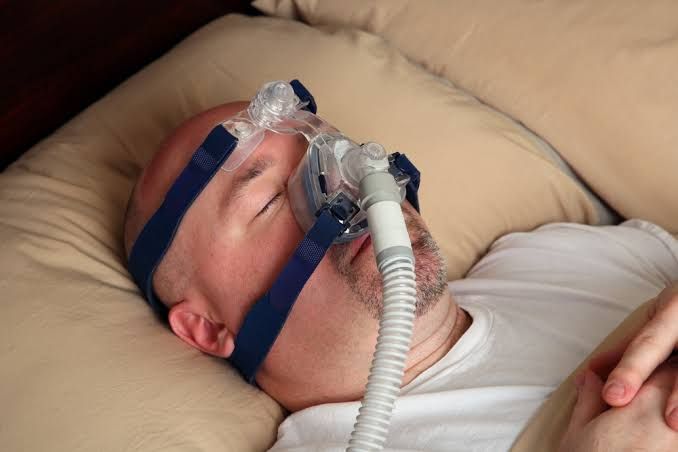
Yes, a CPAP titration is highly recommended if you have been diagnosed with moderate to severe obstructive sleep apnea. The short answer is that a cpap titration is the process of finding the exact, customized air pressure your body needs to keep your airway open during sleep. However, to choose the right tools for your long-term wellness journey, you need to understand how clinical studies compare with everyday biometric tracking.
When you have obstructive sleep apnea (OSA), the muscles in the back of your throat relax too much during sleep. This causes your airway to narrow or close completely as you breathe in. These blockages, known as apneas, starve your brain of oxygen, prompting your nervous system to wake you up briefly so you can reopen your airway. These micro-arousals are so short you often do not remember them, but they completely disrupt your sleep architecture. This leaves you feeling exhausted, foggy-headed, and anxious during the day. If you want to dive deeper into how these micro-arousals affect you, read our comprehensive guide on sleep apnea symptoms.
A continuous positive airway pressure (CPAP) machine acts as a “pneumatic splint,” delivering a steady stream of pressurized air through a mask to keep your airway open. However, everyone’s airway physiology is unique. A pressure that works perfectly for one person might be completely inadequate for another, or too high and uncomfortable for a third. That is where a clinical cpap titration study becomes necessary. During this overnight evaluation, a sleep technologist monitors your breathing and adjusts the air pressure in real-time to find the exact level that eliminates your apneas, hypopneas, and snoring.
Without a proper titration study, you are essentially guessing. If the pressure is too low, you will continue to experience breathing pauses, fragmented sleep, and low oxygen levels. If the pressure is too high, you may experience mask leaks, dry mouth, nasal congestion, or difficulty exhaling against the incoming air. This discomfort often leads people to stop using their machines entirely, leaving their sleep apnea unmanaged. A customized calibration helps ensure you can sleep comfortably through the night, allowing your body to transition smoothly between different sleep phases. You can read more about how these phases impact your daily energy in our article on sleep stages explained.
When to Use (and When Not to Use) a Titration Study
Understanding when a clinical titration is appropriate can help you advocate for your health more effectively. Here is a quick breakdown to help you self-identify your needs:
- When to Use:
- You have had an initial diagnostic sleep study confirming obstructive sleep apnea.
- Your physician has recommended standard CPAP or BiPAP therapy.
- You are currently using a CPAP machine but are still experiencing persistent daytime fatigue, morning headaches, or loud snoring.
- You have experienced significant weight changes, which can alter your airway geometry and pressure requirements.
- When Not to Use:
- You have not yet completed a diagnostic sleep study to confirm a sleep breathing issue.
- Your sleep issues are primarily caused by insomnia, restless legs syndrome, or circadian rhythm disruptions rather than physical airway obstruction.
- Your physician has prescribed an auto-adjusting CPAP (APAP) machine that automatically calibrates pressure at home, although a clinical titration sleep study is still considered the gold standard for precision.
Bridging Clinical Studies with Daily Biometrics
While a clinical cpap titration is essential for calibrating your medical equipment, it only provides a snapshot of a single night in an unfamiliar laboratory environment. True wellness optimization requires monitoring how your body responds to therapy over weeks and months in your own bed. This is where daily lifestyle tracking becomes incredibly valuable.
Many modern smartwatches offer sleep tracking, but they come with a major drawback: they are bulky, uncomfortable to wear to bed, and feature bright screens that can wake you up with sudden notifications. Furthermore, charging them daily can be a hassle. This is why many health-conscious individuals are turning to screen-free, lightweight alternatives like the Herz P1 Smart Ring.
Made of ultra-lightweight titanium, this ring sits comfortably on your finger, tracking sleep stages (REM, Deep, Light), Heart Rate Variability (HRV), and daily activity without distracting screens or vibrations. It consolidates these complex biometric data points into an intuitive daily Recovery Score. Best of all, it operates on a subscription-free model—no hidden monthly fees, just clear and actionable insights to help you monitor how your CPAP therapy is supporting your cardiovascular health and overall vitality over time.
Frequently Asked Questions About CPAP Titration
1. How does a diagnostic sleep study differ from a titration study?
A diagnostic study simply monitors your sleep to see if you have sleep apnea and how severe it is. A sleep titration study, on the other hand, introduces the CPAP device and focuses entirely on finding the right air pressure to prevent your airway from collapsing.
2. Can I perform a titration study at home?
Yes, in some cases, your doctor might provide an auto-adjusting APAP machine that collects data over several nights at home. However, an in-lab cpap titration study remains the most precise method because a trained technologist monitors your brain waves and breathing live, adjusting the pressure immediately as your sleep stages change.
3. Will I have to wear a CPAP mask during the titration?
Yes. The sleep clinic will have various mask styles—such as nasal pillows, nasal masks, or full-face masks. The technologist will help you find a comfortable fit before you go to sleep.
What to Expect During a Titration Sleep Study

Demystifying the process of a clinical titration sleep study can dramatically ease any anxiety you might feel. A typical study takes place overnight in a dedicated sleep clinic, designed to resemble a comfortable hotel room. Understanding exactly what happens step-by-step will help you prepare mentally and physically for the evening.
When you arrive in the evening, a sleep technologist will welcome you and explain the procedure. You will have time to change into your sleepwear and settle in. Next, the technologist will place several non-invasive sensors on your body. These sensors typically include:
- EEG (electroencephalogram) electrodes placed on your scalp to track brain wave activity, which helps identify your sleep stages.
- EOG (electrooculogram) sensors near your eyes to monitor eye movements, helping to identify REM sleep.
- EMG (electromyogram) sensors on your chin and legs to track muscle tension and movement.
- EKG (electrocardiogram) sensors on your chest to monitor your heart rate and rhythm throughout the night.
- Respiratory effort belts around your chest and abdomen to measure your breathing movements.
- A pulse oximeter on your finger to continuously measure your oxygen levels.
Once the sensors are in place, the technologist will help you select and fit a CPAP mask. You will spend a few minutes breathing with the machine turned on while awake to get used to the sensation of the pressurized air. If the air pressure feels too strong or if the mask leaks, the technologist will make adjustments. Finding a mask that feels secure yet comfortable is key to a successful cpap titration study.
After the initial setup, the lights will be turned off, and you will be encouraged to fall asleep as you normally would. While you sleep, the technologist sits in a nearby control room, monitoring the live data feed from your sensors. If they observe a breathing obstruction, snoring, or a drop in your oxygen levels, they will remotely increase the air pressure of the CPAP machine in small increments. This process continues throughout the night as you cycle through different sleep positions and stages.
In some cases, your doctor might order a “split-night” study. During a split-night study, the first half of the night is used to confirm sleep apnea (the diagnostic phase), and the second half is used for the sleep titration study. If you show signs of severe obstructive sleep apnea during the first few hours, the technologist will wake you up, fit the CPAP mask, and spend the remaining hours calibrating your pressure settings.
Sometimes, a standard CPAP machine is not the best fit. If you find it difficult to breathe out against a constant stream of air, the technologist may switch you to a BiPAP (bilevel positive airway pressure) machine. A BiPAP machine reduces the air pressure when you exhale, making breathing feel much more natural. This adjustment can be crucial for people who require higher pressure settings. Tracking how your cardiovascular system settles during these pressure changes can offer deep insights into your recovery. To learn more about how your body manages physical stress, check out our guide on how to improve HRV.
Preparing for Your Sleep Titration Study and Tracking Recovery
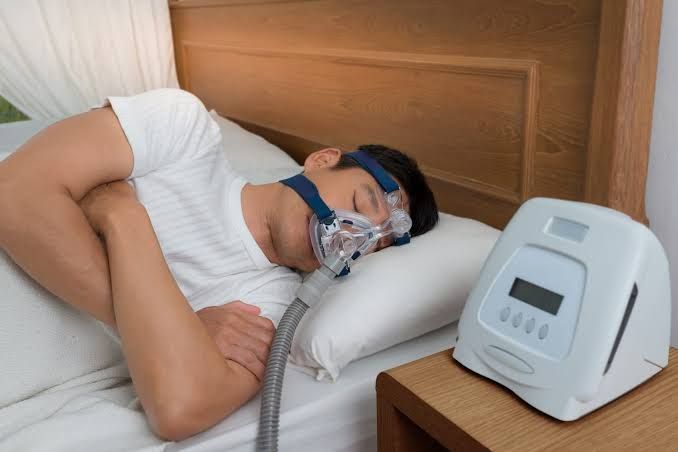
To get the most accurate results from your overnight titration study, a little preparation goes a long way. The goal is to replicate your usual sleep habits as closely as possible, even though you are sleeping in a laboratory setting with sensors attached to your body.
On the day of your study, avoid caffeine, alcohol, and energy drinks after midday, as these substances can disrupt your normal sleep patterns and make it harder to fall asleep. Wash and dry your hair, and avoid using heavy conditioners, hair gels, or body lotions, as these products can prevent the electrodes and sensors from adhering properly to your skin. If you have a favorite pillow or blanket, feel free to bring it with you; having familiar items can help you relax in a new environment. Keep your daytime routine as normal as possible to ensure you are naturally tired when bedtime arrives.
Once your clinical cpap titration is complete, the sleep specialist will analyze the data and write a prescription. This prescription will specify your optimal air pressure setting (measured in centimeters of water, or cm H2O) and the type of mask that worked best for you. Your medical equipment provider will then set up your home CPAP machine to match these exact specifications.
As you begin using your CPAP at home, you may experience a brief adjustment period. It is entirely normal to feel a bit clumsy with the mask at first. However, as your body adapts to breathing with the machine, you should notice a significant improvement in your sleep quality. You will likely spend more time in restorative phases of sleep, which are crucial for cellular repair and mental clarity. To understand how these deeper cycles support your body, read our guide on the importance of deep sleep.
Comparing Clinical Sleep Studies & Daily Biometrics
While a clinical titration study is vital for setting up your respiratory therapy, daily lifestyle trackers serve a completely different, complementary purpose:
- Clinical Studies: One-night medical assessments designed to monitor respiratory events and determine therapeutic settings.
- Daily Trackers: Multi-week lifestyle tools that track sleep architecture, trends in deep sleep, and overall recovery scores.
As your breathing stabilizes, your autonomic nervous system will begin to shift out of a chronic state of stress. When your airway is blocked, your body releases a surge of adrenaline, causing your heart rate to spike and your heart rate variability (HRV) to drop. Over time, successful CPAP therapy helps soothe this survival response, allowing your parasympathetic nervous system to take over. This shift is reflected in a rising HRV trend and a more stable resting heart rate.
To monitor these heart health trends, you do not need to rely on complex clinical machinery at home. Simple biometric tracking can show you how your body is responding to therapy. By tracking these subtle changes in your daily routine, you can make informed decisions about your lifestyle. Learn how incorporating mindful habits can support your sleep in our article on circadian rhythm tips.
Choosing a daily tracking tool that fits your lifestyle is key. For many, a comfortable, screen-free wearable is the most practical choice. It allows you to monitor your sleep architecture and cardiovascular recovery trends over time without adding to your daily screen time. For more information on how to choose the right tool for you, check out our breakdown of sleep tracker benefits.
Remember that while managing sleep apnea is a major step toward reclaiming your energy, persistent daytime fatigue can sometimes have other contributing factors. It is always helpful to look at your health holistically. To explore other potential reasons you might feel run-down, read our article on morning fatigue causes. By combining professional clinical care with consistent lifestyle tracking, you can take control of your sleep and enjoy brighter, more energetic days.
A Screen-Free Path to Sleep Awareness
If you are tired of bulky smartwatches that buzz all night and require daily charging, the Herz P1 Smart Ring offers a beautiful, subscription-free alternative. Crafted from ultra-lightweight titanium, it continuously monitors your deep sleep stages and HRV trends, giving you clear insights into your physical recovery—without the screen distraction. Discover more in our guide on wearable biometrics.
Disclaimer: Results may vary depending on individual physical activity levels, unique health conditions, and daily tracking patterns. The content provided in this article is for informational and educational purposes only and should not be considered a substitute for professional medical advice, diagnosis, or treatment. Always consult with a qualified healthcare provider regarding any medical condition or treatment plan.
