

Is Co Sleeping Safely with Your Baby Possible? Benefits, Risks, and Scientific Realities of Shared Rest
Are you struggling with 3 AM awakenings, non-restorative sleep, and brain fog while caring for your infant? Many parents turn to co sleeping to maximize rest, but navigating infant safety and maternal recovery can be overwhelming. Let’s look at the science of shared sleep and screen-free biometric recovery.
Take Back Your Sleep.
Take Back Your Life.
- Fall asleep faster & sleep deeper
- Stop waking up in the middle of the night
- Wake up refreshed & full of energy
Key Article Highlights
- Defining Shared Sleep: Unpacking the differences between close-proximity room-sharing and direct bed-sharing.
- Postpartum Sleep Architecture: How fragmented rest alters maternal REM, Deep, and Light sleep stages.
- Establishing Safe Boundaries: Concrete ways to mitigate sleep risks while keeping your baby close.
- The Science of Recovery: Using objective biometric markers like Heart Rate Variability (HRV) to assess parental stress levels.
- Screen-Free Tracking Solutions: Why a distraction-free, light wearable is the ideal choice for restorative nights.
Understanding Co Sleeping: Definitions, Safety Realities, and Critical Biometrics
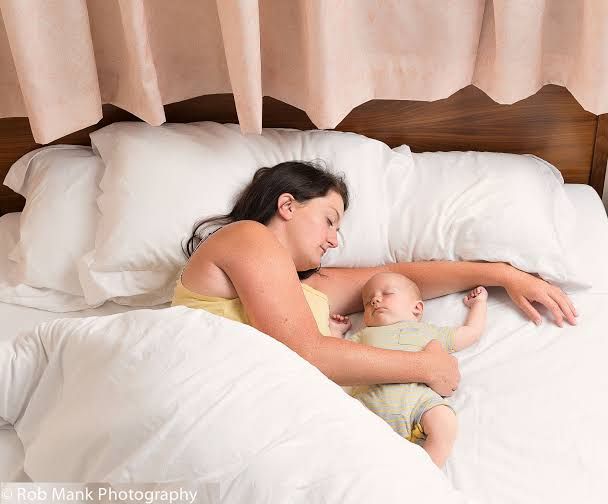
Quick Answer: Yes, but with strict safety conditions and physiological boundaries. The short answer is that while physical proximity can support maternal bonding and ease nighttime nursing, direct bed-sharing carries inherent sleep risks that must be carefully evaluated against pediatric safe sleep guidelines. To choose the right sleeping arrangement, you need to understand the structural differences between room-sharing, bed-sharing, and how chronic sleep deprivation impacts your recovery metrics.
When we discuss the practice of families sharing a sleeping space, the terminology can quickly become confusing. The umbrella term co sleeping refers generally to sleeping in close physical or environmental proximity to your infant. However, sleep specialists and pediatricians draw a vital line between two main practices:
- Room-Sharing: The infant sleeps in the same room as the parents, but on a separate, firm, dedicated sleeping surface (such as a bassinet, crib, or bedside co-sleeper). Major pediatric health organizations, including the American Academy of Pediatrics (AAP), strongly recommend room-sharing for at least the first six months of life, as it has been shown to reduce the risk of Sudden Infant Death Syndrome (SIDS) by up to 50%.
- Bed-Sharing: The infant sleeps on the same mattress or surface as the parents. This is often referred to as a safety guidelines challenge because adult beds are typically designed for adult comfort rather than infant safety, presenting potential hazards such as soft bedding, heavy duvets, and entrapment spaces.
For parents navigating the first year of life, the draw toward developmental benefits of co-sleeping can be powerful. The constant demands of a newborn sleep habits schedule mean that getting out of bed multiple times a night can leave mothers and fathers profoundly exhausted. This profound exhaustion is not just a mental state; it is a physiological crisis. Chronically disrupted sleep fractures your sleep architecture—the natural progression through light, deep, and REM sleep stages.
When you experience recurrent awakenings at 3 AM to soothe a crying infant, your body is repeatedly pulled out of deep slow-wave sleep. Deep sleep is the phase responsible for physical restoration, muscle recovery, and immune function. Meanwhile, REM sleep, which dominates the latter half of the night, is crucial for cognitive processing, emotional regulation, and memory consolidation. When you lose these critical phases, you experience the classic symptoms of postpartum brain fog, a racing mind, and a sense of chronic fatigue that no amount of morning caffeine can truly resolve.
When to Practice Room-Sharing vs. When to Avoid Bed-Sharing
Every family’s physical environment and physiological health profiles are unique. Understanding when a close-proximity sleep environment is beneficial—and when it is strictly contraindicated—is vital for keeping your baby safe and protecting your own physical recovery.
- When to Room-Share: Room-sharing is ideal for almost all families. It allows for rapid response to infant feeding cues, promotes regular breastfeeding, and keeps the baby within safe visual and auditory range without the physiological risks associated with sharing an adult mattress.
- When Bed-Sharing is Strictly Contraindicated: You should never practice direct bed-sharing on a sleep deprivation impacts scale if any of the following risk factors are present:
- The infant was born prematurely (before 37 weeks) or had a low birth weight.
- Either parent is an active smoker or smoked during pregnancy.
- Either parent has consumed alcohol, sedative medications, or any substance that impairs arousal and deepens sleep unnaturally.
- The sleeping surface is a couch, armchair, waterbed, or soft memory foam mattress.
- There are loose blankets, pillows, or heavy quilts near the infant.
If you find yourself struggling to stay awake while holding your baby in the middle of the night, the risk of accidentally falling asleep on an unsafe surface like a sofa is incredibly high. Recognizing these patterns through objective biometric monitoring can help you make safer, proactive decisions about your sleep environment.
Biometric Insight: The Impact of Sleep Fragmentation on HRV
Did you know that frequent nighttime awakenings cause a sustained elevation in your sympathetic nervous system activity? This shift can be monitored objectively via Heart Rate Variability (HRV). A drop in your nightly average HRV indicates that your body is in a state of high stress and is failing to recover. When you track these trends, you can identify exactly how much physical toll night care is taking, allowing you to coordinate rest shifts with a partner or adjust your daily schedule to prioritize recovery.
Modern Solutions for Sleep Tracking Without the Distraction
To navigate the exhausting landscape of early parenthood, keeping a close eye on your biometric data is highly valuable. However, many parents find traditional smartwatches bulky, uncomfortable to sleep in, and frustrating to charge every single day. More importantly, checking a bright smartwatch screen at 3 AM can emit blue light that suppresses melatonin production, further disrupting your ability to fall back asleep after soothing your baby.
This is where screen-free wearable technology changes the game. By monitoring your sleep with a premium, subscription-free device like the Herz P1 Smart Ring, you can capture clinical-grade biometric insights completely unobtrusively. Made from ultra-light titanium, the Herz P1 tracks your Sleep Stages (REM, Deep, Light), Heart Rate Variability (HRV), and daily physical strain to generate an intuitive Daily Recovery Score. It offers all of this without screen distractions, vibration alerts, or hidden monthly fees—helping you focus entirely on safe, restful sleep.
Frequently Asked Questions About Co Sleeping Safety
Q: Can co sleeping cause developmental issues or dependency?
A: No scientific evidence suggests that safe room-sharing or close-proximity sleeping causes negative psychological development. In fact, close responsive parenting is associated with secure attachment patterns. The key is ensuring that safety guidelines are always prioritized to prevent physical hazards.
Q: How do sleep stages differ when room-sharing?
A: When room-sharing, mothers and infants often experience synchronized sleep cycles. While this can lead to slightly lighter sleep overall, it can also make nighttime awakenings less jarring because the mother often wakes up in harmony with the baby’s lighter sleep phases, rather than being dragged out of a deep sleep stage.
Q: Why is tracking Heart Rate Variability (HRV) important for new parents?
A: HRV is a direct window into your autonomic nervous system. Tracking your HRV helps you see if your body is adapting to the stress of broken sleep, or if you are heading toward chronic physical burnout. It provides an objective look at your recovery beyond just “feeling tired.”
The Physiological Benefits and Real Risks of Shared Sleep Environments

When discussing biometric sleep tracking and infant care, we have to look closely at maternal-infant biological synchrony. Humans are contact-seeking mammals, and the postpartum period is defined by intense physiological cues. For thousands of years, maternal-infant proximity was a necessity for survival. Today, science helps us understand how this proximity affects both bodies on a biological level.
One of the most fascinating aspects of postpartum maternal recovery is how closely a mother’s heart rate, breathing patterns, and body temperature can synchronize with her baby’s when they sleep nearby. This phenomenon, known as physiological synchrony, helps regulate the newborn’s still-developing autonomic nervous system. The sound of the parent’s breathing acts as a gentle metronome, reminding the infant’s brain to maintain regular breathing patterns. Additionally, physical proximity supports thermal regulation, keeping the baby’s skin temperature stable.
From a feeding perspective, keeping your baby close facilitates successful breastfeeding. Proximity allows the mother to catch early feeding cues—such as rooting, stretching, or quiet squirming—before the baby starts crying. This responsive approach prevents the baby from becoming overly distressed, making it easier for them to latch and feed. It also prevents the mother’s cortisol levels from spiking, allowing both parent and child to transition back to sleep much faster.
– Team Mind Body Dan
Despite these clear biological benefits, direct bed-sharing with a newborn on a standard adult mattress introduces serious risks that cannot be ignored. Adult mattresses are often too soft for a newborn’s airway, which requires a completely flat, firm surface to prevent positional asphyxiation. Unlike adults, newborns lack the neck strength to lift their heads if they roll into a soft depression or if a heavy blanket covers their face. Additionally, soft pillows, bulky duvets, and mattresses with memory foam toppers can pose entrapment hazards.
For a parent experiencing severe sleep deprivation, these physical risks are amplified. When you are profoundly sleep-deprived, your brain can fall into “micro-sleeps” or enter deep, heavy sleep phases where your typical maternal instincts and natural awareness of your baby’s physical presence are drastically reduced. Under these conditions, the risk of rolling over or failing to notice a bedding obstruction increases significantly.
To balance the benefits of physical closeness with these safety concerns, room-sharing with a dedicated bedside co-sleeper or crib is often the ideal solution. It allows you to keep your baby close enough to touch and feed easily, while maintaining a safe, independent sleeping surface that protects your infant’s breathing and natural sleep cycles.
Actionable Steps to Set Up a Safe Sleep Space and Reclaim Maternal Recovery

If your family chooses to practice room-sharing or close-proximity sleeping, establishing a strict, hazard-free sleep space is absolutely essential. By taking these steps, you can create a safe environment for your baby while optimizing your own physical recovery during this demanding phase of life.
1. Establish a Dedicated Infant Sleep Surface
The safest way to keep your baby close is to use a bedside co-sleeper bassinet that attaches securely to your bed frame but maintains its own separate, firm mattress. If you are using a standard crib or bassinet, ensure it meets all current safety standards. The mattress must be completely firm, covered only by a tight, well-fitting sheet, with absolutely no pillows, blankets, bumper pads, or stuffed animals inside. Instead of loose blankets, use a wearable sleep sack to keep your baby warm safely.
2. Optimize Your Shared Sleep Environment
Keep your bedroom at a comfortable, cool temperature, ideally between 68°F and 72°F (20°C to 22.2°C). Overheating is a known risk factor for SIDS, so dress your baby in light layers and avoid overwrapping. Ensure your room is completely dark and quiet, or use a low, soothing white noise machine to mask sudden household sounds that might wake both you and your baby during lighter infant sleep cycles.
3. Practice Screen-Free Sleep Hygiene
When you are waking up at odd hours of the night to care for your baby, your sleep-wake cycles are incredibly fragile. Looking at a bright, glowing smartphone or smartwatch screen to check the time or look at notifications is one of the worst things you can do for your sleep hygiene. The bright light instantly signals your brain’s master clock that it is daytime, suppressing melatonin and making it incredibly difficult to fall back asleep once your baby is settled.
Instead, embrace a screen-free approach to sleep tracking. By wearing an elegant, lightweight smart ring, you can capture highly accurate sleep metrics completely in the background. You can let the technology work quietly for you, recording your sleep patterns without ever needing to look at a bright screen in the middle of the night.
Take Charge of Your Rest with Screen-Free Health Tracking
The journey of parenthood is beautiful, but the physical toll is real. To keep your recovery on track, you need simple, reliable health insights without the stress of bright screens or heavy, uncomfortable devices.
With the Herz P1 Smart Ring, you get comfortable, subscription-free sleep tracking designed to help you wake up refreshed and fully recovered.
4. Monitor and Optimize Your Recovery
Reclaiming your sleep health requires looking at your daily recovery trends. Pay close attention to your body’s recovery indicators, such as your resting heart rate and Heart Rate Variability (HRV). On days when your biometric tracker shows a low recovery score, make a conscious effort to adjust your physical load. Take a short nap during the day when your baby sleeps, delegate non-essential household tasks, and focus on simple, nourishing foods to help your body bounce back from nighttime awakenings.
By combining safe sleep practices with quiet, screen-free biometric tracking, you can protect your baby’s sleep environment while giving yourself the physical insights you need to stay healthy, energized, and present for your growing family.
Disclaimer: Results may vary depending on individual physical activity levels, unique health conditions, and daily tracking patterns. This article is intended for educational and informational purposes only. It is not a substitute for professional medical advice, diagnosis, or treatment. Always consult with your pediatrician or a qualified healthcare professional regarding any questions you may have about infant sleep safety or your postpartum recovery health.
