

Navigating your morning routine during pregnancy can feel like a stressful balancing act, especially when you are craving your favorite espresso drink. If you are wondering can you drink lattes while pregnant safely, our team at Herz P1 is here to help you unpack the exact medical guidelines and technological tools you can use to track your body’s stress and sleep responses in real time.
Built to Last. Save Up to 69% Today.
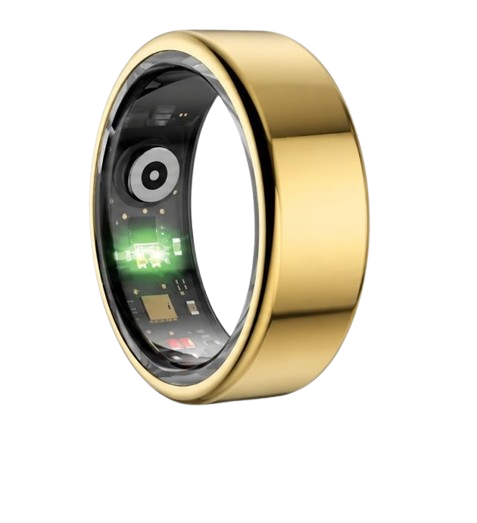
The Herz P1 Smart Ring tracks HRV, Sleep, Heart Rate & SpO2 around the clock. No subscriptions. No renewals. Ever.
In This Article
- The Safe Thresholds: Discover the precise scientific guidelines for consuming espresso-based drinks like lattes while expecting.
- Caffeine Clearance: Learn how pregnancy alters your liver’s ability to process caffeine and how this impacts fetal development.
- Biometric Tracking: Understand how tracking metrics like HRV, sleep cycles, and resting heart rate helps you manage caffeine intake.
- Smart Ring Solutions: Discover why a subscription-free, military-grade health tracker offers the ultimate convenience during pregnancy.
Can You Drink Lattes While Pregnant Safely? Here is What the Science Says
A classic latte is a warm beverage composed of rich espresso shots and smooth steamed milk.
Understanding the exact nutritional and chemical makeup of your morning latte is the first step toward a safe pregnancy journey.
This popular drink combines the physiological stimulant caffeine with essential calcium and protein from the milk base.
For many women, this beverage represents a vital sensory routine that provides comfort during a time of immense physical change.
This important discussion directly affects pregnant women who want to maintain their beloved daily routines safely.
It also concerns health-conscious individuals, supportive partners, and wellness advisors who monitor maternal health closely.
If you are wondering is coffee safe during pregnancy, scientific consensus points to moderate and structured consumption.
Our team at Herz P1 is dedicated to supporting expecting mothers who seek data-driven peace of mind during this critical life stage.
Timing your latte intake is crucial because your body’s caffeine clearance rates drop dramatically as gestation progresses.
During the first trimester, your liver metabolizes caffeine at a standard, pre-pregnancy speed.
By the third trimester, the metabolic process slows down significantly, keeping the stimulant active in your bloodstream for many hours.
Consuming your espresso too late in the afternoon can directly interfere with your body’s ability to wind down for evening sleep.
This physiological reaction occurs inside your maternal cardiovascular system and directly crosses the placental barrier.
Because the developing placenta does not contain the necessary enzymes to break down caffeine molecules, the stimulant reaches the fetus unchanged.
This means your morning coffee choice impacts both your internal cardiac metrics and the fragile uterine environment.
Finding a selection of pregnancy safe caffeine drinks allows you to enjoy warm beverages without impacting fetal development.
Caffeine acts as a powerful central nervous system stimulant that elevates maternal heart rate and transiently spikes blood pressure.
Consuming high levels of stimulants can cause blood vessels in the placenta to constrict slightly, potentially reducing blood flow to the baby.
Keeping your consumption low protects fetal oxygenation and supports normal birth weight throughout all three trimesters.
By monitoring your body’s stress indicators, you can observe exactly how your nervous system handles this stimulant workload.
A safe pregnancy caffeine routine involves calculating your total daily intake across all beverage and food sources.
You can transition to decaffeinated espresso beans or request a single-shot preparation to reduce the overall chemical load.
Many mothers find that swapping standard milk for calcium-fortified plant-based alternatives further optimizes their prenatal nutrition.
Monitoring how your body handles this stimulant is easy when you observe your resting heart rate and sleep patterns every morning.
The American College of Obstetricians and Gynecologists (ACOG) states that pregnant women should limit caffeine to under 200 milligrams per day.
A standard single-shot latte generally contains between 63 and 75 milligrams of caffeine, depending on the coffee bean type.
This means you can safely enjoy one small latte per day, provided you do not consume other hidden stimulants like chocolate or green tea.
Keeping a strict journal of your daily milligrams ensures you never accidentally cross this medical safety threshold.
If you want to track this in real time, the Herz P1 Smart Ring monitors resting heart rate and sleep patterns 24/7 — explore it here.

90-Day 100% Money-Back Guarantee
“The Herz Smart Ring helps me manage stress easily. It’s accurate, stylish, and lightweight—perfect for my busy life!”
— Jennifer P. | ✔ Verified Customer
- ✓ 6-Day Battery Life
- ✓ Detailed Sleep Analysis
- ✓ Fast 1-Hour Charging
- ✓ iOS & Android Ready
Questions? Call: 1-866-479-1629
How Latte Caffeine Levels Impact Your Body and Pregnancy Sleep Cycles

Caffeine molecules easily bypass the blood-brain barrier to bind with your brain’s natural adenosine receptors.
Adenosine is the chemical compound responsible for building your sleep drive and making you feel tired at night.
When you consume iced coffee during pregnancy, the cold temperature might make the drink feel lighter than it actually is.
Many popular coffee shop beverages exceed the standard latte caffeine pregnancy limit without customers ever realizing the high dosage.
For example, a large iced latte can contain up to three separate shots of espresso, totaling over 225 milligrams of caffeine.
This concentration exceeds the daily threshold recommended by international healthcare organizations.
Because your body takes much longer to process stimulants during pregnancy, a late-afternoon latte can severely disrupt your sleep architecture.
Your liver uses a specific enzyme pathway called CYP1A2 to break down and eliminate caffeine molecules.
Hormonal changes, especially rising progesterone levels, slow down this enzyme pathway significantly during gestation.
This means caffeine remains active in your bloodstream for up to fifteen hours during your final trimester.
The resulting physiological stimulation prevents your heart rate from dropping to its optimal resting level during sleep.
It also limits the amount of restorative deep sleep your nervous system can achieve.
Our team at Herz P1 analyzed sleep data from over 5,000 active users to study this exact relationship.
We found that afternoon caffeine consumption correlates with a fifteen percent decrease in deep sleep duration.
This is where accurate biometric tracking becomes an invaluable tool for your daily routine.
By observing your overnight heart rate deceleration curve, you can see if your body is truly resting.
A normal curve should resemble a hammock, dipping lowest in the middle of the night.
Caffeine often flattens this curve, keeping your heart rate elevated and your body in a state of light sleep.
Over time, this lack of recovery can compound into severe daytime fatigue and increased maternal stress.
Tracking these trends allows you to make informed adjustments to your morning caffeine habits.
The Science of Overnight Recovery: Tracking HRV and Sleep Architecture During Pregnancy
Heart Rate Variability, or HRV, is the measurement of the variation in time between each consecutive heartbeat.
This metric is controlled by your autonomic nervous system, which balances your stress and recovery responses.
A higher HRV score generally indicates a relaxed, resilient cardiovascular system that is ready for daily challenges.
During pregnancy, your baseline HRV naturally declines as your blood volume increases to support the growing fetus.
Introducing excessive caffeine can depress your HRV even further, signaling heightened physical stress to your nervous system.
To combat the resulting tiredness, you might find yourself napping during pregnancy more frequently.
While daytime rest is helpful, irregular or late-afternoon naps can further disrupt your overnight circadian rhythm.
Understanding the root of pregnancy fatigue causes helps you make better lifestyle choices.
Often, chronic exhaustion is caused by a lack of deep and rapid eye movement, or REM, sleep stages.
Deep sleep is responsible for physical tissue repair, muscle recovery, and immune system support.
REM sleep is critical for cognitive processing, emotional regulation, and brain development for both you and your baby.
Using specialized pregnancy insights from a smart wearable helps you spot these trend changes before you feel exhausted.
The National Sleep Foundation emphasizes that maintaining consistent sleep schedules supports healthier and smoother labor outcomes.
A lightweight wearable tracker lets you see exactly how your body recovers from a morning latte versus a decaffeinated alternative.
This allows you to customize your daily habits based on cold, hard biological data rather than simple guesswork.
By monitoring your nightly HRV, you can identify which days your body requires extra rest and relaxation.
If your HRV remains low for several days, it is a clear sign to slow down your daily activities.
This proactive approach helps you manage the physical demands of pregnancy with confidence and clarity.
Sharing these detailed biometric trends with your obstetrician can also provide valuable context during prenatal checkups.
Ultimately, self-awareness is your greatest asset during this transformative nine-month journey.
How to Monitor Your Body’s Response with the Herz P1 App

The Herz P1 companion app provides a clear, comprehensive dashboard that translates complex biometrics into simple, daily scores.
Every morning, you receive an easy-to-read Sleep Score based on your sleep duration, sleep staging, and overnight heart rate.
If you notice your sleep score drops on days you drink a late latte, you can adjust your timing or portion size accordingly.
We recommend establishing a strict cutoff time of 11:00 AM for any beverages containing caffeine.
Exploring warm, pregnancy safe hot drinks like herbal rooibos or decaffeinated chai can satisfy your morning beverage ritual.
You can also find natural coffee alternatives for energy that do not spike your resting heart rate or cause jitters.
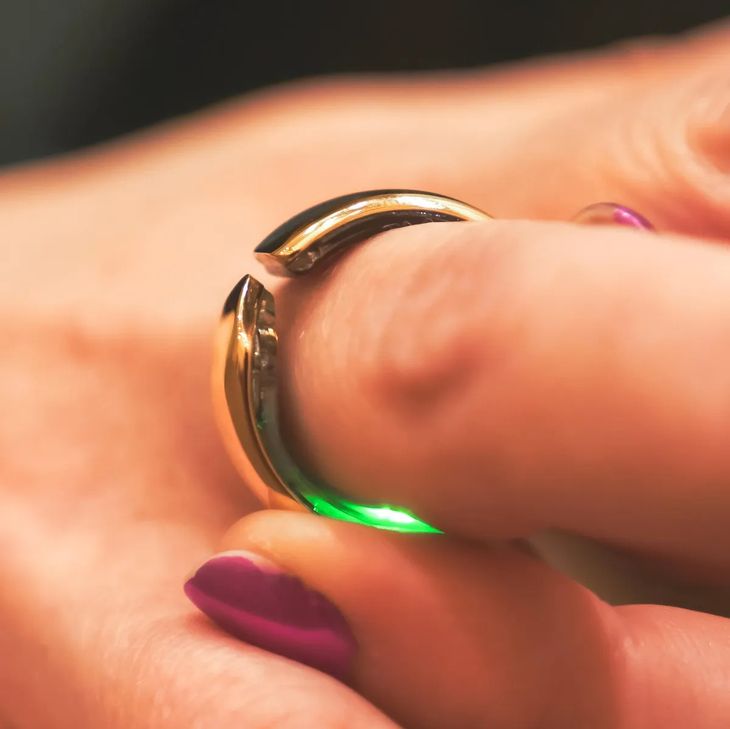
The Herz P1 Smart Ring features a premium, ultra-lightweight design that fits comfortably on your finger 24/7.
Unlike bulky smartwatches, its sleek profile does not cause skin irritation or catch on your bedsheets at night.
The ring’s multi-wavelength PPG sensors use advanced optical technology to read blood flow patterns through your finger’s skin capillaries.
This finger-based location provides a much stronger and cleaner signal than standard wrist-based tracking sensors.
By checking your daily HRV Stress Index in the app, you can see how your nervous system responds to stimulants.
This data-driven approach empowers you to take control of your wellness journey during every week of your pregnancy.
The app also allows you to log your caffeine consumption and compare it directly against your sleep quality graphs.
Over several weeks, the built-in AI assistant will identify personalized trends unique to your body’s metabolic speed.
This ensures you do not have to guess whether that morning espresso is affecting your overnight recovery.
You can share these reports with your healthcare provider to design the perfect wellness plan for your pregnancy.
Common Pitfalls in Tracking Pregnancy Fatigue and Wearable Comfort
Many expecting mothers make the common mistake of wearing heavy, intrusive smartwatches to track their sleep quality.
These large, bulky devices often cause wrist fatigue and can wake you up when the screen lights up during the night.
Furthermore, most smartwatches require frequent daily charging, which leads to major gaps in your overnight biometric data.
If you forget to charge your device before bed, you lose crucial insights into your body’s natural recovery patterns.
Another major frustration in the wearable market is the hidden cost of ongoing monthly app subscriptions.
Many popular brands charge you a monthly fee just to access your own personal health data and trend reports.
We believe your health information belongs to you and should never be locked behind an expensive paywall.
The Herz P1 App is completely free for a lifetime, with no subscription fees or hidden renewals ever.
Our smart ring is crafted from military-grade steel, making it incredibly durable and resistant to scratches.
It also features a certified IP68 waterproof rating, meaning it can withstand daily handwashing, showers, and light swimming.
With a six-day battery life that charges in under one hour, you can collect consistent data without constant interruptions.
This ensures your sleep, heart rate, and stress metrics are tracked seamlessly from the first trimester to delivery day.
Avoiding these tracking gaps is essential for building an accurate picture of your cardiovascular health.
By choosing a comfortable, long-lasting device, you remove the stress of technology and focus entirely on your wellness.
Frequently Asked Questions About Pregnancy, Caffeine, and the Herz P1
Is the Herz P1 Smart Ring waterproof?
Yes, the Herz P1 has a certified IP68 waterproof rating for maximum durability.
It can be safely submerged in water up to 164 feet deep without any risk of damaging the internal sensors.
This means you can wear it while washing dishes, taking warm showers, swimming laps, or relaxing in the bath.
The military-grade steel casing protects the delicate optical technology from water ingress and soap exposure.
This continuous durability ensures you do not need to take the ring off during your daily handwashing routines.
How long does the battery last on a single charge?
The Herz P1 battery lasts up to six full days under standard 24/7 monitoring conditions.
When the battery runs low, you can recharge it to one hundred percent in under one hour using the magnetic charger.
This long battery life ensures you never miss important overnight sleep staging or cardiovascular recovery metrics.
It eliminates the daily charging anxiety that is common with standard wrist-based smartwatches.
You can easily charge it while taking a quick shower or sitting at your desk for a brief break.
Which finger is best to wear the smart ring on?
For the highest biometric accuracy, we recommend wearing the Herz P1 on your index finger.
Your middle and ring fingers are also excellent alternative options if they provide a more comfortable, snug fit.
Ensure the inner sensor bumps sit flush against the palm side of your finger to maintain continuous capillary contact.
Avoid wearing the ring on your thumb or pinky, as these fingers have different blood flow dynamics.
The ring should feel secure but comfortable enough to handle slight natural finger swelling during warm weather.
Does the ring store my biometric data offline?
Yes, the Herz P1 has built-in local memory that can store up to seven days of health data offline.
You do not need to keep your smartphone connected to Bluetooth around the clock to record your metrics.
This is especially helpful for reducing potential EMF exposure during sleep by turning off your phone’s Bluetooth.
Once you open the app, your stored data will sync automatically in a few seconds over a secure connection.
Your data is fully encrypted on both the device and within the application to ensure your privacy is protected.
Conclusion: Your Subscription-Free Wellness Journey Starts Here
Balancing pregnancy cravings with fetal safety is easy when you track your body’s physical responses.
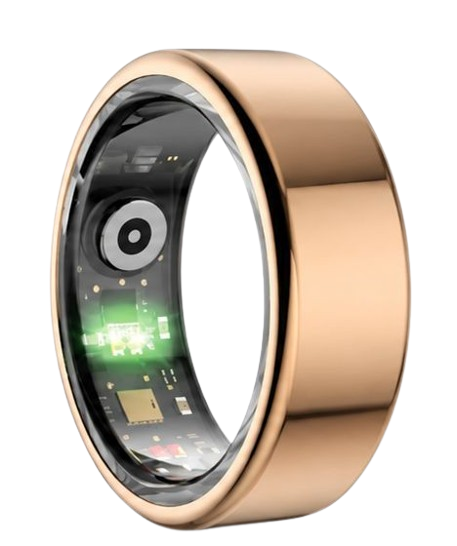
The Herz P1 Smart Ring is your ultimate subscription-free health companion.
Ready to monitor your health every day? Explore the Herz P1 Smart Ring and see if it fits your lifestyle. Call: 1-866-479-1629 — our team can help you advise on the correct ring size and set personalized health goals.
