

Can You Die from Sleep Apnea? Understanding the Risks, Biometrics, and Path to Recovery
Waking up with a racing mind, gasping for air, or experiencing profound daytime fatigue can feel terrifying. Many wonder: can you die from sleep apnea? At Team Mind Body Dan, we explore the clinical realities of sleep disorders, dissect critical physiological trends like heart rate variability, and showcase how a screen-free Herz P1 Smart Ring provides actionable health insights.
Take Back Your Sleep.
Take Back Your Life.
- Fall asleep faster & sleep deeper
- Stop waking up in the middle of the night
- Wake up refreshed & full of energy
Article Key Highlights:
- The Mortality Link: While dying suddenly from a single pause in breathing is rare, the physiological strain of untreated sleep apnea significantly increases long-term cardiovascular risks.
- The Cardiac Connection: Sleep apnea triggers sudden drops in blood oxygen levels, resulting in surging blood pressure, elevated cortisol, and severe autonomic imbalance.
- Biometric Monitoring: Tracking markers like Heart Rate Variability (HRV) and Sleep Stages helps you monitor your body’s stress response and nighttime recovery patterns.
- Screen-Free Recovery: Using an elegant, screen-free wearable like the Herz P1 Smart Ring allows you to monitor vital recovery metrics without the blue-light disruption of smartwatches.
The Science of Nighttime Oxygen Deprivation: Can You Die from Sleep Apnea?

Quick Answer
Yes, but the risk is rarely about suffocating in an instant. The short answer is that untreated severe sleep apnea elevates your risk of premature death, primarily by triggering chronic heart strain, sudden cardiovascular events, and strokes. However, to choose the right lifestyle tracking products and clinical intervention strategies, you must understand how these respiratory disruptions shape your body’s recovery trends over time.
Detailed Breakdown of the Cardiovascular Toll
When looking at the question, can you die from sleep apnea, we have to look past the throat and focus directly on the cardiovascular system. Sleep apnea is categorized into Obstructive Sleep Apnea (OSA)—where physical tissue blocks the airway—and Central Sleep Apnea (CSA), which occurs when the brain fails to send the proper signals to your breathing muscles.
In both cases, breathing stops for ten seconds or longer, sometimes up to a minute, dozens of times an hour. As your airway collapses, your blood oxygen levels plummet, a state known as hypoxia. Your brain panics, registers a survival emergency, and releases a flood of stress hormones like cortisol and adrenaline to wake you up just enough to gasp for air. This micro-arousal causes a sudden spike in blood pressure and heart rate.
This constant cycling between oxygen deprivation and sudden adrenaline surges is why many individuals worry about sleep apnea dying risks. Over time, this repetitive stress remodels the heart tissue, thickens the arterial walls, and creates a breeding ground for cardiac arrhythmias, specifically atrial fibrillation. This is the mechanism behind why some fear that they can you die in your sleep.
— Team Mind Body Dan Health Research Group
When to Seek Medical Evaluation vs. When to Track Your Rest
Understanding your body’s limits is key. You must separate clinical diagnostics from daily biometric tracking.
- When to see a medical professional immediately: If you experience loud, disruptive snoring interrupted by choking or gasping sounds, severe daytime sleepiness that impairs your driving, or morning headaches. A physician can perform a polysomnography (sleep study) to formally evaluate you.
- When to use lifestyle tracking tools: If you are looking to monitor the baseline quality of your sleep stages, observe how lifestyle factors (like late dinners or alcohol consumption) impact your heart rate variability (HRV), or check your recovery trends as you transition toward healthier daily routines.
Supporting Your Recovery Journey
Clinical treatments like Continuous Positive Airway Pressure (CPAP) are the gold standard for severe cases. However, understanding the overall stress your sleep places on your body requires tracking how well you recover each night. Traditional smartwatches can be bulky, uncomfortable to sleep in, and act as sources of blue light distraction right before bed, which further delays your body’s transition into deep sleep.
This is where a screen-free tool like the Herz P1 Smart Ring excels. Crafted from lightweight, medical-grade titanium, it sits comfortably on your finger without distracting screens, vibration alerts, or charging fatigue. It tracks your overnight HRV and maps your sleep stages (REM, Deep, and Light) without any subscription fees, letting you observe baseline trends in your recovery without adding to your digital anxiety.
Section FAQ
Q: Can you die from sleep apnea directly?
A: It is rare to pass away solely from a single breathing pause. Instead, the risk of sleep apnea dying events stems from long-term cardiovascular stress, heart attacks, or strokes triggered by chronic oxygen deprivation.
Q: Does sleep apnea shorten your life expectancy?
A: Yes, clinical studies indicate that untreated moderate-to-severe sleep apnea can significantly reduce lifespan due to its direct links to heart disease, hypertension, and insulin resistance.
Q: Can you die in your sleep from sleep apnea?
A: Sudden cardiac death during sleep is a documented risk for people with severe, untreated obstructive sleep apnea, particularly between the hours of 12 AM and 6 AM, when the heart is vulnerable to oxygen drops.
Q: Can you die from not using your cpap machine?
A: Not using your prescribed CPAP machine does not cause immediate death on night one, but over months and years, the recurring oxygen drops increase your long-term mortality risk. For details, read our section on can you die from not using your cpap machine below.
The Biometrics of Sleep Recovery: HRV, Sleep Stages, and Cardiovascular Strain

When exploring the fundamental question, can you die from sleep apnea, looking closely at your body’s autonomic nervous system provides crucial answers. During a normal night’s sleep, your body is meant to transition into a parasympathetic-dominant state, often called the “rest and digest” phase. In this state, your blood pressure drops, your heart rate slows down, and your body begins repairing cellular damage.
However, for those with sleep apnea, this restorative dip never fully occurs. Instead, because of the frequent respiratory pauses, the sympathetic nervous system (“fight or flight”) remains highly active all night. By understanding the biometrics behind this constant state of survival, we can better understand the underlying physiology.
Heart Rate Variability (HRV) as a Window to Systemic Stress
Heart Rate Variability (HRV) is the measurement of the variation in time between each consecutive heartbeat. This variation is regulated by your autonomic nervous system.
- A high HRV indicates that your nervous system is balanced, resilient, and capable of recovering quickly from physical or emotional stress.
- A low HRV suggests that your body is locked in a sympathetic-dominant state of stress. This is common when your sleep is interrupted by breathing difficulties or frequent awakenings.
By monitoring your baseline HRV trends overnight, you can observe how hard your cardiovascular system is working. If you notice a consistently low HRV paired with feelings of morning exhaustion, it’s a clear signal that your body is not getting the deep, restorative rest it needs to recover.
Decoding Sleep Stages: REM vs. Deep Sleep
True rest is about more than just the hours you spend in bed; it is about the quality of your sleep stages. Sleep is divided into distinct cycles containing Light Sleep, Deep Sleep (N3), and REM (Rapid Eye Movement) Sleep.
Deep Sleep is when your body releases growth hormones, repairs muscle tissue, and strengthens its immune system. REM sleep is where cognitive restoration, emotional processing, and memory consolidation happen.
For individuals experiencing sleep apnea, the brain frequently jolts itself awake right before entering deep or REM sleep to restore breathing. This results in severe fragmentation of sleep architecture. You might spend eight hours in bed but receive almost zero deep or REM sleep, leading to the classic symptoms of “brain fog,” memory lapses, and chronic fatigue.
Why Bulky Smartwatches Can Undermine Your Recovery
Many turn to advanced smartwatches to track their sleep. However, these devices often feature bright, high-resolution screens that invite pre-bed scrolling, require frequent charging, and can feel heavy or uncomfortable on your wrist during the night. The light and physical bulk can interfere with natural sleep transitions, adding to the exact stress you are trying to minimize. A lightweight, screen-free alternative like the Herz P1 Smart Ring tracks sleep stages and HRV effortlessly, offering a comfortable, distraction-free solution.
Using technology to keep an eye on these trends helps you make data-informed adjustments to your daily routine, such as changing your sleeping position, avoiding heavy meals late at night, or limiting alcohol. Over time, observing a steady rise in your baseline overnight HRV and seeing a healthier balance of sleep stages can reassure you that your recovery is moving in the right direction.
CPAP Compliance and Smart Sleep Tracking: Bridging the Gap
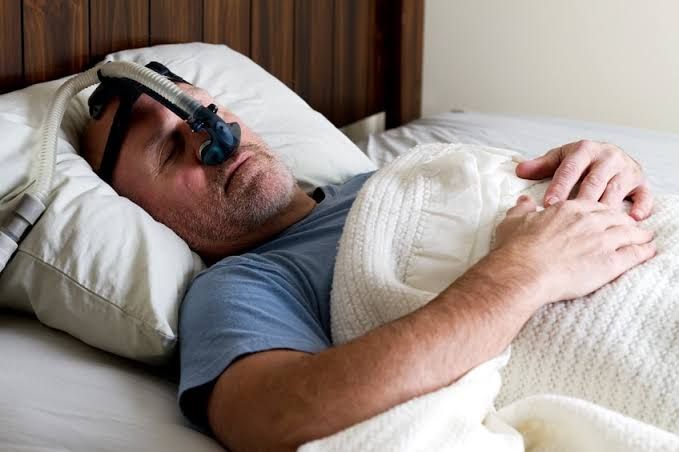
The Reality of CPAP Machine Discomfort
For those diagnosed with moderate-to-severe sleep apnea, a Continuous Positive Airway Pressure (CPAP) machine is often prescribed. The CPAP functions by delivering a continuous stream of pressurized air through a mask, keeping the airway open and preventing oxygen drops. However, compliance is a major challenge for many users.
Studies show that a significant percentage of patients struggle to use their CPAP machines consistently. This is where the concern can you die from not using your cpap machine often arises. The masks can feel restrictive, dry out the nasal passages, or leak air, disrupting sleep for both the user and their partner.
When patients experience “compliance fatigue,” they frequently stop using the device altogether. Doing so leaves them exposed to recurring nighttime oxygen drops, which can lead to high blood pressure, atrial fibrillation, or sudden cardiac events. While you may not face immediate danger on night one without a CPAP, the cumulative strain of untreated airway blockages over years is where the risk lies.
A Holistic Approach to Rest and Recovery
Whether you are currently adjusting to your CPAP therapy or exploring positional and lifestyle modifications under medical supervision, monitoring your sleep metrics can offer valuable feedback on your progress.
By keeping an eye on your nightly recovery patterns, you can see how lifestyle adjustments or medical therapies directly impact your body’s resting state. Are your deep sleep cycles extending? Is your heart rate dropping into a healthier range during sleep? Is your resting heart rate stabilizing? These are objective signs that your body is spending less time in fight-or-flight mode and more time in restorative rest.
Reclaim Your Nighttime Peace of Mind
If you are ready to move away from bulky smartwatches, complex charts, and recurring monthly subscription fees, the Herz P1 Smart Ring offers a simple, screen-free way to keep an eye on your rest. Crafted from lightweight titanium, it tracks your sleep stages, resting heart rate, and HRV trends automatically, giving you clear insights into your nightly recovery.
Empower Your Recovery with the Right Mindset
Anxiety can often worsen sleep troubles. Lying awake at 3 AM worrying about whether you are sleeping well can create a self-fulfilling cycle of stress. Instead of viewing your sleep as a problem that needs to be solved, focus on consistency, patience, and lifestyle-informed tracking.
If you suspect you have sleep apnea, consult a medical professional to explore treatment options like a CPAP or oral appliances. Alongside your medical care, using a screen-free tracking tool can help you monitor trends in your recovery without adding to your daily stress.
Disclaimer: Results may vary depending on individual physical activity levels, unique health conditions, and daily tracking patterns. The content on Mind Body Dan, including all insights and wearable metrics discussed, is for educational purposes only. It is not intended to diagnose, treat, or replace professional medical advice or a clinical evaluation for sleep apnea or other medical conditions.
