

5 Best Travel CPAP Machine Options for Portable Sleep Apnea Therapy
Struggling with non-restorative sleep and 3 AM awakenings while traveling? Finding the right best travel cpap machine is key to maintaining therapy on the go. To monitor if your sleep quality actually improves, pairing therapy with a screen-free Herz P1 Smart Ring provides precise, subscription-free physiological insights.
Take Back Your Sleep.
Take Back Your Life.
- Fall asleep faster & sleep deeper
- Stop waking up in the middle of the night
- Wake up refreshed & full of energy
- Discover the lightest and quietest FAA-approved travel CPAP machines for frequent flyers.
- Learn why standard CPAP metrics don’t tell the full story of your physiological recovery.
- Explore how a screen-free biometric ring tracks actual REM and Deep Sleep phases without the distraction of a phone screen.
- Compare travel humification systems, sound levels, and battery setups for camping or transit.
Top Portable Sleep Solutions: Choosing the Best Travel CPAP Machine
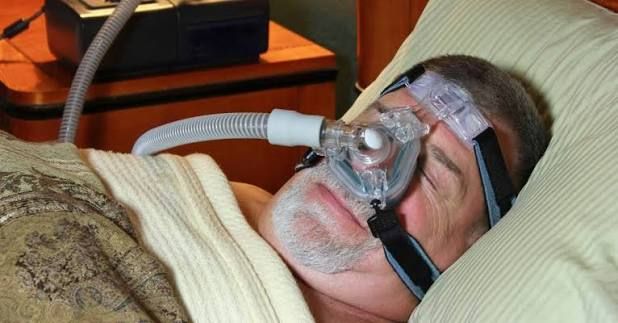
Traveling with sleep apnea often feels like a balancing act between health and heavy luggage. Many of us are familiar with the frustration of packing a bulky home CPAP machine, untangling cords in hotel rooms, and feeling self-conscious at TSA checkpoints. The constant worry about sleep quality, combined with morning brain fog and a racing mind before bed, can turn a relaxing vacation or productive business trip into an exhausting ordeal. Choosing a portable cpap machine that matches your lifestyle is vital to keeping your airways supported, ensuring your travel days are defined by energy rather than exhaustion.
Our Rigorous Selection Criteria
When evaluating the best portable sleep systems, our team looks beyond manufacturer spec sheets. We test and analyze these devices based on real-world constraints: physical weight, decibel levels under actual pressure, waterless humidification effectiveness, power options, and ease of maintenance. True sleep recovery, however, requires a holistic approach. While a travel machine maintains physical airway patency, it doesn’t measure how well your body actually transitions through critical sleep cycles. That is why we evaluate these devices alongside lifestyle-friendly, unobtrusive biometric tools to ensure you get a complete, data-informed picture of your nightly rest.
In the table below, we compare the top-performing travel cpap machine models alongside our favorite companion tracking device, illustrating how physical airway support and biometric tracking work hand-in-hand.
| Device Name | Weight | Sound Level | Key Feature | Best For |
|---|---|---|---|---|
| ResMed AirMini | 0.66 lbs | 25-30 dBA | HumidX Waterless Humidification | Ultra-light backpackers & frequent flyers |
| DreamStation Go | 1.88 lbs | 30 dBA | Built-in power supply block | Business travelers wanting standard tubing |
| Transcend Micro Auto | 0.48 lbs | 27 dBA | Smallest form factor on the market | Minimalist pack-light enthusiasts |
| Breas Z2 Auto | 0.65 lbs | 26 dBA | Z-Breathe pressure relief | Light sleepers sensitive to pressure swings |
| Herz P1 Smart Ring | 0.01 lbs (titanium) | Silent | Subscription-free tracking (HRV, Sleep Stages) | All travelers monitoring actual recovery quality |
1. ResMed AirMini (The Industry Gold Standard)
The ResMed AirMini is widely considered the premium benchmark for a reason. Weighing just over half a pound, this pocket-sized powerhouse offers the exact same therapeutic pressure algorithms as ResMed’s standard bedside units. Its innovative waterless humidification system (HumidX) utilizes a tiny paper cartridge that recycles moisture from your breath, eliminating the need to pack distilled water when you travel.
While using this travel cpap on the road, users enjoy its compact nature, though some note that the venting design on the proprietary mask connection can make a slightly louder “whooshing” sound than standard bedside setups. It’s an excellent investment for frequent flyers who value brand reliability and minimal luggage space.
Strengths: Highly portable; excellent waterless humidification; robust app integration.
Weaknesses: Requires proprietary ResMed masks; can be slightly louder than larger bedside machines.
Ideal User: The frequent business traveler who wants a reliable, name-brand solution that slips easily into a briefcase.
2. Philips Respironics DreamStation Go
The DreamStation Go strikes an elegant balance between a lightweight portable machine and a fully functional bedside unit. It features an integrated power brick, which means you don’t have to carry a massive external power brick in your bag. Additionally, it features a highly intuitive color touchscreen that makes adjustments straightforward, even in a dark hotel room.
It is highly compatible with standard, non-proprietary 12mm or 15mm tubing, giving you the freedom to choose your favorite mask. However, it is slightly heavier than its direct competitors, weighing in at nearly two pounds.
Strengths: Built-in power block reduces cord clutter; highly intuitive touchscreen; standard mask compatibility.
Weaknesses: Noticeably heavier and bulkier than other travel units.
Ideal User: Road-trippers or travelers who prefer standard tubing and do not mind a slightly larger device.
3. Transcend Micro Auto
If saving pack space is your absolute priority, the Transcend Micro Auto is hard to beat. It is currently the smallest and lightest auto-adjusting travel machine available. Fitting comfortably in the palm of your hand, it features an option for waterless humidification and can be paired with a compact, FAA-approved battery pack for camping trips or overnight flights.
While its size is revolutionary, some users find that the machine’s motor produces a higher-pitched sound than larger models. The company includes a physical muffler in the box, which helps reduce this acoustic feedback, but light sleepers may still require earplugs.
Strengths: Incredibly small and light; works with any standard CPAP mask; battery-ready.
Weaknesses: Higher pitch motor noise without the included muffler installed.
Ideal User: Wilderness backpackers and minimalist travelers who measure their gear in ounces.
4. Breas Z2 Auto
The Breas Z2 Auto is designed specifically with light sleepers in mind. It uses a proprietary algorithm called Z-Breathe, which temporarily reduces pressure during exhalation, making breathing feel far more natural and reducing that claustrophobic feeling many users complain about. This makes it easier to fall asleep when your mind is racing after a long day of travel.
It is exceptionally quiet, operating at a low dBA level that won’t disrupt your sleeping partner. However, setting up its waterless humidification system requires a few extra adapters, which can feel slightly tedious during quick hotel stays when using this travel size cpap.
Strengths: Quiet operation; natural exhalation breathing relief; very lightweight.
Weaknesses: Humidifier integration feels slightly complex and requires extra parts.
Ideal User: Light sleepers who struggle to exhale against standard, continuous positive airway pressure.
As a wearable technology specialist, I must emphasize a vital scientific truth: keeping your airway open is only half the battle. A CPAP machine tracks compliance and airway blockages (your Apnea-Hypopnea Index), but it cannot tell you if you actually spent enough time in deep, restorative sleep or REM sleep. If you wake up with brain fog despite your CPAP app showing “100% compliance,” your sleep architecture may still be fragmented due to stress, travel fatigue, or the discomfort of the mask itself. Tracking these trends with a screen-free biometric tool is the best way to objectively verify your body’s recovery.
5. Herz P1 Smart Ring: The Complete Sleep Quality & Recovery Tracker
While a travel CPAP physically addresses airway obstructions, the Herz P1 Smart Ring provides the biological proof that your body is genuinely resting. Many travelers are dissatisfied with bulky smartwatches that glow in the dark, require daily charging, and disrupt sleep. The Herz P1 offers a elegant, screen-free alternative designed for pure comfort.
Crafted from medical-grade, ultra-lightweight titanium, this ring sits unobtrusively on your finger all night. It features advanced biometric sensors that monitor your Heart Rate Variability (HRV), resting heart rate, and body temperature. Instead of overwhelming you with hard-to-read graphs, it translates these complex algorithms into an intuitive Daily Recovery Score and detailed analyses of your Sleep Stages (Deep, REM, Light).
One of the most appealing features of the Herz P1 is its completely subscription-free model. Unlike other high-end fitness rings on the market that lock your metrics behind a steep monthly fee, the Herz P1 allows you to buy the device once and own your physiological data forever. It’s the ultimate tool for proving whether your portable CPAP therapy is actually downregulating your autonomic nervous system and providing the restorative sleep you deserve.
Strengths: Subscription-free lifetime data access; screen-free titanium build prevents late-night blue light exposure; tracks precise HRV and sleep architecture; exceptionally comfortable compared to wrist-worn trackers.
Weaknesses: Does not deliver positive airway pressure (it is designed to be worn alongside your CPAP to monitor true recovery trends).
Ideal User: Anyone wanting to verify if their sleep hygiene, travel adjustments, or CPAP therapy are successfully translating into actual physical and mental recovery.
Understanding Your Options: Travel CPAP vs. BiPAP and APAP

When navigating the market for portable sleep apnea therapy, it is easy to become overwhelmed by acronyms. Choosing the right machine type is essential because it directly impacts your physical comfort and therapy adherence while on the move.
- CPAP (Continuous Positive Airway Pressure): Delivers a single, constant stream of air pressure all night. While effective, some users find it uncomfortable to exhale against a steady, high-pressure flow, leading to sleep disruptions.
- APAP (Automatic Positive Airway Pressure): Dynamically adjusts the pressure based on breath-by-breath airway resistance. If you change sleeping positions or enter a deeper sleep phase where your throat muscles relax, the machine scales pressure up. If your airway is clear, it dials pressure back down. Most modern travel devices are actually APAPs.
- BiPAP (Bilevel Positive Airway Pressure): Utilizes two distinct pressures—a higher pressure for inhalation and a lower pressure for exhalation. This is typically reserved for individuals with specific pulmonary needs or those who require very high therapeutic pressures.
When investing in these compact sleep systems, you are not just buying a motor and hose; you are seeking a way to protect your physical and cognitive energy. The stress of travel can spike cortisol levels, meaning even a perfectly tuned machine might not prevent poor sleep quality if your nervous system remains keyed up.
How Biometrics Unlock the Real Picture of Recovery
To understand the value of tracking your sleep architecture, consider what happens during deep and REM sleep. During Deep Sleep, your body repairs tissues, builds muscle, and physically restores itself. During REM (Rapid Eye Movement) sleep, your brain processes emotions, consolidates memories, and clears out cognitive debris. If your travel CPAP mask leaks slightly or if you are waking up at 3 AM due to a noisy hotel hallway, your sleep will remain light and non-restorative. Using a subscription-free wearable like the Herz P1 Smart Ring lets you verify if you are achieving those critical deep phases, providing the actionable insights you need to adjust your setup and reclaim your daytime focus.
How to Pack, Power, and Optimize Your Best Travel CPAP Machine
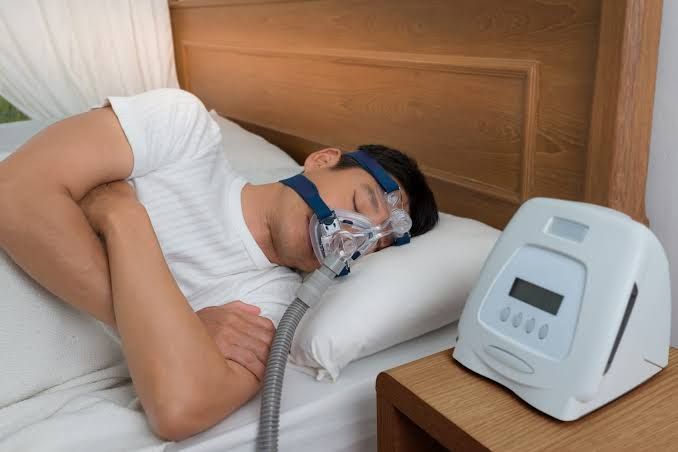
Packing your lightweight CPAP equipment correctly is the first step toward a stress-free travel experience. Follow these expert guidelines to ensure your gear stays clean, functional, and ready for transit:
- Keep It in Your Carry-On: Medical equipment is protected under federal laws and does not count toward your airline carry-on limit. Never check your machine; the risk of damage or loss in transit is simply too high.
- TSA Checkpoint Best Practices: Keep your machine in a dedicated, easy-to-reach travel bag. Be prepared to slide the main blower unit out of its case and place it in a separate bin for X-ray screening, just like a laptop. To keep it clean, you can place it inside a clear, protective plastic bag before placing it in the bin.
- Power Source Management: If you plan on camping or sleeping on an international flight, invest in an FAA-approved lithium-ion battery pack. Always confirm that your airline allows the specific battery capacity on board, and keep your DC power adapter handy in case you need to plug into a vehicle or marine outlet.
- Handling Distilled Water Abroad: Standard bedside machines require distilled water to prevent mineral buildup on the heating element. Traveling with gallons of distilled water is highly impractical. Fortunately, travel machines that support waterless humidification, like the ResMed AirMini, eliminate this hassle. If your machine does require a traditional chamber, you can use bottled water in a pinch, but be sure to clean the tank thoroughly afterward to prevent mineral scaling.
The Screen-Free Sleep Hygiene Connection
Modern sleep science confirms that exposing your eyes to blue light from phone and watch screens before bed halts the production of melatonin, keeping your brain in an alert state. Yet, many of us stare at smart CPAP apps or bright smartwatch screens in the dark, wondering why our minds are still racing at midnight.
Reclaim your evening peace. Transitioning to a screen-free tracking method like the lightweight titanium Herz P1 Smart Ring keeps your bedroom a screen-free sanctuary—allowing your body to relax, recover, and wake up refreshed.
Final Recommendations for Your Best Night’s Sleep
When selectng your ultimate travel companion, we recommend choosing a setup tailored to your specific travel habits:
- The Frequent Flyer: Choose the ResMed AirMini for its unrivaled waterless humidification system and compact size.
- The Minimalist Adventurer: Choose the Transcend Micro Auto for its incredibly low weight and ease of packing.
- The Ultimate Sleep Optimizer: Pair your chosen travel machine with the Herz P1 Smart Ring to track your true HRV, sleep stages, and physiological recovery without any hidden monthly subscription fees.
Disclaimer: Results may vary depending on individual physical activity levels, unique health conditions, and daily tracking patterns. The reviews and analyses presented above represent the observations of Team Mind Body Dan. This content is intended for informational and educational purposes only and is not a substitute for professional medical advice, diagnosis, or treatment. Always consult with your physician or another qualified healthcare provider regarding a medical condition or therapy requirements.
