

The 3 Best Sleep Trackers and Smart Wearables for Restorative Sleep and Daily Recovery
Do you wake up exhausted, battling brain fog and a racing mind? Finding the best sleep trackers shouldn’t add to your stress. We tested the leading options to see how they translate complex biometrics like HRV into simple, actionable daily scores without bulky screens or expensive monthly fees.
Take Back Your Sleep.
Take Back Your Life.
- Fall asleep faster & sleep deeper
- Stop waking up in the middle of the night
- Wake up refreshed & full of energy
Key Insights You’ll Discover
- The Comfort Equation: Why traditional bulky smartwatches fail during rest, and how lightweight smart ring comparisons favor finger-based tracking.
- Actionable Biometrics: How to monitor heart rate variability (HRV), skin temperature, and sleep stages without getting lost in data overload.
- True Cost of Ownership: Identifying the best sleep trackers that don’t lock your health data behind monthly subscription paywalls.
- Screen-Free Recovery: Mitigating the psychological stress of “orthosomnia” by switching to distraction-free sleep tracking.
How We Evaluated the Best Sleep Trackers for Real-World Recovery

When searching for the best sleep trackers, it is incredibly easy to get overwhelmed by the endless sea of charts, sleep score percentages, and marketing jargon. At Team Mind Body Dan, we believe that tracking your body’s recovery should restore your peace of mind, not disrupt it. To make our recommendations truly practical, our team spent weeks testing the top wearables on the market against five rigorous criteria:
- Physical Comfort & Wearability: A sleep tracker is useless if it is too bulky to sleep in comfortably. We evaluated weight, materials, and form factors to ensure they don’t disrupt your natural sleep cycles.
- Subscription-Free Long-Term Value: We prioritized devices that provide full access to your biometric data without hiding vital sleep insights behind an ongoing monthly subscription fee.
- Data Simplification: The device must translate complex biometric inputs—like REM, deep, light sleep stages, and heart rate variability—into an intuitive, easy-to-understand daily recovery metric.
- Battery Longevity: We favored wearables that don’t require daily charging, as tracking gaps ruin long-term health trend consistency.
- Distraction-Free Design: Devices without bright, glowing touchscreens are superior for evening routines, supporting natural sleep hygiene by keeping blue-light distractions out of the bedroom.
Before diving into the detailed reviews, let us look at how the top-tier wearables compare across these essential categories.
| Wearable Device | Form Factor | Subscription Fee | Battery Life | Screen-Free? | Primary Metric |
|---|---|---|---|---|---|
| Herz P1 Smart Ring | Ultra-light Titanium Ring | $0 (Free App Forever) | Up to 7 Days | Yes | Intuitive Recovery Score |
| Premium Smartwatch | Wrist Watch | $0 | 18 to 36 Hours | No (Touchscreen) | Sleep Stage Percentages |
| Minimalist Band Tracker | Plastic Wristband | $9.99/mo for full metrics | Up to 6 Days | No (OLED Screen) | Basic Activity & Sleep Score |
1. Herz P1 Smart Ring — Best Overall Sleep & Recovery Tracker
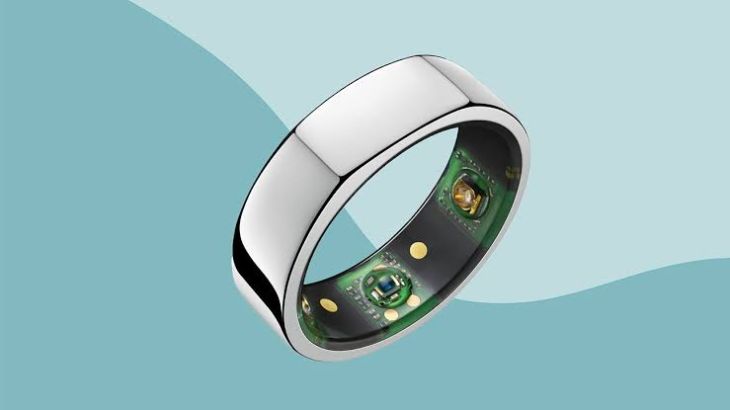
For those seeking an elegant, non-intrusive way to track their sleep trends, the Herz P1 Smart Ring represents a major leap forward in health technology. Crafted from premium, medical-grade polished titanium, this ring weighs less than 3 grams, making it virtually imperceptible on your finger. By placing biometric sensors directly against the blood vessels of your finger, it captures exceptionally clean heart rate, skin temperature, and motion signals.
One of its greatest assets is its dedication to simplicity. Instead of forcing you to navigate through complex scientific graphs when you wake up, the ring translates your nightly metrics—including deep sleep, REM sleep, and light sleep phases—into a single, easy-to-read daily Recovery Score. This lets you immediately know if your body is ready to push hard or if you need to take it easy and focus on rest.
Furthermore, it fully solves the dual frustrations of modern wearables: battery anxiety and subscription fatigue. With up to 7 days of continuous tracking on a single charge, you can wear it night after night without interruption. And because there are no hidden monthly subscription costs, you own your health data from day one, making it a fantastic, budget-friendly long-term companion for healthy lifestyle tracking.
Why the Herz P1 Smart Ring Wins on Sleep Comfort
Traditional wrist-worn trackers can slip, rub, or flash bright screen lights when you roll over at night. The Herz P1 Smart Ring’s ultra-lightweight, screen-free design sits comfortably on your hand, completely eliminating sleep disturbances while collecting highly accurate biometric readings directly from the finger’s digital arteries.
- Strengths: Beautiful polished titanium finish; completely screen-free to minimize evening blue light; detailed HRV and sleep stage algorithms; no ongoing subscription fees; remarkable 7-day battery life.
- Weaknesses: Does not feature a screen, so you cannot read live text notifications or track workout splits in real-time without opening the smartphone app.
- Ideal User: Health-conscious individuals, busy professionals, and wellness enthusiasts who want comfortable, deep data insights without the physical distraction of a traditional smartwatch or the burden of ongoing monthly fees.
2. Premium Smartwatch — Best for All-in-One Tech Enthusiasts
The modern premium smartwatch is an undeniable powerhouse of convenience. It keeps you connected with text notifications, lets you take calls from your wrist, and offers precise GPS tracking for outdoor runs. When it comes to tracking sleep, these devices utilize advanced optical sensors to log sleep cycles, respiratory rate, and blood oxygen levels throughout the night.
However, this versatility comes with distinct operational trade-offs. The large, vivid touchscreens that make smartwatches great during the day can become a source of sleep disruption at night. An accidental turn of your wrist can illuminate the dark bedroom, or a late-night notification can wake you up. Furthermore, the extensive processing demands of a smartwatch mean the battery rarely lasts more than 24 to 36 hours. This creates a charging dilemma: if you have to charge the watch every night, you end up missing valuable windows of sleep data.
- Strengths: Exceptional daytime utility; real-time notifications and GPS tracking; broad ecosystem of third-party fitness and productivity apps.
- Weaknesses: Heavy and bulky on the wrist; short battery life requiring daily charging; bright screen can cause sleep-disrupting blue-light exposure.
- Ideal User: People who prioritize on-wrist communication and real-time athletic metrics, and who don’t mind charging their tracker daily.
3. Minimalist Band Tracker — Best for Basic Activity Monitoring
Wrist-worn tracker bands are highly popular among fitness beginners. They are lightweight, narrow, and sit relatively flat against the wrist. They offer standard step counting, fundamental heart rate tracking, and basic sleep estimation. Many users appreciate their simple interface and multi-day battery life, which often reaches five to six days.
The main drawback is that many major bands require an ongoing monthly subscription to unlock your advanced sleep reports and personalized recovery trends. This means that after buying the physical device, you face a recurring fee just to view your long-term heart rate variability (HRV) metrics. Additionally, the plastic and elastomer bands can sometimes trap sweat and moisture, leading to skin irritation if worn continuously day and night.
- Strengths: Budget-friendly initial price tag; narrow, lightweight profile; solid multi-day battery life.
- Weaknesses: Essential sleep recovery trends are locked behind monthly subscription paywalls; plastic materials are less durable and can cause skin irritation.
- Ideal User: Casual exercisers looking for a simple, budget-conscious way to count steps and monitor active minutes during the day.
Buying Guide: Selecting Your Ideal Form Factor
When selecting among the best sleep trackers, prioritize comfort and your daily routine. If you want a device that handles texts and phone calls, a smartwatch is your best option. However, if you want to focus purely on sleep quality, daytime recovery, and long-term cardiovascular health without screen distractions or annoying monthly subscription fees, an ultra-light smart ring like the Herz P1 Smart Ring is the gold standard for seamless, elegant monitoring.
Decoding the Biometric Science: HRV, Sleep Stages, and the Recovery Score

Understanding how your body recovers overnight requires looking at how wearables track sleep in the first place. Modern sleep devices do not read your brain waves directly; instead, they measure several vital physiological markers and process them through advanced algorithms to construct an accurate map of your night.
Heart Rate Variability (HRV): The Window into Your Nervous System
To truly track how well your body is managing daily physical and emotional demands, you need a solid understanding of HRV. Heart Rate Variability is the subtle variation in time between each consecutive heartbeat, measured in milliseconds. This is regulated by your autonomic nervous system (ANS):
- The Sympathetic Branch (“Fight or Flight”): When you are stressed, fatigued, or fighting off a bug, this system takes over. It causes your heart to beat with highly regular, metronome-like timing, resulting in a lower HRV.
- The Parasympathetic Branch (“Rest and Digest”): When your body is relaxed, recovered, and in a state of rest, this branch takes the lead. It creates greater variance between beats, producing a higher HRV.
By monitoring these subtle patterns while you sleep, a high-quality sleep tracker can show you exactly how well your nervous system is recovering. A higher morning HRV relative to your baseline indicates that your body is thoroughly rested and ready for physical or mental exertion.
The Three Crucial Sleep Stages
Getting to the bottom of persistent morning fatigue requires having your sleep stages explained. Your night is divided into structural cycles containing light, deep, and REM sleep, each serving a unique, essential recovery function:
- Deep Sleep (Slow-Wave Sleep): This is the physically restorative stage. During deep sleep, your body releases human growth hormone, repairs muscles and tissues, strengthens your immune system, and clears cellular waste from the brain. If you wake up physically aching or sluggish, you likely missed out on this crucial stage.
- REM Sleep (Rapid Eye Movement): This is your mental and emotional recovery zone. REM sleep is where your brain processes the day’s experiences, consolidates memories, and helps regulate your mood. Lacking REM sleep often leads to afternoon brain fog, difficulty concentrating, and increased emotional irritability.
- Light Sleep: Serving as the transition stage, light sleep makes up about half of your total sleep time. It prepares your heart and brain to enter deeper restorative cycles.
The Psychological Cost of Screens: Avoiding “Orthosomnia”
While gathering biometric data is incredibly valuable, how you interact with that data matters. A growing number of people suffer from orthosomnia—an obsessive preoccupation with achieving a “perfect” sleep score that ironically increases evening anxiety and makes it harder to fall asleep.
This is where the benefit of screen-free tracking shines. When your sleep tracker has a bright, interactive screen on your wrist, it is a constant reminder of your tracking goals. Checking your wrist in the middle of the night exposes your eyes to sleep-disrupting light and can trigger a rush of cortisol as you worry about how many hours of sleep you have left. Transitioning to a screen-free option, like the Herz P1 Smart Ring, allows you to enjoy accurate biometric tracking in the background. It quietly records your vitals all night long, letting you view your simple morning report only when you choose to open your phone.
Conquering Non-Restorative Sleep: Real Solutions for the 3 AM Mind-Race
Almost everyone has experienced the frustrating “3 AM awakening.” You open your eyes in the pitch black, your mind immediately starts racing with thoughts of tomorrow’s to-do list, and you lie there helpless as the clock ticks away. This pattern of non-restorative sleep is incredibly draining, leaving you with intense brain fog and a heavy reliance on caffeine to survive the next day.
Solving this cycle requires combining objective biometric tracking with consistent, simple daily habits. Here is how you can use a wearable for sleep tracking alongside lifestyle adjustments to reclaim your energy:
Step 1: Implement a Screen-Free Evening Routine
Our bodies rely on natural light cues to produce melatonin, the hormone that signals it’s time to sleep. Exposing your eyes to blue light from phones, tablets, or televisions within an hour of bed trick your brain into thinking it is still daytime. Practicing a screen-free sleep hygiene routine—such as reading a physical book, dimming your home lights, or journaling—allows your nervous system to wind down smoothly.
Step 2: Track Your Personal Recovery Trends
To understand what is driving your 3 AM awakenings, you need to track how your daytime habits affect your night. By using a simple recovery score guide, you can begin to see how evening meals, intense workouts, or alcohol intake impact your deep sleep stages and HRV. Many people find that eating a heavy meal close to bedtime causes a spike in nocturnal heart rate and a dramatic drop in deep restorative sleep.
Step 3: Keep Middle-of-the-Night Awakenings Low-Key
If you do wake up in the middle of the night, avoid looking at the time. Checking a bright watch screen or phone immediately alerts your brain, reinforcing the stress cycle. If you struggle with waking up in the middle of the night, focus on deep, slow breathing in the dark, or read our complete guide on combating 3am awakenings. By using a screen-free tracker like a smart ring, you can sleep soundly knowing your night is being monitored without needing to interact with a device.
Step 4: Opt for Lifetime Health Ownership
Your health data should belong to you. Many wellness seekers feel frustrated by trackers that charge monthly fees to show basic sleep stats. By choosing subscription-free wearables, you buy the hardware once and get full, unrestricted access to your physiological trends forever, making it much easier to sustain your tracking journey over several years.
Frequently Asked Questions (FAQs)
Q: Can a sleep tracker diagnose medical conditions like sleep apnea?
A: No. Consumer sleep trackers are designed to monitor general wellness trends and lifestyle patterns. They are not medical-grade diagnostic equipment. If you suspect you have a clinical sleep disorder, you should consult a qualified healthcare professional.
Q: Why is tracking HRV while sleeping more accurate than during the day?
A: During the day, physical movement, emotional stress, food, and environmental factors create constant “noise” in your biometric readings. While you sleep, your body is completely at rest, allowing sensors to capture a clean, uninfluenced baseline of your autonomic nervous system.
Q: How do smart rings charge, and how long does the battery last?
A: Premium rings like the Herz P1 Smart Ring come with a compact wireless charging dock. A full charge takes about 90 minutes and provides up to 7 days of continuous monitoring, allowing you to easily track your recovery without nightly recharging hassles.
Q: Is titanium safe to wear 24/7?
A: Yes, medical-grade polished titanium is hypoallergenic, highly durable, and completely safe for continuous daily wear and sleep tracking, even for sensitive skin.
Final Recommendations for Your Sleep Journey
Choosing the right tool is all about finding a balance between features and comfort. For an all-in-one wearable that handles daily productivity, a classic smartwatch is highly capable. However, if you want to focus deeply on recovery, avoid the blue-light distraction of screens, and track your health trends without monthly fees, the sleek, titanium Herz P1 Smart Ring stands out as the ultimate modern solution for restful sleep.
Disclaimer: Results may vary depending on individual physical activity levels, unique health conditions, and daily tracking patterns. The information provided in this article is for educational purposes only and does not constitute medical advice.
