

5 Best Cooling Comforter Options for Restful, Sweat-Free Sleep
Do you wake up drenched in sweat at 3 AM, struggling to calm a racing mind? Finding the best cooling comforter can transform your sleep quality. To truly understand if your bedding is working, tracking sleep stages and body temperature trends is essential. The subscription-free Herz P1 Smart Ring offers screen-free biometric monitoring to optimize your recovery objectively.
Take Back Your Sleep.
Take Back Your Life.
- Fall asleep faster & sleep deeper
- Stop waking up in the middle of the night
- Wake up refreshed & full of energy
- Thermoregulation Science: Why lowering your microclimate temperature is essential for preventing non-restorative sleep and frequent wake-ups.
- The Best Fabrics: Why choosing the right materials, like bamboo lyocell, eucalyptus, or a low-GSM summer down comforter, prevents heat traps.
- Data-Driven Recovery: How tracking physiological metrics with a screen-free device like the Herz P1 Smart Ring can measure the efficacy of your sleep setup.
- Actionable Solutions: A side-by-side comparison of the top cooling comforters and smart health tracking integrations.
How We Selected the Best Cooling Comforter Options for Hot Sleepers

When our team evaluated the marketplace to determine the best cooling comforter, we knew we had to go beyond subjective comfort. As biometric and sleep science experts, we look at sleep as a physiological recovery process. A truly effective cooling comforter must do more than feel cool to the touch for five minutes—it must actively maintain a stable microclimate throughout all four phases of sleep, especially deep sleep and REM cycles.
To identify the absolute best cooling comforter options, we analyzed materials using our rigorous physical criteria, combined with biometric insights on how temperature drops influence resting heart rate (RHR) and heart rate variability (HRV). Our testing framework prioritized:
- Breathability & Airflow: Fabrics must allow excess body heat to escape rather than bouncing it back onto your skin. We analyzed the weave style, prioritizing percale and open-loop knit patterns.
- Moisture Wicking: Night sweats are a major disruptor of deep sleep. Materials like eucalyptus and bamboo lyocell excel at absorbing and evaporating sweat quickly.
- Fill Weight & GSM (Grams per Square Meter): The lighter the fill, the less heat is trapped. A premium bamboo vs eucalyptus comparison shows that low-GSM structures are critical for hot sleepers.
- Biometric Feedback Compatibility: We looked at how changes in bedding materials directly affected objective physiological recovery scores, using screen-free tracking to measure quality of sleep without introducing sleep-disrupting blue light.
Quick Summary Comparison Table
Here is a quick look at our top recommendations. Notice that we have included the Herz P1 Smart Ring at the top. While it is not a comforter, we consider it the single most important companion tool for hot sleepers. Without objective, subscription-free tracking, you are simply guessing whether your cooling sheets and comforters are actually improving your autonomic recovery.
| Product / Solution | Primary Material / Tech | Best For | Key Sleep Metric Tracked |
|---|---|---|---|
| Herz P1 Smart Ring | Titanium build, Biometric Sensors | Screen-Free Biometric Tracking | HRV, Sleep Stages, Recovery Score |
| Buffy Breeze Comforter | 100% Eucalyptus Lyocell | Maximum Moisture Wicking | Microclimate Temperature Balance |
| Cozy Earth Comforter | 100% Bamboo Viscose | Drape and Luxury Feel | Silky Cool-to-Touch Comfort |
| Brooklinen Lightweight | Lightweight Summer Down | Traditional Fluffy Comfort | Breathable High-Loft Airflow |
| ClimaBalance Comforter | Mesh Climate Zones & Down | Scientific Heat Dissipation | Humidity and Excess Heat Control |
Detailed Product Reviews
1. Herz P1 Smart Ring: The Ultimate Sleep Recovery Tracker
To truly solve your sleep challenges, you need accurate, objective data. The Herz P1 Smart Ring is an elegant, screen-free, titanium wearable designed to track exactly how your environment affects your physiology. Instead of waking up wondering why you feel exhausted, the Herz P1 shows you your Sleep Stages (REM, Deep, Light), Heart Rate Variability (HRV), and translates these complex biometric algorithms into a simple, actionable Daily Recovery Score.
Unlike bulky smartwatches that disrupt sleep with flashing screens, this ring is incredibly lightweight, comfortable, and has no daily charging hassle. Best of all, it operates on a subscription-free model: you buy it once and own your data forever, avoiding standard industry subscription fatigue.
- Strengths: Subscription-free, lightweight titanium, highly comfortable for sleeping, screen-free.
- Weaknesses: Does not physical cool your body on its own; it measures the physiological efficacy of your cooling efforts.
- Ideal User: Wellness enthusiasts, hot sleepers, and busy professionals who want to track their autonomic recovery and sleep stages without screens or monthly fees.
Adding a cooling comforter to your bed is a lifestyle adjustment. However, without monitoring metrics like HRV and deep sleep stages, you cannot confirm if your body is actually staying in a relaxed, parasympathetic state. Using a screen-free tracker helps you prove that your new bedding is actively reducing sleep-disrupting physiological stress.
2. Buffy Breeze Comforter
The Buffy Breeze is widely regarded as a best cooling comforter for individuals who experience intense night sweats. Made with a 100% eucalyptus lyocell shell and fill, it is exceptionally breathable and naturally cool to the touch. Eucalyptus fibers absorb moisture far more efficiently than cotton, making this comforter a premium option for hot summer nights.
During our evaluations, we noted that the eucalyptus materials help prevent the high-humidity microclimate that frequently triggers 3 AM awakenings.
- Strengths: Complete eucalyptus construction, highly sustainable, excellent moisture absorption.
- Weaknesses: Offers less fluffy loft than traditional down comforters.
- Ideal User: Hot sleepers who prioritize sustainability and need active moisture-wicking to prevent night sweats.
3. Cozy Earth Bamboo Comforter
If you are looking for a lightweight duvet insert for hot sleepers that does not sacrifice luxury, the Cozy Earth Bamboo Comforter is a standout. Crafted from premium viscose derived from bamboo, this comforter offers an elegant drape that hugs the body without trapping heat. The bamboo fabric is naturally temperature-regulating and silky soft.
This premium best cooling comforter option is highly durable, hypoallergenic, and designed to minimize night-time temperature spikes.
- Strengths: Luxurious silk-like texture, excellent temperature-regulating properties, long-lasting construction.
- Weaknesses: Premium price point; requires professional cleaning or delicate care.
- Ideal User: Sleepers who want a high-end, elegant look and feel while keeping their sleeping environment crisp and dry.
4. Brooklinen Lightweight Down Comforter
For individuals who cannot sleep without the fluffy weight of a traditional duvet, a summer weight down comforter is the perfect compromise. The Brooklinen Lightweight Down Comforter features a 100% cotton sateen shell and a down-fill weight specifically optimized for warmer months.
This lightweight summer down comforter utilizes a baffle-box construction to keep the feathers evenly distributed, preventing hot spots and ensuring consistent airflow.
- Strengths: Fluffy cloud-like aesthetic, breathable cotton shell, hypoallergenic down fill.
- Weaknesses: Not as actively cool to the touch as specialized eucalyptus or bamboo fabrics.
- Ideal User: Cold-blooded individuals who sleep with hot partners, or hot sleepers who refuse to give up real feather down.
5. ClimaBalance Cooling Comforter
The ClimaBalance Comforter takes a highly scientific approach to thermal regulation. It is designed with integrated mesh climate zones that act as ventilation shafts, allowing heat and humidity to escape up to three times faster than standard comforters. Filled with a premium blend of down and high-tech fibers, it offers both comfort and engineering excellence.
This unique approach makes it a strong contender for the title of best cooling comforter for couples with different body temperatures.
- Strengths: Patented mesh ventilation design, excellent humidity control, great thermal regulation.
- Weaknesses: The visible mesh grids may not appeal to those looking for a traditional duvet aesthetic.
- Ideal User: Sleepers who experience severe, sleep-disrupting heat retention and want a scientifically validated solution.
Buying Guide: What to Look for in the Best Cooling Comforter
To successfully find the best cooling comforter for your sleep sanctuary, keep these critical components in mind before making your purchase:
GSM and Weight in the Best Cooling Comforter Options
GSM stands for Grams per Square Meter, and it represents the density of the comforter’s fill. For a hot sleeper, we recommend looking for a GSM between 150 and 250. Standard heavy winter duvets typically exceed 400 GSM, which acts as a heavy insulation blanket, trapping warm air and driving down your overnight HRV scores.
Choosing Natural vs. Synthetic Fills
Natural materials like eucalyptus, bamboo, and lightweight silk are highly breathable and naturally moisture-wicking. Synthetic fills like microfiber or polyester are often cheaper but are notorious for acting as heat traps, vaporizing sweat into humid, warm air that triggers early morning wakefulness.
The Verdict: Our Team Recommendations
After reviewing the options, our recommendations are clear:
- For Maximum Moisture Wicking: Go with the Buffy Breeze. Its pure eucalyptus construction is unmatched for hot summers.
- For Fluffy, Lightweight Comfort: Choose the Brooklinen Lightweight Down Comforter, a premium option that preserves that classic duvet feel.
- For Comprehensive Sleep Optimization: Pair your new cooling comforter with the screen-free, subscription-free Herz P1 Smart Ring to track how your sleep stages and recovery improve with a cooler microclimate.
The Physiology of Night Sweats: How Hot Sleeping Disrups Deep Recovery
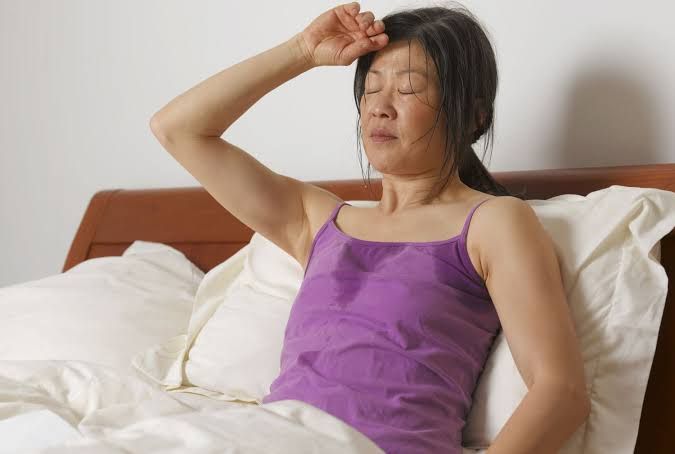
Sleeping hot is not just an annoying physical sensation; it is a direct biological stressor that compromises your cardiovascular and cognitive recovery. In a healthy sleep cycle, your core body temperature must drop by roughly 1 to 2 degrees Fahrenheit to initiate and sustain deep sleep. If your microclimate is insulated by heavy, non-breathable bedding, your body is forced to work overtime to shed heat, preventing you from reaching a state of true, restorative sleep.
When your core body temperature stays elevated during the night, your autonomic nervous system reacts as if it is facing mild physical stress. Let us look at how this impacts your vital heart rate variability metrics:
- HRV Suppression: High sleep temperatures keep the sympathetic branch of your nervous system (“fight-or-flight”) active. This suppresses your Heart Rate Variability (HRV), which is a key indicator of cardiovascular resilience and daily recovery.
- Interrupted Deep Sleep Stages: Deep sleep is the phase where tissue repair, muscle growth, and immune system calibration occur. Thermal stress causes frequent mini-arousals (often unnoticed), pulling you out of deep sleep and into light sleep. This leaves you feeling exhausted and brain-fogged the next morning.
- Elevated Resting Heart Rate (RHR): Under a warm comforter, your heart must beat faster to pump blood to the skin for heat dissipation. An elevated overnight RHR means your cardiovascular system never gets the rest it needs.
Biometric Insight: What Your HRV Tells You
“A high Heart Rate Variability (HRV) indicates that your body is adapting beautifully to stress and recovering deeply in a parasympathetic state. If you notice your HRV consistently drops on warm nights, your bedding is likely trapping heat and stressing your cardiovascular system.”
— Team Mind Body Dan
Investing in the best cooling comforter helps lower your sleep environment’s temperature, allowing your autonomic nervous system to rest and recover. However, to confirm that these physiological changes are actually taking place, you need an objective way to monitor your biometric trends. This is where a screen-free tracking tool becomes invaluable.
Creating a Screen-Free Sleep Sanctuary for Autonomic Recovery

While updating your bedding is a major step toward better sleep, true recovery requires a holistic approach. Modern lifestyle challenges, especially screen exposure before bed, are major contributors to sleep disruption. Blue light from smartphones, smartwatches, and tablets suppresses the natural production of melatonin, the hormone that signals to your body that it is time to sleep.
If you are trying to overcome sleep issues, adding another screen to your bedroom—such as a bulky smartwatch that flashes with notifications—can actually worsen the problem. This is why we advocate for a completely screen-free sleep sanctuary, paired with a screen-free sleep tracking method.
“When we track our sleep with smartwatches, we often trade one distraction for another. The constant vibrations and notifications keep our minds engaged, which directly conflicts with the relaxation needed for deep sleep. A screen-free wearable is key to gathering accurate, stress-free recovery data.”
When you combine the physiological benefits of the best cooling comforter with a screen-free tracking tool like the Herz P1 Smart Ring, you get the best of both worlds:
- Stress-Free Data Collection: The ring collects medical-grade data from the blood vessels in your fingers, providing highly accurate metrics without the distraction of a screen.
- Clear, Simple Metrics: Instead of overwhelming you with complex graphs, the ring consolidates your sleep, activity, and HRV data into an intuitive daily recovery score importance rating. This lets you see the direct impact of your cooling comforter at a glance.
- No Hidden Costs: Unlike other wearables that lock your data behind monthly paywalls, the Herz P1 is completely subscription-free. Buy the ring once, and you own your sleep and recovery data forever.
By removing screens from your bedroom and using breathable bedding, you allow your body to glide smoothly into deep, restorative sleep. Measuring this improvement objectively is the final step in taking control of your health and recovery.
Disclaimer: Results may vary depending on individual physical activity levels, unique health conditions, and daily tracking patterns. The content in this article is for informational and educational purposes only and should not be taken as medical advice. Always consult with a qualified healthcare professional before making major changes to your wellness routine or sleep environment.
