

What Is Beauty Sleep and Benefits for Skin Health?
Struggling with non-restorative sleep and waking up at 3 AM with a racing mind? Science shows that real beauty sleep directly impacts skin regeneration. At Team Mind Body Dan, we explore how monitoring this restorative state using a screen-free, subscription-free method like the Herz P1 Smart Ring transforms your skin and overall wellness tracking.
Take Back Your Sleep.
Take Back Your Life.
- Fall asleep faster & sleep deeper
- Stop waking up in the middle of the night
- Wake up refreshed & full of energy
Article Highlights
- Cellular Regeneration: Deep sleep is the biological engine behind tissue repair, collagen synthesis, and systemic cortisol reduction.
- Circadian Alignment: Your skin operates on its own molecular clock; disrupted sleep schedules lead to a weakened skin barrier.
- Screen-Free Optimization: Traditional blue-light-emitting smartwatches can actually disrupt melatonin production. Screen-free wearables represent a healthier alternative.
- Biometric Mastery: Tracking Heart Rate Variability (HRV) and sleep stages empowers you to monitor physical recovery and optimize lifestyle habits.
Is Beauty Sleep Real? Science-Backed Proof of Sleep and Skin Health

Quick Answer: Yes, beauty sleep is a scientifically verified physiological phenomenon. The short answer is that during deep sleep phases, your body undergoes systemic cellular repair and produces essential proteins like collagen. However, to choose the right tracking product to optimize this, you must understand how your sleep stages and heart rate variability (HRV) relate to your daily recovery.
We have all heard the term, but what is the actual beauty sleep definition? In scientific terms, what is beauty sleep represents the critical window of nocturnal rest during which the endocrine, cardiovascular, and integumentary (skin) systems transition into an intensive state of anabolic repair. To understand what beauty rest means from a biological perspective, we must look beyond cosmetic appearances. It is the period where the body downregulates stress hormones and diverts systemic resources toward cellular renewal, wound healing, and tissue reconstruction.
For many individuals, attaining consistent beauty sleep is an ongoing struggle. Modern life often introduces psychological barriers, such as a racing mind before bed, or physiological disruptions like waking up at 3 AM. This leads to non-restorative sleep, leaving you with brain fog and a pale, fatigued complexion the following morning. Over time, a dependency on bad habits—such as consuming caffeine late in the day or scrolling through social media in bed—further compromises sleep quality. This cycle disrupts the critical REM sleep skin healing phases and deep non-REM stages necessary for total rejuvenation.
During the deeper cycles of sleep, the pituitary gland secretes human growth hormone (HGH). This hormone is essential for cell reproduction and regeneration. Under the influence of HGH, the skin’s rate of cellular division accelerates, replacing damaged cells with healthy ones. At the same time, the body downregulates cortisol, the primary stress hormone. Elevated levels of cortisol can break down skin-supporting proteins, leading to a dull complexion and a compromised skin barrier. When you prioritize sleep, you allow your body’s natural restorative processes to work efficiently, which helps maintain a healthy, resilient skin barrier.
Furthermore, your body’s internal clock operates on a 24-hour cycle. Aligning your schedule with these natural biological rhythms supports metabolic balance, hormone production, and cellular repair. To understand how to work with these patterns, exploring circadian rhythm tips can help you build consistent habits that promote deep, restorative sleep. When your schedule is aligned, your skin cells are better equipped to defend against daytime environmental stressors, such as UV exposure and pollution.
Why Bulky Wearables Might Be Ruining Your Rest
Many people try to monitor their nightly recovery using traditional smartwatches. However, these devices are often bulky, uncomfortable to wear in bed, and feature bright screens that can light up unexpectedly. This light exposure can disrupt melatonin production, making it harder to fall back asleep if you wake up during the night. Additionally, the constant stream of notifications can contribute to late-night screen time and a racing mind, which directly interferes with your body’s natural sleep cycles.
To truly understand the impact of your nocturnal rest, you need to look at objective data. Tracking metrics such as resting heart rate, sleep stages, and daily physical exertion allows you to understand how lifestyle habits affect your body. Learning how to track recovery gives you clear insights into whether your sleep is genuinely restorative, helping you make informed adjustments to your evening routine.
When to Track Your Sleep (and When to Step Back)
When to focus on tracking: Monitoring your sleep metrics is highly beneficial if you are experiencing persistent daytime fatigue, a dull or irritated complexion, or high levels of daily stress. It is also valuable when you are adjusting your lifestyle habits—such as reducing caffeine or establishing a consistent bedtime—and want to see the direct physical benefits of those changes on your body’s recovery.
When to step back: If checking your sleep scores begins to cause anxiety or leads to orthosomnia—an obsession with achieving “perfect” sleep metrics—it may be helpful to take a temporary break. Tracking should serve as a supportive tool to help you understand your body, rather than becoming a source of stress that keeps you awake at night.
An Elegant, Screen-Free Tracking Solution
For those who want to monitor their sleep without the discomfort of a bulky smartwatch or the distraction of a glowing screen, the Herz P1 Smart Ring offers an elegant alternative. Crafted from lightweight, biocompatible titanium, it slips comfortably onto your finger and tracks your biometrics throughout the night without any lights, screens, or buzzing notifications.
By translating complex physiological data into a simple, easy-to-read Daily Recovery Score, the ring removes the stress of interpreting complicated charts. Furthermore, because it operates on a subscription-free model, you can access your personal health insights permanently with no hidden monthly fees. It provides a simple, screen-free way to help you prioritize your sleep and support your overall well-being. Exploring the titanium smart ring benefits can show how this lightweight design offers a comfortable, reliable way to monitor your body’s nightly recovery.
— Team Mind Body Dan
Frequently Asked Questions
How many hours of sleep are required for beauty sleep?
For most adults, 7 to 9 hours of high-quality, uninterrupted rest is the standard recommendation. This duration ensures your body completes multiple full sleep cycles, allowing sufficient time in both deep non-REM and REM sleep stages for tissue repair and cellular renewal.
Does sleeping on your back actually help prevent skin wrinkles?
Yes, sleep position can influence the formation of mechanical sleep lines. Sleeping on your side or stomach presses your face into the pillow, which can compress and stretch the skin over time. Sleeping on your back keeps pressure off your face, helping to prevent these friction-induced lines.
Can a smart ring help improve my sleep quality?
A smart ring acts as an objective observer, tracking metrics like HRV, sleep stages, and resting heart rate. By showing how your daily habits—such as late-night meals or screen use—impact your sleep quality, it helps you identify patterns and make positive adjustments to support your nightly rest.
The Physiological Mechanisms: How Your Body Repairs Skin Overnight

To appreciate the benefits of beauty sleep, it helps to understand the specific biological processes that occur while you rest. The physiological repair of the skin is not a single event, but a series of highly coordinated processes that take place during the different stages of sleep.
Collagen Production and Sleep Stages
Collagen is the primary structural protein that provides the skin with its strength and elasticity. During the deep non-REM stages of sleep, the body increases protein synthesis to repair muscle tissue and skin cells. The peak release of human growth hormone (HGH) during this phase acts as a signal to stimulate the cells responsible for creating new collagen.
When sleep is disrupted or cut short, this critical repair window is shortened. Understanding the relationship between collagen production sleep patterns highlights how consistent rest supports the skin’s structural integrity. Ensuring your body regularly reaches these deep sleep stages helps maintain skin elasticity and resilience.
Cortisol Management and the Skin Barrier
Cortisol, the body’s primary stress hormone, naturally decreases in the evening to allow for restful sleep. However, chronic sleep deprivation or waking up frequently during the night can keep cortisol levels elevated. High levels of cortisol can weaken the skin’s protective barrier and accelerate the breakdown of collagen and elastin.
A weakened barrier is less effective at retaining moisture and defending against environmental irritants, which can lead to dryness and irritation. Researching how sleep deprivation cortisol levels impact the skin shows why managing stress and supporting consistent sleep are so important. Lowering nighttime cortisol allows the skin barrier to repair and strengthen itself overnight.
Track Your Nightly Recovery Without Distractions
Monitoring your rest shouldn’t get in the way of a peaceful night. Discover a screen-free, subscription-free way to track your recovery and support your wellness goals.
Nocturnal Blood Flow and Lymphatic Circulation
During sleep, the body increases blood flow to the skin, delivering oxygen and essential nutrients that support cellular repair. At the same time, the lymphatic system works to remove cellular waste and excess fluid that can accumulate throughout the day.
When sleep is cut short, this fluid drainage is often less efficient, which can lead to morning puffiness, particularly around the delicate under-eye area. Consistently achieving restful sleep supports healthy circulation and natural fluid balance, helping you wake up feeling refreshed and looking revitalized.
Practical Strategies and Screen-Free Tracking to Reclaim Your Glow
Supporting your body’s nightly recovery involves both establishing healthy pre-bedtime habits and creating a restful sleep environment. Simple adjustments to your routine can significantly improve the quality of your rest.
Optimizing Your Nightly Recovery with Wearable Biometrics
Heart Rate Variability (HRV) is a valuable metric that measures the variation in time between consecutive heartbeats. This variability is regulated by your autonomic nervous system, serving as a helpful indicator of how well your body is managing daily stress and recovering each night.
A higher HRV generally suggests that your body is in a relaxed, restorative state, which is ideal for supporting cellular repair and skin health. Monitoring these trends helps you understand the direct connection between stress management, rest, and physical recovery. Investigating HRV and skin regeneration reveals how keeping track of this metric can help you optimize your daily routines for better long-term well-being.
Transitioning to a Screen-Free Bedroom Habit
One of the most effective ways to quiet a racing mind before bed is to limit screen exposure in the hour leading up to sleep. The blue light emitted by smartphones, tablets, and television screens can interfere with melatonin production, making it more difficult to fall asleep naturally.
By replacing late-night scrolling with relaxing habits—such as reading a book, stretching, or practicing gentle breathing exercises—you help prepare your nervous system for deep rest. Incorporating consistent screen-free sleep hygiene habits into your evening routine supports your body’s natural sleep-wake cycle, helping you fall asleep more easily and wake up feeling refreshed.
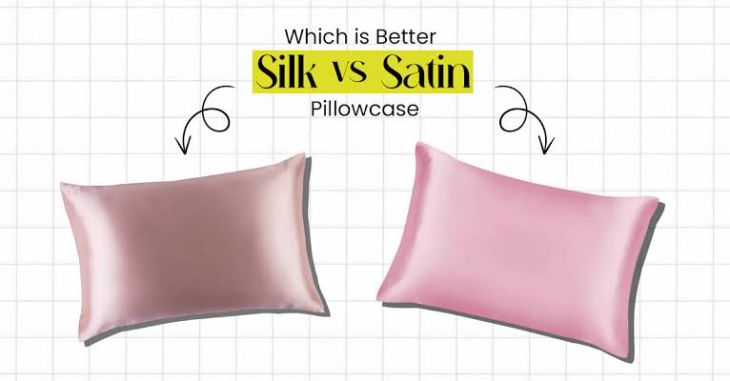
Additionally, choosing comfortable, breathable bedding can make a noticeable difference in your sleep quality. Using a smooth pillowcase, such as silk or satin, reduces friction on your face during the night, which helps protect delicate skin and hair from irritation as you rest.
Summary of Key Tips for Restorative Sleep
- Keep a consistent sleep schedule to align with your body’s natural circadian rhythm.
- Create a comfortable, cool, and dark bedroom environment to encourage deep, uninterrupted rest.
- Avoid screens and blue-light-emitting devices in the hour before bedtime to support natural melatonin levels.
- Track your biometrics using a screen-free wearable to gather honest insights into your nightly recovery.
By focusing on consistent habits and utilizing non-intrusive tracking tools, you can better understand your body’s recovery patterns. Prioritizing your nightly rest is a simple, effective way to support both your daily energy levels and your skin’s natural health, helping you feel and look your best from the inside out.
Disclaimer: Results may vary depending on individual physical activity levels, unique health conditions, and daily tracking patterns. The insights and tracking trends provided are for educational and wellness purposes and are not intended to replace professional advice.
