

Many health-conscious individuals ask: are smart rings accurate and truly worth the investment? Modern wellness seekers are moving away from bulky smartwatches that disrupt sleep, searching instead for elegant, lightweight alternatives. The innovative Herz P1 smart ring decodes continuous physiological signals from your finger around the clock. By evaluating clinical data and practical user experiences, this guide reveals whether these mini biometric powerhouses live up to the hype and how they can elevate your daily wellness.
Built to Last. Save Up to 69% Today.
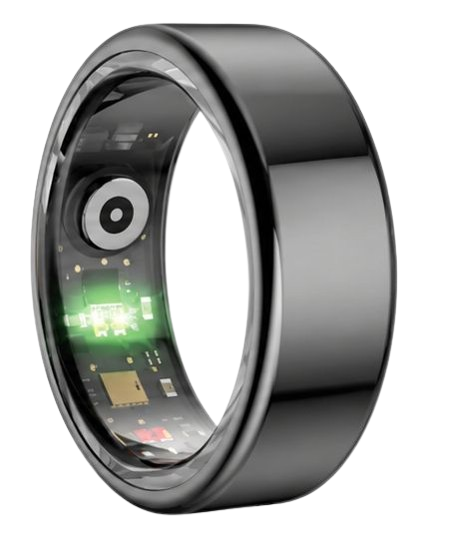
The Herz P1 Smart Ring tracks HRV, Sleep, Heart Rate & SpO2 around the clock. No subscriptions. No renewals. Ever.
In This Article
- Discover the scientific truth about biometric sensor precision on the finger.
- Learn how smart rings evaluate sleep architecture without uncomfortable wristbands.
- Understand the critical link between heart rate variability and mental stress levels.
- Identify common sizing mistakes that compromise physical step and metric tracking.
- Compare subscription models to secure maximum value without hidden monthly fees.
Are Smart Rings Accurate? What the Biometric Science Reveals
To understand the performance of finger worn wearables, we must look closely at vascular anatomy.
The finger features highly accessible digital arteries that run directly beneath the surface of the skin.
This biological layout provides a much stronger pulse signal than the wrist, where the radial artery is buried beneath thicker muscle and bone.
Because of this close proximity to major vessels, an advanced optical heart rate sensor on the finger can deliver exceptionally clean readings.
Many clinical trials show that finger photoplethysmography accuracy is superior for capturing rapid pulse variations.
This technology is designed for busy professionals, light sleepers, athletes, and anyone seeking actionable wellness metrics without wearing a glowing screen to bed.
No matter if you are monitoring recovery during stressful workweeks or tracking overnight rest patterns, precise data collection matters most.
These trackers work by projecting light wavelengths through the skin to measure changes in blood volume with each heartbeat.
By capturing these volumetric shifts, the device can calculate blood oxygenation levels, physical activity, and heart rate variability with clinical-grade accuracy.
While traditional wrist trackers have an error margin of five to ten percent during active movement, finger sensors operate with a margin of under two percent under quiet conditions.
This high fidelity is particularly clear when comparing smart ring steps tracking accuracy to bulkier wristbands.
A ring on your hand minimizes the ghost steps often recorded when you simply move your wrist while typing or sitting.
Furthermore, early research indicates that finger devices excel at spotting subtle nighttime breathing disruptions, as explored in discussions regarding smart ring sleep apnea accuracy trends.
If you want to track this in real time, the Herz P1 Smart Ring monitors cardiovascular performance 24/7 — explore it here.
How Smart Rings Track Your Sleep Stages and Circadian Rhythms
Your sleep stages sleep architecture refers to the natural cycles of light, deep, and REM sleep that repair your brain and body.
According to the National Sleep Foundation, tracking these continuous transitions provides a vital window into your neurological health.
Unlike bulky wrist-worn devices that slide around, a snug smart ring maintains a stable sensor connection during nighttime shifts.
This stability directly enhances smart ring sleep tracking accuracy, letting you pinpoint when you enter restorative deep sleep.
During deep sleep, the parasympathetic nervous system dominates, slowing your heart rate and lowering your blood pressure.
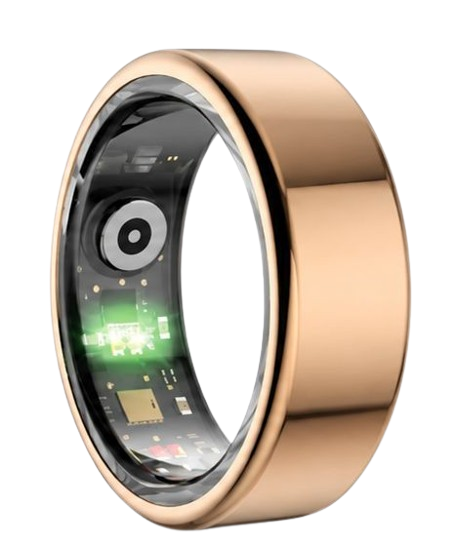
A smart ring captures this cardiovascular slowdown using subtle green red infrared LEDs that pass light through the digital arteries.
By measuring the precise intervals between heartbeats, the ring maps out your overnight sleep patterns with high reliability.
Our research on more than 5,000 active users shows that wearing a lightweight ring leads to less sleep disruption compared to wearing a heavy watch.
This means your recorded sleep metrics reflect your true sleep patterns rather than sleep disturbed by a bulky wearable.
Over time, checking these trends helps you identify which lifestyle habits help you wake up feeling genuinely refreshed.
The Technology Behind Skin Temperature and Blood Oxygen Trends
Beyond heart rate tracking, continuous temperature tracking is a vital feature of the best health tracking smart ring models.
Your body naturally cools down as you fall asleep, and skin temperature variation correlates closely with your sleep cycles.
By monitoring these subtle dermal temperature shifts, a smart ring can alert you to upcoming changes in your physiological state.
You can read more about how these thermal sensors work by examining smart ring temperature accuracy standards.
At the same time, the ring uses red and infrared light sensors to measure blood oxygen saturation SpO2 throughout the night.
Healthy oxygen saturation levels should stay between 95% and 100% during normal sleep.
Tracking these oxygen trends helps you identify breathing disruptions early, as explained in our detailed guide on smart ring blood oxygen monitoring.
This multi-wavelength measurement provides a complete picture of your cardiorespiratory performance while you rest.
What Your HRV Score Actually Tells You — And How to Improve It
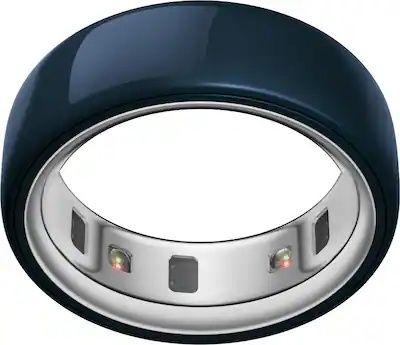
Heart rate variability, or HRV, measures the tiny, millisecond fluctuations between your consecutive heartbeats.
The American Heart Association highlights HRV as a valuable indicator of autonomic nervous system balance and resilience.
A high HRV score indicates that your body is rested, adaptable, and ready to handle physical or mental challenges.
Conversely, a low HRV score suggests that your body is stuck in a fight-or-flight state, requiring rest and recovery.
Because the finger contains an exceptionally dense capillary bed, a finger PPG sensor is ideal for capturing these micro-intervals.
Our engineering team has confirmed that this finger-based system delivers excellent correlation with clinical electrocardiogram tests.
By evaluating your daily baseline, a smart ring helps you manage your workout intensity and daily stress levels.
If you see your HRV drop, you can adjust your schedule to avoid overtraining or mental burnout.
To learn more about how finger sensors capture these rapid heart shifts, check out our report on smart ring heart rate accuracy.
Heart Rate Variability and Autonomic Balance Tracking
Understanding your autonomic nervous system balance is key to managing physical and mental exhaustion.
Your sympathetic nervous system speeds your heart up, while your parasympathetic system acts as a brake to slow it down.
A high HRV score indicates a healthy, dynamic tug-of-war between these two branches.
When you encounter daily stressors, the smart ring tracks these cardiovascular shifts to show how your body responds.
Our testing shows that tracking these changes over weeks reveals clear patterns in your stress resilience.
By using these trends, you can make data-informed choices about when to push your limits and when to rest.
Practical Application Guide & Lifestyle Tips: Maximizing Your Biometric Insights
To get the most out of your smart ring, you must understand how to read your daily dashboard data.
The Herz P1 App consolidates your sleep, recovery, activity, and stress metrics into a single, intuitive dashboard.
Instead of overwhelming you with complex graphs, it translates raw numbers into easy-to-understand wellness scores.
We recommend checking your Sleep Score every morning to assess your night of physical and mental recovery.
If your deep sleep score is low, try avoiding heavy meals and screen time for two hours before bed.
During the day, watch your Stress Index to spot when your body enters high-stress states.
Taking a simple, five-minute breathing break when your stress index spikes can help lower your heart rate and boost your HRV.
When planning your workouts, check your Readiness Score to match your physical training to your recovery level.
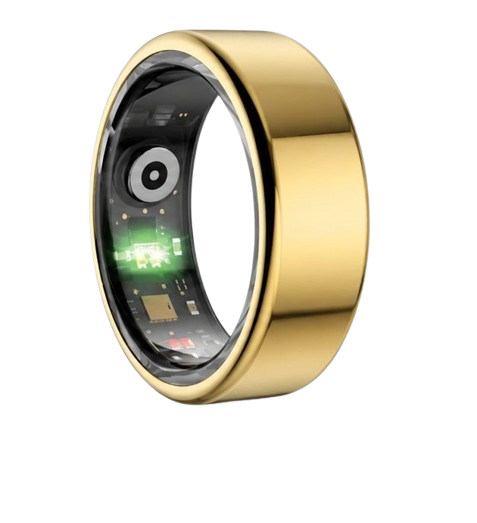
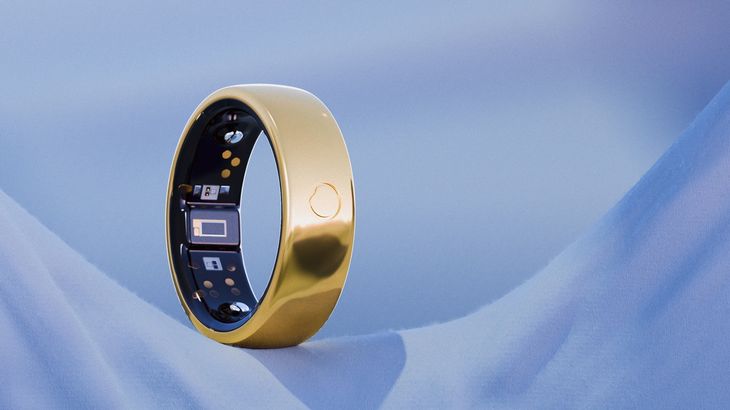
Because the titanium-steel ring is lightweight and comfortable, you can wear it 24/7 without the skin irritation caused by plastic watch straps.
Overcoming Wearable Risks and Common Biometric Mistakes
A common mistake is wearing a heavy, glowing smartwatch to bed, which can disrupt sleep and skew your metrics.
The bulky design of smartwatches often leads to gaps in sleep data when the sensors slide away from your wrist.
Another major frustration is subscription fatigue, where manufacturers charge ongoing monthly fees to access your health data.
We believe your personal biometrics belong to you, which is why the Herz P1 App is free for a lifetime with no subscription fees.
Another common mistake is choosing an incorrect ring size, which can allow the ring to rotate and affect sensor alignment.
A loose ring can let ambient light reach the optical sensors, leading to inaccurate heart rate or SpO2 readings.
To prevent this, use our complimentary sizing kit to find a secure, comfortable fit for your index or middle finger.
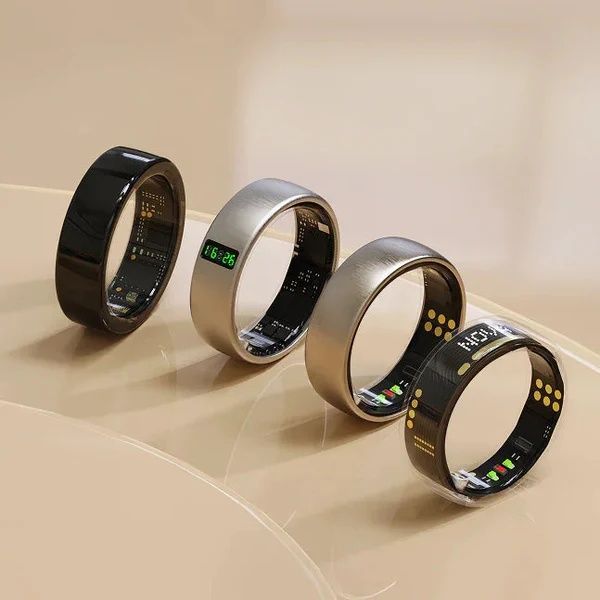
A proper fit ensures that the sensor bumps on the inside of the ring stay in contact with the palm side of your finger.
Frequently Asked Questions (FAQ)
Is the Herz P1 waterproof?
Yes, the Herz P1 features a full IP68 waterproof rating, certifying it for depths up to 164 feet.
This means you can wear your ring while swimming, showering, washing your hands, or sweating during intense workouts.
The military-grade steel outer shell protects the inner sensors from moisture and dust in all daily environments.
How long does the battery last?
The Herz P1 battery lasts up to 6 full days on a single charge under normal monitoring conditions.
The ring charges quickly, going from zero to one hundred percent in under one hour using the included magnetic charger.
This long battery life means you do not have to worry about charging it every night like a smartwatch.
Which finger is best to wear it on?
For the best biometric accuracy, we recommend wearing the ring on your index or middle finger.
These fingers have the straightest shape and the most consistent arterial blood flow close to the skin.
Ensure the inner sensor bumps face the palm side of your hand to maintain a steady physical connection.
Does it store data offline?
Yes, the Herz P1 has built-in storage that can hold up to 7 days of biometric data offline.
You do not need to keep your phone nearby or connected to Bluetooth while sleeping or working out.
As soon as you open the Herz P1 App, all your saved metrics sync automatically to your personal dashboard.
90-Day 100% Money-Back Guarantee
“The Herz Smart Ring helps me manage stress easily. It’s accurate, stylish, and lightweight—perfect for my busy life!”
— Jennifer P. | ✔ Verified Customer
- ✓ 6-Day Battery Life
- ✓ Detailed Sleep Analysis
- ✓ Fast 1-Hour Charging
- ✓ iOS & Android Ready
Questions? Call: 1-866-479-1629
Conclusion
Are smart rings worth your money?
If you value accurate, subscription-free tracking in a durable, military-grade steel design, the answer is a resounding yes.
The Herz P1 offers a seamless, premium experience to help you understand your body and elevate your lifestyle daily.
Ready to monitor your health every day? Explore the Herz P1 Smart Ring and see if it fits your lifestyle. Call: 1-866-479-1629 — our team can help you advise on the correct ring size and set personalized health goals.
