

Evaluating your overnight breathing signals requires a reliable instrument that works silently while you rest. The Herz P1 Smart Ring delivers exceptional data insights directly from your finger base. Many people suffer from chronic exhaustion without knowing why. In this guide, we break down the reality of smart ring sleep apnea accuracy to help you decode your nocturnal oxygen dips and reclaim your daytime energy.
Built to Last. Save Up to 69% Today.
The Herz P1 Smart Ring tracks HRV, Sleep, Heart Rate & SpO2 around the clock. No subscriptions. No renewals. Ever.
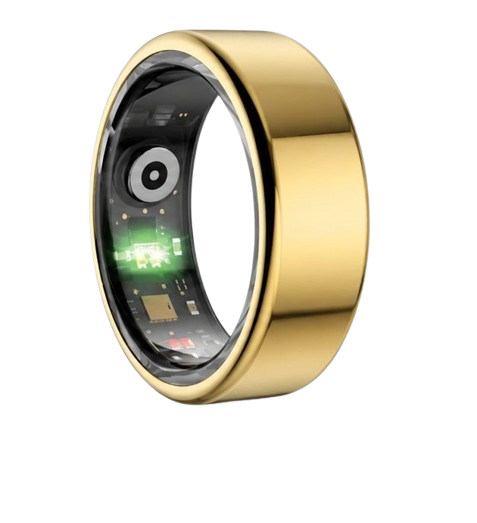
In This Article
- Step-by-Step Breathing Tracking: Learn the exact process to monitor oxygen drops using advanced wearable tech.
- PPG Sensor Mechanics: Understand the optical technology behind red and infrared LEDs.
- Oxygen Desaturation Index: Discover how an ODI score relates to your overall sleep architecture.
- Avoiding Wearable Pitfalls: Find out why smart rings offer a superior form factor over bulky smartwatches.
How to Monitor Nightly Oxygen Drops and Track Breathing Trends: A Step-by-Step Guide
To assess your overnight respiratory trends, you need a high-precision biometric wearable.
You also need a reliable software dashboard that captures micro-fluctuations in blood oxygen levels.
A quiet, typical sleeping environment will ensure your baseline readings remain consistent over time.
-
Step 1: Choose the Right Finger for Maximum Optical Perfusion
Your index finger offers the highest capillary density for accurate light absorption.
Ensure the optical sensors rest on the palm side of your hand.
A snug fit prevents the ring from rotating during your sleep cycles.
We recommend testing the fit during the daytime to allow for natural finger swelling.
If the ring is too loose, external light will disrupt the sensor readings.
If the ring is too tight, it will restrict local blood flow and skew your metrics.
-
Step 2: Enable Continuous Overnight SpO2 Tracking
Open your companion app to activate the continuous monitoring feature.
This setting instructs the optical LEDs to pulse at regular intervals.
Continuous tracking is essential for capturing sudden, brief drops in oxygen.
Make sure your device has at least a thirty percent charge before sleeping.
The ring will record your blood oxygen saturation silently throughout the night.
Your data is stored locally on the device until you sync it in the morning.
-
Step 3: Analyze Your Oxygen Desaturation Index (ODI)
Check your dashboard in the morning to view your hourly desaturation events.
The index counts how many times your oxygen level drops by three percent or more.
A stable baseline typically shows fewer than five occurrences per hour.
Log any unusual spikes to help identify lifestyle variables like alcohol intake.
Consistent readings above this threshold may indicate a need for professional clinical advice.
Understanding this pattern is key to identifying potential sleep disruptions early.
-
Step 4: Cross-Reference Oxygen Dips with Sleep Staging
Look for correlation between your oxygen drops and light sleep phases.
Frequent disruptions during REM sleep often indicate upper airway resistance.
Compare your awake times with the moments your oxygen levels dipped.
This comparison reveals whether breathing disturbances are waking you up.
Frequent micro-arousals can prevent you from reaching deep recovery stages.
Your app will show these events mapped together on a single timeline.
-
Step 5: Identify Patterns Over a 14-Day Baseline Period
Do not rely solely on a single night of tracking data.
Collect data over two weeks to establish a clear physiological trend.
Notice if your average oxygen levels improve on nights you sleep on your side.
Use these patterns to make informed adjustments to your evening habits.
Share these trends with your wellness advisor to optimize your recovery plan.
Tracking over time helps smooth out unusual one-night anomalies.
The Herz P1 Smart Ring makes this tracking process completely seamless.
Our advanced sensor system records detailed oxygen trends without interrupting your rest.
You can view your sleep data easily on the free lifetime companion app.
Explore the Herz P1 Smart Ring today to start gathering high-precision insights without monthly fees.
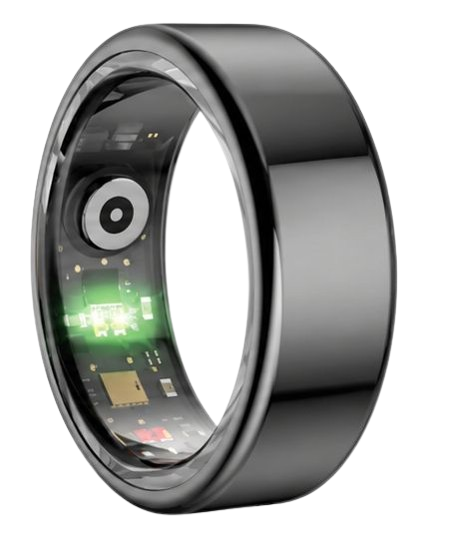
The Science of Optical Sensors: Finger-Based PPG vs. Polysomnography

Biometric tracking rings rely on photoplethysmography to read your vitals.
This technology projects specific light wavelengths through your skin capillaries.
The sensors measure the amount of light reflected back to determine blood volume changes.
Red light and infrared light work together to measure blood oxygen saturation.
Oxygen-rich blood absorbs more infrared light, while oxygen-depleted blood absorbs more red light.
Wrist-worn devices often struggle to maintain constant contact during movement.
Your finger base contains highly concentrated blood vessels close to the surface.
This anatomical advantage makes a compact sleep apnea ring highly effective for tracking overnight trends.
However, consumer rings are screening devices rather than direct clinical replacements.
Polysomnography remains the gold standard for formal clinical assessment.
Clinical sleep tests use multiple wired sensors to measure brain waves, muscle tone, and airflow.
A modern fda cleared sleep ring serves as an excellent early warning system.
It allows you to identify persistent abnormalities before booking an expensive clinic visit.
By tracking your trends, you can provide valuable long-term data to your healthcare provider.
This proactive approach helps bridge the gap between daily wellness and clinical evaluation.
Understanding the Oxygen Desaturation Index (ODI) and Sleep Metrics

An oxygen desaturation index smart ring calculates breathing interruptions while you sleep.
This metric is critical for identifying potential sleep breathing disorders.
An index score under five is generally considered normal for healthy adults.
Scores between five and fifteen suggest mild overnight oxygen desaturation.
If your score consistently exceeds fifteen, your sleep architecture is likely fragmented.
Chronic oxygen drops force your heart to work much harder during the night.
The autonomic nervous system reacts by triggering a survival response.
This response spike increases your heart rate and spikes your stress levels.
You can track this systemic stress by analyzing your Heart Rate Variability (HRV).
A sudden drop in overnight HRV often points to poor physical recovery.
Using an apnea monitor for adults helps you spot these physiological stressors early.
Many people mistake chronic snoring for a harmless sleep habit.
We encourage you to explore common sleep apnea myths to better understand your risks.
Tracking your breathing patterns over time removes the guesswork from your recovery.
The American Heart Association emphasizes that high-quality sleep supports long-term cardiovascular health.
Consistently monitoring your vitals helps you recognize structural sleep issues early.
Decoding Your Sleep Data: Reading Trends in the Herz P1 App
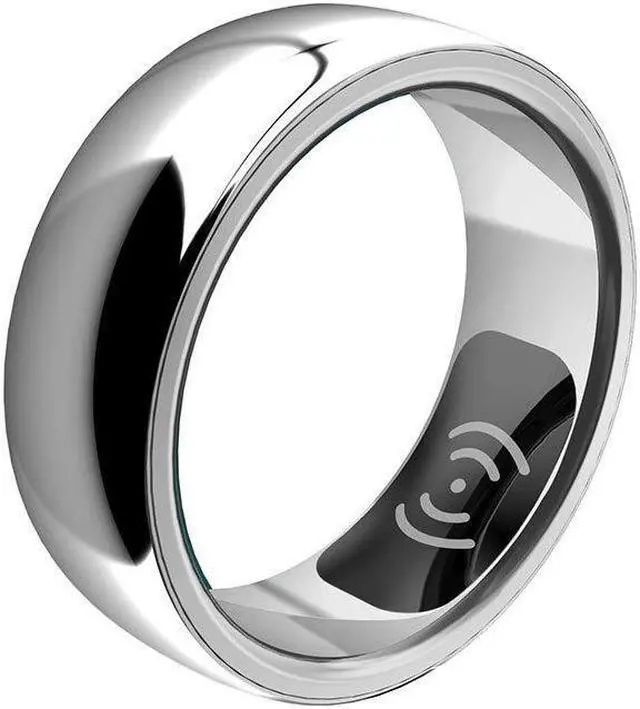
The Herz P1 app consolidates complex biometrics into a single, intuitive dashboard.
Every morning, you receive a comprehensive sleep quality score.
This score evaluates your deep sleep, REM sleep, and sleep consistency.
You can easily track your daily progress using a dedicated sleep monitor ring.
If you notice a sudden dip in your nightly oxygen saturation, do not panic.
Look at your overall weekly trends to identify persistent lifestyle patterns.
Late-night meals and alcohol consumption frequently degrade overnight breathing quality.
Sleeping on your side instead of your back can also minimize airway restriction.
Our comfortable, lightweight design ensures you can wear the ring 24/7 without irritation.
Using a reliable tracker ring allows you to make precise, data-backed adjustments.
A high-quality health monitor ring empowers you to take charge of your sleep hygiene.
You can also track your physical recovery and daily strain levels.
This holistic overview helps you strike the perfect balance between activity and rest.
The app offers personalized insights without ever locking your details behind a paywall.
Avoiding Common Sleep Tracking Obstacles and Pitfalls
Many users make the mistake of wearing a bulky smartwatch to bed.
Heavy wristwatches often shift during sleep, leading to fragmented sensor readings.
The tight band of a smartwatch can also cause local skin irritation.
In contrast, a sleek ring provides a comfortable and secure alternative.
Another major mistake is buying hardware that requires a recurring subscription.
Many brands lock your historical oxygen and HRV data behind a monthly paywall.
We believe your personal health metrics should belong to you forever.
The Herz P1 companion app is completely free for lifetime use with no hidden fees.
Make sure to clean your ring sensor with a soft cloth weekly to prevent dust buildup.
Consistent maintenance ensures the optical LEDs can read your capillaries clearly.
Ensure you select the right ring size to prevent data gaps from excessive rotation.
Our military-grade steel construction ensures your ring survives accidental drops and scratches.
By avoiding these common errors, you can enjoy seamless, uninterrupted wellness tracking.
Frequently Asked Questions About Smart Rings and Sleep Accuracy
Is the Herz P1 smart ring waterproof?
Yes, the Herz P1 features a certified IP68 waterproof rating.
It can withstand continuous submersion in water up to 164 feet deep.
This makes it completely safe for swimming, showering, and daily handwashing.
You do not need to take it off when washing your hands or washing dishes.
How long does the battery last on the Herz P1?
The high-capacity battery provides up to six days of continuous use.
It fully charges in under one hour using the included magnetic cradle.
You will receive a low-battery notification on your phone when it reaches twenty percent.
This rapid charging cycle ensures you rarely miss a single night of tracking.
Which finger is best to wear the smart ring on?
We recommend wearing the ring on your index or middle finger.
These fingers have the most robust blood flow for optical sensors.
Ensure the ring fits snugly but comfortably without squeezing your skin.
The ring should slide over your knuckle with only slight resistance.
Does the Herz P1 store health data offline?
Yes, the ring has built-in local memory to store up to seven days of data.
Your metrics will sync automatically once you connect to the app via Bluetooth.
This allows you to sleep without keeping your phone right next to your bed.
You can enjoy a completely distraction-free bedroom environment.
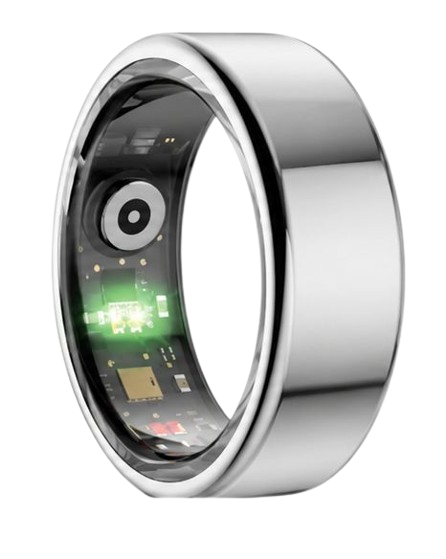
90-Day 100% Money-Back Guarantee
“The Herz Smart Ring helps me manage stress easily. It’s accurate, stylish, and lightweight—perfect for my busy life!”
— Jennifer P. | ✔ Verified Customer
- ✓ 6-Day Battery Life
- ✓ Detailed Sleep Analysis
- ✓ Fast 1-Hour Charging
- ✓ iOS & Android Ready
Questions? Call: 1-866-479-1629
Conclusion: Empowering Your Overnight Recovery
Monitoring overnight oxygen trends is the first step toward lasting wellness. The Herz P1 Smart Ring offers a reliable, subscription-free way to track recovery. Ready to monitor your health? Explore the Herz P1 Smart Ring today. Call: 1-866-479-1629 — our team can advise on the correct ring size and set health goals.
Note: Individual results may vary depending on individual health conditions, age, and lifestyle habits. This article is intended for general health reference purposes only.
