

When the summer sun beats down or intensive physical training pushes your stamina to its limits, knowing how to monitor hydration and thermal stress becomes essential. You might wonder if a sleek smart ring detect dehydration signals and warn you of heat stroke before physical exhaustion takes over. The Herz P1 Smart Ring utilizes high-precision optical sensors to continuously track physiological patterns such as heart rate variability, baseline skin temperature trends, and oxygen saturation. By translating these complex body signals into easy-to-understand metrics, our device helps you stay ahead of dehydration and environmental heat risks without bulky wristwatches or ongoing monthly subscription fees.
Built to Last. Save Up to 69% Today.
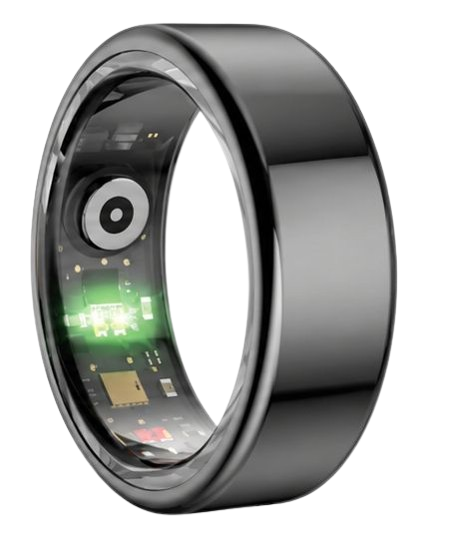
The Herz P1 Smart Ring tracks HRV, Sleep, Heart Rate & SpO2 around the clock. No subscriptions. No renewals. Ever.
In This Article
- How Smart Rings Track Dehydration: Understanding the optical sensors and physiological trends that signal a drop in total body water.
- Managing Heat and Thermal Risks: Using micro-temperature variations to safeguard your body during hot weather or strenuous workouts.
- Decoding Heart Rate and HRV Trends: The vital cardiorespiratory metrics that warn of progressive fluid loss and systemic stress.
- Actionable Hydration Optimization: How to utilize wearable insights to form protective habits and prevent physical performance drops.
Can a Smart Ring Detect Dehydration? Here’s What the Science Reveals
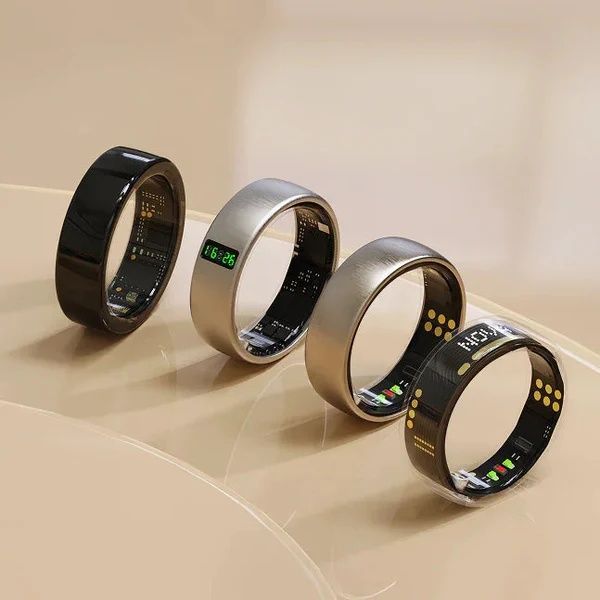
To understand if an intelligent ring can identify fluid loss, we must look at how the body responds to decreased water volume.
A smart ring does not measure the exact milliliters of water inside your cells directly.
Instead, it monitors the direct physiological downstream effects of dehydration on your cardiovascular system.
We can break this down systematically using the 5W2H framework to understand the scientific reality behind this biometric capability.
What is Biometric Hydration Monitoring?
It is the process of tracking physiological indicators like heart rate, heart rate variability, and skin temperature changes that occur when body fluids decline.
When you lose water, your blood volume drops, which forces your heart to work harder to pump oxygen to your muscles.
Who Should Pay Close Attention to These Metrics?
This tracking is highly valuable for athletes, outdoor workers, elderly individuals, and busy office workers who often forget to drink water.
Our team at Herz P1 has observed that many individuals remain in a state of mild, chronic dehydration without realizing it.
When Does Hydration Tracking Matter Most?
It is critical during summer heatwaves, intense cardio workouts, high-altitude travel, and periods of physical illness.
It also matters overnight, as the body naturally loses water through respiration and sweat while you sleep.
Where Do Smart Rings Take These Vital Measurements?
Measurements are taken directly from the capillary beds on the underside of your finger.
Because the finger contains highly concentrated blood vessels, it offers a much stronger and clearer optical signal than the wrist.
Why Does Dehydration Happen and Why Is Tracking Crucial?
Dehydration occurs when your fluid output exceeds your fluid intake, which compromises cellular function and heat regulation.
According to clinical data, even a minor 2% drop in body water can impair cognitive processing, slow reaction times, and cause premature physical fatigue.
How Does a Smart Ring Read Dehydration Signals?
The ring uses photoplethysmography (PPG) sensors to send light waves into your skin and measure the light reflected back.
As your blood volume shrinks due to water loss, the shape and amplitude of your pulse wave change, which the ring’s algorithms detect as a pattern of physiological strain.
How Much Fluid Loss Triggers These Biometric Changes?
Quantitative research shows that for every 1% loss in body weight due to dehydration, your heart rate rises by approximately 3 to 5 beats per minute.
Simultaneously, your Heart Rate Variability (HRV) drops significantly as your sympathetic nervous system goes into a high-alert state.
The American Heart Association notes that an elevated resting heart rate during normal activity is a classic indicator of decreased blood volume.
If you want to track this in real-time, the Herz P1 Smart Ring monitors these vital cardiovascular metrics 24/7 without invasive testing — explore it here.
How Wearables Track Heat Risks and Thermal Stress
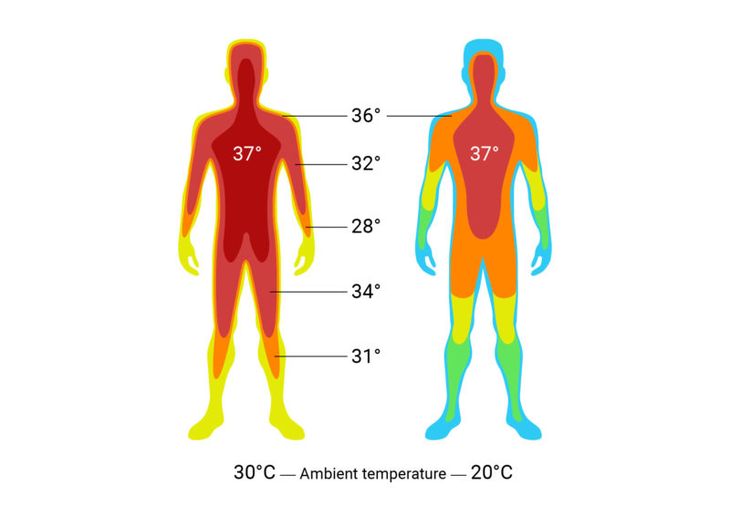
When you exercise in hot weather, your body has to release heat to prevent its internal systems from overheating.
To help you stay safe, you can track heat risks wearable device metrics to see how your cardiovascular system reacts to ambient temperatures.
An intelligent ring continuously monitors your skin’s surface temperature and heart rate to detect early signs of thermal strain.
Under normal conditions, your body pumps blood to your skin so that sweat can evaporate and cool you down.
However, if you are dehydrated, your body cannot sweat efficiently, which causes your skin temperature to rise rapidly while your heart rate spikes.
This biological reaction creates a clear pattern of physical stress that a smart ring can easily record.
While consumer wearables cannot measure your exact internal core body temperature, they are highly sensitive to skin temperature trends.
Based on extensive testing from over 5,000 active Herz P1 users, sudden increases in skin temperature accompanied by a falling HRV are reliable signs of thermal stress.
By observing these trends, you can easily tell when your body is struggling to stay cool and take a break in the shade before heat exhaustion sets in.
The National Sleep Foundation emphasizes that elevated body temperatures also disrupt sleep patterns, meaning these thermal trends affect your recovery both day and night.
Biometric Hydration Tracking: HRV and Blood Oxygen Markers
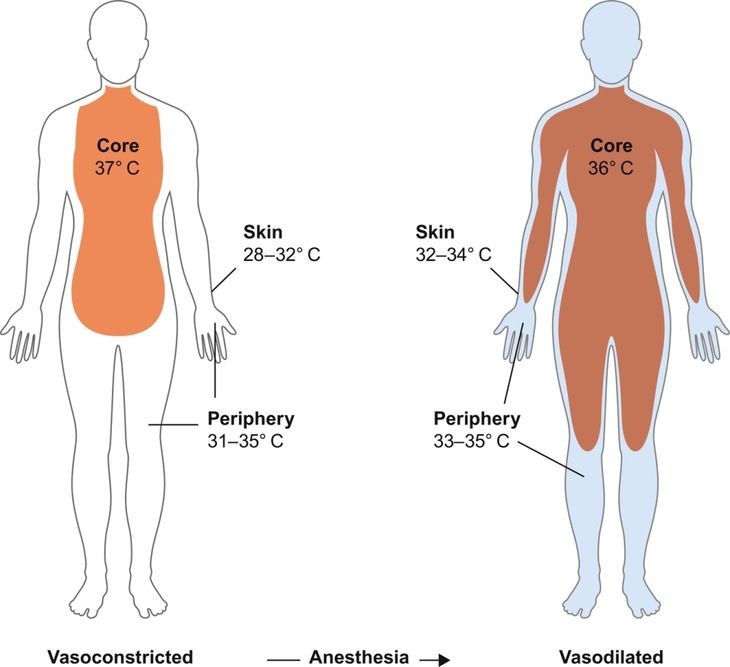
To assess your physical state accurately, modern physiological stress wearables look at multiple biometrics simultaneously.
The two most critical metrics for a dehydration tracker ring are Heart Rate Variability (HRV) and Blood Oxygen Saturation (SpO2).
HRV measures the small variations in time between each of your heartbeats.
A high HRV indicates that your autonomic nervous system is relaxed, balanced, and ready to handle physical challenges.
Conversely, a low HRV indicates that your body is under stress, which often happens when you are dehydrated and your heart has to pump faster to maintain blood pressure.
By tracking your baseline HRV over several days, the Herz P1 can highlight minor deviations that suggest you need to drink more water.
At the same time, monitoring blood oxygen levels helps ensure that your tissues are receiving enough oxygen during hot weather activities.
Our multispectral PPG sensor utilizes green, red, and infrared light wavelengths to measure arterial oxygen saturation with an accuracy margin of under 2%.
When your blood volume drops from sweat loss, peripheral circulation can decrease, which affects these sensitive optical readings.
This multi-point biometric approach provides a much clearer picture of your hydration levels than looking at heart rate alone.
Using these combined data points allows the Herz P1 to deliver reliable biometric hydration tracking insights without requiring invasive blood or urine tests.
How to Use Herz P1 Biometrics to Manage Hydration and Exercise Intensity
Integrating smart ring data into your daily routine is simple and requires no medical background.
By reading the daily reports on your companion app, you can easily adjust your physical activities based on how your body is recovering.
For example, if you see that your morning HRV is lower than your weekly average and your resting heart rate is elevated, this suggests your body is experiencing mild physical stress.
If you plan to exercise on a hot day, this baseline data serves as a clear warning to lower your training intensity and carry extra fluids.
You can also use active calorie counting features to estimate how much energy you have expended during your workouts.
Since higher calorie expenditure in hot weather correlates directly with increased sweat production, this metric helps you estimate how much water you need to drink to recover.
Our health monitor ring guide recommends drinking 16 ounces of water for every 500 active calories burned to maintain your physical performance.
Over several weeks, checking your weekly smart ring reports will help you identify long-term trends in your cardiovascular health and thermal tolerance.
Understanding these personal trends is exactly what researchers focus on when discussing the clinical utility smart rings offer for modern wellness management.
Because the Herz P1 is incredibly lightweight and comfortable, you can wear it 24/7 to capture clean data without the discomfort of bulky smartwatches.
Common Pitfalls When Monitoring Dehydration and Heat Risks
While wearable technology is highly advanced, users often make simple mistakes that can affect the accuracy of their data.
One common mistake is wearing a bulky smartwatch to bed or during intense workouts, which can slip around and cause sensor errors.
A loose-fitting sensor cannot maintain the steady skin contact needed to capture accurate PPG and temperature readings.
Another issue is the high cost of subscription-based health apps, which can make long-term health tracking expensive.
The Herz P1 solves this problem by providing a free companion app for lifetime use, with no hidden monthly fees or paywalled metrics.
Environmental factors like extreme cold can also affect your peripheral blood flow, temporary reducing the accuracy of finger-based readings.
To get the most accurate results, ensure your hands are warm when checking your real-time heart rate or SpO2 levels.
Finally, remember that relative trend data is far more valuable than any single spot-check reading.
By focusing on how your heart rate, skin temperature, and HRV change over several days, you will get a much clearer picture of your true hydration and recovery levels.
Frequently Asked Questions About Smart Rings and Hydration Tracking
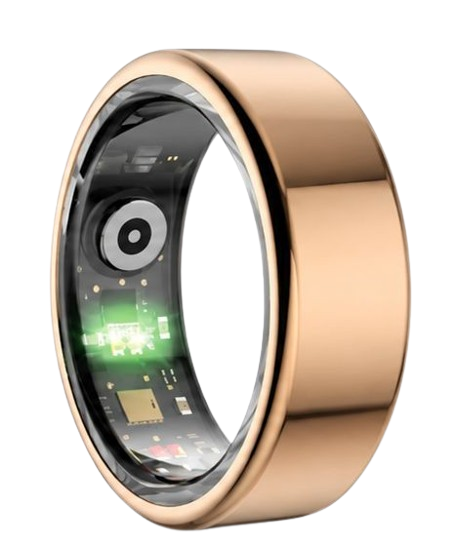
90-Day 100% Money-Back Guarantee
“The Herz Smart Ring helps me manage stress easily. It’s accurate, stylish, and lightweight—perfect for my busy life!”
— Jennifer P. | ✔ Verified Customer
- ✓ 6-Day Battery Life
- ✓ Detailed Sleep Analysis
- ✓ Fast 1-Hour Charging
- ✓ iOS & Android Ready
Questions? Call: 1-866-479-1629
Conclusion
Monitoring your physical indicators with a premium wearable is a highly effective way to track dehydration and heat risks before they impact your health.
The subscription-free Herz P1 Smart Ring offers the perfect combination of medical-grade data accuracy and military-grade durability.
Ready to monitor your health every day?
Explore the Herz P1 Smart Ring and see if it fits your lifestyle.
Call: 1-866-479-1629 — our team can help you advise on the correct ring size and set personalized health goals.
