

5 Best Sleep Trackers for Reclaiming Deep Sleep and Daily Energy
Are you waking up tired, struggling with a 3 AM racing mind and persistent brain fog? If complex health graphs leave you feeling overwhelmed, the right Herz P1 Smart Ring transforms confusing metrics into an intuitive Recovery Score, offering a lightweight, subscription-free, and screen-free way to master sleep.
Take Back Your Sleep.
Take Back Your Life.
- Fall asleep faster & sleep deeper
- Stop waking up in the middle of the night
- Wake up refreshed & full of energy
- How comfortable, screen-free wearables are replacing bulky smartwatches in the bedroom.
- Evaluating the best sleep trackers on biometric precision, battery life, and true cost of ownership.
- The link between Heart Rate Variability (HRV) and waking up refreshed without brain fog.
- A detailed comparison of rings, wristbands, and bedside health tracking options.
Finding the Best Sleep Trackers: Evaluation Criteria and In-Depth Reviews

When searching for the best sleep trackers, it is incredibly easy to feel overwhelmed by technical jargon, endless graphs, and complex setups. In our quest to simplify daily recovery, Team Mind Body Dan established a rigorous evaluation standard. We believe a functional wellness companion must integrate into your life without causing additional sleep-related anxiety—often referred to as “orthosomnia.” To understand more about our process, you can explore how sleep trackers work behind the scenes to capture daily biometric data.
We evaluated dozens of devices using five core pillars of performance:
- Physical Comfort: Can you wear this device comfortably through a restless night without it digging into your skin or catching on bedsheets?
- Screen-Free Design: Does the device lack a bright, notification-heavy display that could trigger a racing mind or tempt you to check messages at 3 AM?
- Long Battery Life: Does it last several days on a single charge, or does it require a nightly charging ritual that leaves a gap in your health data?
- Biometric Breadth: Does it capture critical recovery markers, including sleep stages (Deep, Light, REM) and Heart Rate Variability (HRV)?
- Cost Transparency: Are there hidden monthly subscription fees required to see your basic sleep data, or is it a one-time purchase?
By assessing these variables, we compiled a comparative look at how different wearable categories perform in the real world.
| Device Category | Subscription Fee | Form Factor | Battery Life | Screen-Free? |
|---|---|---|---|---|
| Herz P1 Smart Ring | $0 (Free Forever) | Ultra-light Titanium Ring | Multi-day Life | Yes |
| Premium Smartwatch | None / Optional | Bulky Wrist Unit | 18–36 Hours | No (Bright Display) |
| Display-Centric Band | Monthly Subscription | Narrow Wristband | 5–7 Days | No |
| Advanced GPS Sports Watch | None | Heavy Sports Watch | 7–14 Days | No |
| Contactless Bedside Sensor | None | Mat / Under-Mattress | Plugs into Wall | Yes |
Now, let us examine the specific features, capabilities, and real-world performance of these options to help you choose the ideal system for your personal wellness goals.
1. The Herz P1 Smart Ring — The Ultimate Screen-Free Sleep and Recovery Companion
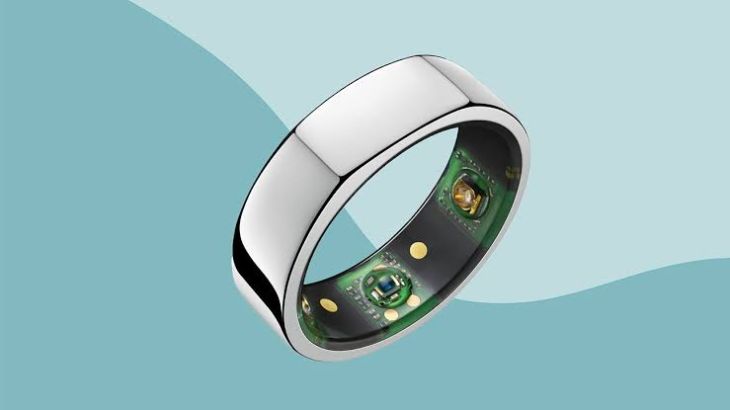
For those searching for the best sleep trackers that work quietly in the background without lifestyle interference, the Herz P1 Smart Ring represents a major step forward. Built with an ultra-lightweight titanium outer shell, it rests elegantly on your finger, collecting continuous medical-grade biometrics from the dense capillary networks of your digits. This positioning provides exceptionally clean data, matching or exceeding the accuracy of wrist-based sensors.
Unlike bulky smartwatches that glow and vibrate, the Herz P1 is entirely screen-free. This simple feature solves a major psychological issue: it stops the immediate urge to look at notifications or watch the clock count down when you experience a middle-of-the-night awakening. Instead, it securely logs your sleep architecture, and when you wake up, it delivers an easy-to-read daily Recovery Score directly to your companion app. Read more about smart rings for sleep tracking and why they are gaining rapid traction globally.
- The Big Win: No monthly subscription fees. You own your data forever, free from the ongoing paywalls common in modern fitness wearables.
- Key Metrics Tracked: Deep Sleep, REM Sleep, Light Sleep, Heart Rate Variability (HRV), resting heart rate, and total active calories burned.
- Physical Design: Hypoallergenic, water-resistant titanium construction. It is light enough that you will likely forget you are wearing it within minutes of putting it on.
- Battery Convenience: Requires charging only once every few days, allowing you to capture a complete, unbroken picture of your weekly sleep cycles.
Constructive Considerations: Because it is screen-free, you cannot view your live heart rate during workouts directly on your hand. You must view your detailed metrics inside the app after the fact, which is actually a significant positive for reducing daily screen time.
2. Traditional Premium Smartwatches
Many individuals default to a standard premium smartwatch as their primary health companion. These wristwatches are highly capable, general-purpose devices with vibrant touchscreens, voice assistants, and extensive app ecosystems. They are strong options if you want a miniature computer attached to your wrist during your workday.
However, when looking specifically for the best sleep trackers, these devices carry significant disadvantages. Their heavy, wide-screen profiles can feel hot and bulky against your wrist in bed. Additionally, because they run demanding operating systems, they usually require daily charging. If you forget to charge your watch during dinner, you will likely wake up to a dead battery, leaving a frustrating gap in your sleep history. To see if a wrist-based device fits your lifestyle, check out our wrist wearables for sleep tracking overview.
- Strengths: Excellent daytime productivity features, robust GPS routing, and high-frequency active heart rate monitoring for workouts.
- Weaknesses: Poor battery life, heavy wrist presence, and distracting nighttime screen glow.
3. Display-Centric Smart Bands
Display-centric bands represent a middle ground in the wearable space. They feature thin, narrow vertical screens and lightweight bodies. They are often highly rated for basic daytime step tracking and have improved their battery life over the years to survive up to a week between charges.
Unfortunately, many top-tier smart bands have moved toward restrictive paywall subscription models. While the upfront cost of the band may seem low, you are required to pay an ongoing monthly fee to access deep breakdowns of your sleep cycles, HRV trends, or stress levels. Without the subscription, you are often left with nothing but basic sleep duration logs, making them a costly long-term choice for budget-conscious users.
- Strengths: Slimmer than standard smartwatches, with useful multi-day battery life.
- Weaknesses: High lifetime cost of ownership due to monthly subscriptions; small screens can still be distracting at night.
4. Advanced GPS Sports Watches
Built for ultra-runners, mountaineers, and triathletes, advanced GPS sports watches are incredibly rugged and offer remarkable battery life that can stretch for weeks. They offer complex athletic training analysis, helping athletes fine-tune their physical stress levels.
However, they are not designed for comfortable night wear. They are thick, feature protruding metallic buttons, and use rigid silicone or nylon straps. Unless you are training for an endurance race, wearing a rugged, outdoor sports watch to bed can feel uncomfortable and disrupt your sleep. If you want to see how sports watches calculate athletic strain, read about understanding recovery metrics.
- Strengths: Phenomenal battery life and unparalleled GPS navigation tools.
- Weaknesses: Overwhelming sports-heavy interface; uncomfortable to wear to sleep.
5. Contactless Bedside Sensors
If you absolutely cannot tolerate wearing anything on your skin while sleeping, contactless bedside sensors or under-mattress mats present an interesting alternative. These devices use radiofrequency waves or pressure sensors to detect your body movements and respiration patterns from a distance.
While convenient and completely unnoticeable during the night, they lack the ability to measure direct biometrics. Because they do not have direct skin contact, they cannot continuously track true Heart Rate Variability (HRV) or detect fine changes in skin temperature. Additionally, they cannot track your physical activity during the day, meaning they cannot connect your daytime stress to your nighttime sleep quality.
- Strengths: Zero on-body wear required, making them perfect for those with skin sensitivities.
- Weaknesses: Limited biological measurements, no daytime tracking, and they only work when you sleep in your own bed.
Demystifying Biometrics: Sleep Stages, HRV, and Your Recovery Score

Simply collecting raw data is only half the battle. To truly benefit from wearables for sleep tracking, we must understand what these metrics reveal about our physical and mental state. When you wear a high-performance wellness tracker, it processes thousands of data points every night to help you make informed decisions about your daily routine.
Decoding Sleep Stages: Light, Deep, and REM
Every night, your brain moves through several cycles composed of three main sleep stages. The best sleep trackers use advanced motion and heart-rate sensors to map these transitions:
- Light Sleep: This serves as the transition phase, preparing your body for deeper rest. While it feels less restorative, it still supports mental recovery and covers about half of your night. Read more about essential sleep stages explained.
- Deep Sleep: This is when real physical healing happens. During deep sleep, your blood pressure drops, breathing slows, and your body releases growth hormones to repair muscle tissue, reduce inflammation, and boost your immune system.
- REM Sleep: Rapid Eye Movement (REM) is the playground of your mind. This phase is crucial for cognitive health, memory consolidation, creative thinking, and emotional processing. If you wake up with thick brain fog, a lack of REM sleep is often the cause.
Heart Rate Variability (HRV): The Body’s Stress Radar
Heart Rate Variability (HRV) is the measurement of the small variations in time between each consecutive heartbeat. It is regulated by your autonomic nervous system, which controls both your fight-or-flight response and your rest-and-digest recovery mode.
A higher HRV indicates that your nervous system is balanced and highly adaptable, meaning you are ready to handle physical or mental stress. Conversely, a consistently low HRV is a warning sign that your body is stuck in a chronic stress loop. This often occurs when your body is fighting off an infection, coping with high emotional strain, or recovering from intensive physical exertion. Learn more by reading our complete guide to tracking heart rate variability.
The Daily Recovery Score: Your Actionable Health Blueprint
Looking at raw HRV values and sleep stage percentages can be confusing. The major benefit of modern systems like the Herz P1 is how they translate these complex biometric algorithms into a single, intuitive Daily Recovery Score. This simple number helps you decide how to approach your day:
- High Recovery Score (80–100): Your nervous system is fully recharged. This is the perfect day to take on a challenging workout, pitch a new project, or tackle a demanding mental task.
- Moderate Recovery Score (50–79): Your body is operating normally, but it is not peak performance time. It is a good day to maintain your routine without pushing yourself to extremes.
- Low Recovery Score (Below 50): Your body is asking for rest. Pushing through with high-intensity exercise or skipping sleep will only deepen your fatigue. On these days, prioritize light movement, proper hydration, and an early bedtime. Learn how to manage your daily energy with subscription-free daily recovery scores.
Why Screen-Free Tracking is the Secret to Breaking the Insomnia Loop
If you have ever spent the night tossing and turning, you know the frustration of watching the clock slowly tick closer to morning. When you wake up at 3 AM with a racing mind, your natural instinct might be to check your smartwatch screen or pick up your phone. However, this action introduces two major disruptors to your sleep: blue light and mental stimulation.
The bright blue light emitted by modern screens mimics the color profile of daytime sunlight. When this light enters your eyes, it immediately signals your brain to stop producing melatonin, the hormone responsible for making you feel sleepy. This shifts your nervous system back into an active state, making it even harder to fall back asleep.
This is why screen-free wellness tools have become such an important development. By choosing a screen-free device like the Herz P1 Smart Ring, you can wear a high-performance wellness tracker without the distraction of notifications or glowing displays in your bedroom. This allows you to collect precise health data in the background while keeping your sleep environment dark and relaxing. Explore the benefits of screen-free daily wellness for a more mindful approach to recovery.
If you want to break the cycle of restless nights, try building a screen-free bedroom routine:
- Charge your phone and primary smartwatch outside of your bedroom.
- Use a dedicated screen-free tracking wearable to capture your sleep biometrics quietly.
- Keep your bedroom cool (around 65–68°F / 18–20°C) and completely dark.
- Avoid checking your sleep scores immediately upon waking; take a few minutes to tune into your body’s natural state first.
Final Recommendations: Finding the Ideal Tracker for Your Life
To help you make your final choice, we have simplified our recommendations into three clear categories:
- The Best Overall Choice: The Herz P1 Smart Ring. Its lightweight titanium design, subscription-free access, and screen-free profile make it the most comfortable and practical option for health-conscious individuals who want to track their sleep without distraction.
- The Best for Daily Productivity: A traditional premium smartwatch. This is the right choice if you want to receive text notifications, take phone calls from your wrist, and do not mind charging your device every single day.
- The Best for High-End Athletics: An advanced GPS sports watch. It is ideal for outdoor athletes who need mapping, route guidance, and deep workout metrics, and who do not mind wearing a bulkier device during the night.
Disclaimer: Results may vary depending on individual physical activity levels, unique health conditions, and daily tracking patterns. The Herz P1 Smart Ring and the information contained in this article are intended strictly for monitoring trends and general educational purposes. This device is not designed to diagnose, treat, or prevent any medical condition.
