

Is Insomnia Genetic and Does It Run in Families?
Do you lie awake at 3 AM wondering, *is insomnia genetic*? If your family struggles to sleep, genetics could play a significant role. Our team at Mind Body Dan explores the DNA-sleep connection and how a screen-free tracker like the Herz P1 Smart Ring helps decode your unique biometric recovery patterns.
Take Back Your Sleep.
Take Back Your Life.
- Fall asleep faster & sleep deeper
- Stop waking up in the middle of the night
- Wake up refreshed & full of energy
- The Genetic Component: Clinical research indicates that approximately 30% to 60% of insomnia vulnerability is linked to genetic factors.
- Hyperarousal and DNA: Inherited variations often affect how your brain regulates stress hormones and processes neurotransmitters like GABA.
- Nature vs. Nurture: Epigenetic triggers, family behavioral dynamics, and poor sleep hygiene play a massive role in whether genetic predispositions manifest.
- Actionable Bio-Tracking: Utilizing a screen-free biometric tracker can help you monitor your unique sleep stages (REM, Deep, Light) and daily recovery trends without triggering blue-light sleep disruption.
The Science of Sleep: Is Insomnia Genetic?
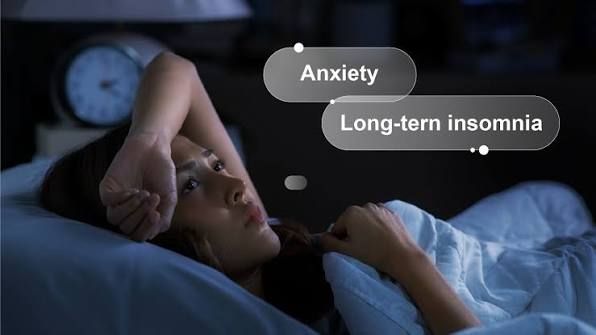
Quick Answer: Yes, a predisposition to sleep difficulties can be inherited. The short answer is that while there is no single “insomnia gene,” large-scale genomic studies indicate that 30% to 60% of our susceptibility to sleep disruption is tied to our DNA. However, to choose the right wellness strategy, you must understand how your unique genetic profile interacts with daily behavioral choices, stress-induced hyperarousal, and your environmental surroundings.
Many individuals struggle with a racing mind, lying awake in the dark as the clock ticks past 3 AM, wondering why their partner or friends drift off so effortlessly. If you find yourself trapped in this cycle of non-restorative sleep, you might ask: is insomnia genetic, or is it simply a consequence of modern stress? The truth lies in a complex interplay of biology and lifestyle.
When scientists investigate whether is insomnia hereditary, they look closely at sleep architecture and biological pathways. Large-scale genome-wide association studies (GWAS) have identified specific genetic regions linked to sleep duration, sleep quality, and chronotype (your natural preference for being a morning lark or night owl). These genetic variations affect how your body handles neurotransmitters like GABA and adenosine, which are essential for calming brain activity and generating “sleep pressure.” If you have inherited variations that reduce your GABA receptor sensitivity, your brain may remain in a state of high alert, making it difficult to transition into deep sleep stages.
Furthermore, research exploring whether is insomnia inherited points to the sympathetic nervous system. Some individuals are born with a highly reactive “fight-or-flight” system. Under identical stress conditions, one person’s body may rapidly return to baseline, while another experiences elevated heart rates and low Heart Rate Variability (HRV) throughout the night. This physiological reactivity is frequently an inherited trait, predisposing entire families to sleep difficulties during periods of life transitions or stress.
When to Use / Not to Use This Information
Understanding the role of genetics in sleep is highly beneficial for those who have struggled with chronic sleep disruptions despite practicing basic sleep hygiene. It helps reframe the issue from a personal failure of willpower to a biological baseline that requires targeted tracking. However, this genetic framework is not meant for those looking to self-diagnose severe sleep disorders like clinical sleep apnea, nor should it be used as an excuse to ignore healthy habits under the assumption that “my DNA made me this way.”
Actionable Strategies and Screen-Free Tracking
While you cannot rewrite your genetic code, you can change how those genes express themselves through tailored behavioral adjustments. To truly understand how your hereditary sleep issues behave on a nightly basis, objective tracking is essential. This is where modern wearable technology comes in.
Our team at Mind Body Dan highly recommends using a screen-free tracking method like the Herz P1 Smart Ring. Traditional smartwatches can trigger sleep-disrupting blue light and nighttime notifications that worsen autonomic hyperarousal. In contrast, the Herz P1 Smart Ring is crafted from ultra-lightweight, medical-grade titanium and features no screen to distract you. It operates quietly in the background, utilizing advanced biometric sensors to track your Sleep Stages (REM, Deep, Light) and your Heart Rate Variability (HRV). By outputting a clear, simple daily Recovery Score, it helps you identify exactly how your genetic baseline responds to daily stressors and recovery habits—all with a subscription-free model that ensures you own your health data forever without monthly fees.
— Team Mind Body Dan
Frequently Asked Questions
1. Does having a parent with sleep struggles guarantee I will have them too?
No. While genetic sleep patterns increase your susceptibility, they are not a guarantee. Environmental triggers, stress levels, and daytime behaviors act as the switches that turn these genetic predispositions on or off.
2. Can a smart ring help me manage my inherited sleep tendencies?
Yes. By tracking your deep sleep and REM cycles, a smart ring provides objective data on your sleep architecture. If your family history points to sleep fragmentation, monitoring your recovery patterns can help you tailor your wind-down routine to protect your deep sleep stages.
3. Why is a screen-free device better for sensitive sleepers?
People with a genetic tendency toward hyperarousal are highly sensitive to external stimuli. Seeing a bright smartwatch screen light up at 3 AM can trigger a spike in cortisol, making it much harder to fall back asleep. A screen-free smart ring tracks your metrics invisibly, keeping your bedroom a calm, distraction-free environment.
How Insomnia Runs in Families: Nature vs. Nurture

To fully grasp how sleep disruption propagates across generations, we must examine both inherited biology and shared household behaviors. This is the classic “nature versus nurture” dynamic. While exploring the chronic insomnia genetic components of sleep can explain our biological baseline, family environments and learned routines often act as the catalyst that triggers persistent sleep issues.
Consider how easily behaviors are passed down. Often, when sleep struggles run in families, children observe and adopt the stressful nighttime habits of their parents. For instance, a household that features late-night television viewing, high-caffeine consumption, or working in bed creates an environment of cognitive arousal. When we combine this high-stimulus environment with an inherited, sensitive nervous system, chronic sleep struggles can quickly develop.
This biological-environmental dynamic is mediated by epigenetics—the study of how our behaviors and surroundings influence how our genes function. Epigenetic studies reveal that while you might carry a genetic predisposition toward low deep sleep, positive lifestyle adjustments can counter these tendencies. Managing your evening light exposure, establishing a regular wind-down schedule, and monitoring how your daily activities affect your recovery are powerful ways to optimize your genetic expression.
- Protect Your Circadian Baseline: Maintain consistent sleep and wake times, even on weekends, to stabilize your biological clock.
- Manage Evening Blue Light: Dim bright lights and turn off screens at least one hour before bed to support your body’s natural melatonin production.
- Track Your Biometrics: Use a screen-free device to understand your night-to-night HRV and sleep stages, allowing you to make data-informed changes.
- Practice Mindful Decompression: Incorporate relaxation exercises or light reading to soothe a hyperactive autonomic nervous system.
By shifting our perspective from genetic determinism to proactive optimization, we can regain a sense of agency. Gaining a clearer picture of the genetics of sleep can empower you to tailor your environment, protective habits, and daily tracking tools to support restful nights and vibrant days.
Decoding Your Sleep Blueprint: Tracking Biometrics Without the Screen

If you suspect that your sleep difficulties have a hereditary basis, the most effective path forward is to track your biometrics. By measuring exactly what occurs within your body overnight, you can move away from guesswork and take a data-informed approach to managing your rest.
Tracking Sleep Stages and HRV
Sleep is not a single, continuous state; it consists of distinct sleep stages—including REM, Deep, and Light sleep—that serve vital restorative roles. People with a genetic predisposition toward lighter sleep often experience frequent micro-arousals that disrupt deep sleep, leaving them feeling fatigued and foggy despite spending eight hours in bed.
Equally critical is tracking your Heart Rate Variability (HRV). HRV is the variation in time between consecutive heartbeats and is regulated by your autonomic nervous system. A higher HRV indicates that your body is in a state of rest and recovery, while a lower HRV suggests that your sympathetic “fight-or-flight” system is dominant. For those with a genetic tendency toward stress-induced wakefulness, tracking night-to-night HRV trends offers a clear picture of when your nervous system is carrying too much tension into the bedroom.
The Problem With Traditional Smartwatches
Although wearable sleep tracking has grown increasingly popular, many traditional devices can unintentionally disrupt the sleep of sensitive individuals. Bulky smartwatches are often uncomfortable to wear throughout the night, can cause skin irritation, and typically require daily charging. Furthermore, their glowing screens and vibration alerts can easily trigger nighttime awakenings and fuel sleep anxiety.
If you awaken at 3 AM with a racing mind, seeing a glowing watch screen can heighten your stress, signaling your brain that you are failing to sleep. This blue-light exposure can quickly suppress melatonin production, turning a brief awakening into a prolonged, frustrating night.
A Screen-Free, Subscription-Free Solution
To track sleep patterns without these drawbacks, a screen-free smart ring is the ideal solution. Designed to be worn comfortably on your finger, the Herz P1 Smart Ring operates silently and invisibly in the background. It features a lightweight, durable titanium build and boasts an extended battery life, removing the frustration of frequent charging.
The Herz P1 Smart Ring translates complex biometrics into simple, actionable daily sleep and recovery metrics. It tracks your Deep, Light, and REM sleep cycles, alongside your HRV and resting heart rate, to calculate an intuitive daily Recovery Score. This subscription-free tracker has no hidden monthly fees—you buy the device once and own all your health insights forever. This elegant, screen-free approach allows you to focus on your recovery without the distraction of modern screens, helping you reclaim deep, restorative sleep.
Take the Next Step in Your Wellness Journey
Understanding your genetic sleep baseline is a vital step toward long-term recovery. Discover how a comfortable, screen-free smart ring can help you optimize your sleep stages, track your HRV, and build healthy habits without the stress of monthly subscriptions.
Disclaimer: Results may vary depending on individual physical activity levels, unique health conditions, and daily tracking patterns. The Herz P1 Smart Ring and the information on Mind Body Dan are intended for educational and wellness-tracking purposes only, and should not be used as a substitute for professional medical advice, diagnosis, or treatment. Always consult with a qualified healthcare provider regarding any chronic sleep concerns or medical conditions.
