

What is the Real Connection Between Race and Sleep Disorders? Exploring the Hidden Sleep Disparities
Are you waking up exhausted? Emerging scientific research shows that sleep is not an equal playing field. If chronic stress affects your rest, exploring the link between race and sleep disorders can provide key answers. Monitoring your biological data with a screen-free tracker offers a simple, powerful way to reclaim your nightly recovery.
Take Back Your Sleep.
Take Back Your Life.
- Fall asleep faster & sleep deeper
- Stop waking up in the middle of the night
- Wake up refreshed & full of energy
Key Article Highlights
- The Social Landscape: Systemic environmental stressors, socioeconomic differences, and geographic factors shape our biological sleep opportunities.
- Autonomic Impact: Chronic environmental vigilance suppresses Heart Rate Variability (HRV), keeping the body in a prolonged sympathetic state during sleep.
- Sleep Architecture Disruption: Minoritized groups often experience shorter deep sleep (slow-wave sleep) and REM sleep stages due to nighttime disturbances.
- Screen-Free Solutions: Emphasizing screen-free biometric tracking with the Herz P1 Smart Ring to monitor trends without triggering bedtime anxiety.
What You Will Learn
Understanding Race and Sleep Disorders: What the Science Reveals

Quick Answer: Yes, scientific research shows a strong, documented connection. Socioeconomic factors, environmental noise, and systemic stress significantly impact sleep duration and quality among racial groups. To manage this effectively, you must understand how these external factors influence your autonomic nervous system and sleep structure.
Sleep is one of the most fundamental biological needs, yet our access to peaceful, deep sleep is heavily influenced by the world around us. In the field of sleep medicine, the study of sleep disparities has gained critical focus over the past two decades. Epidemiological data consistently demonstrates that racial and ethnic minorities—specifically Black, Hispanic, and Indigenous populations—experience shorter sleep durations and lower sleep efficiency compared to their white counterparts.
When we explore the scientific literature examining race and sleep disorders, we find that these differences are not rooted in genetic differences of racial categories. Instead, they are driven by systemic environmental, social, and economic factors. For instance, individuals living in densely populated urban neighborhoods often deal with higher levels of ambient noise, light pollution, and industrial activity. These environmental factors disrupt the natural transition into restorative sleep, leading to frequent micro-arousals during the night.
When studying race and sleep disorders, we must prioritize environmental stressors. Many people in these communities work shift schedules or hold multiple jobs, which makes it difficult to maintain a consistent sleep routine. This irregular schedule disrupts the circadian rhythm, the body’s internal clock that coordinates hormone production, body temperature, and cellular repair.
The Impact on Your Inner Rhythm
When your circadian rhythm is constantly disrupted, your body struggles to produce melatonin, the hormone that signals it is time to sleep. This can lead to a cycle of lying awake with a racing mind, followed by morning brain fog and relying on caffeine to get through the day.
To delve deeper into the systemic layers of race and sleep disorders to understand the root causes, we must examine how structural challenges affect physiological recovery. For example, lower-income neighborhoods may have limited access to healthy foods, green spaces, and safe areas for physical activity, all of which are essential for quality sleep. This structural perspective shows that race and sleep disorders are closely linked to societal inequities that impact physical well-being.
When to Monitor Your Sleep Patterns (And When to Wait)
Understanding your personalized sleep metrics can be highly beneficial under the right circumstances.
- Monitor your patterns if: You consistently wake up feeling unrefreshed, work irregular hours, live in a noisy neighborhood, or want to understand how stress affects your nightly recovery. Tracking your autonomic trends over time can help you make informed adjustments to your evening routine.
- Wait to monitor if: You are currently dealing with severe, clinical insomnia. Constantly checking your sleep numbers can sometimes increase anxiety, a pattern known as orthosomnia. If this is the case, focus first on relaxing wind-down routines before using a tracking device.
For those looking to monitor their recovery without the stress of constant notifications, screen-free wearable technology offers a gentle solution. Traditional smartwatches can be heavy, require frequent charging, and emit blue light that disrupts sleep. In contrast, a screen-free titanium smart ring, such as the Herz P1 Smart Ring, tracks your biometric trends quietly in the background. It measures your autonomic signals throughout the night, helping you understand your recovery without screen-induced stress.
Section 1: Common Questions
Q: How do environmental factors influence race and sleep disorders?
A: Environmental noise, light pollution, and lower air quality in urban areas can disrupt sleep architecture, leading to lighter, less restorative sleep stages.
Q: What is the connection between shift work and sleep disparities?
A: Shift work irregulars your internal clock, making it harder for the body to transition naturally into deep and REM sleep stages.
Q: Does tracking race and sleep disorders require specialized clinical equipment?
A: While clinical sleep studies are needed for diagnosing conditions like sleep apnea, screen-free wearables can help you monitor daily trends in HRV and sleep stages.
Analyzing the Biological Toll: How Chronic Stress Impacts HRV and Sleep Quality

To understand whats connection between race and sleep disorders, we must look at how chronic stress impacts our biology. Living with ongoing stressors—whether from financial worry, discrimination, or unstable environments—keeps the body’s stress response system on high alert. This constant vigilance prevents the nervous system from relaxing, which directly impacts sleep quality.
When the body is under stress, the hypothalamic-pituitary-adrenal (HPA) axis is continuously active, releasing hormones like cortisol and adrenaline. Normally, cortisol levels drop in the evening to help you fall asleep. However, for those experiencing chronic stress, cortisol remains elevated. This can lead to waking up at 3 AM with a racing mind, unable to fall back asleep.
This persistent state of stress also directly affects Heart Rate Variability (HRV), which measures the variation in time between consecutive heartbeats. HRV is controlled by the autonomic nervous system:
- The Sympathetic Nervous System (Fight or Flight): Lowers HRV, preparing your body for action.
- The Parasympathetic Nervous System (Rest and Digest): Highers HRV, helping your body relax and recover.
For those researching race and sleep disorders, the data shows that chronic environmental stress keeps the sympathetic system active, even during sleep. This results in a lower HRV and prevents the body from transitioning into deep, restorative sleep stages.
The Reality of Chronic Vigilance
Chronic stress shapes how we sleep, often reducing deep sleep and leaving us feeling exhausted the next day. While we cannot always change our environments immediately, tracking our recovery trends can help us manage their impact on our health.
Without sufficient deep sleep (slow-wave sleep) and REM sleep, the brain cannot clear out cellular waste or process emotions effectively. This often leads to waking up with brain fog and feeling physically unrefreshed, even after a full night’s sleep. If these sleep disparities are left unaddressed, the continuous stress can impact long-term cardiovascular health.
By tracking these subtle physiological shifts, we can gain valuable insights into our health. While traditional smartwatches with bright screens can add to sensory overload, a screen-free option like the Herz P1 Smart Ring provides a quiet, subscription-free way to monitor sleep stages and HRV. Made of lightweight titanium, it helps you track your body’s recovery trends without the distraction of an extra screen.
Reclaiming Your Rest: Screen-Free Tracking and Recovery Optimization
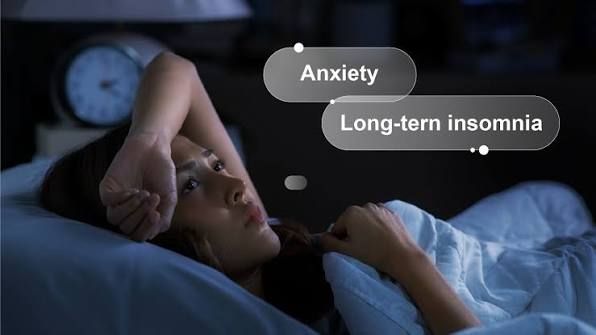
Gaining clarity on race and sleep disorders empowers individuals to take proactive steps for their health. While structural changes are needed to resolve sleep disparities, there are practical, immediate strategies you can use to optimize your nightly recovery.
Managing the biological impact of stress begins with practical, daily habits. Establishing a consistent wind-down routine—such as dimming lights an hour before bed, keeping the bedroom cool, and limiting caffeine in the afternoon—can help prepare your body for rest. Additionally, keeping screens out of the bedroom is crucial. The blue light from phones and tablets suppresses melatonin, which delays your body’s natural transition into sleep.
— Team Mind Body Dan
Unbiased biometric tracking can help monitor the trends associated with race and sleep disorders, showing how minor changes to your evening routine can improve your rest. However, tracking your sleep shouldn’t become a source of stress. Devices that display complex graphs or send constant notifications can sometimes increase sleep anxiety.
This is why a screen-free, minimalist wearable like the Herz P1 Smart Ring is so helpful. It collects sleep and recovery data quietly in the background, with no screen to distract you. The ring measures sleep stages (REM, Deep, Light), Heart Rate Variability (HRV), and daily activity, translating this complex data into a simple, daily Recovery Score.
By monitoring your recovery trends over time, you can make practical, data-informed adjustments to your daily habits. Reclaiming your rest and managing race and sleep disorders starts with listening to your body’s natural rhythms. Tracking these patterns with a screen-free, titanium smart ring provides the simple, reliable insights you need to support your long-term well-being.
Frequently Asked Questions
What is a Recovery Score?
A Recovery Score is a simple metric that combines your HRV, resting heart rate, and sleep quality to show how well your body has recovered from daily stress.
Why is screen-free tracking beneficial for sleep?
Screen-free tracking removes light pollution and digital notifications from the bedroom, helping you sleep without the distractions of a traditional smartwatch.
How can tracking help address sleep disparities?
Tracking sleep trends helps you identify how environmental stress and irregular schedules affect your body, allowing you to make targeted adjustments for better recovery.
