

Snore Quiz: Do I Snore and How to Stop It
Waking up with brain fog or a dry mouth? If non-restorative sleep and 3 AM awakenings leave you exhausted, our self-evaluation can help. Take this comprehensive snore quiz to assess your habits, and see how tracking biometric trends like heart rate variability (HRV) with the screen-free Herz P1 Smart Ring clarifies your overnight recovery.
Take Back Your Sleep.
Take Back Your Life.
- Fall asleep faster & sleep deeper
- Stop waking up in the middle of the night
- Wake up refreshed & full of energy
- Discover Snoring Patterns: Learn how simple lifestyle and sleeping positions create physiological resistance.
- Interactive Snore Quiz: Complete our step-by-step self-evaluation to measure your risk level.
- Biometric Correlation: Understand how nighttime resistance directly impacts your Heart Rate Variability (HRV) and Sleep Stages.
- Smart Tracking Solutions: Learn how screen-free wearables, like the titanium Herz P1 Smart Ring, track recovery without bulky smartwatches or monthly fees.
Understanding Snoring and the Interactive Snore Quiz

We have all been there: waking up after what felt like a full eight hours of sleep, only to find ourselves buried under a heavy blanket of brain fog. Your mind races as you try to pinpoint the cause. Was it the late-afternoon espresso? The stress of a looming work deadline? Or perhaps it was a quiet, unnoticed physiological battle occurring right inside your airway. Many individuals experience non-restorative sleep and frequent 3 AM awakenings without realizing that mild nighttime respiratory resistance is the primary culprit. Taking a targeted snore quiz is the first step toward uncovering these hidden trends.
At Team Mind Body Dan, we understand how frustrating it is to feel exhausted when you believe you are doing everything right. Snoring is more than an audible nuisance for a bed partner; it is a clear physiological signal that your body is working harder than it should to maintain steady oxygenation while you sleep. To help you evaluate whether your nighttime breathing is compromising your recovery, we have developed a comprehensive do i snore quiz. This self-assessment is designed to highlight key markers of airway resistance and sleep fragmentation.
Prerequisites for the Quiz
Before you begin this interactive snore quiz, take a moment to reflect on your physical feelings over the past two weeks. If you sleep alone, you will need to rely on markers like morning dry mouth, a sore throat, or waking up abruptly. If you share a bed, consider any gentle nudges or comments you may have received about your breathing. Having these observations in mind will ensure your responses are as accurate as possible.
Interactive Snore Quiz
Answer the following ten questions honestly, keeping track of your points to calculate your score at the end.
Evaluating Your Snore Quiz Score
Now that you have completed the questionnaire, sum your scores. Let us review what your results mean for your sleep quality and general well-being:
- 0 to 6 Points (Low Risk): You likely have minimal airway resistance. Any occasional snoring is probably tied to temporary factors like seasonal allergies or sleeping in a flat, supine position. To keep your sleep in this healthy state, focus on maintaining clean sleep hygiene and monitoring your weekly recovery trends. Taking a periodic comprehensive snore quiz can help you stay ahead of any emerging habits.
- 7 to 13 Points (Moderate Risk): You have clear signs of mild to moderate airway resistance. This resistance likely leads to shallow sleep, sudden micro-arousals, and fluctuations in heart rate. By paying close attention to your body’s signals, you can pinpoint the lifestyle factors causing these disruptions. Reviewing these snore quiz details exposes how simple issues—like sleep position or evening habits—can impact your recovery.
- 14 to 20 Points (High Risk): Your results show significant breathing resistance that likely disrupts your sleep architecture. When your airway narrows, it causes frequent wake-ups, lowers your heart rate variability (HRV), and deprives you of restorative sleep phases. Your personal snore quiz assessment highlights the need for a structured plan. We highly recommend talking to a medical professional and using a comfortable tracking method to monitor your daily biometric trends.
Many people try to evaluate their sleep by using smartphone apps that record overnight room audio. While these apps can confirm that you make noise, they miss the most critical part of the puzzle: your body’s physical response. They cannot tell you if a snore caused a micro-arousal, dropped your heart rate variability (HRV), or shortened your deep sleep. Real, actionable insight requires tracking how physical resistance affects your cardiovascular and nervous systems.
A Smarter, Screen-Free Tracking Method
To truly understand your sleep, you need to look beyond the audio of a snore quiz evaluation. This is where advanced biometric tracking becomes invaluable. For many of us, traditional smartwatches are too bulky to wear comfortably all night. They often glow with distracting screen notifications and require frustrating daily charging. This is why we highly recommend the Herz P1 Smart Ring.
The Herz P1 is a premium, titanium smart ring designed to fit comfortably on your finger all night. It features high-precision medical-grade sensors that monitor your key sleep metrics, including Sleep Stages (REM, Deep, Light) and HRV. Best of all, it offers a subscription-free experience. Unlike other popular brands, you buy the ring once and own all of your health data forever, without any hidden monthly fees. It translates complex biometric algorithms into a single, intuitive daily Recovery Score, helping you see exactly how your lifestyle choices affect your sleep quality.
Common Pitfalls and Mistakes
When trying to stop snoring, many people run into common roadblocks. One major mistake is relying on temporary solutions, like throat sprays, without looking at the underlying physical causes. Another is neglecting to monitor your sleep over time. Without tracking metrics like HRV or deep sleep duration, it is incredibly difficult to know if your sleep habits are actually improving. Finally, many people do not realize how much back-sleeping and alcohol consumption relax throat muscles and narrow the airway.
Your Quick Action Checklist
- Use Positional Therapy: Use a specialized side-sleeping pillow to keep your airway open.
- Optimize Your Evenings: Avoid alcohol, heavy meals, and caffeine within three hours of bedtime.
- Monitor Consistently: Use a comfortable, screen-free wearable to track how your lifestyle adjustments affect your deep sleep and HRV.
- Prioritize Nasal Health: Use saline rinses or nasal strips if you experience chronic evening congestion.
By using this snore quiz evaluation and tracking your daily biometric trends, you can make clear, informed decisions. This allows you to break free from non-restorative sleep cycles, clear away morning brain fog, and reclaim your vital energy.
The Science of Nighttime Resistance and Why We Snore
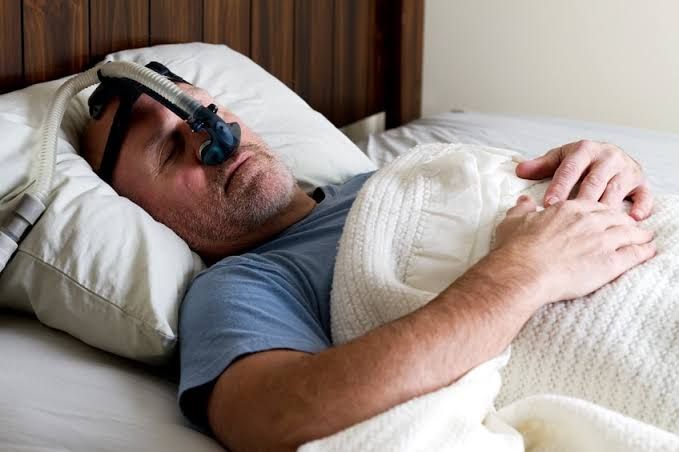
Snoring is fundamentally a mechanical process. To understand it, we need to look at how air moves through your airway when you sleep. As you drift off, your body transitions from light sleep into deep and REM phases. During this time, the muscles in your head, neck, and throat relax. This relaxation is completely normal, but it can cause the soft tissues—such as the soft palate, uvula, tonsils, and tongue—to shift backward. When you take a snore quiz, you are evaluating how these natural shifts may be narrowing your airway.
When your airway becomes narrow, the air you inhale has to travel through a smaller space. This increases the air’s velocity, creating turbulent airflow. This turbulent air causes the relaxed tissues of your throat to vibrate. These physical vibrations produce the familiar sound of snoring. While snoring is often seen as just a loud sound, it is actually a sign of physical resistance. This resistance forces your body to work harder to breathe, taking a toll on your cardiovascular and nervous systems.
Understanding the difference between mild snoring and severe airway restriction is crucial. Occasional snoring might just be a minor disturbance. However, when your airway collapses completely, it blocks your breathing entirely. This blockage triggers a sudden survival response in your brain, forcing a micro-arousal to help you breathe again. These micro-arousals are often the real cause behind those frustrating 3 AM awakenings, leaving you with a racing mind and non-restorative sleep.
This continuous cycle of airway resistance and micro-arousals can heavily disrupt your sleep stages, particularly deep sleep and REM sleep. These are the crucial phases when your body repairs tissue, consolidates memories, and balances hormones. If you are constantly pulled out of these stages by breathing difficulties, you will likely wake up with persistent brain fog, even if you do not remember waking up at all. This is why using a do i snore quiz to spot these issues is so important for your long-term health.
Furthermore, this chronic nighttime stress has a direct impact on your cardiovascular health, which you can easily track using Heart Rate Variability (HRV). HRV is the variation in time between consecutive heartbeats, and it is controlled by your autonomic nervous system. A higher HRV shows that your body is in a relaxed, resting state. When you experience breathing resistance, your body triggers a fight-or-flight response, causing your HRV to drop. By tracking these patterns with a comfortable smart ring, you can get clear, actionable insights into your recovery.
Track Your Recovery Trends Without the Noise
Monitoring your overnight HRV and sleep stages shouldn’t mean wearing a bulky, glowing smartwatch or dealing with constant battery anxiety. The titanium Herz P1 Smart Ring offers a completely screen-free, lightweight way to view your recovery trends. With no subscription fees, you own your health data forever.
Practical Strategies to Stop Snoring and Optimize Recovery

If your results on the take a snore quiz show moderate or high risk, there is no need to worry. There are many practical, non-invasive ways to reduce airway resistance and improve your sleep quality. The first step is positional therapy. When you sleep flat on your back, gravity naturally pulls your tongue and soft tissues toward the back of your throat. This severely narrows your airway. Transitioning to side sleeping can make a massive difference by keeping your breathing pathway clear.
You can make side sleeping much easier by using a contoured body pillow or a specialized side-sleeper pillow. These help keep your spine aligned and prevent you from rolling onto your back during the night. For a simple home trick, some people sew a small pocket onto the back of their sleep shirt and place a tennis ball inside. If you try to roll onto your back, the gentle discomfort will naturally prompt you to roll back to your side without fully waking you up.
Another vital step is adjusting your evening habits. Alcohol is a strong muscle relaxant. When you drink close to bedtime, it relaxes the muscles in your mouth and throat, making tissue collapse and snoring much more likely. Try to finish any alcoholic drinks at least three to four hours before sleep. Similarly, eating heavy meals late at night can disrupt your digestion and interfere with your sleep quality. By wrapping up dinner early, you give your body a chance to rest and recover.
To help you plan, we have mapped out how these lifestyle changes directly improve your biometric recovery trends:
Nasal care is another highly effective tool. Chronic nasal congestion forces you to breathe through your mouth, which naturally alters your jaw position and narrows your throat. Using simple saline nasal rinses, a humidifier in your bedroom, or external nasal dilator strips can make a big difference. These options help you maintain smooth, natural nose breathing all night long.
Additionally, you can try tongue and throat exercises, often called myofunctional therapy. Just like any other muscle, the tissues in your airway can be strengthened. Simple daily exercises—like placing the tip of your tongue against the roof of your mouth and sliding it backward, or holding your tongue flat against the bottom of your mouth—can improve muscle tone. Over time, this makes these tissues less likely to collapse and vibrate while you sleep.
But how do you know if these changes are actually working? This is where objective biometric tracking becomes so valuable. Instead of guessing how you feel or relying on basic sound-recording apps, you can use a comfortable wearable to track your sleep trends. When you take a snore quiz, you gain a clear baseline. From there, tracking metrics like HRV and deep sleep stages lets you see exactly how your body is recovering.
The Herz P1 Smart Ring is the perfect companion for this journey. Made of premium, medical-grade titanium, it sits comfortably and securely on your finger all night. Unlike bulky smartwatches that require daily charging, the Herz P1 is screen-free, exceptionally lightweight, and boasts a long battery life. It translates your complex physical signals into an easy-to-read daily Recovery Score, showing you exactly how your changes are paying off. Best of all, it features a completely subscription-free model. There are no monthly fees, meaning you buy the ring once and enjoy full access to your health data forever.
Taking control of your sleep does not have to be overwhelming. By combining simple lifestyle adjustments with a reliable, screen-free tracker like the Herz P1, you can easily monitor your progress. This allows you to say goodbye to morning brain fog, reduce nighttime resistance, and wake up feeling refreshed and full of energy every day.
Disclaimer: Results may vary depending on individual physical activity levels, unique health conditions, and daily tracking patterns. The content on Mind Body Dan is for informational and educational purposes only and should not be taken as medical advice. The Herz P1 Smart Ring is a wellness tracking device designed to monitor general physical recovery trends; it does not diagnose, treat, or cure any sleep disorders or medical conditions. Always consult with a qualified physician or sleep specialist before making major changes to your health routine or if you suspect you have sleep apnea.
