

How to Troubleshoot Resmed Airsense 10 Pressure Problems for Restorative Sleep
Sleep should restore you, but waking up at 3 AM with a racing mind and a mask blowing gale-force winds is exhausting. If you are struggling with resmed airsense 10 pressure problems, we understand the frustration. Pairing your therapy with a screen-free Herz P1 Smart Ring helps track sleep stages and recovery without the heavy smartwatch clutter.
Take Back Your Sleep.
Take Back Your Life.
- Fall asleep faster & sleep deeper
- Stop waking up in the middle of the night
- Wake up refreshed & full of energy
Key Article Takeaways
- Isolate the Issue: Learn to differentiate between real machine faults and standard algorithm adaptations.
- Adjust Core Comfort Settings: Small tweaks to Ramp Time and Expiratory Pressure Relief (EPR) can instantly eliminate the feeling of too much air.
- Prevent Mask Leaks: Mask leaks cause the machine to ramp up pressure unnecessarily to compensate.
- Track Your Recovery: Learn how monitoring your nightly biometrics like HRV and sleep stages can help you verify if your adjustments are working.
Table of Contents
Understanding Resmed Airsense 10 Pressure Problems and Quick Fixes
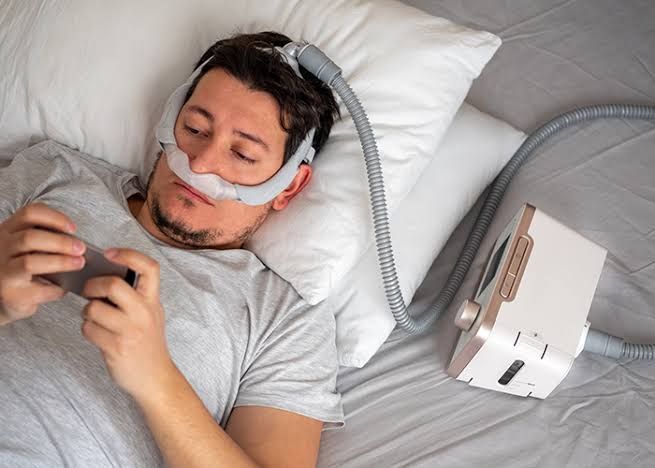
Adjusting to continuous positive airway pressure therapy can be a challenging journey. For many people, addressing resmed airsense 10 pressure problems requires distinguishing between machine errors and personal comfort preferences. When the airflow feels too intense, or conversely, if you feel like you aren’t getting enough air to breathe comfortably, the sleep you desperately need remains elusive. Many users encounter resmed airsense 10 pressure problems during their first few weeks, but even experienced users can face sudden shifts in how the machine delivers air.
Many people wake up feeling that their airsense 10 pressure too high to breathe against comfortably. This often leads to a cycle of tossing and turning, eventually ending with the mask being pulled off entirely in a state of middle-of-the-night frustration. To systematically troubleshoot ResMed AirSense 10 pressure problems, we must understand the mechanics of the machine, the settings available to us, and how our bodies interact with positive airway pressure.
Prerequisites for Troubleshooting
Before you make any changes, resolving resmed airsense 10 pressure problems requires a baseline setup inspection. First, ensure your mask size and type (nasal, nasal pillows, or full-face) match the settings selected in your device’s comfort menu. Second, check that your tubing is clean, free of tears, and firmly attached. Finally, ensure your power supply cord is securely plugged in, as voltage drops can sometimes cause the internal motor to fluctuate, triggering unexpected flow changes.
Step-by-Step Execution Guide
If you are experiencing airflow issues, follow these steps to find relief:
Step 1: Check for Mask Leaks. A mask leak is a prime culprit that can trigger resmed airsense 10 pressure problems by misleading the device’s sensors. If air escapes from the seal, the AutoSet algorithm assumes your airway is collapsing or that it needs to compensate for lost volume. In response, it increases pressure. Use the “Run Mask Fit” utility on your screen to identify leaks before sleeping.
Step 2: Adjust the Ramp Time Setting. If you feel the airsense 10 pressure too high right as you try to fall asleep, the Ramp feature is your best ally. The Ramp allows the machine to start at a very low, comfortable pressure (usually 4 to 5 cm H2O) and gradually build up to your prescribed setting over a set duration (such as 20 to 45 minutes) as you drift off.
Step 3: Enable and Fine-Tune Expiratory Pressure Relief (EPR). This setting is highly effective for resmed airsense 10 pressure problems because it lowers the pressure temporarily when you exhale. If you wake up gasping, feeling that the airsense 10 pressure too high to breathe out against, EPR can be adjusted from Level 1 (a minor decrease of 1 cm H2O) to Level 3 (a significant decrease of 3 cm H2O).
Step 4: Use a Non-Invasive Sleep Tracker to Monitor Sleep Impact. When dealing with persistent resmed airsense 10 pressure problems, you might wonder if these mechanical changes actually translate to restorative rest. Using a lightweight, screen-free tracker like the Herz P1 Smart Ring helps you see if your Deep Sleep and Heart Rate Variability (HRV) are improving as you adjust your comfort settings, without the glowing screen of a traditional smartwatch waking you up at 3 AM.
Step 5: Inspect and Replace the Air Filter. Another source of resmed airsense 10 pressure problems is a clogged filter. If the disposable filter at the back of the unit is gray or filled with dust, the motor has to work twice as hard to draw air, leading to erratic pressure delivery and a louder-than-normal operational sound.
Common Pitfalls & Mistakes to Avoid
When trying to fix resmed airsense 10 pressure problems, avoid over-tightening your mask straps. Many users experience a leak, feel the pressure rise, and pull the straps as tight as possible, which actually warps the silicone cushion, creates wider leaks, and worsens resmed airsense 10 pressure problems. Additionally, avoid assuming the airsense 10 pressure too high without checking your nightly sleep data—sometimes, a temporary spike is simply the machine protecting your airway during a period of deep REM sleep.
Quick Troubleshooting Checklist
Use this guide to systematically resolve your resmed airsense 10 pressure problems:
- Is the mask type set correctly in the menu (Nasal, Pillows, Full)?
- Did you run a “Mask Fit” test to check for active air escapes?
- Is the Ramp Time turned on to help you fall asleep comfortably?
- Is EPR enabled and set to Level 2 or 3 to assist with exhalation?
- Are you tracking your physical recovery metrics to evaluate the changes?
Consistently managing resmed airsense 10 pressure problems can feel like a trial-and-error process, but with the right steps and objective recovery data, you can build a more comfortable sleep routine.
Why Your Airsense 10 Pressure Too High Sensation Occurs
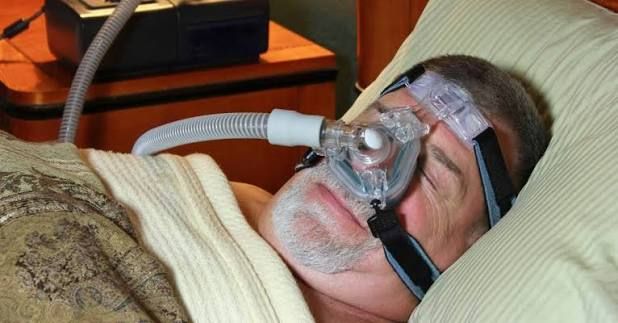
When you experience resmed airsense 10 pressure problems, the most common complaint is feeling like you are breathing from a leaf blower. Feeling like your airsense 10 pressure too high can cause physical symptoms such as aerophagia (swallowing air, which leads to painful morning bloating), dry mouth, and frequent awakenings. Understanding why this happens requires a look at how the device’s AutoSet algorithm functions.
The AirSense 10 AutoSet is designed to continuously adjust pressure in response to your upper airway resistance. When you experience a partial airway collapse (hypopnea) or an obstruction (apnea), the machine raises the pressure to hold your airway open. However, this feature can sometimes lead to resmed airsense 10 pressure problems if the machine misinterprets non-apneic events, such as a deep sigh, a brief cough, or mask movement, as an airway collapse. This causes the machine to ramp up pressure unnecessarily, and then you wake up with the airsense 10 pressure too high as a result.
— Team Mind Body Dan Biometric Insights
Furthermore, when you go through different sleep stages, your muscle tone naturally changes. During REM (Rapid Eye Movement) sleep, your body is in a state of temporary paralysis, which can make your airway more prone to collapse. If your machine’s maximum pressure limit is set too high, the device may spike the pressure up to its absolute ceiling during these REM cycles. This rapid rise can startle you awake, making you feel like the airsense 10 pressure too high during REM sleep.
If you want to bypass these resmed airsense 10 pressure problems, understanding your comfort limits is vital. Many clinical settings can be adjusted with the guidance of your equipment provider, including setting a narrower pressure range (such as a minimum of 7 cm H2O and a maximum of 12 cm H2O, rather than the wide factory default of 4 to 20 cm H2O). Narrowing this window keeps the machine from spiking to uncomfortable heights while still keeping your airway stable.
How to Balance Therapy Comfort
To keep the air pressure manageable, keep these mechanical factors in balance:
- EPR (Expiratory Pressure Relief): Ensures you do not feel like you are fighting against the incoming air on every exhalation.
- Narrow Range Settings: Helps prevent sudden spikes when you feel the airsense 10 pressure too high.
- Biometric Sleep Tracking: Utilizing a non-invasive tool like the Herz P1 Smart Ring to track sleep trends can help you bypass typical resmed airsense 10 pressure problems while keeping an eye on your actual sleep restoration.
If you struggle with aerophagia associated with the sensation that your airsense 10 pressure too high, you can also explore changing from AutoSet mode to a fixed CPAP mode. In fixed CPAP mode, the machine delivers a single, continuous pressure level throughout the night, eliminating the sudden fluctuations that often wake you up in the middle of the night with a racing mind.
How to Track Your Sleep Recovery When Adjusting CPAP Pressure
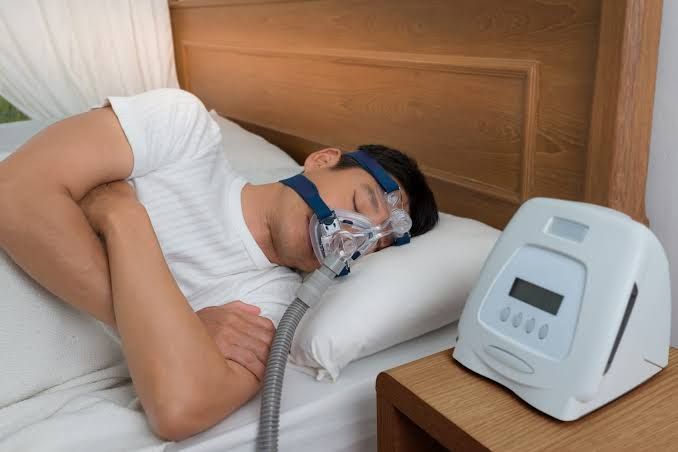
Once you have addressed your resmed airsense 10 pressure problems, the next step is assessing how these adjustments affect your actual physical and mental recovery. While the CPAP machine’s built-in MyAir app tracks basic metrics like mask leaks and usage hours, it cannot monitor your actual sleep architecture, heart rate variability, or autonomic nervous system recovery. This is where holistic biometric tracking becomes indispensable, especially when you previously felt the airsense 10 pressure too high.
Many individuals find that even after they fix the core resmed airsense 10 pressure problems, they might still wake up feeling unrefreshed, struggling with brain fog or a persistent sense of fatigue. This disconnect occurs because CPAP therapy ensures airway patency, but it does not guarantee high-quality deep sleep or REM sleep. If you are constantly adjusting settings to fix resmed airsense 10 pressure problems, you need a way to verify that your adjustments are actually supporting your sleep quality.
However, many health-conscious individuals are reluctant to wear bulky smartwatches to bed. Standard smartwatches can be heavy, uncomfortable to sleep in, require daily charging, and feature bright screens that light up with notifications, which can disrupt your sleep and cause 3 AM awakenings. This is why we recommend transitioning to an elegant, screen-free alternative like the Herz P1 Smart Ring.
Optimize Your Recovery Without the Screens
Discover how the titanium, ultra-lightweight Herz P1 Smart Ring tracks your Sleep Stages, HRV, and Daily Recovery Score with medical-grade sensors—completely screen-free and subscription-free.
By shifting to a premium titanium smart ring, you get a comfortable, screen-free tracking experience that fits into your sleep hygiene routine. The ring’s biometric sensors collect data directly from the blood vessels in your finger, tracking key metrics like:
- Sleep Stage Analysis: Shows your time spent in Deep Sleep, REM, and Light Sleep to ensure your CPAP adjustments are helping you reach restorative stages.
- Heart Rate Variability (HRV): Tracks your autonomic nervous system’s stress levels. When you felt your airsense 10 pressure too high, your HRV likely dipped due to physical stress; tracking HRV helps you verify that your pressure adjustments are lowering your stress.
- Daily Recovery Score: Translates complex biometric algorithms into a single, intuitive recovery score so you can see how ready your body is for the day ahead.
- Subscription-Free Model: Unlike other smart rings on the market that require hefty monthly fees, the Herz P1 is a “buy once, own forever” device, keeping your tracking simple and transparent.
We believe that resolving your resmed airsense 10 pressure problems actually goes hand-in-hand with tracking your overall daily recovery. When you align your CPAP adjustments with data-informed trends from your smart ring, you can make informed decisions that help you reclaim your physical and mental energy. Navigating these resmed airsense 10 pressure problems is just one piece of the puzzle, and with the right support, you can get back to waking up refreshed every morning.
Disclaimer: Results may vary depending on individual physical activity levels, unique health conditions, and daily tracking patterns. The information provided is for data-informed tracking, monitoring, and educational insights only and should not replace consultation with your CPAP provider or medical professional.
