

5 Essential Types of CPAP Machines for Sleep Apnea Therapy
Struggling with non-restorative sleep, brain fog, or sudden 3 AM awakenings? Navigating the clinical world of positive airway pressure therapy can feel overwhelming. Finding the right fit among the various types of cpap machines is essential to reclaiming your daily physical energy and cognitive clarity, while screen-free biometric monitoring tracks your physiological recovery journey.
Take Back Your Sleep.
Take Back Your Life.
- Fall asleep faster & sleep deeper
- Stop waking up in the middle of the night
- Wake up refreshed & full of energy
Key Guide Highlights
- Clinical Airflow Profiles: Learn how CPAP, APAP, and BiPAP customize pressure delivery to prevent airway collapse.
- Design Realities: Understand physical footprints and answers to common operational questions like “what does a cpap machine look like.”
- Biometric Validation: Discover how monitoring Heart Rate Variability (HRV) and Sleep Stages measures the true effectiveness of your sleep strategy.
- Screen-Free Optimization: Explore why medical-grade smart ring tracking can eliminate the friction of bulky, high-maintenance smartwatches.
Understanding Sleep Apnea and the Evolution of Types of CPAP Machines
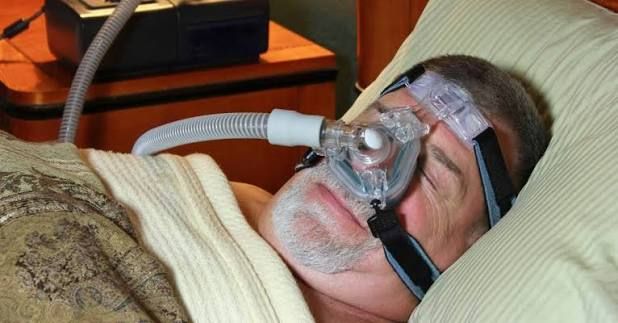
Every night, millions of people lie awake experiencing an internal battle. You close your eyes, hoping for restorative rest, only to wake up gasping at 3 AM with a racing mind and a pounding chest. This cycle of chronic oxygen deprivation and micro-awakenings leads to persistent brain fog, afternoon exhaustion, and an ongoing dependency on bad habits like excess caffeine and sugar to survive the day. When sleep is interrupted by Obstructive Sleep Apnea (OSA) or Central Sleep Apnea (CSA), your body’s cardiovascular system remains in a heightened state of stress, preventing you from reaching deep and REM sleep phases.
Fortunately, positive airway pressure (PAP) technology has evolved dramatically. Modern therapies utilize medical devices designed to keep the upper respiratory tract open during sleep. But finding the right balance of comfort and clinical compliance requires examining the specific types of cpap machines available. Because each machine delivers pressurized air differently, matching the device to your respiratory profile determines whether you stick with your sleep therapy or abandon it due to physical discomfort.
Selection Criteria: How We Evaluate Sleep Therapy Devices
To establish a definitive guide, our team applied a strict set of evaluation criteria. We analyzed each option based on pressure delivery mechanisms, comfort features (such as ramp-up settings and humidification), ease of maintenance, noise levels, and integration capabilities with biometric wellness trackers. When evaluating the best types of cpap machines, we also factored in user feedback regarding physical compliance, mask-on comfort, and the overall simplicity of daily operation.
Below is a quick comparative summary of the leading types of positive airway pressure systems, along with a complementary non-medical sleep tracker that helps you visually confirm if your therapy is delivering true recovery.
| Device Type | Airflow Pressure Profile | Primary Benefit | Best For |
|---|---|---|---|
| Standard CPAP | Fixed, continuous pressure | Reliable, straightforward, cost-effective | Consistent Obstructive Sleep Apnea |
| APAP (Auto-CPAP) | Dynamic, range-bound adjustments | Adapts to sleeping position & sleep stages | Variable pressure needs, side sleepers |
| BiPAP (Bilevel) | Dual pressure (high inhale, low exhale) | Easy exhalation, optimal physical comfort | High pressure needs, COPD, complex apnea |
| Travel CPAP | Fixed or auto-adjusting (compact) | Ultra-portable, battery-capable | Frequent flyers and outdoor enthusiasts |
| Herz P1 Smart Ring | Screen-free biometric tracking (No airflow) | Tracks sleep stages, HRV, & Recovery Score | Verifying real-world sleep therapy success |
Detailed Breakdown: Exploring the Options
1. Standard CPAP Machine (Continuous Positive Airway Pressure)
The standard CPAP machine represents the foundation of airway management. Operating on a singular, predetermined pressure setting, it sends a constant stream of filtered, pressurized air through a tube and mask into your upper airway. This constant pressure acts as an invisible splint, keeping throat tissues from collapsing during the night.
- Strengths: Highly reliable, mechanically simple, and generally the most budget-friendly of all positive airway medical devices. Most health insurance programs widely cover this classic choice.
- Weaknesses: Exhaling against a continuous stream of incoming pressure can feel unnatural and physically tiring. It may lead to a feeling of claustrophobia or minor chest muscle fatigue for new users.
- Ideal User: Individuals diagnosed with consistent obstructive sleep apnea who require a straightforward, non-fluctuating pressure setting to stay asleep.
2. APAP Machine (Auto-adjusting Positive Airway Pressure)
Unlike fixed-pressure units, APAP machines feature advanced onboard algorithms that monitor your respiration breath-by-breath. If you roll onto your back (which typically increases airway obstruction) or enter a deep REM phase where muscles fully relax, the APAP automatically increases pressure. When you roll back to your side or your breathing stabilizes, the machine gently lowers the airflow.
- Strengths: Exceptionally versatile. It only delivers higher pressures when your airway actively needs it, minimizing overall mouth dryness and abdominal bloating (aerophagia).
- Weaknesses: The subtle changes in pressure levels throughout the night can occasionally wake up extremely light sleepers.
- Ideal User: Sleep apnea patients whose breathing struggles change depending on sleep stages, physical fatigue, alcohol consumption, or sleeping positions.
3. BiPAP Machine (Bilevel Positive Airway Pressure)
BiPAP machines utilize two distinct pressure settings: Inhalation Positive Airway Pressure (IPAP) and Exhalation Positive Airway Pressure (EPAP). When you breathe in, the machine delivers a higher pressure to hold open the airway. The moment you begin to breathe out, the pressure drops instantly, making exhalation feel natural and effortless.
- Strengths: Provides superior physical comfort by reducing exhalation resistance, supporting natural pulmonary ventilation.
- Weaknesses: These units are more complex to calibrate, require a highly detailed medical prescription, and are significantly more expensive than standard options.
- Ideal User: Patients requiring high therapeutic pressures, individuals with chronic respiratory conditions like COPD, or those who find exhaling against CPAP pressure impossible.
4. Travel CPAP Machine
Designed for portability, travel CPAP units shrink down the mechanics of positive airway pressure into a device about the size of a smartphone. They often utilize waterless humidification systems (heat moisture exchangers) to save space while providing the same air pressure as their full-sized counterparts.
- Strengths: Ultra-lightweight, easily fits in standard carry-on bags, and is compatible with external battery packs for camping or off-grid travel.
- Weaknesses: They tend to be slightly noisier because of their smaller internal motors, and they lack large-capacity water chambers for traditional heated humidification.
- Ideal User: Active professionals, frequent flyers, and outdoor enthusiasts who refuse to let their sleep wellness routine slip while away from home.
5. Herz P1 Smart Ring (The Screen-Free Sleep & Recovery Companion)
While CPAP units physically support your breathing, knowing if your therapy is translating into restorative cardiovascular recovery is a different story. The Herz P1 Smart Ring is a lightweight, screen-free titanium wearable that monitors your body’s physiological responses to sleep therapy. Featuring high-precision medical-grade biometric sensors, it continuously tracks your sleep stages (Deep, REM, Light), heart rate variability (HRV), and resting heart rate without the distracting glare of traditional smartwatches or the fatigue of hidden subscription fees.
Why It Complements Sleep Therapy: Wearing a heavy, screen-lit smartwatch to bed can disrupt sleep and require daily charging. The Herz P1 Smart Ring offers a comfortable, screen-free tracking method. By observing trends in your sleep stages and daily Recovery Score, you can see if your sleep therapy is reducing micro-awakenings and helping you feel rested.
- Strengths: Premium subscription-free model (no hidden monthly fees, buy once and own forever), ultra-lightweight titanium design, screen-free to prevent nighttime blue light exposure, and deep biometric monitoring (HRV, Sleep Stages, Recovery).
- Weaknesses: Does not provide physical positive airway pressure; designed specifically as a biometric monitoring and health tracking device.
- Ideal User: Anyone seeking a comfortable, elegant, screen-free method to monitor sleep quality and morning physical recovery without paying monthly subscriptions.
BiPAP vs. APAP vs. CPAP: Key Differences and Clinical Use Cases

When trying to navigate the landscape of sleep therapy, you will hear a variety of acronyms for types of cpap machines. While they all belong to the broader category of pap machines, they handle pressure in distinct ways. Deciding among the primary types of cpap machines often comes down to matching your diagnostic needs with your physical tolerance for pressure.
To put it simply, a standard CPAP machine is like a blower set to a single, unyielding speed. If your prescribed setting is 10 cm H2O, the machine delivers a continuous pressure of 10, regardless of whether you are breathing in or out. This simple approach is effective but can require time to adjust to, especially if you have sensitive airways.
— Mind Body Dan Sleep Science Editorial Team
An APAP machine offers a more adaptive approach. Rather than forcing you to adapt to a single setting, it adjusts to your breathing patterns, lowering the pressure when your airway is naturally clear. This adaptability makes it a popular entry point for individuals who find traditional, fixed-pressure setups too restrictive.
For more complex respiratory situations, a BiPAP machine offers a tailored solution. By separating inhale pressure from exhale pressure, it reduces breathing resistance, which is especially helpful for patients with high pressure requirements or co-existing lung conditions. This dual-pressure approach helps support physical comfort and breathing compliance over the long term.
Demystifying the Equipment: What Does a CPAP Machine Look Like?
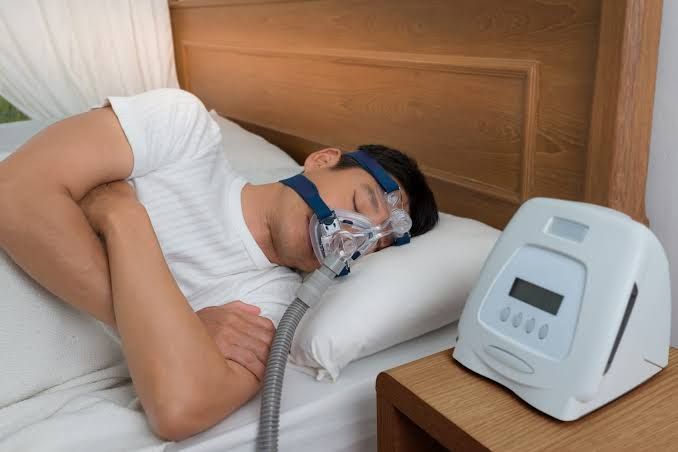
If you have never seen one up close, you might wonder: what does a cpap machine look like? Modern units are far more compact and unobtrusive than the large clinical equipment of the past. Generally, they are small enough to sit on a nightstand, featuring clean lines and a modern look.
So, exactly what does a cpap machine look like when fully assembled? The system consists of three main components:
- The Base Unit: A sleek, compact housing containing a quiet motor, air filter, and electronic display panel to adjust settings. Many models also feature a built-in water chamber for heated humidification.
- The Delivery Tubing: A flexible, lightweight hose (often heated to prevent condensation) that connects the base unit to the user’s mask.
- The Interface Mask: Available in several styles, from full-face designs to minimal nasal pillows that fit comfortably under the nose.
How to Optimize Your Therapy: Adjusting to CPAP and Tracking Your Progress
Adjusting to sleep apnea therapy takes time and patience. Many people struggle with mask fit or air pressure during the first few weeks, which is a normal part of the process. Starting with short sessions during the day while reading or watching television can help your body get used to the feeling of pressurized air.
Choosing a mask that fits comfortably is also key. Whether you prefer the full coverage of a traditional mask or the minimal feel of nasal pillows, a secure, comfortable seal is essential to prevent air leaks and avoid skin irritation. Proper cleaning of your equipment also helps maintain clean, fresh airflow night after night.
Tracking Your Progress: Monitoring the Impact of Types of CPAP Machines
While the machine’s internal software tracks technical details like mask seal and residual events, evaluating how these devices translate into daily recovery is where biometric monitoring can help. Tracking your sleep metrics can show if your chosen setup is helping you get more deep, restorative sleep.
This is where incorporating a screen-free tracking device like the Herz P1 Smart Ring makes a real difference. Instead of adding to your screen time, this titanium ring tracks your Heart Rate Variability (HRV) and sleep stages, translating complex data into a simple Daily Recovery Score. This clear insight helps you see how your body is recovering over time, without the distraction of notifications or bulky screens.
Why Biomarkers Are the True Measure of Restorative Sleep
Your morning Heart Rate Variability (HRV) is a direct reflection of your autonomic nervous system’s balance. When sleep apnea therapy is working effectively, your body spends more time in parasympathetic “rest-and-digest” mode, leading to a rise in HRV and more stable Deep and REM sleep cycles. Tracking these trends helps you visually confirm your progress.
Choosing the Right Device: Next Steps for Restorative Sleep
If you are exploring the different types of cpap machines to address sleep apnea or improve your sleep quality, here are three clear paths forward:
- For Reliable, Standard Obstructive Sleep Apnea Management: A standard CPAP or auto-adjusting APAP machine offers a dependable, widely compatible solution.
- For High-Pressure or Complex Apnea Needs: A BiPAP machine provides a comfortable, dual-pressure system that makes exhaling much easier.
- For Screen-Free Biometric Tracking and Sleep Insights: The Herz P1 Smart Ring offers a comfortable, subscription-free way to monitor your recovery and track sleep stages, helping you verify that your sleep setup is delivering true rest.
By combining professional respiratory guidance with accurate, screen-free biometric tracking, you can take a proactive, informed approach to improving your sleep and reclaiming your physical and mental energy.
Comparing the Primary Options
When selecting your sleep therapy equipment, it is helpful to look at how they compare. While standard CPAP units provide stable pressure, auto-adjusting options adapt to your position, and bilevel units offer easier exhalation. Tracking your sleep trends with a comfortable, screen-free wearable can help you understand which configuration supports your physical recovery best.
Our review of the primary types of cpap machines highlights how far sleep technology has come. Modern options are designed to prioritize physical comfort, quiet operation, and reliable support. When paired with screen-free biometric tracking, you can gain a clear, complete picture of your journey to deeper, more restorative sleep.
