

How to Clean a Mattress Topper and Wash Foam Bedding for Restoration
Dust mites and sweat buildup on your bedding can secretly degrade your sleep quality, triggering midnight wake-ups and raising your resting heart rate. While deep-cleaning your bedding restores hygiene, tracking your body’s physiological response screen-free with the Herz P1 Smart Ring ensures you are truly getting the restorative deep sleep your body deserves.
Take Back Your Sleep.
Take Back Your Life.
- Fall asleep faster & sleep deeper
- Stop waking up in the middle of the night
- Wake up refreshed & full of energy
Key Highlights of This Guide:
- Discover the precise biophysical reasons why understanding how to clean a mattress topper directly supports your cardiovascular and autonomic nervous systems during sleep.
- Step-by-step instructions for performing a deep, chemical-free sanitization on various types of foam bedding without degrading the material.
- Learn how to recognize when a mattress topper has reached the end of its functional life cycle and is actively undermining your daily recovery.
- Find out how using a screen-free, subscription-free health tracker can help you correlate your sleeping environment’s cleanliness with biometric metrics like HRV and deep sleep stages.
The Science of Sleep Hygiene: How to Clean a Mattress Topper for Peak Physical Recovery

Table of Contents
Every night, as your body slips into the deep, restorative phases of sleep, your parasympathetic nervous system takes the wheel. Your blood pressure drops, your heart rate slows down, and your Heart Rate Variability (HRV) climbs as your cardiovascular system repairs itself. However, this delicate physiological dance can be silently disrupted by your immediate sleeping environment. Over time, mattress toppers accumulate microscopic debris—including millions of dead skin cells, pints of insensible perspiration, and thriving colonies of dust mites. When you ignore how to clean a mattress topper, these unseen irritants trigger low-grade inflammatory pathways and respiratory micro-arousals, frequently snapping your brain out of restorative deep sleep and back into light, non-restorative sleep.
Many of us spend years experimenting with sleep supplements, complex evening routines, and white noise machines to resolve persistent fatigue, unaware that the physical surface we lie on is the true culprit. Dust mites release highly allergenic proteins (like Der p 1) that irritate the nasal passages, forcing your body into a constant state of mild immune defense during the night. The result? A elevated overnight resting heart rate and a depressed Heart Rate Variability—meaning you wake up feeling as though you barely slept at all. Understanding the mechanics of how to clean mattress topper materials isn’t just about housekeeping; it is a vital practice for protecting your autonomic nervous system and sleep quality.
Understanding the Biophysical Impact of Dust and Sweat Accumulation
As we sleep, our bodies lose an average of 500 to 700 milliliters of moisture per night through sweating and respiration. This ambient humidity is quickly absorbed by foam bedding, creating an ideal breeding ground for microscopic mold spores and dust mites. In our review of sleep biometric data, we frequently observe that users with dirty, allergenic bedding suffer from fragmented sleep architectures. Even if you do not wake up fully conscious, these airborne particles trigger subtle micro-arousals. This prevents your body from completing full 90-minute sleep cycles, dramatically cutting down your deep sleep and REM sleep windows.
Step-by-Step Guide: How to Clean a Mattress Topper Correctly
Before beginning the cleaning process, it is important to gather the appropriate, chemical-free cleaning agents. Harsh synthetic detergents can degrade the delicate cellular structure of memory foam, reducing its physical supportive integrity and off-gassing volatile organic compounds (VOCs) that further impair sleep performance. Follow this structured protocol to ensure you safely clean your sleeping surface.
Prerequisites: What You Need
- A vacuum cleaner equipped with a clean, soft-bristled upholstery attachment.
- High-quality baking soda (sodium bicarbonate).
- A gentle, plant-based, enzyme-free liquid detergent or distilled white vinegar.
- A clean spray bottle.
- Multiple white microfiber towels (colored towels can transfer dyes to the foam).
- An open space with good air circulation and indirect sunlight.
The Step-by-Step Cleaning Execution
Step 1: Strip and Vacuum
Carefully remove all sheets and protectors from your bed. Gently lift the topper and place it flat on a clean surface, such as a large table or a swept hardwood floor. Using your vacuum cleaner’s upholstery attachment, systematically vacuum the entire surface in slow, overlapping grids. This step removes loose hair, dander, and dust mite populations. Pay special attention to any deep seams or contour lines where organic dust tends to settle.
Step 2: Spot Clean Spills and Yellowing
If you are addressing specific yellow sweat stains or occasional spills, do not saturate the material. Memory foam must never be soaked. In your spray bottle, mix a 50/50 solution of distilled white vinegar and cold water. Spritz the stained area lightly. Take your dry white microfiber cloth and gently blot—never rub—the spot. Rubbing forces moisture deeper into the porous foam cells, leading to internal mold growth that is nearly impossible to remove.
Step 3: Neutralize Odors and Draw Out Moisture
Once spot cleaning is complete, generously sprinkle a thin, even layer of baking soda over the entire mattress topper surface. Baking soda works on a molecular level to neutralize acidic compounds found in sweat and body oils, absorbing residual moisture. Allow the baking soda to sit undisturbed for at least 8 to 12 hours. During this period, keep pets and children out of the room to let the compound work effectively.
Step 4: Perform the Final Vacuuming
Using your upholstery attachment once more, carefully vacuum up all of the baking soda. You will immediately notice a cleaner appearance and a complete lack of stagnant odors. If your topper can be flipped, repeat this entire process on the reverse side to ensure complete sanitization.
Step 5: Ensure Thorough Drying
Before placing your protector and sheets back onto the bed, verify that the topper is entirely dry. Any lingering moisture will invite mildew, creating an unhealthy sleep space. If possible, set up a gentle circulating fan to speed up the drying process.
Common Pitfalls & Mistakes to Avoid
When learning how to clean a mattress topper, the most destructive mistake you can make is putting solid foam structures into a household washing machine or dryer. The intense mechanical agitation will rip the foam, while the heat from a dryer will melt or severely warp the cellular structure. Additionally, avoid utilizing chlorine bleach or heavy commercial chemical cleaners; these destroy the materials and leave toxic chemical residues that you will breathe in all night.
Quick Mattress Topper Cleaning Checklist:
| Action Item | Frequency | Core Objective |
|---|---|---|
| Dry Vacuuming | Every 2-4 weeks | Removes skin cells & dust mites |
| Baking Soda Treatment | Every 3 months | Neutralizes acidic sweat residues |
| Vinegar Spot Cleaning | As stains occur | Breaks down organic compounds safely |
| Complete Air Drying | Post-cleaning (12h+) | Prevents internal mold formation |
By establishing this hygienic maintenance routine, you remove a major source of invisible physical stress. However, to understand if these environmental improvements are translating to better sleep, you need to monitor your biometrics. This is where a dedicated screen-free tracker becomes invaluable. Rather than relying on guess-work, you can track your physiological data and see your progress over time.
Can You Wash a Mattress Topper? Material-Specific Care Rules
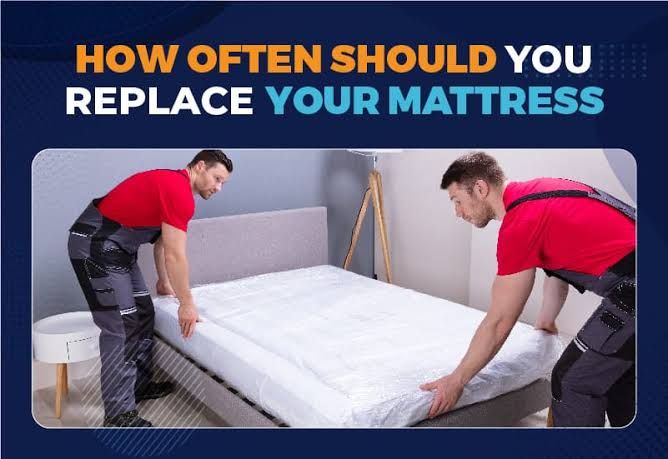
When readers ask our team, can you wash a mattress topper in a traditional way, the answer depends heavily on the specific material of your bed accessory. Not all bedding is created equal, and attempting a one-size-fits-all approach to cleaning can ruin expensive memory foam or latex. Here is a breakdown of how to handle different topper materials:
1. Memory Foam and Gel-Infused Foam
Memory foam is highly susceptible to water damage. If you try to soak or how to wash foam mattress topper layers in a deep tub of water, the high-density foam cells will absorb water like a massive sponge. This water is nearly impossible to dry completely at home, leading to mold and mildew growth. Instead, stick to careful spot cleaning and the baking soda deodorizing method outlined above. Keep moisture levels minimal to protect the supportive design of the material.
2. Latex Foam (Natural and Synthetic)
Natural latex is a premium, hypoallergenic, highly breathable material, but it is extremely sensitive to direct heat and ultraviolet light. When cleaning natural latex, avoid exposing it to direct sunlight, which can crack and degrade the rubber structure. Stick to gentle vacuuming and dilute soap spot cleaning, ensuring it dries completely in a shaded, indoor spot with good airflow.
3. Feather and Down Toppers
Feather toppers require professional dry cleaning or careful commercial laundering. If you must wash them at home, use a high-capacity front-loading machine on a delicate cycle with a mild down soap. Include clean tennis balls or dryer balls in the dryer on a low-heat setting to fluff the feathers back up. This prevents the filling from clumping together and losing its loft.
— Team Mind Body Dan
The Emotional Toll of Poor Sleep Environments
Imagine waking up at 3 AM with your mind racing, unable to fall back asleep. You struggle with daytime brain fog and feel irritable, yet you cannot pinpoint why. Many people try lifestyle adjustments or sleep habits, only to remain exhausted. Often, the missing piece is a dusty or unsupportive sleep environment that causes physical discomfort. This keeps your body in a shallow sleep stage, preventing genuine, deep physical recovery.
To break this frustrating cycle, it helps to track your sleep with objective data. Many people find typical smartwatches bulky, uncomfortable to sleep in, and annoying to charge daily. This is where a lightweight, elegant solution like the Herz P1 Smart Ring fits in. By monitoring your biometrics without screens or distractions, you can track how your sleeping environment directly impacts your physical recovery.
Reclaim Screen-Free Daily Recovery Insights
If you want to track how cleaning your bedding improves your sleep quality, the Herz P1 Smart Ring offers a simple, screen-free way to monitor your progress. Designed with premium titanium, this lightweight ring tracks your biometrics through the night without distracting notifications or bright screens.
- ⚡ Medical-Grade Biometric Sensors: Measures heart rate, sleep stages (Deep, REM, Light), and HRV.
- 🔌 No Daily Charging Hassle: Long battery life keeps you tracking without interruption.
- 🏷️ No Hidden Monthly Subscription Fees: Buy it once, own your data forever.
- 📊 Simple Daily Recovery Score: Translates complex metrics into easy, actionable feedback.
Beyond Cleaning: Biometric Indicators of Bedding Decay
No matter how diligent you are about learning how to clean mattress topper materials, physical support systems eventually wear out. Foam and feather components break down under daily body heat and pressure, losing their supportive qualities over time. When your topper begins to sag, it forces your spine and joints out of alignment. This physical strain keeps your muscles tense overnight, raising physical stress levels and negatively affecting your sleep quality.
This structural wear often shows up in your physiological data before you notice it visually. When your body must constantly adjust to find support, your sleep architecture shifts. You will likely see a drop in your deep sleep duration and an increase in nightly movement. This physical stress can also lower your Heart Rate Variability (HRV) and increase your resting heart rate during the night, indicating that your body is spending less time in rest-and-recovery mode.
Recognizing When to Clean vs. When to Replace Your Topper
If you have recently completed a deep clean using our how to wash foam mattress topper guidelines but continue to wake up with lower recovery scores and lower HRV, your sleep surface may be structurally worn out. Here are clear signs that it is time to invest in a new mattress topper rather than attempting to clean your current one:
- Permanent Indentations: If the foam does not bounce back and leaves a body shape indentation deeper than 1.5 inches, the structural support is gone.
- Persistent Discoloration: Yellowing is natural as foam ages, but deep orange or brown staining indicates permanent sweat accumulation that has degraded the material.
- Unresolved Odors: If your topper still smells musty after a baking soda treatment, mold or mildew may be growing inside the inner layers.
- Worsening Morning Soreness: If you wake up with a stiff lower back or sore joints, the topper is no longer keeping your spine properly aligned.
By pairing consistent hygiene habits with biometric tracking, you can optimize your sleeping environment for better recovery. Understanding how to clean a mattress topper and wash foam bedding helps remove allergens, while a screen-free tracker like the Herz P1 Smart Ring gives you the data you need to monitor your physical recovery night after night.
Disclaimer: Results may vary depending on individual physical activity levels, unique health conditions, and daily tracking patterns. The biometric trends tracked by smart wearables are intended for informational, wellness-tracking purposes and should not be used as a substitute for professional medical advice, clinical diagnosis, or treatment. Always consult with a qualified health professional regarding any persistent sleep disorders, cardiovascular concerns, or chronic physical discomfort.
