

5 Top Shift Work Sleep Disorder Treatments for Restorative Recovery
Are you struggling to sleep during daylight hours, waking up exhausted with a racing mind? Managing irregular hours is a major challenge, but finding an effective shift work sleep disorder treatment doesn’t have to be overwhelming. Let’s explore how combining simple daily metrics with smart, screen-free tracking can help you reclaim your natural circadian rhythm.
Take Back Your Sleep.
Take Back Your Life.
- Fall asleep faster & sleep deeper
- Stop waking up in the middle of the night
- Wake up refreshed & full of energy
Key Article Insights
- Circadian Mechanics: Why working non-standard schedules interferes with melatonin release and biological clocks.
- Multifaceted Support: A comparison of light therapy, supplemental timing, physiological monitoring, and medical supervision.
- Biometric Clues: How tracking resting heart rate and Heart Rate Variability (HRV) helps bypass guesswork to evaluate recovery.
- The Screen-Free Advantage: Reducing bedtime light exposure while collecting high-accuracy rest metrics.
Choosing the Best Shift Work Sleep Disorder Treatment Strategies
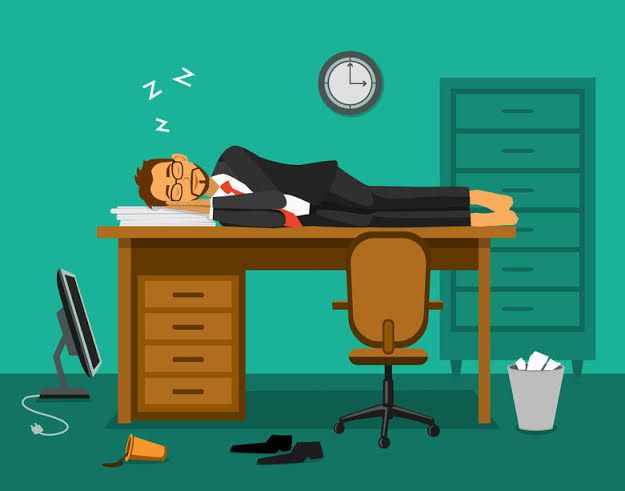
At Team Mind Body Dan, we know that searching for a viable shift work sleep disorder treatment can feel like an uphill battle. When you operate outside the standard nine-to-five window, your body’s built-in master clock conflicts with the external world. You try to sleep when the sun is shining, and you must stay alert when dark shadows blanket the streets. Over time, this biological friction can leave you feeling chronically exhausted, with a foggy mind and a persistent sense of physical strain.
To evaluate the best ways to manage these challenges, we looked at several distinct approaches. An effective routine shouldn’t just force your eyes shut; it must encourage deep, restorative recovery stages while remaining practical to integrate into your life.
Our Evaluation Criteria
We analyzed the most prominent sleep optimization and support methods based on three key pillars:
- Biometric Validation: Does the method offer measurable tracking to show if your body is recovering? Determining which strategies provide genuine relief versus temporary fixes is critical to establishing a personalized shift sleep disorder treatment plan.
- Ease of Use: Is the routine too complex for someone working exhausting 12-hour shifts? Bulky equipment or tedious tracking protocols often fail because they demand too much energy when you are already running on fumes.
- Subscription Fatigue: Does managing your health lock you into an endless web of monthly fees, or can you access your sleep trends freely?
1. The Herz P1 Smart Ring: screen-free Biometric Clarity
For many shift workers, the biggest barrier to sleep is the mental loop of staring at a glowing smart device, watching the hours tick away. The Herz P1 Smart Ring offers an elegant, subscription-free alternative to bulky trackers. Crafted from ultra-lightweight titanium, it slides onto your finger and remains completely dark throughout your rest period—no vibrating notifications, no flashing lights, and no screen to tempt you into checking the time at 3 AM.
Despite its minimalist design, the Herz P1 is packed with high-precision medical-grade sensors. It monitors your Sleep Stages (REM, Deep, and Light), tracks Heart Rate Variability (HRV), and logs physical activity. When you wake up, it translates these complex biological patterns into a single, intuitive Daily Recovery Score. This subscription-free model means you pay once and own your physiological data forever, bypassing the hidden monthly paywalls common in modern wearable technology.
- Strengths: Ultra-lightweight titanium build; zero monthly fees; screen-free design reduces pre-bed stimulation; long battery life.
- Weaknesses: Does not feature an on-ring display; you must view your history and metrics on the companion smartphone app.
- Ideal User: Individuals looking for comfortable, screen-free sleep tracking to capture precise physical trends without bulky watches.
2. Bright Light Therapy Systems
Bright light therapy remains a cornerstone strategy for shifting biological clocks. By exposing your eyes to specific wavelengths of bright, blue-enriched light immediately upon waking (even if your “morning” starts at 6 PM), you signal to your master clock that it is time to be alert. This helps suppress melatonin release and keeps energy levels high without relying on excessive caffeine.
- Strengths: Highly backed by circadian science; naturally shifts phase timing without substances.
- Weaknesses: Requires you to sit in front of a light box or wear specialized glasses for 20 to 30 minutes.
- Ideal User: Workers on stable night shifts who need a clear physical signal to start their waking hours.
3. Melatonin Supplements & Timing Protocols
Many workers lean heavily on over-the-counter night shift worker sleep aids to force their bodies into sleep mode during daylight hours. When used correctly, small doses of melatonin (0.5mg to 3mg) taken 30 to 60 minutes before your planned bedtime can act as an artificial sunset, signaling to your brain that it is time to wind down.
- Strengths: Readily available; helps with sleep onset when daytime surroundings are bright.
- Weaknesses: Can lead to morning grogginess or vivid dreams if the dosage is too high or timed incorrectly.
- Ideal User: People struggling to fall asleep when transitioning between day and night schedules.
4. Under-Supervision Wakefulness Promoters & Sleep Aids
In severe circumstances, a physician might suggest a targeted shift work drug to promote alertness during late hours. These prescriptions are strictly managed by healthcare professionals and are designed to help workers stay awake during dangerous tasks or night-time commutes, while occasionally utilizing short-course sleep aids to secure daytime rest.
- Strengths: Potent physiological support for extreme sleepiness.
- Weaknesses: Risk of side effects; does not resolve the root cause of circadian misalignment.
- Ideal User: Workers whose extreme sleepiness creates dangerous situations on the job or while commuting.
Understanding Circadian Misalignment & Night Shift Worker Sleep Aids

To successfully implement a shift work sleep disorder treatment plan, you must first understand why your body reacts so strongly to schedule changes. Humans are evolutionary programmed to be diurnal creatures. Our cells, organs, and hormone systems are synchronized by a master clock located in the brain, which responds directly to environmental light.
When you work overnight and sleep during the day, your biology is pulled in opposite directions. Your brain perceives daylight and signals for high cortisol, body temperature, and heart rate. Meanwhile, your conscious mind is begging for rest. This misalignment can lead to “non-restorative sleep”—a state where you might stay in bed for seven hours but wake up feeling completely exhausted, suffering from heavy brain fog and cognitive fatigue.
For many shift workers, this imbalance manifests as a racing mind at bedtime. You lay down to rest, but your nervous system is stuck in high gear. This state of alertness is closely tied to your Autonomic Nervous System (ANS), which is divided into the sympathetic (“fight-or-flight”) and parasympathetic (“rest-and-digest”) branches.
The Role of Heart Rate Variability (HRV) in Tracking Recovery
Rather than guessing how stressed your body is, you can look at Heart Rate Variability (HRV). HRV measures the variation in time between consecutive heartbeats, controlled directly by your autonomic nervous system.
- High HRV: Indicates that your parasympathetic nervous system is active. Your body is resilient, relaxed, and recovering well from physical and mental stress.
- Low HRV: Suggests that your sympathetic nervous system is dominating. Your body is working hard to cope with stress, fatigue, or irregular sleep hours, indicating that you may need to focus on recovery.
Integrating biometric recovery tracking allows you to see how your cardiovascular system behaves during daytime rest. If your daytime sleep is shallow and fragmented, your overnight HRV will likely remain low. By tracking these trends, you can assess whether changes in your routine—such as cooler bedroom temperatures or better room darkening—are actually helping your nervous system recover.
The Screen-Free Revolution: How to Reset Your Sleep Routine

One of the most effective ways to quiet a racing mind before sleep is to establish a strict barrier between yourself and glowing screens. Standard smartwatches can sometimes hinder this goal. While they provide tracking features, their constant notifications, glowing screens, and vibrating alarms can keep your nervous system alert. Furthermore, their bulky plastic or metal designs can be uncomfortable to wear while sleeping, and they often require daily charging, leading to gaps in your data.
By establishing a screen-free environment, you create the ideal baseline for circadian sleep hygiene. Transitioning to a screen-free wearable allows you to gather sleep insights without the added distraction of notifications or sleep-disrupting blue light.
The Screen-Free Bedtime Rules
- No blue-light triggers: Removing notifications and glowing watch screens stops sleep disruption before it starts.
- Unobtrusive form factor: A lightweight titanium ring fits seamlessly, making it comfortable to wear while asleep during the day.
- Simplified daily score: Skip the confusing graphs and focus on one unified metric to guide your activity level for the day.
By focusing on screen-free tracking, you can monitor your sleep stages (REM, Deep, and Light) in a distraction-free environment. This helps you check if your daytime sleep is actually refreshing, giving you the insights needed to adjust your lifestyle.
Final Recommendations & Summary
Whether you choose an advanced tracker or physical environmental changes, finding your rhythm is the ultimate goal of holistic sleep optimization. Based on our analysis, we recommend focusing on three main areas:
- For Biometric Recovery Tracking: Use a screen-free, subscription-free tracker like the Herz P1 Smart Ring. It offers a comfortable way to monitor your HRV and sleep stages without monthly fees or the distraction of a screen.
- For Active Schedule Adjustments: Utilize targeted Bright Light Therapy immediately upon waking to help align your circadian rhythm with your shift times.
- For Daytime Environmental Management: Invest in high-quality Blackout Curtains and a cooling setup to create a dark, restful space that supports deep sleep during the day.
Disclaimer: Results may vary depending on individual physical activity levels, unique health conditions, and daily tracking patterns. Wearable technology products are designed for lifestyle monitoring and wellness tracking purposes only and should not replace professional medical advice, clinical evaluations, or prescribed therapies.
