

Is Eating Before Bed Bad for Sleep and Digestion? The Science of Nighttime Nutrition
Many of us struggle with 3 AM awakenings, brain fog, and racing thoughts, wondering if our habits are to blame. Specifically, is eating before bed bad for our sleep and metabolic health? Clinical evidence reveals that late-night dining significantly alters heart rate variability (HRV) and deep sleep. Discover how to track these changes with the Herz P1 Smart Ring to reclaim your energy.
Take Back Your Sleep.
Take Back Your Life.
- Fall asleep faster & sleep deeper
- Stop waking up in the middle of the night
- Wake up refreshed & full of energy
Key Highlights:
- Metabolic Shift: Late-night eating forces your cardiovascular and digestive systems to work when they should be resting, lowering your nocturnal Heart Rate Variability (HRV).
- Sleep Architecture Disruption: Digesting heavy meals before bed reduces both REM and deep sleep stages, leading to non-restorative sleep and morning brain fog.
- The Golden Window: Experts suggest finding out how long before bed should you stop eating—typically 2 to 3 hours—to protect your circadian rhythms.
- Personalized Biometrics: What works for one person might fail for another. Monitoring sleep stages, resting heart rate, and overall recovery helps you identify your unique tolerances.
- Elegant, Screen-Free Tracking: Using a premium, subscription-free wearable like the Herz P1 Smart Ring lets you effortlessly track your recovery without screen blue-light exposure.
Table of Contents
1. Quick Answer: Is Eating Before Bed Bad for Your Body?

Direct Verdict: Yes and no. The short answer is that eating large, complex, or high-sugar meals close to bedtime is objectively bad for your sleep quality and metabolic health. However, to choose the right lifestyle habits, you need to understand how your unique body processes nocturnal nutrients and how late-night meals interact with your resting cardiovascular metrics.
When we ask the question, is eating before bed bad, we must look beyond weight gain. For years, the health community focused on calories, stating that eating late instantly caused fat storage. Today, modern metabolic science and chronobiology reveal a much more intricate picture: eating close to bedtime directly disrupts your internal circadian clock, raises your core body temperature, and forces your digestive organs to work overtime when they are biologically programmed to rest.
At Mind Body Dan, our team believes that sleep quality is the ultimate barometer of overall wellness. When you digest food late at night, your autonomic nervous system remains in a sympathetic (“fight-or-flight”) dominant state to facilitate digestion. This keeps your heart rate elevated and prevents your body from shifting into the parasympathetic (“rest-and-digest”) state required for deep, cell-restoring sleep. For many, this metabolic friction leads to the classic pattern of waking up at 3 AM with a racing mind, followed by stubborn morning brain fog.
Determining whether is eating before bed bad for your system requires examining your lifestyle. To help you evaluate your habits, let us look at when nighttime eating might be particularly disruptive, and when a small, mindful snack might actually be beneficial:
- Avoid late-night eating if: You consistently experience restless nights, notice your resting heart rate remains high during the first few hours of sleep, struggle with morning grogginess, or are prone to gastrointestinal discomfort like acid reflux. For many, the discomfort of heartburn makes them realize is it bad to eat before sleeping.
- A light snack may be acceptable if: You experience nocturnal hypoglycemia (low blood sugar), which can cause sudden 3 AM awakenings as your brain releases cortisol to boost glucose. In this specific scenario, a tiny, low-glycemic, protein-rich snack can stabilize blood sugar and help you stay asleep.
If you want to move away from guesswork and understand your body’s physiological response to eating before bed, the answer lies in biometric tracking. By monitoring key metrics such as sleep stages (Deep, REM, Light), nocturnal Heart Rate Variability (HRV), and resting heart rate, you can visually track the impact of your dietary choices.
This is where a comfortable, screen-free wearable like the Herz P1 Smart Ring excels. Unlike bulky smartwatches that disrupt sleep and require daily charging, the Herz P1 is a lightweight titanium ring that monitors your biometrics in the background. With medical-grade sensors and an intuitive, subscription-free app, it translates complex algorithms into a simple Recovery Score. You can eat dinner at 6 PM one night, and 9 PM the next, and let the data show you exactly how your body responds.
Frequently Asked Questions About Late-Night Eating
Q: How long before bed should you stop eating for optimal digestion?
A: Ideally, you should establish a buffer of 2 to 3 hours between your last meal and your target sleep time. This provides your stomach enough time to empty its contents into the small intestine, lowering your core body temperature and allowing your heart rate to drop naturally as you drift off.
Q: Is it bad to eat before sleeping if the meal is purely healthy, like salad or chicken?
A: While the nutritional quality of the food matters, your digestive tract still has to perform mechanical and chemical breakdown. High-protein foods like chicken require significant energy to digest, which can elevate core body temperature and disrupt sleep stages, regardless of how healthy they are.
Q: Why does eating before bed cause vivid dreams or nightmares?
A: Late-night eating triggers a rise in metabolism and brain activity, especially during REM sleep. This heightened state of metabolic arousal can lead to more frequent micro-arousals (briefly waking up), making you far more likely to remember your dreams or experience vivid, restless dream states.
2. The Physiological Impact of Late-Night Meals on HRV and Sleep Stages
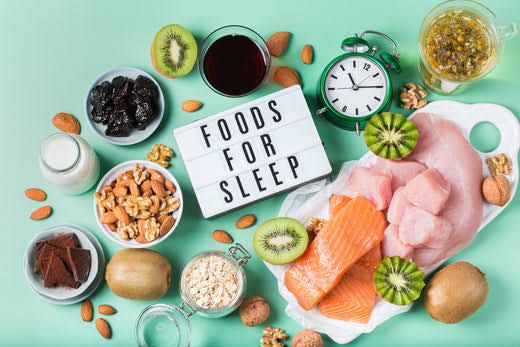
To understand why is it bad to eat before sleeping, we must explore the fascinating relationship between the gut and our autonomic nervous system (ANS). The ANS regulates involuntary body functions through two branches: the sympathetic nervous system (SNS), which drives action and response, and the parasympathetic nervous system (PNS), which governs rest, recovery, and digestion. Sleep is intended to be a period of profound parasympathetic dominance, characterized by low blood pressure, a slow resting heart rate, and high heart rate variability (HRV).
When you consume a meal, your gastrointestinal tract requires blood flow, enzyme production, and muscle contractions to process the food—a process known as nocturnal digestion and sleep quality. To support this work, your body diverts blood away from your extremities and toward your digestive organs, keeping your heart beating faster than it should during sleep. This prolonged cardiac workload suppresses your HRV, which is a key biometric indicator of stress and recovery.
“By tracking our cardiovascular metrics overnight, we can clearly see the metabolic tax of a late-night meal. A digestion-stressed cardiovascular system results in a higher sleeping heart rate and a depressed HRV curve, signaling to the brain that the body is working rather than recovering.”
— Team Mind Body Dan, Wearable Biometrics Lab
Beyond heart rate metrics, digesting food before bed directly alters your sleep architecture. Sleep is divided into distinct, repeating 90-minute cycles containing three NREM (non-rapid eye movement) stages and REM sleep. NREM Stage 3, commonly known as Deep Sleep, is the holy grail of physical restoration. During deep sleep, your blood pressure drops, breathing slows, muscles relax, tissue growth and cell repair occur, and your brain’s glymphatic system clears metabolic waste.
Eating close to bedtime delays your body’s entry into deep sleep. Deep sleep is highly temperature-dependent; your core body temperature must drop by about 1 to 2 degrees Fahrenheit to initiate and sustain these deep, restorative waves. However, the thermic effect of food (TEF)—the heat generated during digestion—prevents your core temperature from cooling down. As a result, your body spends more time in light, easily disrupted sleep stages, leaving you with that frustrating feeling of non-restorative sleep, even if you spent eight full hours in bed.
Similarly, REM sleep, which is critical for cognitive processing, emotional regulation, and memory consolidation, can become fragmented. Because digestion-induced sympathetic activity keeps your brain in a semi-alert state, you are far more prone to waking up during REM cycles, which explains why many people report waking up at 3 AM with their minds racing after a heavy late dinner.
Visualizing Your Autonomic Balance
How nocturnal digestion alters your key sleep and recovery metrics:
WITHOUT LATE MEAL
- High Nocturnal HRV
- Lower Sleeping Heart Rate
- Optimal Deep Sleep Stages
- Cool Core Body Temperature
WITH LATE MEAL
- Suppressed HRV
- Elevated Sleeping Heart Rate
- Delayed/Reduced Deep Sleep
- Elevated Core Temperature
If you are seeking to optimize your heart rate variability tracking, identifying the exact window where digestion stops interfering with sleep is key. By using the Herz P1 Smart Ring, you gain access to high-precision sensor data that monitors these physiological patterns. Rather than navigating overly complex, hard-to-read medical charts, the subscription-free Herz P1 app consolidates your Sleep Stages, HRV, and daily movement into a single, intuitive Daily Recovery Score. This screen-free approach allows you to seamlessly understand the metabolic consequences of late meals without the sleep-disrupting blue light of a smartphone or bulky watch face in your bedroom.
3. Bedtime Snacks: Myths, Realities, and How to Optimize Your Nighttime Nutrition
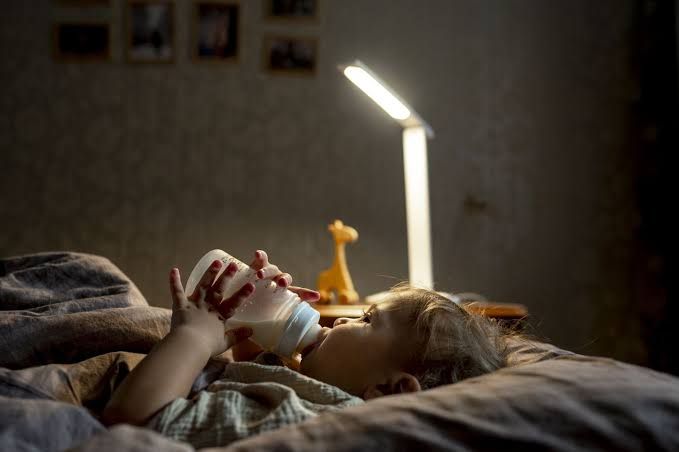
When we look at the eating before bed myth, it is easy to run into conflicting advice. Wellness blogs often assert that late calorie intake permanently halts fat burning, while fitness forums recommend consuming large portions of protein right before sleeping to build muscle. The truth lies in finding a balanced, data-informed middle ground that respects your circadian rhythm.
The popular belief that late eating automatically converts all nutrients to fat is largely a myth. Weight management is dictated by your overall metabolic output, physical activity, and total daily caloric intake. However, late-night eating does lower insulin sensitivity, meaning your body is less efficient at clearing glucose from your bloodstream late at night. Therefore, consuming a high-glycemic, carbohydrate-heavy meal right before bed can lead to sharp insulin spikes followed by rapid blood sugar crashes, triggering night sweats and middle-of-the-night awakenings.
If you find yourself genuinely hungry close to bedtime, the key is to choose smart, sleep-supportive foods that do not burden your digestive system. Our team has compiled a helpful guide to help you differentiate between sleep-disrupting options and recovery-promoting bedtime snacks:
Smart Nighttime Snack Guide
| Avoid These (Sleep Disruptors) | Choose These (Sleep Promoters) |
|---|---|
| High-fat, greasy fast food: Takes hours to digest, triggers acid reflux, and lowers sleep quality. | Greek yogurt with walnuts: High in protein and healthy fats, providing a slow, steady release of amino acids. |
| Sugary treats & chocolate: Spikes insulin and contains hidden caffeine that stimulates brain activity. | Kiwi fruit & pumpkin seeds: Rich in natural antioxidants, serotonin precursors, and relaxing magnesium. |
| Spicy or highly acidic meals: Causes severe indigestion and elevates body temperature, delaying deep sleep. | Chamomile tea with almond butter on toast: Relaxing herbal compounds paired with complex carbs to aid tryptophan entry. |
If you are seeking consistent, restorative sleep, establishing a stable night routine is essential for circadian rhythm optimization. Your digestive organs operate on peripheral circadian clocks that sync with the master clock in your brain. When you feed your body at irregular late hours, you cause metabolic desynchrony, which can negatively impact daytime energy, cognitive function, and immune health over time.
To optimize your recovery, try following a simple bedtime schedule: stop eating all heavy foods 3 hours before your head hits the pillow. If you must have something, make it a light, magnesium-dense snack 1 hour before bed. Pair this structural routine with screen-free wind-down habits—such as reading under warm light, gentle stretching, or dimming bright overhead lights—to signal to your brain that it is time to transition into deep, restorative recovery.
The journey to improving restorative sleep stages is highly unique to you. Because every individual’s metabolic rate, heart health, and digestive speed differ, there is no one-size-fits-all answer. This makes objective, continuous tracking incredibly valuable. The Herz P1 Smart Ring acts as a personal health compass, working silently in the background. It measures your sleep metrics, active stages, and recovery trends, delivering actionable daily insights directly to your phone. With no monthly subscription fees, a premium titanium design, and long-lasting battery life, it is designed to help you regain control of your energy and sleep, completely screen-free.
Disclaimer: Results may vary depending on individual physical activity levels, unique health conditions, and daily tracking patterns. The information provided in this article is for educational purposes only and is not intended to track, monitor, or analyze medical conditions, nor should it substitute for professional advice.
