

Is Eating Before Bed Bad for Sleep and Digestion?
Wondering if your late-night snack is secretly causing those 3 AM wake-up calls and morning brain fog? The science of digestion shows that eating late directly affects your heart rate variability and deep sleep. To track how these bedtime meals impact your recovery without screen distractions, we recommend the subscription-free Herz P1 Smart Ring.
Take Back Your Sleep.
Take Back Your Life.
- Fall asleep faster & sleep deeper
- Stop waking up in the middle of the night
- Wake up refreshed & full of energy
What You Will Learn in This Article:
- The Circadian Connection: How late digestion delays physiological cooldown.
- Biometric Markers: What happens to your HRV and deep sleep stages after a late meal.
- Actionable Solutions: Perfecting the 3-hour window and choosing sleep-friendly bedtime snacks.
- Screen-Free Tracking: How to monitor your body’s recovery trends objectively.
Have you ever crawled into bed exhausted after a demanding day, only to spend the night tossing, turning, and staring at the ceiling? Perhaps you experienced one of those dreaded 3 AM awakenings, your mind racing with low-grade anxiety, followed by thick brain fog the next morning. You ate a hearty dinner late in the evening to “help you wind down,” but your body felt like it was running a marathon while you slept.
At Mind Body Dan, we know how frustrating it is when your healthy habits don’t translate to restful energy. Often, the culprit isn’t your stress levels or your mattress—it is the subtle friction between your digestive schedule and your internal biological clock. In this article, we will unpack the physiological mechanics of late-night eating, analyze key biometric markers, and explore how to measure your recovery so you can finally claim the deep, restorative sleep you deserve.
The Science of Digestion and Sleep: Is Eating Before Bed Bad?

“Quick Answer: Yes, eating a large meal before bed is generally bad for sleep quality and digestion. The short answer is that late digestion forces your autonomic nervous system to remain active, keeping your resting heart rate elevated and delaying deep sleep stages. However, to choose the right lifestyle adjustments, you need to understand how different macronutrients and timing windows interact with your unique cardiovascular recovery metrics.”
To understand whether is eating before bed bad, we must look closely at our biology. Sleep is not a passive state of unconsciousness; it is an active, highly coordinated process of cellular repair, tissue rebuilding, and cognitive consolidation. This process relies on a natural drop in your core body temperature and a shift in your autonomic nervous system from sympathetic dominance (“fight or flight”) to parasympathetic dominance (“rest and digest”).
When you consume a substantial meal right before sleeping, your stomach and intestines must work hard to break down food. This digestive process redirects blood flow away from your brain and extremities toward your GI tract. Because digestion is metabolically demanding, it keeps your internal furnace burning, preventing the natural core temperature drop required to initiate and sustain deep sleep. If you are constantly asking yourself, “Why is eating before bed bad?”, this is the primary physiological explanation.
Furthermore, late-night eating can significantly disrupt your heart rate variability (HRV). HRV measures the variation in time between consecutive heartbeats and is a crucial indicator of stress and recovery. When your body is busy digesting food during the night, your parasympathetic nervous system cannot fully take over. This results in a depressed HRV and an elevated resting heart rate—meaning you wake up feeling like you didn’t sleep at all, even if you spent eight hours in bed.
Physiological Impact of Bedtime Eating:
- Core Temperature Lag: Digestion prevents the core temperature drop necessary for entering slow-wave (deep) sleep.
- HRV Suppression: Heart rate variability remains low because the sympathetic branch remains active.
- Hormonal Disruption: Late insulin spikes can interfere with the nocturnal release of human growth hormone (HGH).
- Acid Reflux Trigger: Lying horizontal with a full stomach increases the risk of gastroesophageal reflux, causing micro-arousals.
By tracking how is eating before bed bad for your specific body, you can make informed choices. If you consume a heavy dinner at 9:00 PM and sleep at 10:30 PM, watch your recovery metrics the next morning. You will likely see a distinct decline in your Deep Sleep percentage and a delayed decline in your overnight resting heart rate. Our team at Mind Body Dan has observed that correcting this single habit is often the fastest path to reclaiming morning vitality.
Frequently Asked Questions About Bedtime Digestion
Q: Is eating before bed bad if it is a light snack?
A: Not necessarily. A small, nutrient-dense snack under 200 calories (like almonds or a banana) can actually stabilize blood sugar levels in some individuals, preventing middle-of-the-night awakenings caused by cortisol spikes.
Q: Does late eating cause weight gain directly?
A: While total daily caloric intake dictates weight management, eating late can disrupt insulin sensitivity and lead to poor sleep, which indirectly drives cravings for high-calorie foods the following day.
Q: Why does late-night eating cause vivid dreams or nightmares?
A: Heavy digestion increases brain activity and metabolism, which can lead to more frequent micro-awakenings during REM sleep. This makes you much more likely to remember your dreams or experience them more intensely.
Timing Your Last Meal: How Long Before Bed Should You Stop Eating?
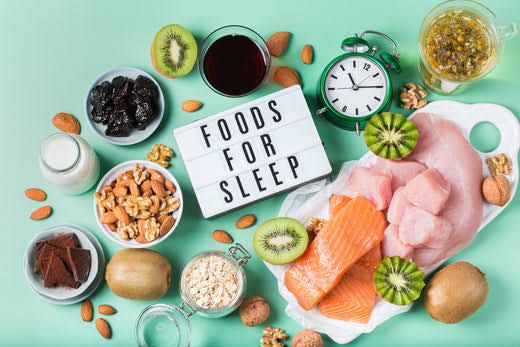
When optimization coaches and nutritionists discuss sleep hygiene, the most common advice revolves around timing. But how long before bed should you stop eating to ensure your cardiovascular and digestive systems can fully rest? The consensus among sleep researchers points to a strict three-hour window.
Stopping all caloric intake three hours before your target sleep time allows your stomach to complete the most active phases of gastric emptying. This window helps ensure that by the time your head hits the pillow, your insulin levels have stabilized, your stomach acid has settled, and your body is prepared to divert resources toward cellular maintenance and cognitive processing rather than peristalsis.
To see why this window is so critical, let’s explore the common eating before bed myth. Many believe that eating before sleeping is completely harmless as long as the food fits within their daily macronutrient targets. While this might hold true for basic thermodynamic weight management, it ignores the crucial impact on circadian rhythm. Your liver, pancreas, and gut have their own peripheral circadian clocks. When you feed them late at night, you desynchronize these peripheral clocks from the master clock in your brain, leading to lower-quality rest, metabolic fatigue, and decreased daytime focus.
So, is it bad to eat before sleeping? The answer depends heavily on your biology and the size of the meal. If you have a highly demanding physical job or train late in the evening, a complete fast might lead to midnight hunger that wakes you up. But for the vast majority of us, failing to respect the three-hour window results in a highly elevated heart rate during the first half of the night, robbing us of precious deep sleep phases.
Ditch the Bulky Smartwatch and Subscriptions
Traditional smartwatches are bulky, easily scratch, and feature bright screens that can disrupt your sleep prep. Even worse, many charge high monthly fees just to see your own data. The Herz P1 Smart Ring offers a premium, lightweight titanium design with medical-grade sensors to track your Sleep Stages, HRV, and Recovery Score—all with zero subscription fees.
How do you know if late eating is ruining your rest? Rather than guessing, we highly recommend using objective tracking methods. Many wearable users find smartwatches too heavy to wear comfortably throughout the night, and their screens can light up and wake you up at 2 AM. By monitoring your biometrics with a screen-free, lightweight titanium device like the Herz P1 Smart Ring, you can easily track how changing your meal times directly increases your Deep Sleep and improves your baseline Recovery Score.
What to Eat When Midnight Hunger Strikes: Navigating Late-Night Snacks Safely
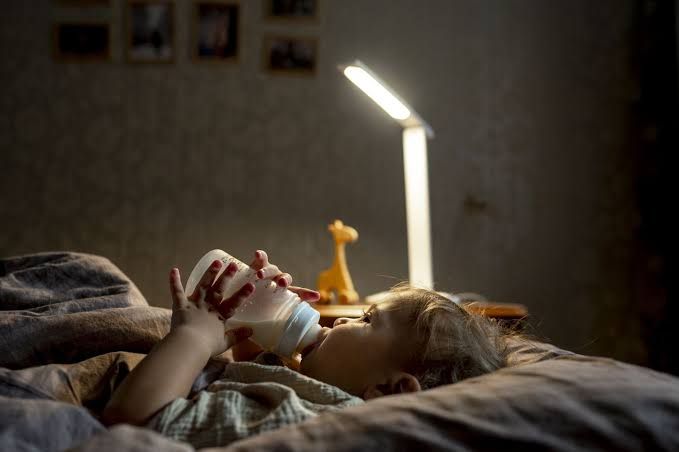
Let’s be realistic: there will always be nights when your dinner was too light, or you stayed up later than expected, and your stomach starts growling. When this happens, going to sleep starving is also a recipe for a restless night, as hunger triggers a cortisol response that keeps your brain alert. The key is knowing how to satisfy your hunger without overloading your digestive system.
To minimize disruptions to your digestion and sleep quality, you should choose small, easily digestible snacks that combine complex carbohydrates with a small amount of protein. This combination supports the natural synthesis of serotonin and melatonin in the brain without forcing your GI tract to work overtime.
If you must eat, we highly recommend avoiding heavy dinners, sugary treats, spicy dishes, and high-fat foods. Spicy foods can elevate your core body temperature and trigger acid reflux, while high-fat meals take hours to break down, guaranteeing that your heart rate remains elevated and your sleep remains shallow.
“Understanding the intersection of circadian rhythm and nutrition helps you make strategic choices. A handful of walnuts or a kiwi fruit can satisfy hunger and support natural melatonin production without causing a major digestive load.”
Instead of relying on guesswork, let your body’s data tell the story. Our team at Mind Body Dan loves using wearable technology to run personal sleep experiments. Try eating a heavy, high-fat snack right before bed one night, and the next night, stick to a light, tryptophan-rich snack three hours before sleeping. By comparing your nightly recovery data, you can see exactly how these choices impact your deep sleep stages, average heart rate, and overall energy levels the following day.
Ultimately, the journey to deep, restorative sleep requires understanding your body’s signals and making small, consistent adjustments. By respecting your digestive boundaries and tracking your biometric trends with a comfortable, distraction-free tool like the Herz P1 Smart Ring, you can design a bedtime routine that supports both your physical recovery and your peace of mind.
Disclaimer: Results may vary depending on individual physical activity levels, unique health conditions, and daily tracking patterns. The content provided here is for informational and educational purposes only and should not be construed as medical advice. Always consult with a qualified healthcare professional before making significant changes to your diet, exercise, or sleep routines.
