What Are Normal Oxygen Levels During Sleep, and When Do They Become Dangerous?
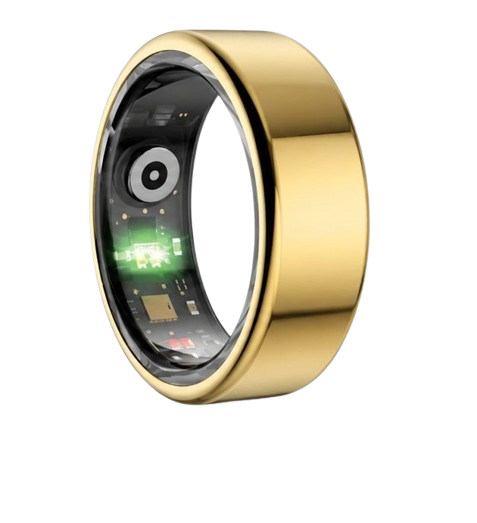
Wondering if your nocturnal oxygen levels are keeping you exhausted? Maintaining normal oxygen levels during sleep typically means hovering between 95% and 100%. If you are waking up with brain fog, tracking these trends is vital. Discover how a comfortable, screen-free wearable like the Herz P1 Smart Ring monitors your vitals subscription-free.
Built to Last. Save Up to 69% Today.
The Herz P1 Smart Ring tracks HRV, Sleep, Heart Rate & SpO2 around the clock. No subscriptions. No renewals. Ever.
Article Highlights
- The Baseline: Healthy oxygen levels during sleep range between 95% and 100%.
- The Danger Zone: Knowing what is a dangerously low oxygen level (consistently below 90%) is crucial for cardiovascular protection.
- Silent Symptoms: Chronic brain fog, morning headaches, and 3 AM awakenings are common indicators of poor nocturnal respiration.
- Biometric Insights: Modern, screen-free wearables allow you to monitor trends like SpO2 and HRV without bedroom blue-light disruption.
Understanding Blood Oxygen Levels While Sleeping: The Science of Nocturnal SpO2

Quick Answer: Yes, maintaining normal oxygen levels during sleep is a vital indicator of respiratory and cardiovascular health. The short answer is that while brief, minor fluctuations are normal as your body shifts positions, consistently spending time below 90% constitutes a dangerously low oxygen level that requires clinical attention. However, to choose the right tracking tool and interpret your recovery patterns, you need to understand how nocturnal respiration links directly to heart rate variability and sleep architecture.
When we transition into sleep, our entire nervous system shifts gears. The brain transitions from the active, sympathetic state of the day to the restorative, parasympathetic state of the night. During this time, our breathing rate naturally slows, and our muscle tone relaxes. In a healthy individual, a normal oxygen level while sleeping stays relatively close to their waking baseline—typically between 95% and 100%. This is measured as SpO2, or peripheral capillary oxygen saturation, which represents the percentage of oxygen-carrying hemoglobin in your blood.
As we descend into deeper sleep stages, our breathing becomes highly regular, particularly during slow-wave sleep. However, during REM (Rapid Eye Movement) sleep, breathing can become shallower and more erratic. For some, this change in breathing can cause a slight fluctuation in their blood oxygen level while sleeping. Even with these physiological shifts, a healthy cardiovascular system maintains a buffer, keeping oxygen levels safely within the 95% to 100% range. Understanding normal oxygen levels during sleep is step one to recovery optimization.
But what happens when the airway becomes partially or fully blocked? This is where obstructive sleep apnea (OSA) or central respiratory disruptions come into play. When the muscles in the back of the throat relax excessively, the airway collapses. As a result, the body’s oxygen levels during sleep begin to plummet. The brain, sensing this drop in oxygen and a corresponding rise in carbon dioxide, triggers a micro-arousal—a sudden, subconscious wake-up call that forces you to gasp for air. This survival mechanism, while life-saving, completely shatters your sleep architecture, making it difficult to experience the full spectrum of vital sleep stages (for more on this, check out our guide on understanding sleep stages).
If you consistently fail to achieve normal oxygen levels during sleep, your body remains in a state of low-grade, nocturnal stress. Maintaining normal oxygen levels during sleep requires proper lung function, open airways, and balanced cardiovascular circulation. While asleep, normal oxygen levels during sleep might fluctuate slightly, but your body should always have the capacity to quickly self-regulate without waking you up. Continuous tracking helps identify if your body is struggling to maintain this baseline.
When to Use vs. Not to Use Overnight SpO2 Tracking
Who it is for: Overnight tracking is highly beneficial for individuals who wake up feeling chronically exhausted despite spending eight hours in bed, those who experience loud snoring or gasping episodes, and individuals seeking to optimize their athletic recovery. It is also an excellent tool for those who want to see how lifestyle changes, such as sleeping position or avoiding alcohol, affect their sleep quality.
Who it is NOT for: Overnight tracking is not a replacement for a professional diagnostic test (like a polysomnography) if you suspect you have severe sleep apnea. It should not be used as a medical monitoring device for acute, life-threatening respiratory diseases. It is a trend-tracking wellness tool, not a clinical diagnostic instrument.
If you notice mild, non-medical fluctuations in your overnight oxygen trends, simple lifestyle adjustments can make a profound difference. Elevating your head, practicing side-sleeping, and avoiding alcohol or heavy meals close to bedtime can keep your airway open and help maintain a normal oxygen level while sleeping. To keep a watchful eye on these trends without adding to your daily stress, utilizing a continuous, non-intrusive tracker is key. The Herz P1 Smart Ring offers an elegant, screen-free way to monitor your nocturnal oxygen, heart rate variability, and sleep stages without subscription fees.
Frequently Asked Questions About Sleep Oxygen Saturation
What is a normal blood oxygen level while sleeping for seniors?
For healthy older adults, a normal oxygen level while sleeping typically remains between 94% and 98%. While slight declines can happen naturally with age due to reduced lung elasticity, consistent drops below 90% are still abnormal and should be evaluated by a healthcare professional.
Why does my oxygen level drop to 88% while sleeping?
A brief drop to 88% could indicate a temporary airway obstruction, a change in sleeping position, or a micro-arousal. However, frequent or prolonged desaturations to 88% point toward what is a dangerously low oxygen level that could be linked to sleep apnea, hypopnea, or other underlying respiratory conditions.
Can anxiety cause low oxygen levels during sleep?
Anxiety does not directly cause physiological oxygen desaturation during sleep, but it can lead to hyperventilation, panic-induced awakenings, and a state of high physiological arousal. This sympathetic dominance can disrupt sleep quality, making you feel as though you aren’t breathing properly when you wake up.
How can I support normal oxygen levels during sleep naturally?
You can support normal oxygen levels during sleep naturally by focusing on nasal breathing, maintaining a healthy weight, sleeping on your side rather than your back, avoiding alcohol before bed, and keeping your bedroom well-ventilated to ensure high air quality throughout the night.
90-Day 100% Money-Back Guarantee
"The Herz Smart Ring helps me manage stress easily. It's accurate, stylish, and lightweight—perfect for my busy life!"
— Jennifer P. | ✔ Verified Customer
- ✓ 6-Day Battery Life
- ✓ Detailed Sleep Analysis
- ✓ Fast 1-Hour Charging
- ✓ iOS & Android Ready
Questions? Call: 1-866-479-1629
What Is a Dangerously Low Oxygen Level and How Does It Affect Recovery?

To truly understand the impact of nocturnal oxygenation, we must ask: what is a dangerously low oxygen level? In clinical terms, any sustained reading below 90% is considered hypoxic. When your blood oxygen level while sleeping falls into this bracket, your vital organs—including your brain, heart, and kidneys—are deprived of the oxygen they need to perform essential cellular repair.
If you have ever woken up at 3 AM with a racing mind, drenched in sweat, or feeling a sense of impending dread, you may have experienced the direct consequences of a sudden oxygen drop. When oxygen saturation plunges, the brain initiates a severe stress response. It floods your bloodstream with cortisol and adrenaline to force you awake enough to clear your airway. This sudden sympathetic spike elevates your heart rate and severely depresses your heart rate variability (HRV). Without normal oxygen levels during sleep, your autonomic nervous system remains trapped in a state of high alarm.
If you want to dive deeper into how your autonomic nervous system reacts to these overnight stressors, our comprehensive heart rate variability guide explains the delicate balance between your sympathetic “fight-or-flight” and parasympathetic “rest-and-digest” systems. When we look at the standard baseline for normal oxygen levels during sleep, we see that even minor respiratory disruptions can trigger these stress responses, leading to fragmented sleep and morning exhaustion.
Achieving normal oxygen levels during sleep is essential for cell repair, muscle recovery, and memory consolidation. The absence of normal oxygen levels during sleep triggers cortisol spikes that disrupt glucose metabolism and increase inflammation. Those who struggle to maintain normal oxygen levels during sleep often experience chronic fatigue, afternoon energy crashes, and cognitive decline. Your body’s ability to bounce back from daily physical and mental exertion is directly reflected in your daily recovery score.
When your oxygen levels during sleep are compromised, your body spends the entire night fighting for air rather than repairing muscle tissue, consolidating memories, and balancing hormones. Consequently, you wake up feeling utterly depleted, even if you supposedly “slept” for eight hours. This constant state of non-restorative sleep often leads to a heavy dependency on bad habits, like consuming excessive caffeine or relying on sugary snacks to get through the afternoon slump. By tracking your trends, you can break this cycle and reclaim your vitality.
Screen-Free Biometric Tracking: Monitoring Oxygen Levels Without Sleep Disruption

For many of us, the journey to improving our sleep quality starts with a desire for better data. However, the standard operational issues of modern fitness trackers often get in the way. Traditional smartwatches are bulky, uncomfortable to wear to bed, and feature bright screens that can accidentally light up at 2 AM, further fragmenting our sleep. Moreover, the constant hassle of daily charging means your watch is often sitting on its charger when you need it most—overnight.
To truly optimize your sleep hygiene and protect your sleep environment from blue-light distractions, moving away from screens in the bedroom is essential. This is where screen-free sleep tracking becomes a game-changer. By choosing a device that works quietly in the background, you can gather rich, actionable insights without the psychological burden of constant notifications. This helps you monitor whether you are sustaining normal oxygen levels during sleep without adding bedroom stress.
To effectively improve deep sleep, you must first understand your baseline metrics. While a wrist-based tracker has to read through thick skin, tendons, and shifting muscle tissue, a smart ring sits snugly around the finger. The finger’s digital arteries are closer to the skin’s surface, allowing medical-grade photoplethysmography (PPG) sensors to capture incredibly precise data on your heart rate, HRV, and oxygen levels during sleep.
By tracking normal oxygen levels during sleep with a lightweight wearable, you can see exactly how your lifestyle choices impact your recovery. An easy way to check if you are hitting normal oxygen levels during sleep is to review your overnight trends in a simplified dashboard. The connection between sleep architecture and normal oxygen levels during sleep is undeniable; when oxygen remains stable, the body easily transitions into deep, slow-wave sleep. Ultimately, keeping normal oxygen levels during sleep within the safe zone is one of the best things you can do for long-term health.
When you track HRV and oxygen levels continuously, you can correlate your lifestyle habits with your physiological recovery. Did a late-night glass of wine drop your overnight oxygen levels and spike your resting heart rate? Did an early evening wind-down routine extend your deep sleep stages? Having this information at your fingertips helps you make informed choices that support holistic health optimization.
The Herz P1 Smart Ring: Your Screen-Free Recovery Partner
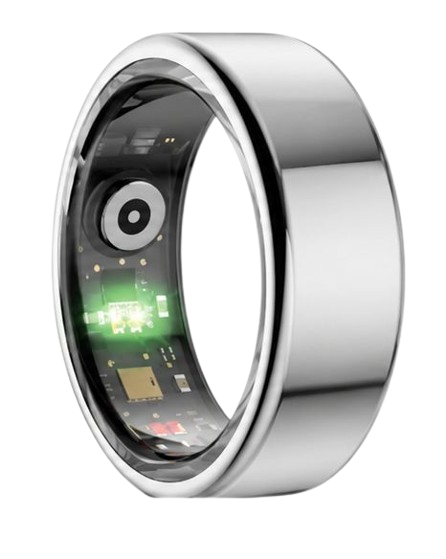
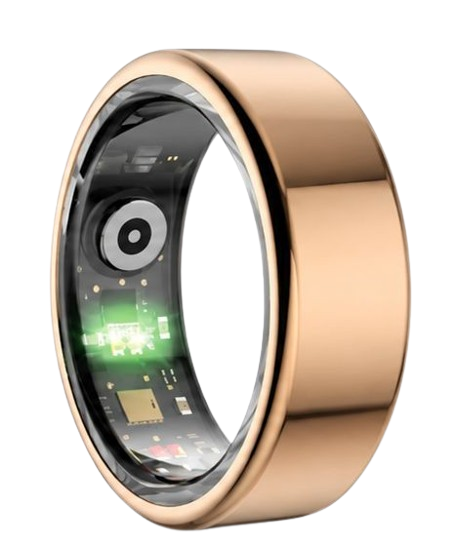
Tired of bulky smartwatches that die before morning? The Herz P1 Smart Ring features medical-grade biometric tracking inside an ultra-lightweight, durable titanium shell. Enjoy continuous tracking of your sleep stages, HRV, and SpO2—completely subscription-free.
Discover the Herz P1 RingOur team at Mind Body Dan has tested numerous wearables, and we continually look for solutions that address standard industry pain points: subscription fatigue, poor battery life, and bulky designs. The Herz P1 Smart Ring stands out as a highly comfortable, subscription-free alternative. Made from ultra-lightweight, durable titanium, it fits seamlessly into your life. It translates complex biometric algorithms into an intuitive daily recovery score, helping you understand your body’s true status at a single glance.
However, it is important to understand the product’s natural limitations. The Herz P1 Smart Ring is an exceptional wellness companion designed to track trends and support habit change; it is not a medical device designed to treat, cure, or diagnose clinical disorders. If you do not see normal oxygen levels during sleep on your dashboard, do not panic. Use the trends to adjust your sleep hygiene, such as avoiding alcohol or practicing side-sleeping. If your overnight oxygen levels consistently dip below 90% or you experience chronic, severe sleep disturbances, we strongly encourage you to consult with a qualified sleep specialist for a comprehensive clinical evaluation.
Disclaimer: Results may vary depending on individual physical activity levels, unique health conditions, and daily tracking patterns. The insights provided in this article are for informational and educational purposes only and should not be used as a substitute for professional medical advice, diagnosis, or treatment.