

The Ultimate Mattress Sizes and Bed Dimensions Guide for Better Sleep
Are you tired of waking up with a stiff neck, a racing mind, or feeling completely unrefreshed despite spending eight hours in bed? Choosing the wrong mattress setup can directly disrupt your sleep architecture. In this guide, our team at Mind Body Dan breaks down standard mattress sizes to help you optimize your bedroom space, while pairing your physical comfort with advanced, screen-free sleep tracking like the Herz P1 Smart Ring to reclaim your daily vitality.
Take Back Your Sleep.
Take Back Your Life.
- Fall asleep faster & sleep deeper
- Stop waking up in the middle of the night
- Wake up refreshed & full of energy
What You Will Learn in This Guide:
- The exact measurements of standard mattress sizes in inches and feet.
- How to evaluate physical space, partner dynamics, and sleeping styles.
- A detailed breakdown of room layout options for small, medium, and large spaces.
- How to integrate advanced, screen-free biometric tracking to measure your real sleep recovery.
Choosing the Perfect Bed: Mattress Sizes, Selection Criteria, and Interactive Chart

When selecting a bed frame or buying a new mattress, the options can quickly become overwhelming. From narrow single frames to sweeping California kings, finding the sweet spot between bedroom floor space and sleeping freedom is crucial. Physical restriction in bed is a hidden contributor to shallow sleep, causing your body to experience micro-arousals during the night without you even realizing it. Our team has compiled the ultimate industry standard guide to help you make an informed, stress-free decision.
Our Rigorous Selection & Evaluation Criteria
In analyzing how various dimensions of bed sizes impact your daily recovery, we focus on four primary pillars:
- Ergonomic Space (Shoulder-to-Edge Ratio): Ensuring the sleeper has enough space to naturally turn without hitting the edge of the mattress or a sleeping partner.
- Motion Isolation Compatibility: How well different mattress measurements handle kinetic energy transfer, particularly when shared by two sleepers.
- Spatial Economics: Matching the physical footprint of the bed frame with recommended bedroom sizes to prevent cramped, stressful living spaces.
- Biometric Feedback Synergy: How easily a sleeper can track their physical recovery metrics (such as sleep stages and Heart Rate Variability) in their preferred sleep environment.
Quick Comparison: Standard Bed Dimensions
The table below outlines standard mattress measurements in inches, ideal room layouts, and the tracking synergy you can expect when measuring your recovery journey.
| Mattress Size | Dimensions (W x L) | Ideal Room Size | Best Suited For | Biometric Tracking Companion |
|---|---|---|---|---|
| Twin | 38″ x 75″ | 7′ x 10′ | Kids, Toddlers, Small Spaces | Herz P1 Smart Ring (Screen-Free) |
| Twin XL | 38″ x 80″ | 8′ x 10′ | Tall Teens, College Dorms | Herz P1 Smart Ring (HRV Tracking) |
| Full (Double) | 54″ x 75″ | 10′ x 10′ | Single Adults, Guest Rooms | Herz P1 Smart Ring (Sleep Stages) |
| Queen | 60″ x 80″ | 10′ x 12′ | Couples, Active Solo Sleepers | Herz P1 Smart Ring (Recovery Score) |
| King | 76″ x 80″ | 12′ x 12′ | Couples, Co-Sleeping Parents | Herz P1 Smart Ring (Restless Metrics) |
| California King | 72″ x 84″ | 12′ x 14′ | Very Tall Sleepers, Narrow Rooms | Herz P1 Smart Ring (Deep Sleep Focus) |
Detailed Breakdown of Standard Bed Sizes
1. Twin Mattress (Standard Solo Option)
Measuring 38 inches wide by 75 inches long, the standard twin is the smallest traditional mattress size available. It is incredibly cost-effective and fits comfortably into small spare bedrooms, daybeds, and bunk-bed setups. However, for fully grown adults or taller teenagers, the length can feel cramped, leading to curled-up sleep postures that elevate muscle tension overnight.
2. Twin XL Mattress (The Dorm Room Champion)
The Twin XL offers an additional 5 inches of length, bringing its total dimensions to 38 inches by 80 inches. This extra length matches the standard length of a Queen or King bed, making it highly suitable for taller individuals who require a space-saving bed frame. It is the gold standard for university housing and shared apartments.
3. Full Mattress (The Classic Double)
A full-size mattress (historically called a double bed) measures 54 inches wide by 75 inches long. While double bed measurements sound like they should accommodate two sleepers, sharing a full bed leaves each person with only 27 inches of personal space—the exact width of a baby’s crib. It is highly recommended for single sleepers who want extra room to sprawl out, but usually falls short for couples.
4. Queen Mattress (The Global Standard)
At 60 inches wide by 80 inches long, the queen is the most popular mattress size in the world. It strikes an outstanding balance between personal sleeping space and conservative room footprint. Couples find it comfortable, and it easily fits into typical master bedrooms without blocking walkways.
5. King Mattress (The Ultimate Space)
Measuring 76 inches wide by 80 inches long, a standard King (sometimes called an Eastern King) is equivalent to placing two Twin XL beds side-by-side. It offers exceptional personal space, making it perfect for active couples, those with pets, or co-sleeping families. However, it requires a spacious room of at least 12 feet by 12 feet to look and feel natural.
6. California King Mattress (Ergonomics for the Tall)
Often misunderstood as being larger than a standard King, the California King actually shifts 4 inches of width to its length, measuring 72 inches wide by 84 inches long. This makes it the longest standard bed option, ideal for sleepers over 6 feet tall who find their feet hanging off standard-length beds. It is also excellent for narrower master bedrooms.
The Wellness Expert’s Choice: Herz P1 Smart Ring
While choosing correct bed size measurements supports physical posture, tracking how your body recovers on that surface is the real key to long-term vitality. Many individuals buy expensive new beds but still wake up exhausted due to stress, bad habits, or undetected sleep interruptions.
The Herz P1 Smart Ring is an elegant, subscription-free, screen-free wearable that provides medical-grade biometric insight without the distraction of a bulky smartwatch. Designed in ultra-light titanium, it stays comfortable all night, tracking your precise sleep stages (REM, Deep, Light), Heart Rate Variability (HRV), and resting heart rate to calculate an intuitive, daily Recovery Score.
Why We Recommend the Herz P1: Unlike other smart rings, the Herz P1 features zero hidden monthly fees—you buy it once and own your data forever. Its multi-day battery life and minimalist design eliminate screen glare and charging anxiety, helping you gently optimize your sleep hygiene without any screen-time disruption.
Deep Dive: Comparing Mid-to-Large Mattress Sizes (Queen vs. King)

For most households, the final choice comes down to a classic head-to-head match-up: Queen vs. King. Your decision should rely heavily on room dimensions, budget, and how your body responds to partner sleep movements. If your partner tosses and turns at 3 AM with a racing mind, those physical vibrations can shift you from a deeply restorative slow-wave deep sleep stage back into light sleep. These constant disruptions can leave you waking up with brain fog and fatigue, without any clear memory of being awake.
Let’s look closely at the math behind these two standard mattress sizes. A Queen mattress provides each sleeper with 30 inches of width, which is generally sufficient but leaves little room for extra movement. A King-size mattress increases that width by a full 16 inches, giving each person 38 inches of personal space. This extra width is highly effective at reducing partner-induced awakenings, helping both individuals maintain their natural sleep cycles uninterrupted.
The Heart Rate Variability (HRV) Connection
When your sleep space is cramped, your body remains in a heightened state of low-level physical alertness. Biometric data shows that sleepers on beds that are too small often experience lower Heart Rate Variability (HRV) levels overnight. HRV is a key marker of autonomic nervous system balance; higher levels indicate your body is actively recovering, while lower levels suggest ongoing physical stress. Upgrading your sleeping area and tracking your daily HRV trends can help you confirm if your sleep environment is supporting your recovery.
When selecting between these options, you should also consider your room’s overall layout. A bedroom needs at least 2 to 3 feet of open space around the sides and foot of the bed to maintain a comfortable flow. Cramming a massive King frame into a modest 10′ x 11′ room restricts your walking paths, creates a visually crowded environment, and can increase cognitive stress before you go to sleep. Striking the right balance between sleeping space and room space is essential for creating a relaxing, restful bedroom sanctuary.
Solving Space Dilemmas: Small-Space Mattress Dimensions and Room Layouts
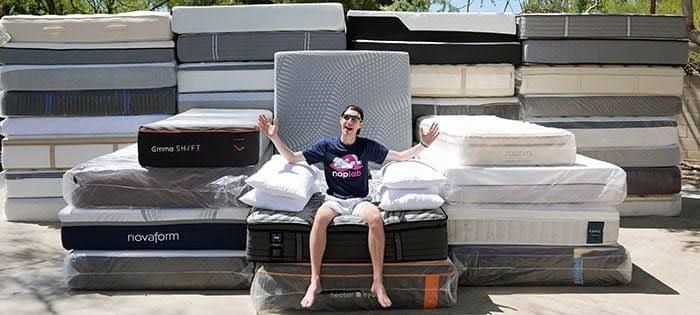
If you live in a cozy apartment, a studio, or are designing a functional guest room, managing tight space is your top priority. In these situations, understanding the exact single bed width and total footprint is key to keeping your home comfortable and open. Smaller spaces don’t have to mean compromising on your rest; you simply need a smart layout and an understanding of standard bed dimensions.
For narrow rooms, a Twin XL or a Full bed is often the most practical choice. The Twin XL provides extra length for adults while saving valuable floor space, while a Full bed offers a comfortable sleeping width without overwhelming a smaller room. If you are working with unusual room shapes or angled walls, keep in mind that most standard frames can be paired with space-saving storage headboards or under-bed drawers. This helps you maximize your storage space and keep your room tidy and organized.
Connecting Physical Space with Smart Biometrics
A bedroom should be a sanctuary, free from the clutter of daily life and the blue-light glare of electronic devices. Transitioning to a screen-free sleep environment is one of the most effective steps you can take to calm a racing mind before bed.
By tracking your sleep patterns with a lightweight titanium ring instead of a glowing smartphone or a flashing watch screen, you can capture accurate biometric data without bringing digital distractions into your bedroom. This approach keeps your evening routine peaceful and focused entirely on rest.
When measuring your room, always factor in the dimensions of your open doors, wardrobes, and drawers. There is nothing more frustrating than delivering a new mattress only to find it blocks your closet doors or leaves no room for your bedside tables. Take your time, measure carefully, and use these standard guidelines to design a bedroom that supports both your daily routine and your night-time recovery.
Alternative and Specialized Bed Sizes
While standard sizes fit the vast majority of bedrooms, there are several specialized options worth considering for custom layouts:
- Olympic Queen: Measuring 66 inches wide by 80 inches long, this size provides an extra 6 inches of width compared to a standard Queen, making it a great middle-ground option for couples without the footprint of a King.
- Split King: Made by placing two Twin XL mattresses (each 38″ x 80″) side-by-side on a single frame. This setup is highly popular for adjustable beds, allowing each sleeper to customize their side’s elevation and firmness.
- Wyoming King & Alaska King: Oversized custom beds ranging from 84″ x 84″ up to a massive 108″ x 108″, designed specifically for very large master suites and family co-sleeping.
“Your mattress is the foundation of your physical recovery, but high-quality sleep is ultimately about how well your nervous system rests. Tracking your resting heart rate and sleep stages on a daily basis is the most effective way to see if your lifestyle and sleep setup are truly working for your body.”
— The Mind Body Dan Wellness Team
Final Recommendations for Your Best Night’s Sleep
To help you make your final choice, our team has put together these three simple recommendations:
- The Solo Sprawler: If you are sleeping on your own and have a medium-sized room, go with a standard Full or Queen mattress. This gives you plenty of room to stretch out and move naturally without crowding your space.
- The Busy Couple: For couples in typical master bedrooms, the standard Queen is a solid, space-saving choice. However, if either of you is an active sleeper or wakes up easily, upgrading to a King will significantly reduce motion transfer and help you both sleep deeper.
- The Tall Sleeper: If you or your partner are over 6 feet tall, skip the standard lengths and opt for a Twin XL (for solo sleepers) or a California King (for couples) to ensure your feet stay comfortably on the bed.
No matter which mattress size you choose, pairing your physical setup with a reliable, screen-free tracking tool like the Herz P1 Smart Ring will help you monitor your nightly recovery trends, make smart adjustments to your habits, and wake up feeling energized and ready for the day ahead.
Disclaimer: Results may vary depending on individual physical activity levels, unique health conditions, and daily tracking patterns. The biometric data and metrics collected by wearable devices are intended for general wellness and informational purposes only. They should not be used to self-diagnose, treat, or replace professional medical advice or consultation from a qualified healthcare provider.
