

4 Top Screen-Free Wearables for Tracking Your Stages of Sleep and Recovery
Waking up at 3 AM with a racing mind leaves you exhausted, struggling with persistent brain fog. Scientific research shows that optimized stages of sleep are crucial for full physical and cognitive recovery. Our team reviewed the top screen-free wearables, showing how the Herz P1 Smart Ring tracks biometric trends to help you reclaim your natural energy.
Take Back Your Sleep.
Take Back Your Life.
- Fall asleep faster & sleep deeper
- Stop waking up in the middle of the night
- Wake up refreshed & full of energy
- Scientific Overview: Deep dive into how our bodies transition between light, deep, and REM sleep.
- Wearable Evaluation: Honest, respectful reviews of the leading screen-free sleep tracking tools for 2026.
- Unmatched Comfort: Why smart rings represent the ultimate evolution in sleep-tracking hardware.
- Empathetic Guidance: Practical lifestyle adjustments that directly influence your heart rate variability (HRV) and nightly recovery.
The Best Screen-Free Tools to Track Your Sleep Cycles and Recovery
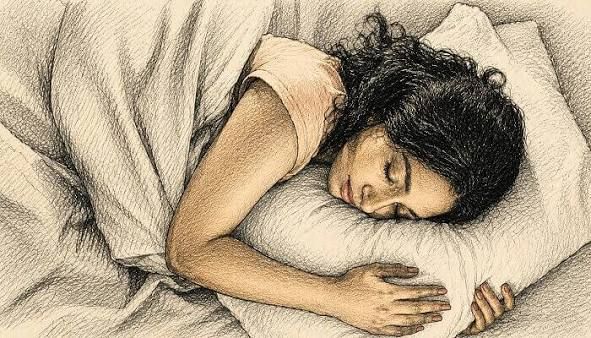
Our Rigorous Evaluation Criteria
To help you navigate the cluttered landscape of wearable tech, Team Mind Body Dan put the market’s leading screen-free sleep trackers through a comprehensive vetting process. We understand that a sleep tracker is only useful if it actually stays on your body. Therefore, our evaluation was based on five critical pillars:
- Biometric Sensor Accuracy: The quality of photoplethysmography (PPG) sensors, infrared LEDs, and skin temperature sensors to capture changes in heart rate variability and blood oxygen.
- Wearable Comfort & Ergonomics: The device must be lightweight and completely unobtrusive during sleep. Bulky smartwatches fail this test for many restless sleepers.
- No Screen Distractions: Zero notification screens, blue-light emissions, or vibrating alarms that might disrupt your sleep environment.
- Subscription Model Transparency: Highlighting whether the hardware requires a recurring fee to access your own biometric data.
- Data Actionability: How effectively the companion app translates complex algorithms into a clear, simple morning recovery score.
By examining these features, we wanted to find tools that promote healthy sleep cycles without adding screen-induced stress to your bedtime routine.
Comparison of the Top Screen-Free Sleep Trackers
| Device | Form Factor | Subscription Fee | Key Strength | Battery Life |
|---|---|---|---|---|
| Herz P1 Smart Ring | Titanium Ring (0.12 oz) | $0 (Free Forever) | Elegant comfort, zero subscription, instant recovery score | Up to 7 Days |
| Whoop Strap 4.0 | Fabric Wristband | $30/month (Mandatory) | Excellent strain tracking for high-performance athletes | Up to 5 Days |
| Oura Ring Gen 3 | Titanium Ring (0.15 oz) | $5.99/month (Required for full data) | Robust third-party app integration ecosystem | Up to 7 Days |
| Circular Ring Slim | Plastic-Titanium Ring | $0 (Free Forever) | Built-in haptic silent alarm features | Up to 5 Days |
Detailed Reviews: Finding the Perfect Fit
1. Herz P1 Smart Ring — Our Top Choice for Comfort & Transparency
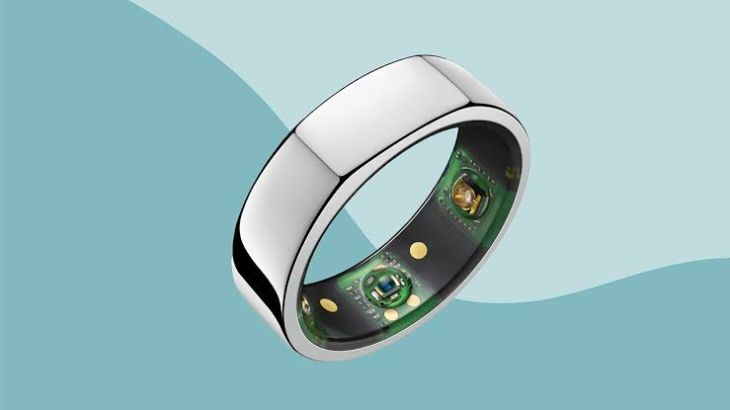
The Herz P1 Smart Ring is our team’s premier choice for anyone looking to track their recovery without being bogged down by screens or recurring monthly charges. Built with a lightweight, medical-grade titanium shell, it weighs just 0.12 ounces and feels like a natural extension of your hand. Its inner ring features advanced photoplethysmography (PPG) sensors that lie flush against your finger’s blood vessels, which are known to yield cleaner arterial pulse readings than wrist-based trackers.
Key Strengths:
- Completely Subscription-Free: You buy the ring once and own all your historical data, detailed sleep stage analyses, and recovery trends forever. No paywalls.
- Exceptional Comfort: At just 2.5mm thin, it is one of the most comfortable smart rings on the market, completely resolving the bulkiness issue of traditional smartwatches.
- Actionable Metrics: The user-friendly companion app processes heart rate variability (HRV), skin temperature variation, blood oxygen levels, and movement patterns to generate a simple, daily Recovery Score.
- Outstanding Battery Performance: Enjoy up to 7 full days of round-the-clock tracking on a single, quick charge.
Product Limitations:
Because it values privacy and a distraction-free environment, the ring does not feature real-time vibrating notifications or GPS. To review your day’s trends, you simply open the app whenever you choose, keeping your bedtime routine screen-free.
Ideal User: Everyday health enthusiasts, busy professionals, and light sleepers who want clear, reliable recovery data without subscription fatigue or wrist discomfort.
2. Whoop Strap 4.0 — For Athlete Strain Tracking
The Whoop Strap 4.0 is a highly capable, screen-free fabric wristband designed for serious athletes. It excels at measuring daily cardiovascular strain and comparing it to your recovery. It does not display notifications, helping you focus solely on your training and sleep hygiene.
Key Strengths:
- Highly detailed athletic load and muscular strain tracking.
- Comfortable, modular fabric strap that can be worn on the wrist or bicep.
Product Limitations:
The Whoop operates under a strict, mandatory subscription pricing model ($30/month or $239/year). If you stop paying, your device stops working entirely, which may deter users seeking long-term value. Additionally, its fabric strap can absorb sweat and moisture, requiring frequent cleaning.
Ideal User: Serious endurance athletes and fitness competitors who need granular athletic load tracking and don’t mind a recurring monthly subscription.
3. Oura Ring Gen 3 — A Well-Known Pioneer
The Oura Ring Gen 3 is a well-established smart ring. It features a robust suite of sensors that track heart rate, blood oxygen levels, and temperature changes throughout the night, delivering detailed insights into your daily lifestyle choices.
Key Strengths:
- Sleek, elegant physical design with a broad range of stylish finishes.
- Excellent integration with popular health applications like Apple Health and Google Fit.
Product Limitations:
While highly functional, the Oura Ring locks its detailed daily sleep breakdowns, heart rate trends, and long-term recovery metrics behind a monthly subscription of $5.99. Without this paid subscription, users can only access a basic, non-detailed set of daily scores.
Ideal User: Tech-savvy consumers who prefer a premium titanium finish and want integration with multiple fitness platforms, while accepting a recurring monthly fee.
4. Circular Ring Slim — Lightweight with Haptic Feedback
The Circular Ring Slim is a lightweight smart ring that uses a combination of plastic-titanium materials. It is notable for its haptic vibration motor, which provides silent, vibrating alarms directly on your finger to wake you up gently.
Key Strengths:
- No subscription fees, allowing free access to its data dashboard.
- The haptic alarm motor is a helpful touch for those who prefer physical wake-up calls over sound.
Product Limitations:
The plastic and titanium composite outer shell is more susceptible to cosmetic scratches compared to solid, medical-grade titanium rings. Its app interface can also feel slightly busy for users who prefer simple, minimalist data displays.
Ideal User: Those who want a subscription-free smart ring and value gentle, vibrating physical alarms on their finger.
Buying Guide: How to Choose Your Screen-Free Companion
If you are choosing between these devices, we suggest asking yourself a few simple questions:
- Where do you prefer to wear it? If you find bands on your wrist annoying or warm at night, a smart ring is often the most comfortable option.
- How do you feel about subscription fees? If you want a device you buy once and own forever, the Herz P1 Smart Ring stands out as a highly transparent, subscription-free choice.
- What is your primary goal? For high-intensity athletic training, Whoop’s muscular strain tracking is highly effective. For everyday lifestyle tracking, deep recovery analytics, and stress management, a sleek smart ring is often the ideal partner.
Team Mind Body Dan’s Final Recommendations
For the majority of our readers, the Herz P1 Smart Ring offers the best combination of elegant medical-grade titanium, a subscription-free model, and accurate tracking of sleep cycles. If you are focused strictly on athletic conditioning, Whoop 4.0 is a fantastic fit, while Oura remains a solid choice for those who value third-party app integrations and don’t mind a subscription.
Deconstructing the Sleep Cycle: What Happens When the Lights Go Out?
Sleep is not a uniform state of unconsciousness. Instead, your brain travels through a highly structured series of phases every night. Each phase plays a distinct role in keeping your mind sharp, your body recovered, and your immune system functioning optimally. When you understand these different sleep stages, your nightly rest transforms from a black box of mystery into a highly understandable, manageable process.
A typical, healthy night of sleep consists of repeating 90 to 110-minute cycles. Within each individual sleep cycle, your body transitions between two primary states: Non-Rapid Eye Movement (NREM) sleep and Rapid Eye Movement (REM) sleep. Let’s look at exactly what occurs during each phase.
The NREM Stages: From Light Relaxation to Deep Physical Recovery
Stage 1 NREM (Light Sleep/Transition): This is the initial gateway phase. As your body relaxes, your brainwaves begin to transition from active beta and alpha patterns to slower theta waves. It usually lasts just 1 to 7 minutes. During this light phase, you might experience sudden hypnic jerks—that feeling of falling that startles you awake. Your heart rate and breathing begin to slow down, but you can still be easily awakened by the slightest sound.
Stage 2 NREM (Light/Stable Sleep): During Stage 2, your body temperature drops, eye movements stop, and your heart rate settles further. Although this is still light sleep, your brain exhibits bursts of rapid rhythmic brainwave activity known as sleep spindles, along with single high-amplitude waves called K-complexes. These patterns act as protective shields, preventing external noises from waking you up. We spend roughly 50% of our total sleeping time in Stage 2, making it the workhorse phase that keeps us stable throughout the night.
Stage 3 NREM (Deep Sleep/Slow-Wave Sleep): This is the gold standard of physical recovery. Your brain produces slow, high-amplitude delta waves, and your body enters a highly restorative state. Blood pressure drops, breathing becomes deep and slow, and muscle activity decreases significantly. During deep sleep, your body goes to work: releasing growth hormones, repairing damaged tissues, building muscle, clearing cellular waste, and strengthening your immune system. Waking up from deep sleep is difficult, and doing so often leaves you feeling disoriented or “groggy” for several minutes.
The REM Phase: The Cognitive Workshop
After traveling through light and deep sleep, your brain climbs back up to enter the rem sleep cycle. This phase is characterized by rapid eye movements, elevated heart rates, and temporary muscle paralysis (which prevents you from physically acting out your dreams). While your body remains completely still, your brain activity spikes to levels that look remarkably similar to when you are awake.
What Disrupts Your Nightly Rest?
When your body is operating optimally, these cycles repeat seamlessly 4 to 6 times a night. However, late-night alcohol, heavy meals, elevated stress, or blue light from screens can cause frequent micro-awakenings that disrupt your sleep cycles. If you wake up at 3 AM with a racing mind, your body has likely experienced a spike in cortisol, cutting off your deep or REM phases early and leaving you exhausted, regardless of how many total hours you spent in bed.
Actionable Strategies to Optimize Your Recovery and Heart Rate Variability

Tracking your sleep is only half the battle. The true value lies in translating that data into practical, sustainable lifestyle changes. To systematically improve the quality of your sleep, you must focus on the primary driver of recovery: your autonomic nervous system.
One of the most valuable biometrics for measuring nervous system health is Heart Rate Variability (HRV)—the variation in time between consecutive heartbeats. Measured in milliseconds, a higher HRV generally indicates that your nervous system is resilient, balanced, and capable of adapting to daily stressors. A low HRV suggests your body is stuck in a chronic “fight-or-flight” state, which can lead to light, fragmented sleep and a feeling of morning exhaustion.
- Create a Consistent Window: Go to bed and wake up at the same time every day, even on weekends. This consistent routine stabilizes your circadian rhythm and optimizes your daily phases of sleep.
- Establish a Screen-Free Buffer: Turn off your TV, tablet, and smartphone at least 60 minutes before bed. Blue light suppresses melatonin production, delaying your entry into deep sleep. Opt for screen-free trackers to avoid late-night notifications.
- Limit Late-Night Digestion: Avoid heavy meals, caffeine, and alcohol close to bedtime. Digestion increases your core body temperature and heart rate, directly lowering your nightly HRV and disrupting the crucial stages of sleep cycle.
- Cool Down Your Sleep Environment: Keep your bedroom quiet, dark, and cool (ideally between 60°F and 67°F). A lower body temperature is a primary physiological trigger that helps transition your brain into restorative slow-wave sleep.
The Screen-Free Advantage
Using a screen-free, lightweight tracking method like the Herz P1 Smart Ring helps you monitor these adjustments without the stress of an interface. Instead of staring at an glowing smartwatch screen at 3 AM to see why you are awake, you can simply rest. When you wake up, the app provides a simple daily score, giving you clear, actionable insights to reclaim your daily physical and mental energy.
Disclaimer: Results may vary depending on individual physical activity levels, unique health conditions, and daily tracking patterns. This content is for informational and educational purposes only and should not be construed as professional medical advice, diagnosis, or treatment. Always consult with a qualified healthcare professional before beginning any new health, fitness, or biometric tracking regimen.
