

How to Get Pee Out of a Mattress: A Science-Backed Guide to Cleaning, Odor Removal, and Restoring Your Sleep Sanctuary
Waking up to an accidental spill, pet accident, or bedwetting incident at 3 AM triggers immediate panic, disrupting your sleep cycle and raising stress hormones. At Team Mind Body Dan, we know that non-restorative sleep ruins your recovery. To restore your sanctuary, we’ve compiled a definitive science-backed guide, while tracking your recovery with screen-free tools like the Herz P1 Smart Ring helps rebuild restful sleep.
Take Back Your Sleep.
Take Back Your Life.
- Fall asleep faster & sleep deeper
- Stop waking up in the middle of the night
- Wake up refreshed & full of energy
What You Will Learn in This Guide
- Immediate Action Plan: Step-by-step methods for both fresh and set-in dried stains.
- The Chemistry of Clean: Why household ingredients work at a molecular level to break down uric acid.
- Odor Elimination: How to neutralize tough smells instead of just masking them.
- Sleep & Recovery Connection: Why a clean mattress is vital for your Heart Rate Variability (HRV) and deep sleep tracking.
Key Highlights of Mattress Cleaning
- Blot, Never Scrub: Scrubbing pushes urine deeper into the foam or fibers, making the odor nearly impossible to remove.
- The Acid-Base Balance: Distilled white vinegar breaks down alkaline salts, while baking soda neutralizes acidic odors.
- Oxygen Power: Hydrogen peroxide breaks down stubborn organic pigments to clear set-in yellow stains completely.
- Avoid Heat: Warm water or steam cleaners bake urine proteins directly into the mattress fibers, setting the stain permanently.
1. The Step-by-Step Science of Wet and Dry Stain Removal
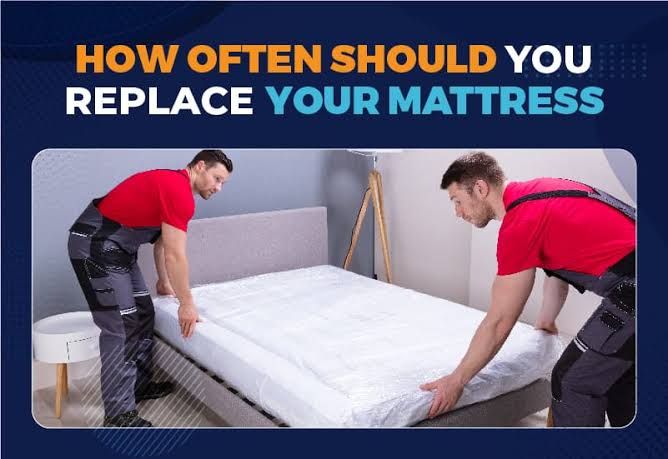
When you are faced with a wet mattress, time is of the essence. To master how to get pee out of a mattress, you first need to understand the material you are working with. Standard hybrid and innerspring mattresses have air gaps that allow for relatively fast drying, whereas memory foam acts like a dense organic sponge. If liquid seeps past the top comfort layers, it can become trapped, creating an ideal breeding ground for mold and mildew. This is why learning how to clean pee out of a a mattress quickly and safely is so critical to your overall sleep hygiene.
Prerequisites: What You Need
Before beginning, gather these essential, non-toxic household cleaning supplies:
- Distilled white vinegar (containing 5% acetic acid to break down alkaline urine salts)
- Baking soda (pure sodium bicarbonate)
- 3% Hydrogen peroxide
- Liquid dish soap (preferably enzyme-based or mild)
- Cold distilled water
- A clean, empty spray bottle
- Light-colored microfiber towels (to avoid dye transfer to your white mattress cover)
- A vacuum cleaner with an upholstery attachment
Step-by-Step Guide for Fresh Urine Stains
If the accident just happened, follow this precise method on how to get urine out of mattress fibers before it dries:
- Blot Immediately: Take your dry microfiber towels and press down firmly on the wet area. Use your body weight to draw the liquid up. Do not rub in circles, as this pushes the liquid outward and deeper. Repeat with fresh dry towels until no more moisture transfers.
- Apply the Vinegar Solution: In your spray bottle, mix a 50/50 solution of cold water and distilled white vinegar. Mist the affected area generously until it is damp but not completely soaked. The vinegar’s acidity works to break down the urea and neutralizes the early ammonia buildup.
- Let It Sit: Allow the vinegar solution to work its way into the fibers for 10 to 15 minutes. This step is vital when figuring out how to clean urine from mattress materials without damaging delicate foam adhesives.
- Blot a Second Time: Use clean towels to press out the excess vinegar solution. You want to extract as much liquid as possible before moving on to the dry ingredients.
- Sprinkle Baking Soda: Liberally apply baking soda for urine stains over the damp area. It should form a thick layer. The baking soda will draw up the remaining liquid from deep within the mattress through capillary action while neutralising acidity.
- Wait and Vacuum: Let the baking soda sit for at least 8 to 10 hours. It will gradually dry into a crust. Once dry, vacuum the residue thoroughly using your upholstery attachment.
Step-by-Step Guide for Set-In, Dried Urine Stains
If you discover a yellow, dried stain later, the chemical composition of the urine has changed, forming stubborn uric acid crystals that water cannot dissolve. Here is how to get pee out of a mattress when the stain is fully dried:
- Mix the Oxidation Solution: Combine 8 ounces (approx. 240ml) of 3% hydrogen peroxide, 3 tablespoons of baking soda, and 2 to 3 drops of mild liquid dish soap in a bowl. Gently swirl the mixture until the baking soda is dissolved. Do not shake this in a sealed spray bottle, as the oxygen release can build pressure and cause leaks.
- Test a Small Spot: Hydrogen peroxide has mild bleaching properties. Dab a tiny amount on an inconspicuous corner of your mattress to ensure it does not discolor the fabric cover.
- Apply to the Stain: Pour or spray the solution lightly over the yellow stain. Ensure it covers the boundaries of the yellowing. The peroxide breaks the chemical bonds of the urobilin (the pigment that causes yellowing), while the soap breaks down lipid matrices.
- Let It Dry Naturally: Do not blot. Allow the mixture to air dry completely over 2 to 4 hours. As it dries, a fine white baking soda residue will form on the surface.
- Vacuum the Film: Once dry, thoroughly vacuum the entire surface. If any faint yellow outline remains, repeat the process with a slightly lighter application.
Common Mistakes to Avoid
Many people damage their beds while trying to figure out how to clean pee out of a mattress. Avoid these typical cleaning errors:
- Using Bleach: Chlorine bleach reacts with the ammonia in urine to produce toxic chloramine gas. It also breaks down the delicate polyurethane structures of memory foam.
- Saturating the Bed: Pouring large volumes of liquid directly onto the mattress can cause pooling in the lower comfort layers, leading to internal mold.
- Applying Heat: Using hair dryers or steam cleaners on a fresh stain will cook the proteins in the urine, binding them permanently to the textile fibers.
— Team Mind Body Dan Cleaning Labs
Quick Cleaning Checklist
| Stain Type | Primary Agent | Action Required | Drying Time |
|---|---|---|---|
| Fresh Urine | 50/50 Vinegar/Water + Baking Soda | Blot, spray, sprinkle, wait, vacuum | 8 to 12 Hours |
| Dried Stain | Hydrogen Peroxide + Baking Soda + Soap | Spray gently, let sit, air dry, vacuum | 2 to 4 Hours |
| Pet Odors | Enzymatic Cleaner | Apply, cover with damp cloth, let air dry | 12 to 24 Hours |
2. Deep Odor Neutralization: Banishing the Lingering Ammonia Smell
While clearing the yellow discoloration is a major step forward, the true challenge is understanding how to get pee smell out of mattress materials for good. Urine contains urea, which breaks down into ammonia when exposed to moisture and ambient bacteria. This reaction releases that pungent, stale smell that keeps you awake at night. If you do not completely neutralize these compounds, any increase in bedroom humidity will reactivate the odor molecules, disrupting your bedroom sanctuary.
To fully address how to get pee smell out of mattress fibers, you must rely on chemical neutralization rather than masking scents. Many commercial aerosol sprays use synthetic fragrances to cover up odors temporarily, but they fail to break down the underlying compounds. Applying baking soda for urine stains is highly effective because it acts as an amphoteric buffer. It chemically reacts with both highly acidic and highly alkaline compounds, converting volatile smell molecules into odorless salts.
Dealing with Pet Urine: Cat vs. Dog Accidents
If your pet was the culprit, standard household methods might not be enough. Cat urine is particularly concentrated, containing feline amino acids that dry into tough mercaptan compounds. When figuring out how to get urine out of mattress fibers when pets are involved, enzymatic cleaners are essential. These cleaners use targeted proteins (hydrolases) to break down urea and lipids into harmless, odorless byproducts. Mist the enzymatic spray over the dry area, cover it with a damp microfiber towel to keep the enzymes active, and let it air dry completely over 24 hours.
Mastering how to clean urine from mattress layers when dealing with dense memory foam requires patience. To ensure you are removing urine stains from memory foam completely, you must draw the moisture upward. You can accelerate this process by placing a heavy weight (like a stack of heavy books wrapped in plastic) on top of dry microfiber towels over the treated area, absorbing deep moisture layers through capillary action.
From Late-Night Stress to Biometric Recovery
Waking up to clean a mattress at 3 AM triggers a classic fight-or-flight response, sending cortisol levels spiking and destroying your sleep cycle. Rebuilding your rest requires more than just a clean bed—it requires understanding how your body recovers from stress. By using the screen-free, titanium Herz P1 Smart Ring, you can track your heart rate variability (HRV) and sleep stages without annoying subscriptions or bright, sleep-disrupting screens.
3. Restoring Sleep Hygiene: The Invisible Connection to Recovery and Biometrics

Your sleep environment has a direct, measurable impact on your cardiovascular health and brainwave architecture during the night. Waking up in the middle of the night to manage an accident triggers “sleep environment anxiety.” The physical exertion of scrubbing, combined with worry about permanent mattress damage, stimulates your sympathetic nervous system. Even after you return to bed, your heart rate remains elevated and your Heart Rate Variability (HRV) drops, leading to non-restorative sleep and morning brain fog.
This is why having a structured mattress sanitization and clean-up protocol is so empowering. When you know exactly how to handle sleep disruptions efficiently, you can significantly reduce the psychological friction of late-night accidents. Protecting your mattress with a breathable, waterproof polyurethane protector prevents liquids from ever reaching the foam layers, keeping your sleep environment pristine and your stress levels low.
Why Smart Rings Outperform Smartwatches for Sleep Tracking
Tracking your recovery metrics during stressful events shouldn’t come with additional sleep disruptions. Traditional smartwatches can be problematic for sleep hygiene:
- Bulky Designs: Large screens are uncomfortable when sleeping on your side, often waking you up when you turn over.
- Screen Glare: Sudden notifications or wrist-movement screen triggers can disrupt melatonin production.
- Battery Anxiety: Charging your watch daily means you often miss critical overnight sleep data.
The Herz P1 Smart Ring offers an elegant, screen-free alternative. Made from lightweight, medical-grade titanium, it sits comfortably on your finger, tracking sleep stages, respiratory rates, and HRV without distracting notifications. Best of all, it’s completely subscription-free—giving you full access to your biometric trends without monthly fees.
How Clean Sleep Environments Improve Biometric Trends
When you eliminate allergen and microbial buildup from urine spills, your respiratory system can settle into a more natural, deep rhythm. This positive shift is clearly reflected in your sleep metrics:
- Increased Heart Rate Variability (HRV): A clean, odor-free bedroom supports parasympathetic nervous system dominance, indicating excellent cardiovascular recovery.
- Longer Deep Sleep Cycles: Reducing physical discomfort and midnight micro-arousals helps you spend more time in slow-wave sleep, which is essential for physical recovery and tissue repair.
- Optimized REM Sleep: Restoring peace of mind helps prevent stress-induced nightmares, supporting healthy mental and emotional processing during REM cycles.
Conclusion: Reclaiming Your Sleep Sanctuary
Bedwetting and pet accidents are stressful, but they don’t have to ruin your mattress or your sleep hygiene. By applying the scientific cleaning steps outlined in this guide, you can successfully tackle stains and completely neutralize lingering odors. Combining these proactive sleep environment habits with seamless, non-intrusive tracking helps you stay tuned to your body’s recovery. Protecting your bed and monitoring your metrics enables you to sleep soundly, wake up refreshed, and take full control of your sleep health.
Disclaimer: Results may vary depending on individual physical activity levels, unique health conditions, and daily tracking patterns. This guide is designed for educational and informational purposes only. It does not constitute medical advice or substitute for professional consultations with healthcare providers regarding sleep conditions or other health-related struggles.
