

Built to Last. Save Up to 69% Today.
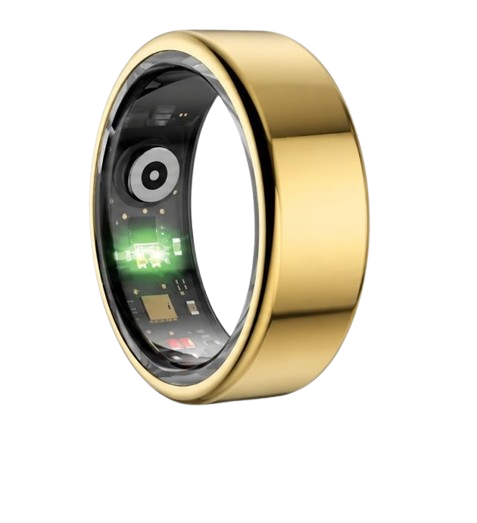
The Herz P1 Smart Ring tracks HRV, Sleep, Heart Rate & SpO2 around the clock. No subscriptions. No renewals. Ever.
In This Article
- Glycemic Index Breakdown: Discover the biological reasons why potato chips trigger sudden and intense glucose spikes.
- Hormonal & Sleep Disruption: Understand how nighttime snacks elevate cortisol and interfere with deep sleep recovery.
- Biometric Tracking Mastery: Learn how to read HRV and resting heart rate data on the Herz P1 App to guide your nutrition.
- Smart Ring Advantages: Compare the comfort, battery, and subscription-free model of Herz P1 against traditional smartwatches.
Do Potato Chips Raise Blood Sugar? The 5W2H Metabolic Guide
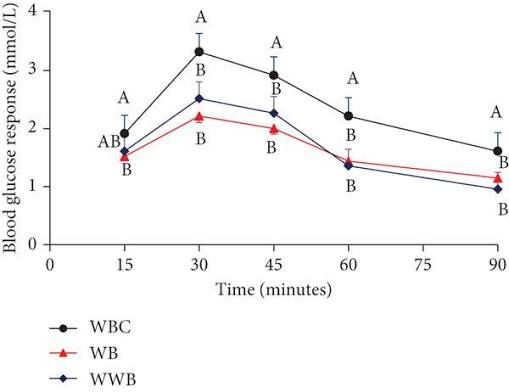
When we look at the potato chips glycemic index, we are exploring how rapidly a processed starch can transform into glucose within your bloodstream.
This biochemical shift is critical for anyone trying to manage their daily energy levels and long-term vitality.
Potato chips have a high glycemic index, typically ranging between 80 and 90 depending on processing methods.
This elevated score means that the carbohydrates in the chips convert to simple sugars almost immediately after consumption.
Sedentary professionals, active individuals, and those focused on metabolic optimization need to pay close attention to this rapid absorption rate.
The sudden influx of glucose into your system occurs primarily because the natural fiber structure of the potato has been thoroughly stripped away during manufacturing.
Without fiber to slow down digestive enzymes, the thin starch layers are quickly broken down in your small intestine.
This cellular reaction takes place within minutes of enjoying your favorite salty snack.
Biologically, your pancreas responds by pumping out a large surge of insulin to clear the glucose from your bloodstream.
While insulin works to push that sugar into your muscle and fat cells, it often causes a rapid rebound crash.
This sudden dip in circulating blood glucose can leave you feeling fatigued, irritable, and craving more simple carbohydrates.
Quantitatively, just a small 1-ounce bag of potato chips carries a high glycemic load, making it difficult for your body to maintain stable baseline levels.
This rapid metabolic wave can be just as impactful as eating a refined pastry, which you can read about in our guide on the croissant glycemic index.
If you frequently experience these dietary fluctuations, your body’s overall recovery and stress markers may begin to shift over time.
When compared to complex meals, processed snacks lack the nutritional balance required to maintain a steady, slow release of cellular energy.
To understand the wider context of processed carbohydrates, you might also wonder is lo mein healthy for your metabolic profile.
Every time your body is forced to handle a massive influx of glucose, your autonomic nervous system works harder to restore homeostatic balance.
Tracking these invisible internal patterns is exactly why modern biometric devices have become so popular among wellness enthusiasts.
If you want to track this in real-time, the Herz P1 Smart Ring monitors heart rate variability and stress indicators 24/7 — explore it here.
By observing how your resting heart rate responds after snacking, you can gain deep insights into your digestive and physical recovery.
Many people do not realize that highly processed foods can trigger a mild, temporary inflammatory response in the vascular system.
This physiological stress is often reflected in a sudden drop in your heart rate variability shortly after eating.
Your cardiovascular system must work harder to circulate oxygen and nutrients when dealing with acute blood sugar shifts.
The glycemic index of potato chips is compounded by the high amount of refined vegetable oils used during the frying process.
These heated fats can alter cellular membrane fluidity and further complicate how insulin interacts with your muscle cells.
As a result, the body requires more effort to stabilize itself compared to eating whole, unprocessed potatoes.
Even baked versions of potato chips often show a surprisingly high glycemic response due to the gelatinization of starches during high-heat baking.
This means that simply switching to a “healthier” baked alternative might not prevent a significant glucose spike.
Understanding these nuances is essential for anyone wishing to build a solid foundation of physical resilience and long-term metabolic health.
By paying attention to how different snacks affect your body, you can make empowered choices that support continuous, steady daytime energy.
90-Day 100% Money-Back Guarantee
“The Herz Smart Ring helps me manage stress easily. It’s accurate, stylish, and lightweight—perfect for my busy life!”
— Jennifer P. | ✔ Verified Customer
- ✓ 6-Day Battery Life
- ✓ Detailed Sleep Analysis
- ✓ Fast 1-Hour Charging
- ✓ iOS & Android Ready
Questions? Call: 1-866-479-1629
Analyzing the Glycemic Load and the True Impact of Potato Chips on Glucose Spikes

To fully understand the dietary impact of this snack, we must look beyond the basic gi potato chips value and examine the concept of glycemic load.
While the glycemic index measures how fast a food raises blood sugar, the glycemic load takes portion size into account.
This dual perspective is crucial because even a food with a moderate GI can cause a massive glucose spike if eaten in large quantities.
In the case of potato chips, both the glycemic index and the glycemic load lean toward the higher end of the wellness spectrum.
This double impact explains why so many people experience sudden energy slumps shortly after snacking.
Understanding the gi of potato chips helps us make better decisions about when and how to enjoy these salty treats.
Research published by the American Heart Association shows that keeping your glucose curves flat is a fundamental pillar of cardiovascular health.
If you want to know what is metabolic health, it is essentially your body’s ability to process nutrients without causing extreme inflammatory spikes.
When you consume high-GI foods on an empty stomach, you bypass the body’s natural defense mechanisms against rapid glucose absorption.
This direct absorption triggers a heavy insulin response, which can lead to fat storage and long-term insulin resistance if repeated daily.
Over time, these frequent spikes can wear down your pancreatic beta cells, making it harder for your body to regulate blood sugar naturally.
Many health conscious individuals also compare the glycemic profile of popular street foods, such as wondering is pani puri good for health when managing their carbohydrate intake.
The key is to find balance by pairing fast-digesting carbohydrates with healthy proteins, soluble fibers, or unsaturated fats.
This simple food-combining technique can significantly lower the overall glycemic impact of your snacks.
It allows you to satisfy your cravings occasionally without forcing your endocrine system into overdrive.
Your body operates best when it is supported by a stable, predictable stream of fuel throughout your waking hours.
By avoiding extreme glucose highs and lows, you protect your vascular walls from oxidative stress and support consistent cognitive performance.
Our team at Herz P1 is dedicated to helping you decode these physiological patterns through advanced, continuous biometric monitoring.
The Herz P1 Smart Ring uses multispectral optical sensors to capture subtle changes in your arterial pulse wave during and after meals.
This non-invasive tracking allows you to see how your cardiovascular system behaves when processing different nutritional loads.
As you learn to keep your glucose levels stable, you will notice a significant improvement in your daily focus and physical endurance.
Stable blood sugar also supports healthy hormonal production, which is essential for both physical recovery and mental emotional balance.
When your body is not constantly fighting to manage glucose spikes, it can dedicate more resources to cellular repair and immune defense.
Taking a proactive approach to your diet is one of the most effective ways to elevate your overall quality of life.
Let’s make sure we always look at the complete picture of nutrition, lifestyle, and biometric feedback to guide our daily habits.
How a Potato Chips Glucose Spike Disrupts Sleep Architecture and Overnight Recovery

One of the most overlooked consequences of a late-night snack is how a potato chips glucose spike alters your sleep architecture.
Eating high-glycemic foods close to bedtime forces your digestive system to work actively when it should be entering a state of rest.
This digestion process requires significant blood flow, which keeps your core body temperature higher than normal.
According to the National Sleep Foundation, a dropping core temperature is a critical signal that tells your brain to transition into deep sleep.
When your temperature remains elevated due to digestion and insulin activity, you may experience fragmented, low-quality rest.
This late-night metabolic activity can easily trigger overnight-glucose-spikes, which disrupt your hormonal balance while you sleep.
During these spikes, your body may experience a mild release of cortisol, the primary stress hormone.
Cortisol acts as an antagonist to melatonin, the hormone responsible for keeping you in a deep, restorative sleep state.
As a result, you may spend less time in critical deep sleep and REM cycles, even if you are asleep for eight hours.
Deep sleep is the phase when your body repairs tissues, strengthens the immune system, and consolidates physical recovery.
Lacking sufficient deep sleep can leave you feeling physically exhausted and mentally foggy the next morning.
This lack of recovery can also impair your insulin sensitivity the following day, creating a cycle of continuous blood sugar instability.
This negative loop is why late-night snacking on processed starches can have a compound effect on your overall metabolic health.
To break this cycle, many experts recommend choosing low-glycemic options like a small portion of nuts or seeds if you must eat before bed.
These whole foods provide slow-release energy that does not trigger a massive hormonal cascade during your sleep cycles.
Monitoring these invisible nightly disruptions is where high-precision wearable technology becomes incredibly valuable.
The Herz P1 Smart Ring is specifically engineered to track your sleep stages with an impressive 82% agreement rate versus clinical polysomnography.
By measuring your heart rate, HRV, and skin temperature trends throughout the night, the ring provides a highly detailed Sleep Score.
You can easily see on your companion app how a late-night snack impacts your resting heart rate and sleep efficiency.
Many users report that seeing this direct visual connection motivates them to adjust their evening eating habits for better morning energy.
The ring’s lightweight, sleek design makes it extremely comfortable to wear all night long without distracting your rest.
Unlike bulky wrist-based trackers, a smart ring does not pinch your skin or flash bright screen lights when you move in bed.
This seamless comfort ensures that you gather continuous, uninterrupted data to guide your daily wellness journey.
Over time, you will begin to notice clear patterns between your daytime nutrition, evening habits, and sleep quality scores.
Understanding these connections empowers you to take complete control of your metabolic health and physical recovery.
How to Use Your Herz P1 Smart Ring to Track and Improve Your Metabolic Fitness
Achieving true metabolic fitness requires a combination of mindful nutrition, daily physical movement, and accurate biological feedback.
With the Herz P1 Smart Ring, you have a powerful tool that helps you observe these physiological reactions in real-time.
First, you should pay close attention to your daily Stress Index, which is updated every five minutes in the Herz P1 App.
A sudden, unexplained jump in your stress score after a meal can often indicate a rapid glucose fluctuation.
Second, check your resting heart rate trends during your afternoon rest periods or right after snacking.
When your body is forced to process high-GI foods, your resting heart rate may remain slightly elevated for several hours.
This elevation occurs because your heart must pump more blood to the digestive organs to manage the metabolic workload.
Third, evaluate your overnight HRV trends to see how well your nervous system recovered from your daytime dietary choices.
A higher HRV score indicates that your body is in a relaxed, parasympathetic state, which is ideal for recovery.
Conversely, a lower HRV score often suggests that your body is dealing with physical stressors, including late-night digestion.
By reviewing these metrics daily, you can identify which foods support your body and which ones cause unnecessary strain.
For example, you might observe that pairing a small portion of chips with avocado stabilizes your heart rate much better than chips alone.
This simple adjustment is a practical way to enjoy your favorite treats while protecting your metabolic health.
The Herz P1 App makes it incredibly easy to log your meals and compare them directly with your physiological data.
Best of all, the companion app is entirely free for life, with absolutely no hidden subscription fees or locked premium features.
This means you can track your health journey over months and years without worrying about ongoing monthly costs.
The ring is designed to be worn continuously, allowing it to build a highly personalized baseline of your unique biology.
As the ring learns your natural rhythms, it provides increasingly accurate and relevant insights to guide your habits.
You can use these insights to optimize the timing of your meals, exercises, and sleep cycles for maximum daily performance.
Many active individuals find that matching their heavy carbohydrate intake to their high-intensity workout windows prevents unwanted glucose storage.
This strategic timing allows your muscles to absorb the glucose directly for fuel, minimizing the insulin response.
Utilizing your biometric data in this way turns raw numbers into a highly personalized roadmap for vibrant, daily wellness.
Common Pitfalls in Health Tracking: Bulky Wearables and Hidden Costs
Many people who want to track their health make the mistake of choosing bulky, uncomfortable smartwatches.
These large devices can easily disturb your sleep, especially when they catch on your sheets or feel heavy on your wrist.
If a tracker is uncomfortable, you are much more likely to leave it on your nightstand, leading to massive gaps in your data.
Additionally, many popular smartwatches require daily charging, which means you often have to choose between tracking your day or your night.
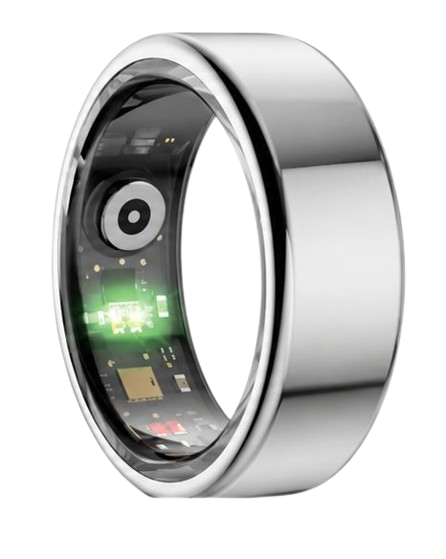
The Herz P1 Smart Ring completely solves these issues with its lightweight, sleek design made of military-grade steel.
Weighing only a few grams, it is designed to feel virtually invisible on your finger throughout the day and night.
It features a reliable 6-day battery life that charges fully in under an hour, so you almost never have to take it off.
Another common frustration in the wearable market is the presence of hidden, ongoing subscription fees to access your own data.
Some brands charge a significant monthly fee just to show you your detailed sleep stages or heart rate variability trends.
We believe that your health data belongs entirely to you, which is why the Herz P1 App requires zero ongoing subscription fees.
This commitment ensures that your initial purchase is the only investment you need to make for a lifetime of health insights.
Furthermore, our device is built to last with an impressive IP68 waterproof rating, making it safe for swimming, showering, and daily handwashing.
We back this premium engineering with a comprehensive 2-year warranty and a generous 90-day money-back guarantee.
These guarantees reflect our absolute confidence in the quality, accuracy, and durability of the Herz P1 Smart Ring.
By choosing a ring over a bulky watch, you choose comfort, continuous tracking, and true peace of mind.
Frequently Asked Questions About Herz P1 and Metabolic Tracking
The Herz P1 features an advanced IP68 waterproof rating.
This certification means it can be safely submerged in water up to 164 feet deep.
You can confidently wear your ring while swimming, showering, washing dishes, or relaxing in a hot tub.
The seamless outer shell protects the delicate internal sensors from moisture damage in any environment.
The smart ring’s battery is designed to last up to 6 days under normal continuous use.
This long battery life ensures that you gather stable, uninterrupted sleep and daytime data.
When it is time to recharge, the ring reaches a full 100% charge in under an hour using the included magnetic cradle.
This rapid charging capability makes it incredibly easy to keep your ring powered with minimal downtime.
We recommend wearing the Herz P1 on your index, middle, or ring finger for the most accurate biometric readings.
These fingers typically have the best blood flow near the surface, which helps our optical sensors capture strong pulse signals.
You should choose a finger that feels comfortable and allows the ring to sit snugly without rotating easily.
Every order includes a convenient sizing kit to help you find your absolute perfect fit before your ring arrives.
Yes, the Herz P1 has built-in local memory that can store up to 7 days of historical biometric data offline.
If you are away from your phone or have Bluetooth turned off, the ring will continue to track all your metrics.
The next time you open the app, all of your stored data will automatically sync and update your historical charts.
This feature ensures that you never lose your progress, even when traveling or sleeping in a different room from your phone.
Conclusion
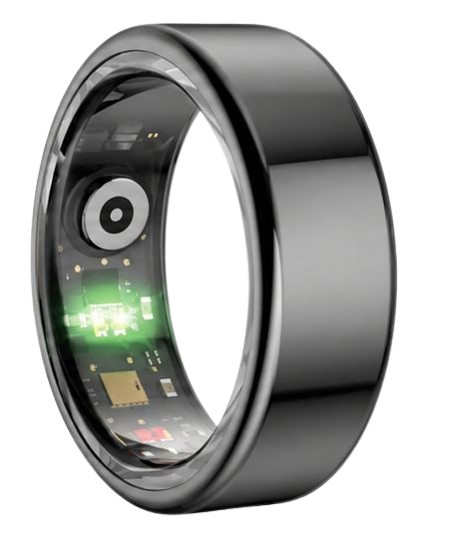
Understanding how snacks affect your metabolic health is the first step to lasting vitality. With the Herz P1 Smart Ring, tracking your body’s signals is simple and subscription-free. Ready to monitor your health daily? Explore the Herz P1. Call: **1-866-479-1629** — our team can help you find your size.
