

Managing your blood sugar can feel like a constant guessing game, but tracking dietary data alongside the Herz P1 smart ring can change everything. If you are wondering how fresh fruit impacts your metabolism, evaluating the pear glycemic index is an excellent starting point. Clinical studies show that fiber-rich pears keep glucose levels remarkably stable. This guide will explore how pears impact your blood sugar and how smart technology tracks your unique metabolic response.
Built to Last. Save Up to 69% Today.
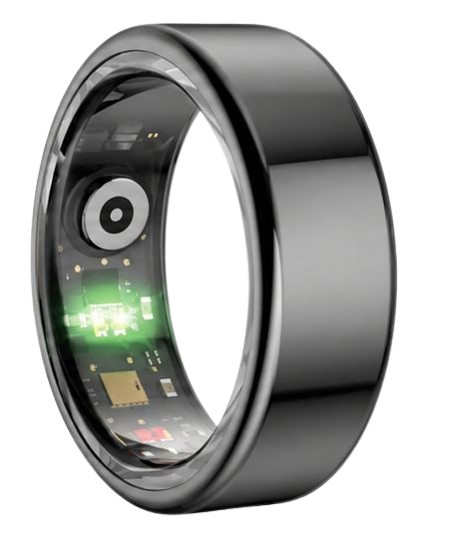
The Herz P1 Smart Ring tracks HRV, Sleep, Heart Rate & SpO2 around the clock. No subscriptions. No renewals. Ever.
In This Article
- The exact numbers behind the pear glycemic index and glycemic load.
- How fibers like pectin help prevent dramatic blood sugar spikes.
- The link between blood sugar stability and advanced cardiovascular health metrics.
- A structured plan for integrating low-sugar fruits into a diabetic lifestyle.
- Practical steps to use the Herz P1 Smart Ring for lifestyle metric optimization.
Does Eating Pears Spike Your Blood Sugar? The Ultimate Guide to the Pear Glycemic Index

Understanding the exact numbers is critical when managing diabetes or insulin resistance.
The pear glycemic index is officially classified as low, sitting at a comfortable 38.
The glycemic load of a medium-sized fresh pear is exceptionally low as well, hovering around 4.
This means that eating a fresh pear has a very gentle, slow impact on your bloodstream’s glucose levels.
People who are managing prediabetes, type 1 diabetes, or type 2 diabetes should pay close attention to these metrics.
Furthermore, anyone who is dedicated to optimizing their overall what is metabolic health can utilize these low-glycemic foods to sustain energy.
Even busy office workers who suffer from energy crashes will find low-glycemic fruits incredibly helpful.
The best time to consume a fresh pear is during the active hours of your day.
Eating a pear as a midday snack helps stabilize energy levels and prevents afternoon brain fog.
You can also consume a pear about thirty minutes before a workout for a slow, sustained release of carbohydrates.
Avoid eating large quantities of fruit right before bed, as your insulin sensitivity naturally declines during sleep.
Pears fit perfectly into a structured meal plan when paired with healthy fats or proteins.
You can easily slice a raw pear and enjoy it at your office desk, at home, or on the go.
They serve as a fantastic replacement for processed, high-sugar snacks that trigger massive glucose spikes.
Pears maintain a low glycemic ranking because they are packed with dietary fiber, particularly pectin.
Pectin is a soluble fiber that slows down the digestive tract and delays gastric emptying.
The primary sugar found in fresh pears is fructose, which metabolizes much slower in the liver than glucose.
This physiological pathway is the reason why pears do not cause rapid insulin surges.
The slow absorption of carbohydrates prevents the pancreas from being forced to secrete excessive insulin.
Keeping your insulin response stable helps protect your cells from developing chronic insulin resistance.
It also protects you from the uncomfortable symptoms of hypoglycemia that often follow a high-sugar meal.
Nutritionists recommend limiting fruit intake to one medium-sized pear per serving.
A single medium pear contains roughly 15 grams of net carbohydrates alongside 6 grams of life-giving fiber.
Consuming multiple large pears in one sitting can still elevate your overall glycemic load.
Portion control is the ultimate key to maintaining steady, healthy metabolic levels.
If you want to track how your unique body responds to dietary changes in real time, the Herz P1 Smart Ring monitors key physiological markers around the clock.
You can explore it here to see how lifestyle choices influence your heart rate variability and daily recovery scores.
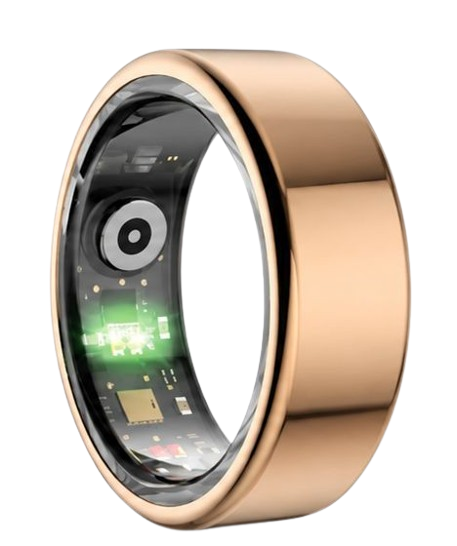
90-Day 100% Money-Back Guarantee
“The Herz Smart Ring helps me manage stress easily. It’s accurate, stylish, and lightweight—perfect for my busy life!”
— Jennifer P. | ✔ Verified Customer
- ✓ 6-Day Battery Life
- ✓ Detailed Sleep Analysis
- ✓ Fast 1-Hour Charging
- ✓ iOS & Android Ready
Questions? Call: 1-866-479-1629
Do Pears Spike Blood Sugar? Understanding Fiber and Fructose Science

Many health-conscious consumers ask themselves, do pears spike blood sugar when they are consumed during a fast?
The physical structure of the fruit plays a massive role in answering this question.
The skin of the pear contains the highest concentration of insoluble fiber.
This insoluble fiber acts as a natural physical barrier in your small intestine.
It slows down the enzymatic breakdown of the fruit’s natural carbohydrates.
This biological mechanism is why the pear glucose index is so incredibly stable.
Furthermore, pectin forms a sticky, viscous gel that binds to cholesterol and sugars in the gut.
This binding process ensures that glucose enters your bloodstream in a slow, steady trickle.
Therefore, the direct answer to does pears raise blood sugar is that they raise it, but they never cause a dangerous, steep spike.
This slow entry of sugars allows your muscles and liver to use the energy efficiently.
This makes pears vastly superior to refined carbohydrates, which immediately flood your system with glucose.
If you are planning your dietary strategy, you might also wonder how other fruits stack up.
You can check if are plums high in sugar to widen your snack variety.
Similarly, you might want to find out if is papaya high in sugar to keep your nutrition plans diverse and exciting.
Every whole fruit has its own unique fiber and sugar matrix that dictates its glycemic impact.
By studying these scientific profiles, you can build a highly customized diet that works for your unique metabolism.
Pairing these low-glycemic foods with continuous biometric tracking offers a complete picture of your daily health.
How Your Glycemic Response Impacts HRV, Stress, and Metabolic Fitness

Your daily diet directly dictates your autonomic nervous system’s balance.
When you consume foods that cause rapid blood sugar surges, your body enters a state of mild physiological panic.
The sudden rise in glucose triggers a survival response, releasing stress hormones like cortisol and adrenaline.
This hormonal surge temporarily suppresses your parasympathetic nervous system, causing your heart rate variability (HRV) to decline.
A drop in HRV is a classic signal that your body is working under elevated cardiovascular and systemic strain.
According to research from the American Heart Association, keeping blood sugar stable is a foundational pillar of long-term cardiac health.
By consuming low-glycemic foods like fresh pears, you keep your nervous system calm and balanced.
This stability directly translates into higher, healthier heart rate variability scores.
Additionally, the National Sleep Foundation has noted that daytime glucose crashes are highly disruptive to overnight sleep quality.
If your blood sugar drops too low while you sleep, your brain triggers a stress response to wake you up.
This causes micro-arousals that disrupt your critical REM and deep sleep cycles, leaving you exhausted in the morning.
Understanding these biological feedback loops is the key to mastering your overall metabolic fitness.
The Herz P1 Smart Ring offers the perfect solution to track these exact physiological relationships.
It continuously monitors your heart rate, HRV, and sleep stages with high-precision optical sensors.
By wearing this lightweight ring, you can visually observe how a stable diet improves your sleep and lowers your physiological stress.
Best of all, the Herz P1 requires no monthly subscription fees, ensuring you have lifetime access to your vital health data.
The Diabetes-Friendly Fruit Guide: Practical Tips and Smart Pairings
Eating healthy does not mean you have to completely eliminate delicious fruits from your diet.
The secret lies in combining your fruits with specific macronutrients to protect your metabolism.
When you eat a fresh pear, try pairing it with a small handful of raw walnuts, almonds, or pumpkin seeds.
The healthy fats, plant-based proteins, and extra fibers in nuts work synergistically to slow down digestion even further.
This combination ensures that your insulin levels remain incredibly flat and stable throughout the afternoon.
You can also slice a pear and mix it into some unsweetened Greek yogurt with a dash of organic cinnamon.
Cinnamon has been shown in clinical trials to help improve cell-level insulin sensitivity over time.
This delicious combination is highly satisfying and serves as an excellent dessert alternative.
If you enjoy adding variety to your diet, you should always research alternative fruit profiles.
For example, you should find out if is cantaloupe good for a diabetic when planning summer menus.
You can also ask if is honeydew good for diabetics to keep your breakfast choices diverse.
No matter what fruit you choose, always prioritize whole, fresh fruits over processed or canned versions.
Canned fruits are often swimming in sugary syrups that destroy the fruit’s natural health benefits.
Furthermore, avoid drying your fruits, as dehydration concentrates the sugars and rapidly raises the glycemic index.
The Herz P1 Smart Ring makes it incredibly simple to monitor your body’s overall wellness 24 hours a day.
Because it is crafted from military-grade steel and is completely waterproof, you can wear it during meal prep, workouts, and swimming.
The continuous data stream helps you easily identify the exact lifestyle and dietary habits that maximize your daily energy.
Common Pitfalls: Juicing, Bulky Smartwatches, and Hidden Costs
One of the biggest mistakes people make when incorporating fruit into their diet is juicing.
Juicing extracts the liquid but discards the highly beneficial fiber matrix entirely.
Without fiber, the glycemic index pear ratio increases dramatically, triggering rapid glucose surges.
Drinking a glass of pear juice is metabolic poison compared to eating a whole, fresh pear.
Always chew your fruit slowly to allow your digestive enzymes to work as nature intended.
Another major lifestyle pitfall is relying on heavy, bulky smartwatches to monitor your vital health metrics.
Bulky devices are highly uncomfortable to wear to bed, which is when critical recovery data is gathered.
Many people end up taking them off, leading to fragmented, useless sleep data.
Furthermore, standard smartwatches must be charged daily, causing frequent data gaps during your busiest hours.
Many popular wearable brands also lock your personal biological data behind expensive monthly app subscriptions.
This means you must pay a recurring fee simply to view the sleep and stress metrics you already paid for.
The Herz P1 Smart Ring completely eliminates all of these frustrating issues.
The Herz P1 companion app is 100% free for life, with absolutely zero hidden fees or renewals.
Its ultra-lightweight, sleek design ensures maximum comfort during deep sleep, workouts, and meetings.
The highly efficient battery keeps the ring running for 6 days on a single, rapid 1-hour charge.
By choosing the Herz P1, you save hundreds of dollars while enjoying continuous, reliable biometric monitoring.
Comparing Diabetic-Friendly Fruits: Nutritional Comparison
To help you make the best dietary decisions, we have compiled a quick reference guide.
The following table compares fresh pears with other common fruits based on glycemic index, load, and fiber content.
| Fruit Name (1 Medium Serving) | Glycemic Index (GI) Value | Glycemic Load (GL) | Average Dietary Fiber (g) |
|---|---|---|---|
| Fresh Pear (with Skin) | 38 (Low) | 4 (Very Low) | 6.0g |
| Fresh Apple | 39 (Low) | 5 (Low) | 4.4g |
| Ripe Banana | 51 (Medium) | 11 (Medium) | 3.1g |
| Watermelon | 72 (High) | 5 (Low) | 0.4g |
| Orange | 40 (Low) | 4 (Very Low) | 3.1g |
This structured data highlights why fresh pears are one of the most powerful foods for maintaining a healthy metabolic baseline.
The combination of a low glycemic score and high fiber content is incredibly rare and highly beneficial.
Frequently Asked Questions About the Pear Glycemic Index
Is the Herz P1 Smart Ring waterproof?
Yes, the Herz P1 features a certified IP68 waterproof rating.
It is fully protected during hand washing, heavy rain, showering, and swimming in depths up to 164 feet.
You can continuously monitor your health metrics in the water without worrying about damaging the delicate internal sensors.
How long does the Herz P1 battery last on a single charge?
The highly efficient battery keeps the ring tracking your metrics for 6 full days under normal conditions.
When the battery is low, it takes under 1 hour to reach a full 100% charge using the included charging base.
This long battery life ensures you never miss a single minute of vital sleep architecture or heart rate data.
Which finger is best to wear the smart ring on?
We recommend wearing the Herz P1 on your index, middle, or ring finger for the most accurate sensor readings.
Ensure the ring fits snugly against the base of your finger without feeling uncomfortably tight.
The optical sensors should rest on the palm side of your finger to maintain continuous contact with your blood vessels.
Does the ring store biometric data offline when disconnected from Bluetooth?
Yes, the Herz P1 features 7 days of built-in, local offline data storage.
If you leave your phone behind during a workout or a trip, the ring will continue to record your metrics perfectly.
Once you open the companion app near your phone, all recorded data will automatically sync and update your dashboard.
Does the glycemic index of a pear change as it ripens on the counter?
Yes, the glycemic index of a pear will rise slightly as the fruit ripens and softens.
This happens because the natural starches in the pear gradually convert into simple sugars like glucose and fructose.
To keep the glycemic impact as low as possible, consume your pears when they are firm and just barely ripe.
Conclusion: Empower Your Journey with Data and Smart Nutrition
The low pear glycemic index makes this fruit an excellent diabetes-friendly choice.
Monitoring your metabolism with a subscription-free tracker lets you master your wellness.
Ready to track your health every day?
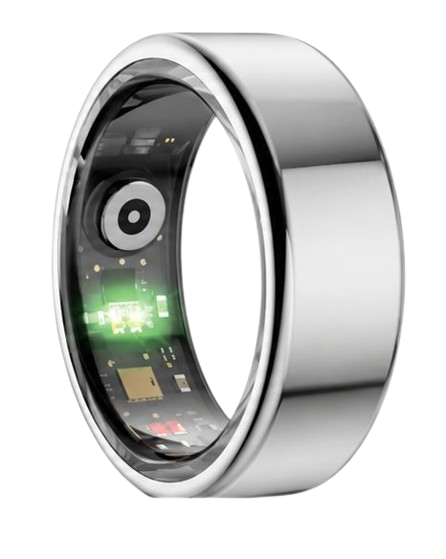
Explore the Herz P1 Smart Ring to see how it fits your lifestyle.
Call: 1-866-479-1629 — our team can advise on sizing and help set health goals.
