

If you regularly wake up feeling exhausted despite spending eight hours in bed, tracking your biometric trends may reveal a consistently low hrv while sleeping as the hidden culprit. Understanding heart rate variability is the first step toward reclaiming your energy, which is why the Herz P1 smart ring actively decodes your autonomic nervous system signals overnight. This comprehensive guide will analyze what causes low hrv during sleep and provide actionable methods to restore your body’s vital capacity.
Built to Last. Save Up to 69% Today.
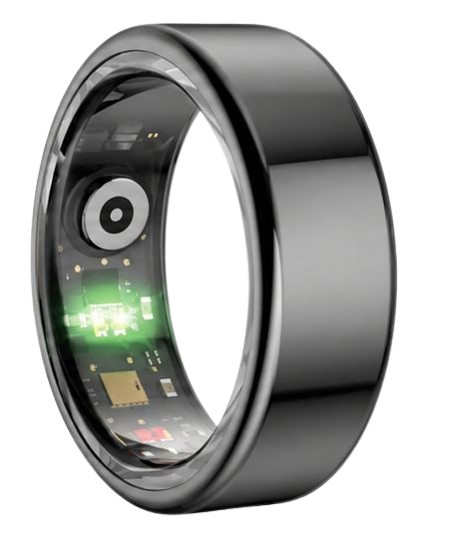
The Herz P1 Smart Ring tracks HRV, Sleep, Heart Rate & SpO2 around the clock. No subscriptions. No renewals. Ever.
In This Article
- Understanding Sleep HRV: Clear definitions and how your autonomic nervous system behaves during sleep.
- Primary Causes: Identifying the exact factors that trigger a low hrv while sleeping score.
- Actionable Solutions: Scientific strategies and sleep environment optimization to improve your recovery.
- The Wearable Advantage: How tracking with the subscription-free Herz P1 Smart Ring unlocks deep biological insights.
What Causes Low HRV While Sleeping? Here is What the Science Says
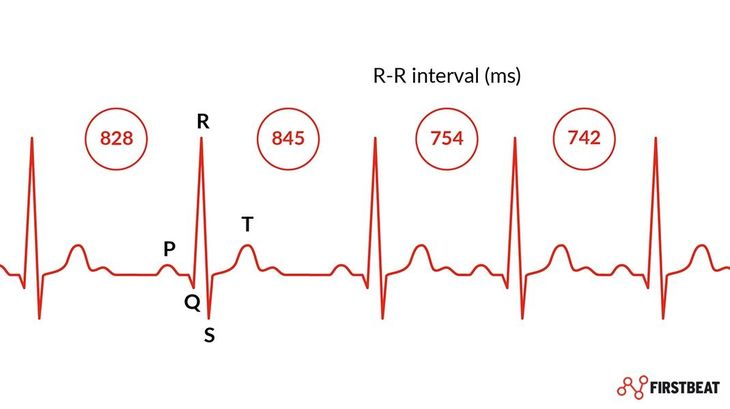
Heart rate variability represents the variation in time intervals between consecutive heartbeats measured in milliseconds.
A high HRV suggests your nervous system is highly adaptable and ready to respond to environmental challenges.
Conversely, experiencing a low hrv while sleeping indicates that your autonomic nervous system is locked in a state of sympathetic fight-or-flight dominance.
This physiological state prevents your body from entering deep, restorative states of overnight recovery.
Understanding what causes low hrv during sleep requires examining both your lifestyle habits and your internal biological rhythms.
This phenomenon affects busy professionals, athletes, and anyone subjected to chronic psychological stress.
When you encounter a stressful stimulus, your sympathetic nervous system overrides your calming parasympathetic path.
This shift typically occurs during critical slow-wave sleep cycles, severely interrupting tissues from performing vital cellular repair.
Inside the human body, this balance is negotiated directly at the sinoatrial node of the heart.
The vagus nerve serves as the primary superhighway for sending restorative, decelerating signals down to your cardiovascular system.
If you suffer from high chronic stress, the vagus nerve fails to release adequate acetylcholine to slow down the rhythm.
Quantitatively, healthy adult sleep HRV values usually range between 20 to 80 milliseconds, depending heavily on your age and genetics.
A sudden drop of 10 milliseconds or more below your rolling baseline represents a critical warning sign from your cardiovascular system.
Tracking these fluctuations over time is essential for recognizing when your body is starting to break down.
If you want to track this in real time, the Herz P1 Smart Ring monitors heart rate metrics 24/7 — explore it here.
In addition to mental stress, physiological variables such as alcohol intake, late-night meals, and poor hydration can suppress your HRV metrics.
When your liver is actively processing toxins or your stomach is digesting heavy proteins, blood flow is diverted away from recovery systems.
This elevated internal workload forces your resting heart rate to remain high and keeps your HRV depressed for several hours.
Environmental factors like bedroom temperature, light exposure, and ambient noise also trigger micro-arousals during the night.
These disruptions prevent you from sustaining deep slow-wave sleep and keep your sympathetic drive over-stimulated.
90-Day 100% Money-Back Guarantee
“The Herz Smart Ring helps me manage stress easily. It’s accurate, stylish, and lightweight—perfect for my busy life!”
— Jennifer P. | ✔ Verified Customer
- ✓ 6-Day Battery Life
- ✓ Detailed Sleep Analysis
- ✓ Fast 1-Hour Charging
- ✓ iOS & Android Ready
Questions? Call: 1-866-479-1629
What Your HRV Score Actually Tells You — And How to Improve It
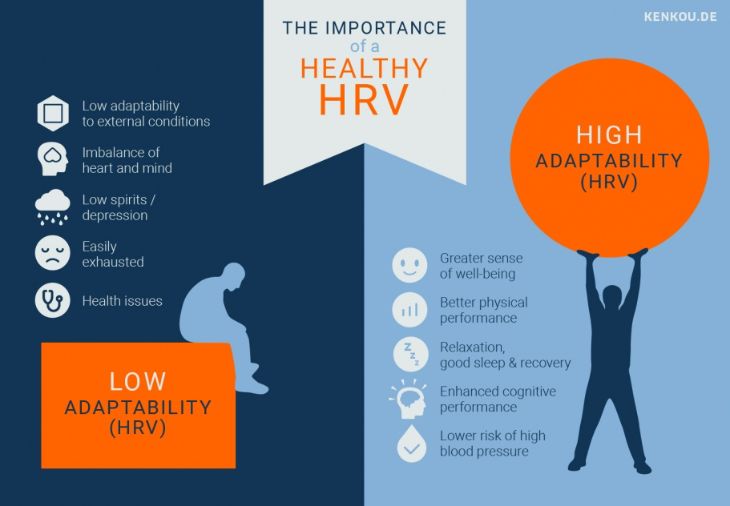
Your nightly HRV score serves as a direct mirror of your absolute systemic recovery capacity.
A balanced baseline score indicates that your cardiovascular system is functioning with high elasticity and resilience.
When you see a drop, it shows that your physical reserves are currently depleted.
This dynamic metric is highly responsive to immediate lifestyle choices, dietary changes, and environmental conditions.
For example, eating a heavy meal close to bedtime forces blood flow to redirect toward your digestive tract.
This elevates your resting heart rate and suppresses your natural heart rate variability.
Alcohol consumption is another powerful inhibitor, frequently dropping overnight HRV scores by up to forty percent.
Learning how to improve hrv requires a structured approach to regulating your circadian biology.
Consistent sleep schedules reinforce your internal biological clock and optimize your hormonal release patterns.
This stability directly supports your autonomic nervous system in transitioning to a peaceful, parasympathetic state.
Engaging in quiet breathwork exercises before bed can also trigger immediate cardiovascular relaxation.
By slowing your breathing rate down to six breaths per minute, you actively stimulate your parasympathetic pathways.
Our research at Team Herz P1 demonstrates that even five minutes of evening breathwork yields measurable morning biometric improvements.
Understanding how to improve heart rate variability requires this type of persistent, small daily effort.
Limiting exposure to high-intensity blue light from digital screens after sunset also supports your recovery architecture.
Blue light suppresses natural melatonin synthesis, which elevates your core temperature and keeps your resting heart rate elevated.
Instead, try reading a physical book or listening to calming music to prepare your body for deep recovery cycles.
Gradually, your nervous system will adapt, and you will notice your morning metrics begin to climb into optimal ranges.
The Science of Sleep Architecture and Autonomic Regulation
Sleep is not a uniform state of unconsciousness but a highly orchestrated sequence of sleep stages.
These stages include light sleep, deep slow-wave sleep, and rapid eye movement sleep.
Your autonomic nervous system undergoes dramatic shifts as you transition through these distinct sleep states.
During deep sleep, your parasympathetic nervous system reaches its peak activity level.
This is when your heart rate drops to its lowest and your heart rate variability reaches its peak.
The close relationship between the vagus nerve and hrv is highly evident during this restorative phase.
If you fail to get enough deep sleep, your body misses out on vital physical repair processes.
Conversely, REM sleep is characterized by vivid dreaming and highly erratic autonomic activity.
During REM, your sympathetic nervous system is frequently active, causing temporary drops in your low hrv during sleep averages.
This is a natural biological occurrence and should not cause you undue concern.
However, if your HRV remains chronically depressed throughout the entire night, it points to a deeper systemic issue.
Furthermore, blood oxygen saturation levels must remain stable between ninety-five to one hundred percent during these cycles.
A drop in oxygen levels forces the heart to pump faster, which immediately reduces your heart rate variability.
Continuous monitoring of both SpO2 and HRV provides a comprehensive overview of your respiratory and cardiovascular health.
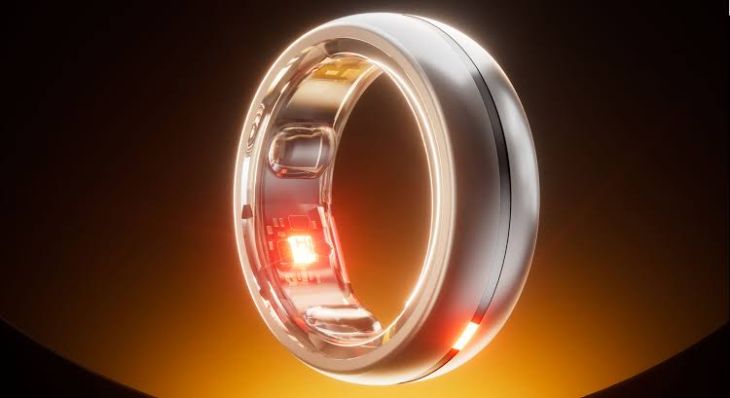
By using multispectral optical sensors, the Herz P1 tracks these intricate biological changes without disrupting your sleep.
These dual-wavelength sensors penetrate deep into the cutaneous blood vessels of your finger to collect highly accurate metrics.
This specialized monitoring reveals whether your airway is remaining fully open and clear throughout your sleep cycle.
If minor hypoxic events occur, the ring captures the immediate physiological stress response on your nervous system.
Practical Application Guide: Optimizing Recovery with Your Herz P1
Using a smart ring allows you to access continuous physiological data without wearing a bulky wristwatch.
To begin, open your companion application each morning to review your daily readiness score.
This score combines sleep duration, sleep staging, resting heart rate, and overnight HRV into a single easy-to-understand metric.
If your readiness score is low, it suggests your body is still processing physiological stress from the previous day.
On these low recovery days, you should consider reducing the intensity of your planned physical training.
Instead of a high-intensity workout, opt for a light recovery walk or a gentle yoga session.
This proactive adjustment protects your cardiovascular system from excessive wear and tear.
Conversely, a high readiness score indicates that your nervous system is fully primed for high performance.
This is the ideal time to push your physical limits during a challenging training session.
Furthermore, you should track your physiological trends over a rolling seven-day period.
A single bad night of sleep is normal and usually nothing to worry about.
However, a sustained downward trend in your low heart rate variability during sleep requires a careful evaluation of your lifestyle.
The lightweight military-grade design of the Herz P1 ensures you can collect this valuable data completely friction-free.
Unlike heavy smartwatches, the ring remains comfortable and secure on your finger all night long.
The seamless outer shell of the ring is crafted from ultra-durable materials that resist scratching and wear.
You can wear it comfortably during heavy workouts, outdoor hikes, and daily household activities.
The continuous data sync provides real-time adjustments to your lifestyle recommendations as your metrics improve.
Overcoming Smart Ring Tracking Mistakes & Sleep Interference
Many individuals make the mistake of wearing a bulky, heavy smartwatch to monitor their sleep biometrics.
The sheer physical size of a smartwatch can frequently disrupt your natural sleep movements.
Additionally, tight wristbands can compress blood vessels and cause inaccurate sensor readings.
A smart ring solves this problem by tracking your biometrics directly from the highly vascular finger base.
However, you must ensure you are wearing the correct ring size to maintain a secure and stable fit.
A ring that is too loose will rotate during the night, leading to missing data points on your dashboard.
Another common mistake is neglecting to monitor your baseline biometrics when you feel unwell.
Your body’s immune response will often cause an elevated resting heart rate when sick before you feel any symptoms.
This cardiovascular change is accompanied by a severe drop in your overnight heart rate variability.
By checking your smart ring dashboard daily, you can catch these subtle immunological warning signs early.
Furthermore, you should avoid the trap of paying expensive monthly subscription fees to access your health data.
Many popular wearable brands lock your detailed recovery metrics behind a restrictive digital paywall.
At Herz P1, we believe that you should have full ownership of your personal physiological data.
Our companion application is completely free for a lifetime, with absolutely no subscription fees required.
This means you can access your deep sleep trends, HRV data, and stress metrics without any recurring costs.
The absence of ongoing fees makes the ring an exceptionally smart investment for long-term health monitoring.
Additionally, the automatic firmware updates ensure that your device always runs on the latest sensor algorithms.
Detailed Comparison of Premium Smart Rings
Choosing the right biometric wearable requires looking closely at both technological features and ongoing ownership costs.
The table below outlines how the Herz P1 compares directly with other popular options in the current consumer market.
| Feature & Specification | Herz P1 Smart Ring | Competitor Smartwatch | Competitor Smart Ring |
|---|---|---|---|
| Monthly Subscription Fee | $0 (Free App Forever) | $0 (Varies by brand) | $5.99 to $9.99 per month |
| Battery Life Rating | 6 Days of continuous use | 1 to 2 Days (Requires daily charging) | 4 to 7 Days |
| Waterproof Rating | IP68 (Up to 164 feet) | IP67 or none | IP68 or equivalent |
| Overnight Sensor Accuracy | High (Finger-based PPG) | Moderate (Wrist-based motion) | High (Finger-based PPG) |
| Chassis Build Material | Military-Grade Steel Shell | Aluminum or hardened plastic | Titanium alloy or plastic |
As shown above, the Herz P1 delivers premium tracking features without burdening you with high recurring costs.
By eliminating the monthly subscription, you can focus fully on improving your health and recovery metrics.
Frequently Asked Questions About Nightly HRV
Is the Herz P1 smart ring waterproof enough for swimming?
Yes, the Herz P1 features an advanced IP68 waterproof rating.
This standard certifies that the device is completely protected against continuous immersion in water up to 164 feet.
You can wear it while swimming, showering, or washing your hands without worrying about water damage.
How long does the Herz P1 battery last on a single charge?
The battery provides up to six days of continuous health tracking under standard daily usage conditions.
When the battery runs low, you can fully recharge it in under one hour using the included charger.
This rapid charging capability ensures that you rarely miss a single night of critical biometric data.
Which finger is the best to wear my smart ring on for accurate tracking?
For the highest sensor accuracy, we recommend wearing the ring on your index, middle, or ring finger.
These fingers have larger blood vessels, which provides a stronger optical signal for the PPG sensors.
Make sure the sensor bumps on the inside of the ring are positioned flat against the palm side of your finger.
Does the Herz P1 smart ring store my health data offline?
Yes, the ring features convenient onboard memory that can store up to seven days of biometric data offline.
You do not need to keep your smartphone nearby or connected via Bluetooth throughout the night.
Once you open the app, all your stored physiological data will sync automatically to your dashboard.
Why is my smart ring HRV value different from my smartwatch readings?
Sensors located on your finger read arterial pulse waves much closer to the skin surface than wrist sensors.
This fundamental anatomical difference makes finger-based PPG measurements significantly more accurate than wrist devices.
Wrist movements also introduce noise that can distort the delicate millisecond intervals needed to calculate HRV.
Conclusion: Invest in Your Long-Term Recovery
Optimizing your sleep recovery requires clear, actionable, and continuous biometric data.
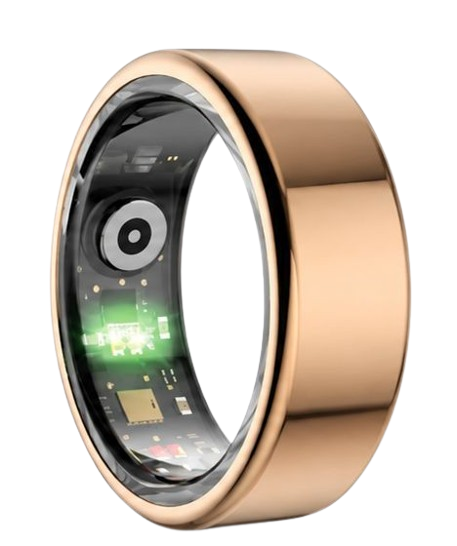
The Herz P1 Smart Ring acts as your personal health advisor, monitoring critical signals like HRV and sleep stages around the clock.
Ready to monitor your health every day? Explore the Herz P1 Smart Ring and see if it fits your lifestyle. Call: 1-866-479-1629 — our team can help you advise on the correct ring size and set personalized health goals.
Note: Individual results may vary depending on individual health conditions, age, and lifestyle habits. This article is intended for general health reference purposes only.
