

Struggling with mid-day fatigue or disrupted sleep usually signals a deeper misalignment in your body’s natural clock, making it vital to understand how your circadian sleep wake cycle dictates daily energy levels, hormonal balance, and cognitive performance. By leveraging advanced biometric tracking from the Herz P1 Smart Ring, you can uncover personalized wellness data to restore metabolic vitality and optimize your nighttime recovery without subscription fees.
Built to Last. Save Up to 69% Today.
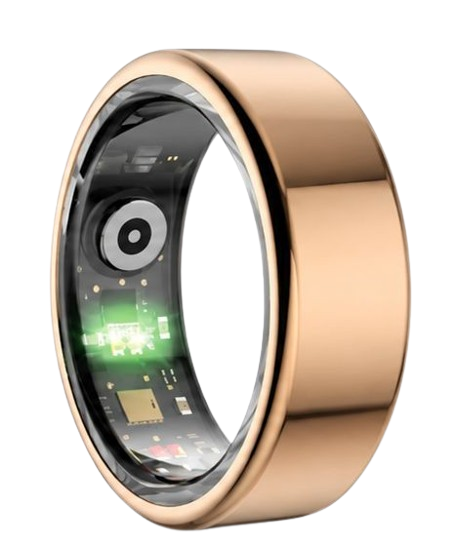
The Herz P1 Smart Ring tracks HRV, Sleep, Heart Rate & SpO2 around the clock. No subscriptions. No renewals. Ever.
In This Article
- Step-by-Step Optimization: How to programmatically align your master clock using real-world lifestyle design adjustments.
- Endocrine Synchronicity: The biological feedback loops linking adenosine, cortisol, and melatonin to your sleep schedule.
- Advanced Wearable Metrics: Utilizing finger-based optical sensors to monitor and interpret sleep trends.
- Tactical Habit Refinement: Overcoming tracking errors and physical device fatigue to sustain continuous progress.
How to Align Your Biological Clock: A Practical Step-by-Step Guide

To master your internal schedule, you must treat your biological pathways as a system that responds directly to environmental inputs.
By coordinating light, food, and movement, you signal to your brain exactly when to initiate activity and when to begin restorative rest.
What You’ll Need
To implement this guide, you will need a basic routine to track daytime outdoor light exposure, a consistent morning wake window, a method to limit evening artificial lighting, and a reliable, low-profile wearable biometric device to track physiological trends such as skin temperature variations and resting heart rate.
-
Step 1: Secure Direct Sunlight Within 30 Minutes of Waking
Natural morning light acts as the primary external cue that resets your master internal biological clock every day.
Step outside for at least 10 to 15 minutes immediately after getting out of bed, ensuring you do not look through window glass which filters out essential light wavelengths.
This exposure suppresses daytime melatonin production and triggers a healthy rise in morning cortisol, stimulating alertness and setting up your evening sleep onset timer.
If you wake up before sunrise, utilize a 10,000-lux light therapy box as a direct substitute to initiate the exact same biological feedback loop.
-
Step 2: Establish a Fixed Wake-Up Window
A fluctuating wake-up time confuses your neurological systems, causing symptoms similar to permanent jet lag.
Choose a target wake time that matches your work constraints and maintain it within a strict 30-minute window, even on weekends.
Consistently waking at the same hour stabilizes your sleep architecture and helps normalize your evening sleep latency.
By enforcing this daily boundary, your brain will naturally learn to complete its final REM sleep cycle right before your alarm rings.
-
Step 3: Eliminate High-Energy Blue Light in the Evening
Artificial blue wavelengths emitted by smartphones, tablets, and overhead LED lights trick your brain into believing it is still daytime.
Turn off or dim bright overhead fixtures at least two hours before your planned bedtime, shifting instead to warm, indirect accent lights.
Enable night mode on all screens, or wear red-tinted blue-blocking glasses to protect your body’s natural melatonin production.
This simple environmental change prevents the typical sleep onset delay caused by late-night screen scrolling.
-
Step 4: Synchronize Your Daily Food and Activity Windows
Your digestive system and muscular tissues contain peripheral biological clocks that coordinate directly with your central brain clock.
Avoid eating any heavy meals within three hours of bedtime, as late-night digestion raises your core body temperature and disrupts your sleep cycles.
Schedule high-intensity cardiovascular workouts for the morning or afternoon, keeping evening activities limited to gentle stretching or walking.
This timing keeps your digestive and metabolic pathways synchronized with your brain’s natural evening wind-down sequence.
-
Step 5: Review Biometric Trends to Make Weekly Adjustments
You cannot optimize what you do not measure, making raw data collection essential to refining your personal sleep hygiene habits.
Check your nightly metrics to see how changes in light exposure or meal times directly affect your deep sleep duration and heart rate variability.
Look for positive signs, such as a steady decrease in your sleep latency and a more consistent decline in your overnight resting heart rate.
Adjust your bedtime gradually by 15-minute increments based on these weekly trends until you find your optimal schedule.
Sustaining Your Progress with Advanced Tracking
To successfully navigate this lifestyle protocol, having a continuous feedback loop is incredibly helpful.
The Herz P1 Smart Ring works as a dedicated tracker, logging your body’s physiological signals around the clock without any distracting screens.
By visiting the circadian-sleep-wake-cycle-guide, you can find helpful instructions on using these automated tracking features to easily adjust your daily schedule.
90-Day 100% Money-Back Guarantee
“The Herz Smart Ring helps me manage stress easily. It’s accurate, stylish, and lightweight—perfect for my busy life!”
— Jennifer P. | ✔ Verified Customer
- ✓ 6-Day Battery Life
- ✓ Detailed Sleep Analysis
- ✓ Fast 1-Hour Charging
- ✓ iOS & Android Ready
Questions? Call: 1-866-479-1629
The Neurobiology of Your Circadian Rhythm Sleep Schedule
Your internal pacing is governed by a group of nerve cells in the brain’s hypothalamus called the suprachiasmatic nucleus (SCN).
The SCN functions as a master pacemaker, controlling complex biological processes like core temperature adjustments, hormone release, and immune responses.
When functioning correctly, this master clock signals your body to secrete cortisol in the morning to boost blood pressure and physical coordination.
As darkness falls, the SCN signals the pineal gland to release melatonin, preparing your brain for deep neurological recovery.
Understanding these brain-wide rhythms helps explain why ignoring your body’s natural timing can leave you feeling chronically exhausted.
Many people struggle with unexplained fatigue and ask themselves, why do i wake up tired, despite spending eight full hours in bed.
This persistent grogginess is often a sign of circadian rhythm disruption, where your sleep schedule does not line up with your internal hormone releases.
This conflict can cause frequent micro-arousals during the night, reducing your deep, restorative sleep stages without you realizing it.
Additionally, a misaligned body clock can cause you to wake up suddenly in the middle of the night, prompting many to ask, why do i wake up at 3am, with a racing mind.
Waking up during these hours often happens because a dysregulated SCN causes cortisol to spike too early, disrupting your deep sleep stages.
According to research from the National Sleep Foundation, maintaining a consistent biological rhythm is crucial for protecting deep, slow-wave sleep stages.
This deep sleep is essential for physical repair, waste clearance in the brain, and strong immune system function.
How to Read and Interpret Overnight Sleep Graphs
Modern smart rings utilize high-precision photoplethysmography (PPG) sensors to capture detailed biometric data directly from the blood vessels in your finger.
By measuring changes in light absorption, the Herz P1 Smart Ring tracks your pulse rate, blood oxygen levels (SpO2), and skin temperature shifts around the clock.
Analyzing these subtle variations allows you to see how well your lifestyle alignment efforts are working.
A key indicator of restorative sleep is your average awake time during sleep, which reflects how solid your sleep is.
Frequent, brief awakenings—even those you don’t remember—usually indicate that environmental stressors or poor sleep habits are interrupting your natural sleep stages.
By using the Herz P1 companion app, you can easily access and learn how to read sleep graphs to turn raw biometric data into actionable daily habits.
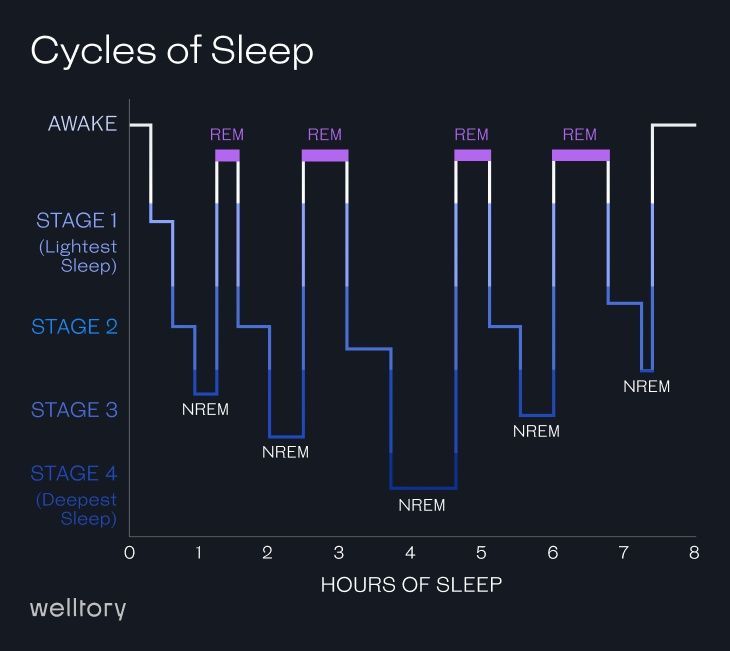
These detailed visualizations display your progression through light, deep, and REM sleep, helping you identify what is helping or hurting your recovery.
Another critical metric to watch on your dashboard is Heart Rate Variability (HRV).
Your HRV values reflect the balance of your autonomic nervous system, showing how well your body is managing daily stress.
A high sleep-state HRV indicates that your parasympathetic system is actively supporting cardiovascular recovery.
By tracking your skin temperature changes alongside your HRV trends, you can spot early warning signs of stress or overtraining.
The American Heart Association notes that tracking long-term trends in resting heart rate and HRV can provide valuable insights into cardiovascular fitness and recovery.
This detailed level of biological analysis is exactly why the Herz P1 relies on high-resolution finger-based sensors.
Optimizing Biorhythms and Sleep with the Herz P1 App
Consistently managing your health metrics is the key to achieving real, long-term improvement in your daily wellness.
The Herz P1 app consolidates your HRV, sleep cycles, skin temperature, and daily movement into a single, easy-to-understand recovery score.
This daily rating shows you how prepared your body is for physical exercise or demanding work challenges.
If your recovery score is low, consider scaling back your workout intensity to avoid overtraining and support your natural circadian cycle.
If your recovery score is high, your endocrine and nervous systems are in an optimal state to handle intensive training or high-focus tasks.
The light, comfortable design of the ring makes it easy to wear 24/7, providing seamless biometric tracking throughout your day.
Unlike heavy watches that can press on your wrist during sleep, the Herz P1 sits naturally on your finger, allowing you to move freely.
This continuous tracking gives you a complete picture of your health, making it much easier to align your circadian sleep wake cycle.
Over time, these steady, small adjustments can help build strong biological resilience, leading to consistent focus and energy every day.
The Smartwatch Mismatch: Bulky Wearables vs. Ring Biometrics
Many people find it uncomfortable to wear bulky, heavy smartwatches to bed, which often leads to inconsistent sleep tracking.
These larger devices can irritate your skin or disrupt your natural sleep, often causing you to take them off in the middle of the night.
Additionally, the short battery life of many smartwatches means they frequently need to be charged overnight, leaving gaps in your weekly health trends.
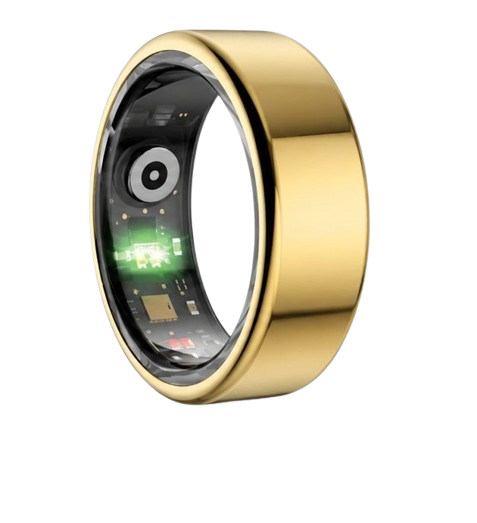
The Herz P1 solves these issues by packing its advanced biometric sensors into a lightweight, military-grade steel band.
With an IP68 waterproof rating, you can wear your ring in the shower, pool, or gym without ever worrying about damaging it.
The device also features an impressive 6-day battery life, charging fully in under an hour to ensure continuous, worry-free tracking.
Crucially, Herz P1 does not charge any monthly app fees, providing full access to all your health metrics and future updates completely free.
This subscription-free approach stands in stark contrast to other brands that require ongoing monthly payments to access your own biometric data.
| Biometric Capability | Herz P1 Smart Ring | Standard Wrist-Based Wearables |
|---|---|---|
| Physical Wearing Comfort | Minimalist, lightweight (under 5 grams), completely distraction-free for sleeping. | Often bulky, heavy, and can irritate skin during hot or restless nights. |
| Biometric Accuracy | High-density capillary bed sensors inside the finger provide excellent signal quality. | Wrist movement artifacts can frequently cause reading errors during high activity. |
| True Cost of Ownership | One-time hardware purchase with zero ongoing monthly subscription fees. | Often requires ongoing monthly app memberships to see your detailed metrics. |
Frequently Asked Questions
Is the Herz P1 Smart Ring waterproof?
Yes, the Herz P1 has a certified IP68 waterproof rating, allowing it to withstand continuous water submersion up to 164 feet (50 meters). You can safely wear it while swimming, showering, washing your hands, or during high-intensity workouts without worrying about water damage.
How long does the battery last on a single charge?
The advanced battery in the Herz P1 delivers up to 6 days of continuous tracking on a single charge. When the battery runs low, the ring charges fully in under an hour using the included magnetic charging dock.
Which finger is best to wear the smart ring on?
For the highest biometric accuracy, we recommend wearing the Herz P1 on your index, middle, or ring finger. Choose the finger that offers a snug but comfortable fit, ensuring the internal sensor bumps stay in direct contact with the palm side of your hand.
Does the Herz P1 store my health data offline?
Yes, the ring has local memory that stores up to 7 days of detailed biometric data offline. Your logged information will sync automatically with the companion app the next time your ring connects to your phone via Bluetooth.
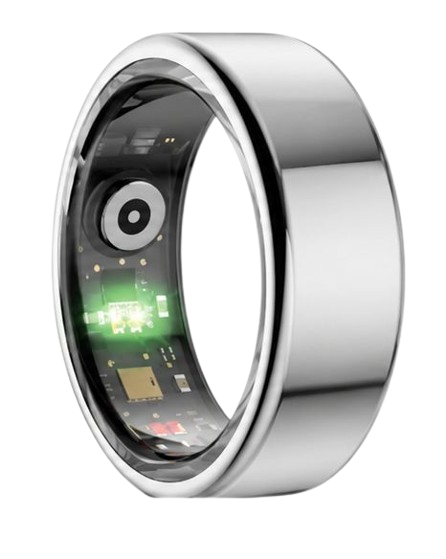
Conclusion: Your Subscription-Free Wellness Journey Starts Here
Reclaiming your sleep and energy starts with understanding your body’s natural biological clock.
By using the Herz P1 Smart Ring to monitor your daily habits, you gain the precise data you need to build a healthy, balanced routine.
Ready to monitor your health every day? Explore the Herz P1 Smart Ring and see if it fits your lifestyle. Call: 1-866-479-1629 — our team can help you advise on the correct ring size and set personalized health goals.
Note: Individual results may vary depending on individual health conditions, age, and lifestyle habits. This article is intended for general health reference purposes only and should not replace professional medical advice.
