

If you are managing blood sugar levels, you might wonder: is-olive-oil-good-for-diabetics? Finding the right dietary fats is essential for optimizing insulin sensitivity and maintaining overall cardiovascular health. The Herz P1 smart ring helps you track your sleep patterns, heart rate variability, and physical activity levels around the clock so you can observe the direct effects of your positive lifestyle changes without worrying about monthly fees.
Built to Last. Save Up to 69% Today.
The Herz P1 Smart Ring tracks HRV, Sleep, Heart Rate & SpO2 around the clock. No subscriptions. No renewals. Ever.

In This Article
- The Glycemic Impact of Olive Oil: Why this healthy fat keeps blood sugar flat.
- The 5W2H Metabolic Framework: Deep-diving into the science of monounsaturated fats.
- Biometrics and Sleep: How dietary choices impact nocturnal heart rate variability.
- Practical Kitchen Applications: Pairing, temperatures, and smart culinary guidelines.
Is Olive Oil Good for Diabetics? Here is What the Science Reveals

Dietary choices form the absolute foundation of successful type 2 diabetes management.
Every macro-nutrient you consume triggers a distinct cascade of metabolic and hormonal events inside your body.
For decades, public health recommendations favored low-fat diets, but modern research has turned this perspective on its head.
If you are seeking clarity on your nutritional choices, this is-olive-oil-good-for-diabetics-guide provides the essential scientific insights you need.
Extra virgin olive oil is highly valued in cardiovascular medicine due to its high concentration of monounsaturated fatty acids.
Let us analyze the relationship between olive oil and diabetes through the analytical lens of the 5W2H framework.
What is this metabolic relationship about?
The relationship centers on how extra virgin olive oil influences blood glucose levels, insulin resistance, and cellular health.
Unlike simple carbohydrates, pure fats do not require insulin to be cleared from the bloodstream.
Olive oil is composed primarily of oleic acid, a monounsaturated fat that helps maintain stable cell membrane fluidity.
It also contains high levels of antioxidant polyphenols, such as oleocanthal and oleuropein, which reduce systemic oxidative stress.
Who does this dietary change affect?
This dietary integration directly impacts individuals diagnosed with type 1 diabetes, type 2 diabetes, or prediabetes.
It is also highly relevant for anyone looking to optimize their overall what is metabolic health.
People with insulin resistance benefit significantly from substituting refined seed oils with cold-pressed olive oil.
It helps minimize glucose fluctuations, making it a valuable tool for anyone working to stabilize their daily energy levels.
When does olive oil consumption matter most?
The timing of fat intake plays a major role in determining your post-meal blood sugar levels.
Consuming olive oil alongside high-carbohydrate foods is particularly effective at slowing down the rate of digestion.
This digestive delay prevents rapid glucose absorption, which directly reduces the height of postprandial glucose spikes.
Furthermore, incorporating olive oil into your evening meal can support metabolic stability overnight, helping to prevent dawn phenomenon spikes.
Where in the body does this process occur?
The metabolic action of olive oil occurs primarily within the stomach, the small intestine, and the liver.
In the stomach, fat stimulates the release of hormones that delay gastric emptying.
In the bloodstream, monounsaturated fats facilitate smoother glucose transport by supporting insulin receptor sensitivity on muscle cells.
Meanwhile, in the liver, oleic acid helps minimize excess fat accumulation, supporting healthy hepatic insulin function.
Why does olive oil protect your blood vessels?
Chronic hyperglycemia damages the delicate lining of your arteries, increasing cardiovascular risks.
Olive oil helps protect against this damage by reinforcing blood vessel walls and lowering systemic inflammation.
Its high antioxidant content neutralizes free radicals, which prevents the oxidation of LDL cholesterol.
This makes olive oil a highly effective food for supporting both glycemic control and cardiovascular longevity.
How does olive oil improve your insulin sensitivity?
Olive oil alters the lipid composition of your cell membranes, allowing insulin receptors to bind with glucose more efficiently.
It also triggers the release of glucagon-like peptide-1, a gut hormone that enhances natural insulin secretion.
This dual mechanism ensures that your body requires less insulin to manage the same volume of carbohydrates.
Over time, this process helps ease the metabolic burden on your pancreas and supports stable blood sugar levels.
How much olive oil should you consume?
Clinical studies suggest that consuming one to two tablespoons of extra virgin olive oil daily provides excellent metabolic benefits.
This amount delivers powerful anti-inflammatory effects without contributing excessive calories to your daily diet.
It is crucial to remember that olive oil is highly calorie-dense, containing roughly one hundred and twenty calories per tablespoon.
To maintain a healthy weight, you should use it to replace less healthy fats rather than simply adding it on top of your existing diet.
If you want to track how these positive lifestyle changes affect your body in real time, the Herz P1 Smart Ring monitors your heart rate variability and recovery metrics 24/7 — explore it here.

90-Day 100% Money-Back Guarantee
“The Herz Smart Ring helps me manage stress easily. It’s accurate, stylish, and lightweight—perfect for my busy life!”
— Jennifer P. | ✔ Verified Customer
- ✓ 6-Day Battery Life
- ✓ Detailed Sleep Analysis
- ✓ Fast 1-Hour Charging
- ✓ iOS & Android Ready
Questions? Call: 1-866-479-1629
How Olive Oil Stabilizes Your Postprandial Glycemic Response

Understanding the glycemic index is highly valuable when selecting diabetic-friendly foods.
The olive oil glycemic index is officially zero, as it contains absolutely no carbohydrates.
This zero rating means that consuming pure olive oil on its own will not cause a rise in your blood sugar.
However, the true value of olive oil lies in its ability to modify the glycemic impact of other foods consumed with it.
Adding olive oil to carbohydrate-rich meals significantly reduces the overall glycemic load of the meal.
This beneficial blunting effect is highly supportive of long-term metabolic fitness.
Additionally, studies highlight several key benefits of olive oil for blood sugar control.
The oil slows down gastric emptying, preventing glucose from entering your bloodstream too rapidly.
This helps avoid the sharp energy crashes that typically follow high-carbohydrate meals.
By stabilizing these glucose curves, olive oil supports consistent cellular energy throughout the day.
This steady glycemic response is also crucial for preventing overnight glucose imbalances.
If you struggle with waking up tired, you might be experiencing undetected overnight-glucose-spikes.
Managing these nocturnal spikes is essential for protecting your blood vessels and waking up refreshed.
Using a continuous biometric tracker allows you to see how your body recovers from different dinner combinations.
By combining smart nutrition with precise recovery data, you can build a highly effective daily wellness routine.
The Science of Heart Rate Variability, Sleep, and Metabolic Fluctuations
Our metabolic processes do not operate in isolation from our nervous system.
When you experience a sudden blood sugar spike, your body perceives it as a form of physiological stress.
This stress response triggers your sympathetic nervous system, commonly known as the fight-or-flight response.
This autonomic shift causes a measurable reduction in your heart rate variability.
A high heart rate variability indicates a balanced, resilient autonomic nervous system.
Conversely, a chronically low heart rate variability is often linked to insulin resistance and systemic inflammation.
Clinical data shows that diets rich in healthy fats, like olive oil and diabetes management plans, support better autonomic balance.
By preventing sharp glucose spikes, olive oil helps keep your nervous system in a calm, parasympathetic state.
This neural calm is especially important during sleep, when your cardiovascular system undergoes essential tissue repair.
Many individuals are turning to specialized glucose smart rings to keep a close eye on these complex physical connections.
While standard smart rings do not measure interstitial fluids directly, they provide deep, continuous insights into your nervous system’s response to your diet.
The Herz P1 Smart Ring excels at this by monitoring your resting heart rate and heart rate variability with scientific precision.
If you eat a dinner that stabilizes your blood sugar, your morning recovery metrics will reflect that success.
You will observe a lower resting heart rate and a healthier, more robust heart rate variability score.
By learning to read these biometric signals, you can fine-tune your meals to support both metabolic stability and deeper sleep.
A Diabetic’s Guide to Using Olive Oil Every Day
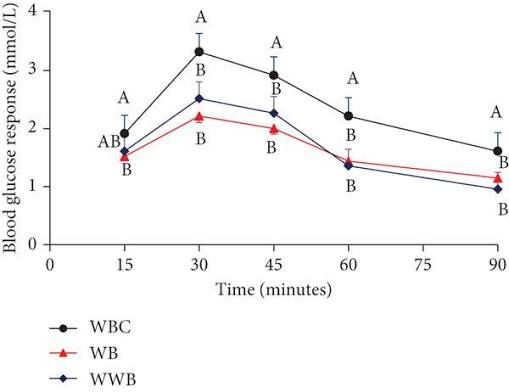
Incorporating olive oil into your meals is highly beneficial, provided you follow a few basic culinary principles.
The primary rule of fat selection is to avoid highly processed, refined vegetable oils.
These refined oils often contain high levels of omega-six fatty acids, which can promote chronic, low-grade inflammation.
Replacing those oils with extra virgin olive oil is a simple and effective way to protect your long-term metabolic health.
When planning meals, consider combining olive oil with other natural dietary acids to further optimize your blood sugar control.
For example, research shows that asking does-vinegar-lower-blood-sugar can lead you to highly effective dietary strategies.
Combining olive oil with a high-quality vinegar in your salad dressing creates a powerful metabolic synergy.
The acetic acid in the vinegar slows down starch digestion, while the healthy fats in the olive oil delay gastric emptying.
You can also utilize apple cider vinegar blood sugar management techniques to further support your metabolic health.
Drizzling a blend of extra virgin olive oil and apple cider vinegar over roasted vegetables is an excellent way to keep your glycemic curve flat.
To help you make the best choice for your kitchen, we have created a clear comparison of common cooking fats.
| Fat Type | Glycemic Impact | Insulin Sensitivity Rating |
|---|---|---|
| Extra Virgin Olive Oil | Absolutely Zero | Highly Optimal |
| Grass-Fed Butter | Absolutely Zero | Neutral to Positive |
| Refined Canola Oil | Absolutely Zero | Sub-optimal (Promotes Inflammation) |
This direct comparison clearly highlights why extra virgin olive oil remains the ideal choice for metabolic support.
By choosing extra virgin olive oil, you ensure your body receives rich antioxidants alongside essential healthy fats.
Avoiding Common Pitfalls: Calories, Portion Control, and Wearable Tracking
While olive oil is exceptionally healthy, overconsumption is a common pitfall that can hinder weight management.
Because all pure fats are highly calorie-dense, failing to manage your portions can lead to gradual, unwanted weight gain.
To achieve the best results, you should use olive oil to replace existing dietary fats rather than simply adding it on top of your current meals.
Another major mistake is using low-quality, adulterated olive oils that have been blended with cheap seed oils.
Always check your labels carefully to ensure you are purchasing genuine, single-source extra virgin olive oil.
In addition to tracking your nutrition, it is equally important to monitor how your lifestyle choices affect your daily recovery.
Many people try to track their health using bulky smartwatches, but these devices are often uncomfortable to wear to bed.
Bulky wearables can disrupt your sleep patterns, which directly impairs your morning insulin sensitivity.
Furthermore, many popular fitness trackers come with expensive, ongoing monthly app subscription fees.
The Herz P1 Smart Ring solves both of these problems with its lightweight, subscription-free design.
Crafted from durable, military-grade steel, it fits comfortably on your finger for continuous, hassle-free tracking.
Its companion app is completely free for life, giving you full access to your biometric trends without any hidden costs.
By monitoring your resting heart rate and sleep phases, you can easily observe how stable blood sugar levels support deeper physical recovery.
Frequently Asked Questions About Smart Rings & Glycemic Health
Yes, the Herz P1 features an advanced IP68 waterproof rating, certifying it for continuous submersion up to 164 feet.
This exceptional level of protection means you can safely wear your smart ring while swimming, showering, or washing dishes.
The robust, fully sealed design ensures that moisture will never interfere with your continuous biometric tracking.
The Herz P1 is designed for highly efficient power management, offering up to 6 days of continuous battery life on a single charge.
When it is time to charge, the ring powers up rapidly, reaching a full charge in under one hour.
This long battery life allows you to monitor your health trends day and night without the hassle of daily charging.
For the highest level of biometric accuracy, we recommend wearing the Herz P1 on your index, middle, or ring finger.
These fingers provide the most consistent contact between the internal optical sensors and your blood vessels.
Ensure the ring fits snugly but comfortably to allow for healthy blood circulation throughout the day and night.
Yes, the Herz P1 features secure local storage that can save up to 7 days of complete biometric data offline.
This means you can sleep, exercise, or travel without keeping your smartphone constantly connected via Bluetooth.
Once you open the free companion app, all of your saved data will sync automatically to your personal dashboard.
No, pure extra virgin olive oil does not raise your blood sugar levels because it contains zero carbohydrates.
In fact, when consumed alongside carbohydrates, olive oil helps slow down glucose absorption, which reduces post-meal blood sugar spikes.
This makes it an incredibly valuable dietary fat for anyone focused on optimizing their metabolic health.

Conclusion: Your Subscription-Free Wellness Journey Starts Here
Managing blood sugar and maintaining a stable metabolism is a daily commitment to your long-term health.
By incorporating healthy fats like extra virgin olive oil into your diet, you provide your body with powerful support for insulin sensitivity.
Ready to monitor your health every day? Explore the Herz P1 Smart Ring and see if it fits your lifestyle. Call: 1-866-479-1629 — our team can help you advise on the correct ring size and set personalized health goals.
